
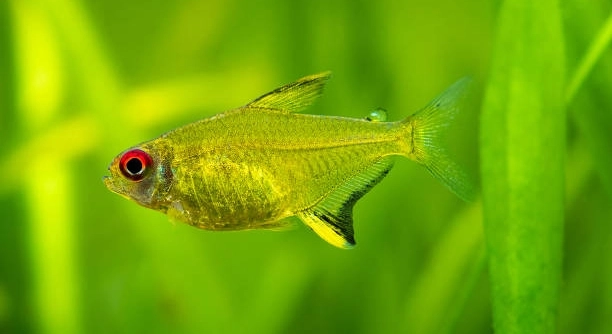
Do you ever find yourself caring for lemon tetras and wondering how floating plants might shape their tank environment, creating a gentle space that feels natural, balanced, and supportive for their little daily swimming routine.
Floating plants are highly beneficial for lemon tetra tanks, providing shade, reducing stress, and supporting stable water conditions through natural filtration. Their presence mimics the fish’s native habitat, promoting healthier behavior and enhancing overall tank stability in well managed aquariums.
Understanding how floating plants affect comfort, stability, and harmony in a lemon tetra tank offers helpful insight for aquarium care.
Benefits of Floating Plants for Lemon Tetras
Floating plants offer practical advantages for lemon tetra tanks, creating a calmer and more balanced space that feels closer to their natural home. Their soft cover reduces bright light, helping shy fish feel safer and more relaxed as they swim near the upper areas of the tank. The roots absorb extra nutrients, easing algae buildup and keeping the water clearer with less effort. These plants add gentle movement to the surface, improving oxygen exchange and supporting stable conditions that sensitive fish appreciate. Their presence also softens water flow, which keeps lemon tetras from feeling overwhelmed by filters that push too much current. I like how floating plants bring a sense of softness to the tank without adding complicated care steps or taking up valuable swimming room. With the right balance of coverage, they can make a tank feel healthier, calmer, and easier to maintain.
Adding floating plants can also influence the social behavior of lemon tetras by giving them shaded spots where they feel less exposed. This encourages smoother schooling patterns, steadier movement, and a more peaceful tank atmosphere that supports their natural rhythm.
While floating plants offer many benefits, they need some attention to prevent them from taking over the entire surface. Regular thinning keeps light reaching the lower plants and maintains good airflow at the top of the tank. It also helps filters work properly by preventing large clusters from blocking intake areas. I like to check my plants during routine water changes, removing extra growth and clearing space so the fish can swim freely. Keeping a simple schedule helps the tank stay balanced, and it prevents any issues that might develop when the surface becomes too crowded.
Choosing the Right Floating Plants
Selecting floating plants for lemon tetras depends on how much shade and softness you want in the tank. Some species offer long roots that create hiding spots, while others provide lighter cover. Choosing plants that match your maintenance habits keeps the tank comfortable and easy to manage.
Once you decide on the type of floating plants you prefer, it helps to understand how each one behaves in different tank setups. Some grow quickly and require frequent trimming, while others stay compact and need little attention. Lemon tetras appreciate stable lighting, so choosing plants with predictable growth can make care much smoother. It is also helpful to consider how each plant affects water flow. Plants with dense mats may restrict movement near the surface, while lighter species allow gentle currents that suit the active swimming style of lemon tetras. I like using a mix of two types because it creates variety without complicating maintenance. When placing new floating plants into the tank, rinse them well and keep an eye out for small pests that may hitch a ride. With steady care and small adjustments, these plants can support a clean, calm, and pleasant tank environment that keeps lemon tetras comfortable and encourages natural behavior. Planning ahead makes it easier to keep everything balanced over time, giving the tank a soft and welcoming look that feels rewarding to maintain.
Maintaining Floating Plants in Lemon Tetra Tanks
Floating plants need regular care to stay healthy and keep the tank balanced. Trimming excess growth, removing dead leaves, and monitoring water quality prevents overcrowding and ensures the fish have enough light and swimming space.
I like to check my floating plants at least once a week. Dead or yellowing leaves are removed immediately, and dense clusters are thinned to allow light to reach lower plants. Overgrown roots can get tangled in filters, so I carefully separate them to avoid damage. Adjusting water flow around the surface ensures the plants float freely without blocking oxygen exchange. These simple steps maintain a clean, healthy environment for both the fish and the plants, making the tank easier to manage overall.
Another key point is keeping the right balance between floating plants and submerged species. Too many floating plants can shade lower areas excessively, reducing light for bottom-dwelling plants. I usually leave open patches for swimming and choose slow-growing floating plants to minimize constant trimming. Floating plants also help stabilize water parameters by absorbing excess nutrients, but they cannot replace routine water changes. By managing density and monitoring growth, the tank remains visually appealing and biologically stable.
Common Floating Plant Choices for Lemon Tetras
Plants like duckweed, water lettuce, and frogbit are popular for lemon tetra tanks. Each offers shade, soft movement, and gentle root cover.
Duckweed grows quickly, forming a floating mat that provides consistent shade while requiring regular thinning to prevent overcrowding. Water lettuce offers broader leaves and longer roots, creating natural hiding spots and calming water flow near the surface. Frogbit has smaller, round leaves with trailing roots that give fish soft places to swim around. I prefer combining two species for variety, ensuring enough light reaches lower plants while maintaining surface cover. These plants tolerate standard aquarium conditions, making care straightforward.
When introducing floating plants, I always rinse them thoroughly to remove debris or hitchhiking pests. Placement matters—dense clusters should be balanced with open water to keep swimming areas accessible. Observing how the fish interact with the plants helps determine whether adjustments are needed, such as thinning or relocating growth. Some species may require occasional nutrient supplementation or light adjustments to thrive. Maintaining proper care ensures floating plants support a healthy, stress-free environment, allowing lemon tetras to display natural behaviors without overcrowding or excessive shading.
Light and Shade Considerations
Floating plants provide shade that softens bright aquarium lights, helping lemon tetras feel secure and less stressed. They create a calm environment, especially near the surface where these fish naturally swim.
Too much shade can limit light for other plants. I usually leave small open areas so light reaches the lower tank, balancing comfort and plant growth.
Impact on Fish Behavior
Lemon tetras tend to feel more confident with floating plants. The roots and leaves offer hiding spots, reducing stress and promoting natural schooling patterns. Fish often swim under the cover, exploring and resting without feeling exposed, which improves their overall activity and wellbeing.
Nutrient Control
Floating plants absorb excess nutrients from the water, helping limit algae growth. They act as natural filters, improving water quality while supporting the tank’s ecological balance.
FAQ
How often should I trim floating plants in a lemon tetra tank?
I usually check my floating plants once a week. Fast-growing species like duckweed can cover the surface quickly, so trimming prevents overcrowding and ensures light reaches lower plants. Removing dead leaves and thinning dense patches keeps swimming space open and reduces stress for the fish.
Can floating plants survive in low-light aquariums?
Some floating plants, like frogbit and duckweed, tolerate lower light, but most will grow slower. I’ve noticed that plants grow healthier with moderate light, around 8–10 hours a day, which also benefits the overall tank ecosystem. Low light may limit root development and shading.
Do floating plants affect water quality?
Yes, floating plants absorb excess nutrients such as nitrates and phosphates, helping reduce algae growth. I’ve found that even a few floating plants improve clarity and balance, but they do not replace regular water changes. They work best alongside a proper filtration routine.
Are floating plants safe for lemon tetras?
Floating plants are very safe. The roots provide gentle cover without harming the fish. Lemon tetras enjoy swimming around the roots and under leaves, which reduces stress. I always rinse new plants to remove pests, which keeps both fish and plants healthy.
How many floating plants should I add?
I aim for about 30–50% coverage of the tank surface. This provides enough shade and root cover without blocking light entirely. Too many floating plants can restrict swimming space and reduce oxygen exchange near the surface. Keeping an open balance works best for my fish.
Do floating plants require special nutrients?
Some floating plants do well without extra nutrients if the tank has healthy fish and regular water changes. For slower-growing species or tanks with few fish, I sometimes add a liquid fertilizer to support leaf development. Over-fertilizing can cause algae, so I keep it minimal.
Can floating plants grow too fast?
Yes, species like duckweed can spread rapidly. I often thin them every few days during peak growth. Overgrowth can block light for lower plants and clog filters, so I stay on top of growth to maintain a healthy balance.
Do floating plants help with fish breeding?
Floating plants can provide a soft place for eggs and fry to hide. I’ve noticed that lemon tetras feel more secure when there’s floating coverage, which encourages natural spawning behavior. The roots give fry protection while allowing the parents to swim freely.
Will floating plants interfere with my filter?
They can if roots get tangled or dense mats block intake. I usually trim floating plants near the filter area and arrange them to allow smooth water flow. This keeps both filtration and plant health in check without disturbing the fish.
Can I mix different types of floating plants?
Yes, combining species adds visual variety and different root structures for fish to explore. I like pairing slower growers with faster ones to create balance. Mixing also prevents complete surface coverage and supports both plant health and tank aesthetics.
Do floating plants affect oxygen levels?
Floating plants help oxygen exchange by moving gently with water flow, but very dense mats can reduce surface contact. I keep patches open to maintain oxygen levels, ensuring both fish and plants thrive in a stable environment.
Are floating plants easy to maintain for beginners?
Yes, they are low-maintenance compared with other aquarium plants. Simple weekly checks, occasional trimming, and monitoring water quality are enough. I find that beginners often appreciate the dual benefits of shade and nutrient absorption without complicated care routines.
Can lemon tetras survive without floating plants?
Yes, they can, but tanks with floating plants tend to have calmer fish and less stress. I prefer having floating plants for natural behavior, shading, and nutrient control, which makes the tank more balanced and enjoyable for both the fish and myself.
Do floating plants attract algae?
They can indirectly reduce algae by absorbing excess nutrients, but overgrown mats can trap debris and promote algae in shaded areas. I trim regularly and maintain water changes to prevent buildup. This keeps both plants and tank clean without encouraging algae growth.
Can floating plants tolerate different water temperatures?
Most tropical floating plants tolerate the same temperatures lemon tetras enjoy, around 72–78°F (22–26°C). I keep the tank stable and avoid sudden changes, which helps the plants grow steadily and keeps the fish comfortable in their environment.
How do I introduce floating plants to a new tank?
I rinse new plants to remove pests or debris, then place them gently on the surface. Observing how they float and spread helps me adjust coverage. Early trimming may be necessary for fast growers. This ensures smooth integration without stressing the fish or the plants.
Do floating plants compete with submerged plants?
They can if coverage is dense. I leave open water areas and space plants strategically. In my experience, light-sensitive submerged plants need some uncovered areas to thrive, while floating plants provide gentle shade without harming lower growth.
Can floating plants survive in planted tanks?
Yes, they often complement planted tanks by reducing light intensity and shading fast-growing species. I mix floating and rooted plants carefully, monitoring growth and trimming when necessary. This balance enhances aesthetics while supporting both fish and plant health.
Are there any pests associated with floating plants?
Occasionally, snails or small insects hitch a ride on new plants. I rinse everything before adding it to the tank. Keeping a close eye on growth and plant health prevents infestations and ensures a clean environment for the lemon tetras.
Do floating plants affect tank aesthetics?
They add a soft, natural feel to the aquarium. I like how the roots sway gently and the leaves create texture on the surface. Proper balance enhances the tank visually without overcrowding or blocking key features, making it look alive and dynamic.
How do I know if floating plants are healthy?
Healthy leaves are green and free from decay. Roots should be intact and not slimy. I remove any yellowing or damaged leaves promptly, which prevents deterioration and supports continued growth for both plants and the overall tank environment.
Can floating plants survive in hard water?
Many species tolerate moderate hardness, but growth may slow in very hard conditions. I observe how the plants respond and adjust maintenance accordingly. Lemon tetras also tolerate moderate hardness, making it easier to maintain a compatible environment for both.
Do floating plants need CO2 supplementation?
No, most floating plants absorb enough CO2 from the water surface and fish respiration. I’ve never needed additional CO2, and the plants grow well with standard aquarium conditions, provided there is sufficient light and nutrients.
Can floating plants survive without fish?
Yes, but they rely on nutrients. In a tank without fish, I sometimes add liquid fertilizer to support healthy growth. Otherwise, plants may grow slowly or struggle without the natural nutrients provided by fish waste.
Do floating plants reduce water evaporation?
Yes, they form a light cover that slows surface evaporation slightly. I’ve noticed tanks with partial floating plant coverage retain water longer, which can help with maintaining stable water levels between changes.
Can floating plants be used in breeding tanks?
They are excellent for breeding tanks. The shade and roots create safe spaces for eggs and fry, reducing stress on adults and increasing survival rates for young fish. I often add floating plants specifically for this purpose.
Do floating plants need specific lighting?
Moderate aquarium lighting usually suffices. I use 8–10 hours daily for steady growth. Too little light slows growth, while too much can encourage algae. Balancing light with trimming ensures healthy plants and happy fish.
Can floating plants survive in small tanks?
Yes, but surface coverage must be managed carefully. I trim often to avoid blocking light or restricting swimming space. Even a small number of floating plants can improve water quality and comfort for lemon tetras in compact setups.
Are floating plants easy to remove if needed?
Yes, they float and are easy to scoop out. I find removal straightforward for maintenance or temporary rearrangement. This makes them convenient compared with rooted species that require more effort to relocate.
Do floating plants affect filter efficiency?
Dense mats can restrict flow, but careful placement prevents issues. I usually keep plants away from filter intakes and trim excess roots, ensuring both filtration and plant health are maintained without compromising tank conditions.
Can floating plants survive in low-nutrient tanks?
Some do, like duckweed, but growth may be slower. I sometimes supplement nutrients lightly in low-stock tanks. Observing plant health helps determine if extra care is needed to keep them thriving.
Do floating plants impact fish health?
Generally, they improve fish health by reducing stress and providing shade. I’ve noticed lemon tetras are calmer and school more naturally when floating plants are present. Proper maintenance ensures no negative impact occurs.
Can floating plants be used with other fish species?
Yes, most tropical fish tolerate floating plants. I’ve kept them with tetras, guppies, and corydoras without issue. Observing behavior initially ensures no species tries to uproot or overconsume the plants.
Do floating plants require substrate?
No, they float freely and do not need planting. I like this because it keeps the tank flexible, allowing me to rearrange other plants without disturbing roots.
Can floating plants survive in variable temperatures?
Moderate temperature swings are tolerated, but sudden changes can stress both plants and fish. I keep tank conditions stable for consistent growth and overall health of the aquarium ecosystem.
Are floating plants suitable for beginners?
Yes, they are simple to care for. Weekly checks, occasional trimming, and light monitoring are enough. I find them ideal for beginner tanks, providing both aesthetic value and functional benefits with minimal effort.
Do floating plants reduce stress in lemon tetras?
Yes, shaded areas and root cover give fish places to hide and feel secure. I’ve noticed calmer behavior and more natural swimming patterns when floating plants are present, improving overall tank harmony.
Can floating plants survive with strong water currents?
Some species tolerate gentle flow, but very strong currents may push them around or damage roots. I adjust filter flow and plant placement to ensure they remain floating and healthy without interfering with swimming areas.
Do floating plants affect temperature stability?
They provide minor insulation by shading the water surface. I’ve noticed small reductions in temperature fluctuations, which can be helpful in keeping the tank environment more consistent for sensitive species like lemon tetras.
Are floating plants compatible with shrimp?
Yes, they offer hiding spots for shrimp and can improve water quality. I’ve kept small shrimp with floating plants without issue, allowing both to benefit from shaded areas and nutrient absorption simultaneously.
Do floating plants need pruning for aesthetics or health?
Yes, trimming maintains both appearance and function. I remove overgrown or dead leaves to keep the tank visually appealing while preventing overcrowding and allowing proper light penetration to lower plants.
Can floating plants help reduce algae growth?
Yes, by absorbing nutrients and shading the tank, floating plants compete with algae and limit its spread. Regular maintenance ensures they continue providing this benefit without creating dense mats that trap debris.
How do I deal with floating plant pests?
Rinse new plants thoroughly and inspect roots and leaves. I sometimes remove affected parts and monitor closely, which prevents pest outbreaks while maintaining healthy, clean plants and safe conditions for lemon tetras.
Are there fast-growing floating plants that need frequent maintenance?
Yes, species like duckweed grow rapidly. I check growth frequently, thin mats, and remove excess leaves to maintain balance. Fast growers are effective for nutrient absorption but require consistent upkeep to avoid surface overcrowding.
Can floating plants survive in filtered vs. unfiltered tanks?
They can survive in both, but filters help maintain water clarity and nutrient balance. I use gentle filtration to avoid disturbing roots while allowing plants to thrive and contribute to tank stability.
Do floating plants affect water pH?
They have minimal impact directly, but by absorbing nutrients and limiting algae, they can contribute to more stable conditions. I monitor pH separately to ensure it stays within safe ranges for lemon tetras.
Can floating plants survive in outdoor tanks?
Yes, but exposure to direct sunlight and weather changes can cause rapid growth or decay. I manage coverage carefully, keeping partial shade and removing debris to maintain balance and protect fish.
Are floating plants compatible with livebearers?
Yes, species like guppies and platies benefit from floating plants for shade and fry protection. I’ve found they enhance tank comfort without interfering with adult fish activity or breeding behavior.
Do floating plants require special water hardness?
Most tolerate moderate hardness typical for tropical fish tanks. Extreme softness or hardness may slow growth, so I monitor plant health and adjust maintenance as needed to ensure steady growth.
Can floating plants survive extended periods without care?
They survive short gaps, but neglect can lead to overgrowth, decay, and water quality issues. I maintain weekly checks to prevent problems and keep both plants and fish thriving.
Do floating plants increase tank evaporation?
No, they slightly reduce it by covering part of the surface. I’ve noticed slower water loss in tanks with partial floating plant coverage, which helps maintain stable levels between changes.
Can floating plants survive in cold-tolerant tanks?
Most tropical species prefer warmer water. Cold-tolerant plants are limited, and I keep temperatures stable for optimal growth. Lemon tetras also prefer warmer conditions, so compatibility is easier with tropical floating plants.
Are floating plants safe for aquaponics setups?
Yes, they absorb nutrients efficiently and provide shade. I’ve used them successfully in small aquaponics systems, balancing plant growth and fish care without affecting water circulation or oxygen levels.
Do floating plants affect feeding habits?
They can slightly slow feeding as fish navigate roots, but I’ve found lemon tetras adapt quickly. Floating plants also reduce stress, encouraging more natural feeding behavior across the tank.
Can floating plants survive in high-nutrient tanks?
Yes, they thrive in nutrient-rich water, often growing faster. I trim frequently to prevent overgrowth and maintain light penetration for lower plants. High nutrients boost their filtration benefits, supporting both water quality and tank aesthetics.
Are floating plants suitable for nighttime viewing?
Yes, they provide soft silhouettes and shadows, enhancing the visual appeal without disturbing fish. I enjoy watching lemon tetras move among roots under dim lighting, adding a natural, calm atmosphere to the tank.
Do floating plants need special water flow conditions?
Moderate, gentle flow is best. Too strong can push them around or damage roots. I adjust filters to maintain steady water movement while keeping plants in place and ensuring fish can swim freely.
Can floating plants survive in tanks with strong lighting?
Yes, most tolerate bright aquarium lights, though shading lower plants may become necessary. I balance light exposure by adjusting trimming and coverage to protect both floating and submerged species while keeping fish comfortable.
Do floating plants require CO2 injection in planted tanks?
No, they absorb enough CO2 naturally. I’ve seen healthy growth without supplementation, making them low-maintenance compared to heavily planted tanks that rely on CO2 for rooted species.
Can floating plants survive in community tanks?
Yes, they are compatible with a variety of tropical species. I watch interactions initially to ensure no fish uproot them, and most species coexist peacefully while benefiting from the shade and soft cover provided.
Do floating plants impact nutrient cycling?
Yes, they help absorb excess nutrients, supporting water quality and reducing algae growth. I balance their presence with regular maintenance to prevent overcrowding and maintain efficient nutrient cycling throughout the tank.
Can floating plants survive if overstocked?
They can, but overstocking reduces light and space, slowing growth and stressing fish. I trim and thin regularly to maintain balance, ensuring both fish and plants thrive in a stable environment.
Do floating plants affect fish aggression?
They reduce stress by providing hiding spots and soft cover, which often lowers territorial disputes. I’ve noticed calmer behavior and smoother schooling patterns when floating plants are present.
Are floating plants compatible with salt-tolerant species?
Most tropical floating plants prefer freshwater. I avoid them in brackish setups because salt can harm leaves and roots, reducing their growth and overall effectiveness in the tank.
Do floating plants influence fish coloration?
Indirectly, yes. Reduced stress and natural hiding areas allow lemon tetras to display brighter colors. I’ve seen more vibrant patterns when floating plants provide consistent shade and calm swimming spaces.
Can floating plants survive with heavy feeding?
Yes, but excess food can accumulate on roots and leaves, causing decay. I remove uneaten food promptly to maintain plant health and prevent water quality issues in the tank.
Do floating plants require specific tank size?
Not specifically, but surface coverage should be proportionate. Small tanks need careful trimming to avoid blocking swimming space, while larger tanks can accommodate more plants without impacting fish movement.
Can floating plants survive with aggressive fish?
Aggressive or digging species may damage floating plants. I avoid placing delicate floating species in tanks with nippy or root-pulling fish. Observing interactions early helps prevent damage while keeping fish and plants safe.
Do floating plants improve overall tank stability?
Yes, they enhance water quality, reduce stress, and support balanced light and shade conditions. I’ve found tanks with floating plants feel more natural and easier to maintain while keeping lemon tetras comfortable and healthy.
Can floating plants survive in outdoor ponds?
Yes, but weather and sunlight exposure require more monitoring. I trim frequently, remove debris, and adjust coverage to prevent shading or overcrowding while keeping water quality and fish health stable.
Do floating plants need special filtration support?
Not necessarily, but gentle filtration ensures they stay afloat without tangling roots. I place plants away from strong intakes to maintain free movement and prevent filter blockages while supporting tank health.
Are floating plants good for stress reduction in fish?
Yes, they provide soft cover and shaded areas, creating security for lemon tetras. I’ve seen calmer swimming patterns and healthier schooling behavior when floating plants are present.
Can floating plants survive occasional neglect?
Short periods are tolerable, but overgrowth and dead leaves accumulate quickly. I maintain weekly checks to prevent issues and ensure the tank remains balanced, healthy, and visually appealing.
Do floating plants require special water changes?
No, standard water changes suffice. I monitor plant health and nutrient levels, adjusting frequency if growth slows or debris accumulates. Floating plants benefit from regular maintenance like any other tank component.
Can floating plants survive in tanks with frequent feeding?
Yes, but excess food can get trapped in roots. I remove uneaten food promptly and trim roots when needed to prevent decay and maintain healthy growth.
Do floating plants affect the behavior of shy fish?
Yes, shaded areas and roots give shy fish hiding spots, reducing stress. I’ve observed more natural swimming and exploration when floating plants are present, helping timid fish feel secure.
Can floating plants survive with fast-moving fish?
Some species tolerate active swimmers, but very energetic fish may disturb roots. I choose sturdier floating plants or limit coverage to prevent damage while maintaining comfort for both fish and plants.
Do floating plants require additional supplements?
Generally no, unless nutrients
Floating plants can make a noticeable difference in a lemon tetra tank. They create gentle shade that helps fish feel calmer and safer, especially near the surface where lemon tetras often swim. The roots hanging in the water offer small hiding spots, which can reduce stress and encourage more natural swimming and schooling behavior. I have noticed that when floating plants are present, fish tend to explore more freely and interact with each other in a less nervous way. These plants also add movement to the water surface, creating a subtle, natural flow that feels more like the fish’s native environment. Even a few floating plants can change the feel of a tank, giving it a softer, more balanced appearance without making it crowded or complicated to maintain.
Floating plants are also helpful for maintaining better water quality. They absorb extra nutrients from the water, which can limit algae growth and keep the tank cleaner. This doesn’t replace regular water changes or filtration, but it reduces some of the workload and helps maintain stability. I often find that tanks with floating plants have clearer water and healthier fish, which makes caring for them easier. It is important to keep an eye on plant growth, though, as fast-growing species can cover too much of the surface. I trim and thin plants regularly to allow light to reach lower plants and to maintain swimming space. Over time, this simple routine creates a balanced tank that feels comfortable for both fish and plants. By keeping coverage moderate and maintaining healthy roots and leaves, the tank environment remains supportive and visually appealing.
Choosing and maintaining floating plants is not difficult, but it does require attention and planning. Some species grow quickly, while others are slower and need less trimming. I usually select a mix that works with my lighting and water conditions, which helps prevent one type from overtaking the tank. Monitoring how the fish interact with the plants can also guide placement and maintenance. Floating plants can enhance the tank visually, offering a natural, textured look while supporting the fish’s wellbeing. Even small changes, like adding a few frogbit or duckweed, can create noticeable improvements in behavior and comfort. Overall, floating plants are a practical and aesthetically pleasing addition to lemon tetra tanks. They combine shade, soft movement, and nutrient control in a way that supports both the fish and the aquarium environment, making them a valuable feature for any setup.

Hello,
If you enjoy the content that we create, please consider saying a "Thank You!" by leaving a tip.
Every little bit helps us continue crafting quality advice that supports the health, happiness, and well-being of pets around the world, for pets of all shapes, sizes, and species.
We really appreciate the kindness and support that you show us!