
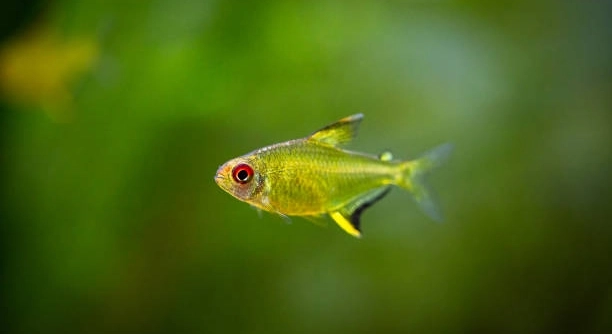
Do your lemon tetras often linger near the heater in your aquarium, seemingly preferring its warmth over other areas? Observing this behavior can be both curious and concerning for fish keepers who want their pets healthy and comfortable.
Lemon tetras tend to stay near the heater primarily due to water temperature preferences. Warmer water supports their metabolism, improves digestion, and reduces stress. Ensuring the aquarium maintains a stable, appropriate temperature encourages their natural comfort and activity.
Understanding why your lemon tetras seek heat can help you manage their environment effectively. Their habits reveal important details about their well-being and aquarium setup.
Stable Water Temperature
Maintaining a stable water temperature is crucial for lemon tetras. Sudden drops or fluctuations can stress them, making them seek the heater as a consistent source of warmth. In my experience, even a few degrees difference can change their behavior noticeably. When the water is stable, lemon tetras swim confidently around the tank, display better colors, and feed more actively. Using a reliable heater with a thermostat helps maintain the correct range. Monitoring the temperature daily ensures they remain comfortable. Tetras are sensitive to cold, and prolonged exposure can reduce their immune response, increasing the risk of illness. Placing the heater in an area with good water flow helps distribute heat evenly, preventing hot spots and cold corners. Over time, I noticed that a properly heated tank reduces skittishness, and the tetras seem more relaxed and social. Stability supports their overall health and encourages natural behavior.
Monitoring water fluctuations closely is key. Lemon tetras respond quickly to even minor temperature changes, making consistency essential.
Regular checks and adjustments to your tank’s heater help maintain this stability. A digital thermometer can provide accurate readings and alert you to drops. If the tank is large, multiple heaters or additional circulation may be necessary to ensure even warmth. Avoid placing the heater in a corner without movement, as uneven heat can create zones where tetras may congregate excessively. Observing the fish’s behavior can also indicate temperature comfort; lethargy or clustering near the heater often signals that the tank is cooler than preferred. Combining consistent heat, proper placement, and attentive monitoring ensures your lemon tetras stay healthy and active. Over time, you will notice better coloration, improved feeding habits, and more natural swimming patterns, reflecting a well-maintained environment.
Preference for Warm Spots
Lemon tetras naturally prefer slightly warmer areas in the tank. Their metabolism is more active in these zones, and they feel more secure.
Warm spots encourage activity and help maintain digestive health. They instinctively gravitate toward areas that provide comfort and energy efficiency, which is why clustering near the heater is common. Observing their habits can guide tank setup, such as positioning plants and hiding places near warmer zones to mimic their natural preferences. It is not unusual to notice some tetras staying closer together in heated regions while others explore cooler areas. Over time, providing both warm and slightly cooler zones allows the fish to regulate their body temperature naturally. Adjusting lighting and water flow can complement this preference, ensuring the aquarium environment supports their health and reduces stress. Understanding these behaviors helps keep lemon tetras thriving and active throughout the day.
Low Ambient Temperature
Lemon tetras will often move closer to the heater if the rest of the tank is cooler than their preferred range. Even small temperature differences can make them seek warmer water for comfort.
In my experience, when the ambient tank temperature is slightly lower than recommended, tetras tend to cluster near the heater constantly. This behavior is their way of regulating body temperature. Unlike other fish that tolerate a wider range, lemon tetras are sensitive to cold spots, which can cause stress or reduced activity. Installing a reliable heater and checking temperature throughout the tank can prevent this issue. Ensuring that the overall water temperature is within their ideal range of 24–28°C (75–82°F) allows them to swim freely without congregating near the heater, reducing stress and promoting better health.
Temperature consistency affects more than comfort. Uneven warmth can influence feeding patterns, coloration, and energy levels. By maintaining stable tank conditions, lemon tetras remain active and display natural behavior. Even small drops in water temperature can slow metabolism, making them appear sluggish and clustered near heat sources. I found that using a combination of a high-quality heater and regular thermometer checks keeps the tank uniform, which improves their overall well-being. Additionally, proper circulation ensures that warm water spreads evenly, eliminating cold pockets. This simple adjustment can prevent long-term stress-related problems and keeps lemon tetras energetic, social, and vibrant, contributing to a balanced tank environment.
Seasonal Changes
During colder months, lemon tetras naturally move toward the heater as water temperatures drop slightly. Their behavior reflects instinctual temperature regulation.
I noticed that seasonal temperature shifts can make tetras more dependent on the heater. Even in a heated room, small drops can cause them to stay in warmer zones more often. Fishkeepers should monitor seasonal changes closely and adjust heating to maintain comfort. Adding insulation to the tank or covering it during colder periods can reduce heat loss. Proper management ensures lemon tetras do not experience prolonged exposure to cooler water, which could weaken their immune system. Maintaining a stable environment allows them to swim freely, eat regularly, and remain active. Observing their movement patterns can help identify any minor temperature issues before they affect health. Careful adjustments, along with a consistent routine for feeding and water maintenance, support their natural habits. Seasonal awareness is key to keeping them comfortable and thriving year-round.
Heater Placement
The position of the heater affects where lemon tetras gather in the tank. If placed in a corner or near the filter, fish may cluster there more often to enjoy consistent warmth.
Proper placement ensures even heat distribution. I found that placing the heater where water flow circulates evenly helps reduce clustering and encourages natural swimming patterns.
Metabolic Needs
Lemon tetras require slightly warmer water to maintain healthy metabolism. Warmer areas help them digest food efficiently and stay active throughout the day.
Stress Reduction
Being near the heater can reduce stress for lemon tetras. Warmth provides a sense of safety and comfort, especially when other environmental factors fluctuate.
Why do my lemon tetras always stay near the heater?
Lemon tetras naturally seek slightly warmer water to support their metabolism. When water temperatures drop below their preferred range of 24–28°C (75–82°F), they cluster near the heater for warmth. I noticed that even a few degrees cooler in one part of the tank makes them stay close to heat sources. A properly positioned heater ensures even distribution of warmth, reducing excessive clustering and promoting natural swimming patterns throughout the aquarium.
Is it harmful if they stay near the heater all the time?
Staying near the heater is not immediately harmful, but prolonged clustering can indicate uneven tank temperature or stress. Over time, if the tank’s temperature is inconsistent, it may affect their digestion, immune system, and overall activity. I observed that when water was consistently stable, the tetras spread out more evenly. Using a reliable heater with a thermostat and monitoring water with a thermometer helps maintain a healthy environment. Adjusting placement and ensuring circulation reduces risks while keeping them comfortable.
How can I tell if the tank temperature is right for lemon tetras?
Healthy lemon tetras swim actively, feed eagerly, and display vibrant coloration. If they cluster only near the heater or appear lethargic elsewhere, the temperature may be too low. I use a digital thermometer to check multiple areas of the tank to ensure uniform warmth. Stable water encourages even swimming and reduces stress. Minor adjustments, like adding insulation or repositioning the heater, can make a significant difference in their behavior and comfort. Observing their movement patterns provides insight into whether the tank is properly heated.
Do seasonal changes affect their behavior near the heater?
Yes, lemon tetras are sensitive to slight seasonal temperature shifts. During colder months, even a well-heated room may allow minor drops, prompting them to stay close to the heater. I found that monitoring temperature more carefully during winter and adjusting the heater or adding insulation prevents prolonged exposure to cooler water. Seasonal awareness ensures that tetras remain active, eat regularly, and display natural behavior, without being stressed by sudden temperature changes.
Can clustering near the heater indicate illness?
Clustering alone does not always indicate illness but may highlight stress or discomfort. I noticed that tetras that remained lethargic near the heater, avoided food, or displayed faded coloration often had underlying health issues. Consistent temperature and proper tank maintenance reduce the likelihood of stress-related illness. Observing their behavior alongside feeding habits and appearance helps determine whether clustering is natural or a warning sign. Early detection allows timely intervention.
How should I position the heater for even warmth?
Placing the heater near an area with good water circulation helps distribute heat evenly. I position mine away from corners and near the middle of a side or near the filter output to prevent hot spots and cold zones. This placement encourages lemon tetras to swim freely and reduces clustering. Regular checks with a thermometer at multiple tank points ensure consistent temperature, supporting overall health and natural activity levels.
Do other tank conditions affect their preference for the heater?
Yes, factors like water flow, lighting, and decorations can influence where tetras gather. I found that slow-flow areas or spots with more hiding places near the heater often attract them. Providing both warm and slightly cooler zones allows tetras to regulate their body temperature naturally while exploring different areas. Balanced lighting and proper filtration complement temperature management, reducing stress and maintaining a healthy, active tank environment.
Can I provide alternatives to reduce clustering near the heater?
Creating multiple warm zones or increasing circulation can reduce clustering. I sometimes adjust the filter output or add a secondary heater for larger tanks to ensure even temperature distribution. Arranging plants and decorations to guide swimming through evenly warmed areas encourages natural movement. Observing tetras and adjusting environmental factors prevents over-reliance on a single heated spot while keeping their behavior normal and stress-free.
How often should I check the tank temperature?
Daily monitoring is ideal, especially for small or sensitive tanks. I use a digital thermometer to check multiple points, ensuring uniformity and noticing any fluctuations early. This routine prevents stress-related behaviors and maintains health. Adjusting the heater promptly when changes occur keeps lemon tetras comfortable and active.
Lemon tetras often gather near the heater for practical reasons, mainly because they need stable, warm water to thrive. Observing them in this behavior is normal and usually reflects their natural preference for slightly higher temperatures. These small fish are sensitive to cold spots or sudden drops in water temperature, which can cause stress, sluggishness, or changes in feeding patterns. Ensuring the tank maintains a consistent temperature allows lemon tetras to swim freely and remain active without clustering unnecessarily. Proper heater placement, combined with monitoring tools like thermometers, makes a significant difference in keeping the aquarium environment comfortable for them.
A well-maintained tank supports more than just temperature regulation. Lemon tetras benefit from stable water conditions, including good circulation, regular cleaning, and a properly balanced diet. The heater plays a key role in this ecosystem by creating an area where warmth encourages normal metabolic activity and digestion. I have noticed that when water is evenly heated, the fish display brighter colors, move with confidence, and explore different areas of the tank rather than remaining in one spot. By maintaining these conditions, lemon tetras are less prone to stress-related problems and show healthier, more natural behavior patterns. Adjustments to temperature, flow, and tank layout often result in noticeable improvements in their overall well-being.
While clustering near the heater is a common observation, it is also a reminder of the importance of careful tank management. Consistency in temperature, combined with attentive observation, ensures lemon tetras remain comfortable and healthy. Seasonal changes, placement of decorations, and water flow can all influence how much they rely on the heater. By providing evenly distributed warmth and monitoring their behavior, fishkeepers can support both the physical health and natural instincts of lemon tetras. Over time, this approach leads to a more balanced aquarium, where fish remain active, vibrant, and stress-free, creating an environment that promotes long-term care and enjoyment.

Hello,
If you enjoy the content that we create, please consider saying a "Thank You!" by leaving a tip.
Every little bit helps us continue crafting quality advice that supports the health, happiness, and well-being of pets around the world, for pets of all shapes, sizes, and species.
We really appreciate the kindness and support that you show us!