
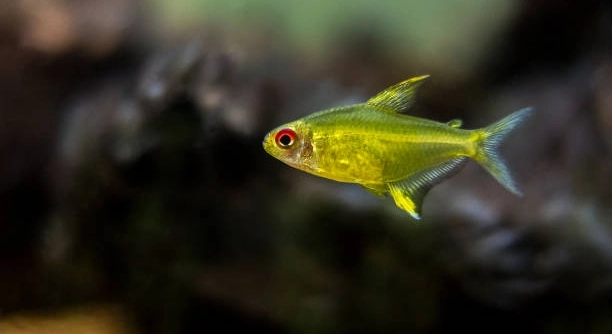
Have you ever looked at your lemon tetra and felt unsure if something about their behavior seems off, urging you to take a closer look at their overall health and comfort within their aquarium home.
Identifying illness in lemon tetra involves observing changes in coloration, swimming patterns, appetite, and behavior. Consistent monitoring helps detect early signs of stress or infection, allowing timely intervention that supports stable water conditions and improves the well-being of the fish.
These details create a clearer understanding of your lemon tetra’s needs, helping you support a healthier environment that nurtures stability.
Common Signs of Illness
Noticing when your lemon tetra is unwell can help you act before small concerns turn into bigger problems. Changes in color often appear first, especially when the fish becomes pale or develops unusual spots. Slower swimming or hiding more than usual can signal discomfort, along with a sudden loss of appetite that interrupts their normal routine. Erratic movements, fin damage, or slight swelling may also indicate that something in the environment is affecting them. Paying attention to the tank itself is just as important, since poor water conditions often create stress. Cloudy water, leftover food, or debris may add to their issues, making their behavior shift in subtle ways. Gentle observation each day allows you to learn their normal patterns and quickly recognize what seems different. This kind of awareness supports their overall stability and helps you respond early when something feels off. These signs guide your care decisions effectively.
Responding early to changes in your lemon tetra’s behavior can prevent more serious health concerns from developing. Simple adjustments in water quality, feeding habits, or tank maintenance often make a noticeable difference. Steady attention helps your fish return to comfortable routines without added stress in their daily aquatic living space.
Maintaining a stable tank environment reduces many common issues that affect lemon tetra. Clean water, proper temperature, and a balanced diet form the foundation of their well-being. Regular water testing helps you keep conditions within safe ranges, minimizing stress. Observing how they interact with tank mates also provides useful clues. Overcrowding or aggressive behavior from other fish can influence their mood and health. Providing quiet areas within the tank allows them to retreat when they need space. By creating predictable conditions and monitoring subtle changes, you support a healthier environment that keeps them comfortable throughout their daily routine each day.
Environmental Factors That Affect Health
Water quality has a strong influence on the health of lemon tetra, making regular monitoring essential. Clean filtration, stable temperature, and consistent maintenance can prevent most common issues. Small shifts in these conditions may affect their behavior, so steady attention helps maintain their overall stability in the aquarium each day.
Keeping environmental conditions consistent plays a major role in protecting the health of lemon tetra. These fish respond quickly to changes, so maintaining clean water and proper filtration should always be a priority. Regular water testing helps you detect shifts in pH, ammonia, nitrite, and nitrate levels, which can influence their stability if left unmanaged. A dependable heater keeps temperatures steady, reducing unnecessary stress from fluctuations. Good tank placement away from noise, drafts, and direct sunlight also supports their comfort. Feeding practices matter as well, since overfeeding can create waste buildup that lowers water quality. Offering small, measured portions prevents this issue and keeps the tank cleaner. Decorations, plants, and hiding spots give the fish room to explore while allowing them to feel safe. Choosing calm tank mates reduces tension, especially when the fish need peaceful surroundings to stay active and relaxed. Lighting schedules should remain consistent, offering predictable periods of brightness and darkness. Routine cleaning, careful observation, and gradual changes help avoid sudden shifts that disrupt their balance. When each aspect of the tank works together in a stable way, your lemon tetra remain more resilient and maintain healthier behavior across their daily activities in their aquatic living space.
How Stress Impacts Lemon Tetra Health
Stress affects lemon tetra quickly, often showing through changes in color, appetite, and activity. Small disruptions in their environment can influence their comfort, making it important to manage tank conditions carefully so they can remain stable and maintain their usual patterns without unnecessary strain.
Stress often begins with sudden changes in water quality, temperature shifts, or disruptions in their daily surroundings. Lemon tetra depend on predictable conditions, so anything that alters these factors can influence their behavior. Crowded tanks, loud noises, and aggressive tank mates can also create tension. When stress builds, their immune system weakens, making them more vulnerable to illness. Watching their swimming habits, feeding behavior, and interactions with other fish offers helpful clues. Addressing the source of stress early helps your fish return to calm routines while supporting their overall well-being.
Creating a low stress environment starts with consistent maintenance. Keeping water clean, stable, and properly filtered reduces many concerns that influence their health. Providing plants and hiding areas gives them quiet spaces to retreat when needed. Balanced lighting schedules and a calm room environment help support their natural rhythm. Feeding smaller portions prevents waste buildup, which helps maintain water clarity. Choosing peaceful tank mates ensures gentle interactions without unnecessary conflict. Making gradual adjustments rather than sudden changes keeps them comfortable. Maintaining these practices each day helps lemon tetra stay confident and remain active in their tank.
Common Diseases Affecting Lemon Tetra
Illnesses such as fin rot, ich, and fungal infections appear when tank conditions decline or stress increases. These health concerns often begin with small signs, like color fading or slower swimming, which makes daily observation important for noticing early changes before the issues worsen.
Fin rot commonly develops when water becomes unclean, leading to frayed or discolored fins. Ich appears as small white spots that spread if untreated, while fungal infections show as cotton-like patches on the body. These concerns often become more noticeable when the fish are stressed or weakened. Early treatment paired with improved tank conditions helps limit progression. Clean water, proper filtration, and balanced feeding support their recovery. Keeping new fish in a separate tank before adding them to the main aquarium reduces the chance of spreading infections. Regular monitoring helps you respond quickly and protect the health of your lemon tetra.
Preventing Illness in Lemon Tetra
Maintaining clean water, steady temperature, and consistent filtration helps reduce many common health concerns. Regular testing keeps conditions within safe ranges, allowing your lemon tetra to stay comfortable. Simple daily observation helps you notice early changes and prevent issues from becoming more serious.
Feeding measured portions and removing leftovers keeps the tank cleaner. Choosing peaceful tank mates reduces tension, while providing plants and hiding spots supports a calmer environment. Gradual adjustments during maintenance prevent sudden shifts that may disturb their stability and influence their overall comfort.
When to Separate a Sick Lemon Tetra
Separating a sick lemon tetra becomes necessary when symptoms progress or behavior changes significantly. A quarantine tank protects the rest of the fish and provides a controlled space for focused treatment. Clean water and stable conditions help the sick fish recover without extra pressure from tank mates or environmental fluctuations.
Monitoring Recovery
Daily observation helps you track improvements in eating habits, swimming patterns, and coloration. Keeping conditions consistent supports a smoother recovery and helps your lemon tetra return to its normal routine with fewer setbacks.
FAQ
Why is my lemon tetra losing color?
Color loss often appears when your lemon tetra is stressed or experiencing changes in water quality. Dull or faded coloring usually signals discomfort, whether from temperature shifts, poor filtration, or conflict with other fish. Improving water conditions, reducing stress, and keeping the tank consistent often helps restore their natural brightness.
What does it mean if my lemon tetra is hiding more than usual?
Increased hiding often indicates stress, discomfort, or the early stages of illness. Environmental shifts, aggressive tank mates, or loud surroundings may cause them to retreat more often. Providing calm spaces, stable lighting, and quiet areas around the tank helps them feel secure and encourages more natural activity.
Why is my lemon tetra swimming erratically or shaking?
Erratic movement or trembling often points to stress, poor water conditions, or an underlying health concern. When toxins rise or oxygen levels drop, fish may struggle to move normally. Adjusting water quality, increasing aeration, and observing for additional signs often helps you identify the cause.
What should I do if my lemon tetra stops eating?
Loss of appetite can come from stress, illness, or changes in water conditions. Observe their behavior closely and check for color changes, odd swimming patterns, or bloating. Improving water clarity, offering smaller portions, and monitoring for signs of disease helps guide your next steps toward supporting their recovery.
How long does it take a sick lemon tetra to recover?
Recovery time depends on the illness, the fish’s overall health, and the stability of the tank. Some issues improve within days once conditions are corrected, while others take longer. Consistent care, clean water, and gentle monitoring help the fish regain strength more steadily.
Can lemon tetra get sick from stress alone?
Prolonged stress weakens their immune system, making them vulnerable to infections. Even without disease present, stress can cause color fading, sluggishness, or changes in appetite. Maintaining a calm environment, steady water conditions, and balanced feeding helps avoid these stress-related problems.
Should I treat the whole tank if one fish is sick?
Treating the entire tank is not always necessary. If only one fish shows symptoms, separating it into a quarantine tank helps protect the rest of the group. Treating the main tank is usually recommended only when multiple fish show signs of illness or if the disease spreads easily.
How do I keep my lemon tetra safe during water changes?
Gentle, gradual changes are essential. Replace small amounts of water at a time, keeping temperature and pH consistent. Sudden shifts can upset their balance and lead to stress. Using a dechlorinator and cleaning the filter regularly supports a healthier environment for them each day.
Can tank mates make lemon tetra sick?
Some fish can add stress through aggressive behavior or territorial habits. Constant chasing or nipping weakens lemon tetra and increases their risk of illness. Choosing peaceful tank mates helps maintain a calm environment that supports their stability and promotes better health.
What signs should worry me the most?
Signs like rapid breathing, clamped fins, white spots, cotton-like patches, swelling, or sudden lethargy require quick attention. These often indicate developing infections or declining water quality. Acting early helps prevent more serious issues and protects the rest of the tank from potential spread.
How do I know when it is safe to return a recovering lemon tetra to the main tank?
A fish is usually ready when its color returns, appetite stabilizes, and behavior seems normal again. Water conditions in both tanks should match closely to avoid stress when moving the fish. Slow, gentle reintroduction supports a smoother transition and helps prevent setbacks.
Final Thoughts
Caring for lemon tetra requires consistent attention and observation. These small fish are sensitive to changes in their environment, and even minor fluctuations in water quality, temperature, or tank conditions can affect their well-being. Maintaining clean, filtered water and monitoring key parameters such as pH, ammonia, nitrite, and nitrate levels are essential steps in preventing illness. A stable, well-maintained tank helps reduce stress, which is a primary factor in many common health problems. Observing their daily behavior, noting changes in swimming patterns, appetite, or coloration, allows you to identify early signs of illness before they escalate. Small adjustments, like providing plants or hiding spaces and keeping the tank peaceful, contribute significantly to their comfort. Consistency in these practices forms the foundation of a healthy environment where lemon tetra can thrive.
Understanding how stress impacts health is equally important. Lemon tetra respond quickly to environmental stressors, and prolonged tension can weaken their immune system, making them more susceptible to disease. Signs of stress often appear as dull coloration, hiding, or erratic swimming. Addressing stress factors immediately can prevent the development of illness. Simple measures, such as avoiding overcrowding, maintaining calm surroundings, feeding measured portions, and keeping lighting and temperature stable, support their overall stability. By reducing unnecessary stressors, you help the fish maintain natural behavior and resilience, allowing them to recover more effectively if they do experience minor health issues. Watching for subtle signs each day ensures problems are noticed early, giving you the opportunity to take action promptly.
Finally, knowing when and how to respond to illness is crucial. Early intervention, including separating sick fish in a quarantine tank and providing proper treatment, prevents diseases from spreading and improves recovery chances. Observing recovery closely, while keeping conditions steady, helps the fish regain normal behavior more quickly. Prevention is always better than cure, so maintaining high water quality, appropriate tank mates, and a balanced diet is essential for long-term health. Regular monitoring, combined with timely responses to changes in behavior or appearance, ensures that lemon tetra remain healthy, active, and vibrant. By staying attentive to their needs and environment, you create a stable habitat that supports their well-being and allows you to enjoy a thriving, lively aquarium.

Hello,
If you enjoy the content that we create, please consider saying a "Thank You!" by leaving a tip.
Every little bit helps us continue crafting quality advice that supports the health, happiness, and well-being of pets around the world, for pets of all shapes, sizes, and species.
We really appreciate the kindness and support that you show us!