
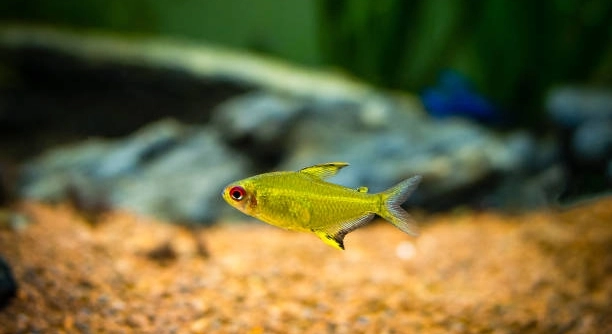
Lemon tetras are small, lively fish that add bright color to home aquariums. Many fishkeepers take care to provide them with a safe environment to ensure they stay healthy and active. Observing their behavior can be very rewarding.
Quarantining a lemon tetra alone is generally recommended when introducing it to a new tank. Isolation helps monitor for diseases, reduces stress from aggressive or unfamiliar tankmates, and allows for observation of eating habits, ensuring overall health before joining the main community.
Proper quarantine practices protect both new and existing fish. Learning the right steps can make a significant difference in the health and safety of your aquarium.
Why Quarantine Matters for Lemon Tetras
Quarantining lemon tetras is an important step to protect your main tank. New fish can carry bacteria, parasites, or viruses that are not immediately visible. Even a single infected fish can cause widespread illness if added directly to a community aquarium. A quarantine period allows careful observation of behavior, appetite, and overall health. Stress from sudden environmental changes can make fish more susceptible to disease. By isolating them in a separate tank, you give them time to adjust without competing or being harassed by established tankmates. Equipment like nets, siphons, and water changes should remain separate between the quarantine and main tanks to prevent accidental transmission. Additionally, quarantine can make treating potential health issues easier, as medications or changes in water conditions can be applied without affecting the other fish. Taking this precaution supports the long-term wellbeing of all aquarium inhabitants and helps maintain a stable, healthy ecosystem.
Quarantine also reduces stress for the new fish, making adaptation smoother and safer for both the newcomer and existing fish.
Observing lemon tetras during quarantine reveals patterns in feeding, swimming, and social behavior. Fish that eat well and swim actively are more likely to thrive once introduced. Quarantine also allows monitoring for signs of common illnesses such as ich, fin rot, or parasites, giving time to intervene before problems spread. Isolation can reduce aggressive interactions that sometimes occur when new fish are added directly. Beyond health, the process helps acclimate fish to water conditions gradually, adjusting to temperature, pH, and hardness without shock. Overall, a thoughtful quarantine period contributes to stronger, more resilient fish and a healthier tank environment, making future maintenance less stressful and more predictable.
Setting Up a Quarantine Tank
A quarantine tank should be small but provide enough space for swimming. Simple decorations and hiding spots reduce stress.
Temperature, filtration, and water parameters must closely match the main tank. A heater ensures stable warmth, while gentle filtration avoids overexertion. Monitor pH, hardness, and ammonia levels daily. Using a separate net and siphon prevents cross-contamination. Gradually acclimate new lemon tetras to tank conditions by adding small amounts of main tank water. Feeding a varied diet supports immunity, and observing behavior allows early detection of illness. Any signs of lethargy, spots, or unusual swimming should be addressed immediately with treatment. After two to four weeks, healthy fish can join the community tank. Consistent care during quarantine reduces disease risk and promotes confidence in long-term tank health.
Quarantine protects all fish while providing a controlled environment to manage early health concerns and acclimation effectively.
Following proper quarantine steps ensures lemon tetras integrate successfully. Daily observation helps identify subtle issues early. Adjusting diet, monitoring water quality, and reducing stress during this period improves survival rates. With careful attention, lemon tetras enter the main aquarium active, healthy, and ready to thrive among their tankmates. This approach also builds understanding of their specific needs, making it easier to maintain stable water conditions, recognize early illness, and support ongoing care. A consistent routine during quarantine reinforces the fish’s immune system and helps them adapt to social dynamics. Properly quarantined fish contribute to a balanced, lively aquarium where disease outbreaks are minimized, and overall wellbeing is enhanced, ensuring the tank remains a safe and vibrant environment.
Signs Your Lemon Tetra Needs Quarantine
Lethargy, loss of appetite, and unusual swimming patterns are strong indicators that a lemon tetra should be quarantined immediately. Early isolation helps prevent illness from spreading and allows for careful observation and treatment.
Even subtle changes in behavior, such as hiding more than usual or refusing food, can signal stress or disease. Monitoring these signs during quarantine ensures any issues are addressed before introducing the fish to a community tank. White spots, torn fins, or rapid gill movement may indicate infections or parasites that require treatment. Quarantine provides a controlled environment where medications or adjustments in water parameters can be applied safely, without affecting healthy tankmates.
Quarantine also helps track feeding habits and weight. Fish that refuse food or appear bloated might be experiencing internal issues. Regular observation during this period ensures the fish is eating properly and adapting to water conditions. Stress reduction in a quiet, isolated space often allows recovery. Early detection and treatment during quarantine increase the chances of full health restoration. Maintaining consistent water quality, temperature, and feeding schedules further supports the fish’s immune system, making future integration smoother and safer.
How Long to Quarantine Lemon Tetras
A typical quarantine period lasts two to four weeks, depending on fish health and tank conditions. This period allows enough time for observation and treatment.
During quarantine, monitor for signs of disease daily and maintain stable water parameters. Feeding should be consistent, using a varied diet to support immunity. Any fish showing illness should receive treatment promptly, while healthy fish continue adjusting to the new environment. Frequent water changes and gentle filtration help maintain optimal conditions. Stress reduction during this period ensures better adaptation when the fish joins the main tank.
The length of quarantine depends on several factors, including the health history of the fish, prior exposure to pathogens, and water quality stability. Fish that were previously stressed or transported over long distances may benefit from the full four-week period. Observing eating behavior, activity levels, and physical condition is essential. If no symptoms appear and fish are active and feeding well after two weeks, they may be ready to join the main tank. Quarantine also allows time to medicate if necessary and prevent outbreaks. Following these steps ensures the introduction to the community aquarium is safe, reducing stress and disease risks for both new and existing fish.
Preparing Your Quarantine Tank
Keep the quarantine tank simple with a few hiding spots. Minimal decorations reduce stress, while a stable temperature and gentle filtration maintain healthy conditions for observation.
Ensure water parameters match the main tank closely. Regular monitoring of pH, ammonia, and temperature is essential to prevent sudden changes that could harm the fish.
Feeding During Quarantine
Feed lemon tetras small amounts two to three times a day. Use a varied diet including flakes, frozen, or live foods to support immunity and encourage consistent eating habits. Observing their feeding ensures they are healthy and adjusting well to the new environment.
Treating Illnesses in Quarantine
Isolate sick fish immediately and begin treatment using appropriate medications. Quarantine tanks make it easier to control water conditions and apply remedies without affecting other fish, reducing the spread of disease effectively.
Monitoring Behavior
Watch swimming patterns, appetite, and social interaction closely. Early detection of stress or illness allows timely action, improving the fish’s chances of full recovery and safe introduction to the main tank.
FAQ
How long should a lemon tetra stay in quarantine?
Lemon tetras should remain in quarantine for at least two weeks, though four weeks is ideal if the fish shows signs of stress or came from a store with high fish turnover. This period allows careful observation of health, feeding, and behavior before joining a community tank.
Can lemon tetras be quarantined together?
Yes, healthy lemon tetras can be quarantined together if they are all new and showing no signs of illness. Avoid mixing fish from different sources without initial isolation, as this can introduce hidden diseases. Provide enough space and hiding spots to minimize stress during this time.
What water conditions are best for quarantine?
Water in a quarantine tank should closely match the main tank’s temperature, pH, and hardness. Stable water conditions reduce stress and prevent shock. Daily monitoring of ammonia, nitrites, and nitrates is important, and frequent small water changes help maintain quality.
What should I feed my lemon tetra during quarantine?
Feed small portions two to three times daily, using a variety of foods such as flakes, frozen brine shrimp, or daphnia. Observing whether the fish eats regularly helps identify potential health problems early. Remove uneaten food to avoid water quality issues.
How do I recognize illness in quarantine?
Look for signs such as white spots, frayed fins, lethargy, or abnormal swimming. Loss of appetite and rapid gill movement are also common indicators. Early detection allows for faster treatment and reduces the risk of infecting other fish once introduced to the main tank.
Can I medicate fish in quarantine?
Yes, quarantine tanks are ideal for treating illnesses. Medications can be applied without affecting healthy fish in the main tank. Always follow dosage instructions carefully and maintain stable water conditions to prevent additional stress during treatment.
Do lemon tetras need hiding spots in quarantine?
Yes, providing a few plants or small decorations helps them feel secure. Hiding spots reduce stress, encourage normal behavior, and support recovery if the fish is slightly stressed from transport or new surroundings.
Is quarantine necessary for all new fish?
While some experienced keepers may skip it, quarantine is strongly recommended for all new fish. Even fish that appear healthy can carry parasites or bacteria that may spread quickly in a community tank, making quarantine a preventive step.
How do I know when my lemon tetra is ready to join the main tank?
The fish should be active, eat consistently, and show no signs of disease for at least a week. A calm temperament and healthy appearance indicate that the quarantine period has been effective, and the fish can safely integrate with existing tankmates.
Can quarantine help reduce stress for new lemon tetras?
Yes, isolating fish in a quiet, controlled environment helps them adapt to water conditions without competing or being harassed. Reducing stress during quarantine promotes better feeding habits, stronger immunity, and smoother integration into the main aquarium.
What equipment is needed for a quarantine tank?
A small tank with a heater, gentle filter, and thermometer is sufficient. Nets, siphons, and other tools should be kept separate from the main tank to avoid cross-contamination. Minimal décor helps reduce stress while providing hiding spots.
How often should water be changed in quarantine?
Perform small water changes every two to three days to maintain quality. Large or infrequent changes can stress the fish. Consistent monitoring ensures ammonia and nitrite levels remain low and pH stays stable, supporting overall health.
Can quarantine prevent disease outbreaks?
Yes, quarantine is the most effective preventive measure. Observing, treating, and stabilizing new fish before adding them to a community tank greatly reduces the risk of spreading parasites, bacteria, or viruses to established fish.
Should I quarantine fish if I trust the store?
Even when buying from a reputable source, quarantine is recommended. Some illnesses take time to appear, and stress from transport can make fish more vulnerable. Quarantine ensures any hidden issues are addressed before mixing with other fish.
Can quarantine tanks be permanent?
No, quarantine tanks are temporary setups. Long-term housing in a small tank can cause stress, limited swimming space, and water quality issues. Once the fish are healthy and acclimated, they should be moved to their proper community environment.
How do I acclimate lemon tetras after quarantine?
Introduce them gradually by floating the quarantine bag or container in the main tank for 15-20 minutes to equalize temperature. Slowly mix small amounts of main tank water into the quarantine tank before transferring the fish to minimize shock.
What if a fish gets sick after quarantine?
Immediate isolation and treatment are required. Monitor all tankmates closely, adjust water conditions, and apply medications if needed. Quarantine cannot prevent future illness, but it reduces risk and makes early intervention easier.
Can stress in quarantine affect lemon tetras long-term?
Yes, prolonged or poorly managed quarantine can weaken immunity, reduce appetite, and cause abnormal behavior. Keeping the tank simple, stable, and calm supports recovery and prevents long-term stress-related issues.
Is observation the main purpose of quarantine?
Observation is key, but quarantine also allows treatment, gradual acclimation, and stress reduction. This controlled environment provides insight into the fish’s health, behavior, and eating habits before adding them to a larger, more complex aquarium.
What are the most common mistakes during quarantine?
Mistakes include skipping quarantine, overcrowding, poor water quality, inconsistent feeding, and using shared equipment with the main tank. Each error increases stress and disease risk, undermining the purpose of isolation and threatening overall tank health.
How does quarantine improve long-term tank health?
By catching illnesses early, reducing stress, and stabilizing water acclimation, quarantine promotes stronger fish, fewer disease outbreaks, and a balanced aquarium environment. Proper quarantine supports the wellbeing of both new and existing fish, making tank management easier and safer over time.
Final Thoughts
Quarantining lemon tetras is an essential step in maintaining a healthy aquarium. Taking the time to isolate new fish before adding them to a community tank protects both the newcomers and existing inhabitants. Fish that appear healthy may still carry parasites, bacteria, or viruses that are not immediately visible. By observing them in a separate tank, you can monitor for early signs of illness, unusual behavior, or feeding problems. Even minor stress during transport or from a new environment can make a fish more susceptible to disease. A quarantine period helps reduce this stress while giving the fish time to adjust to water conditions gradually. Using a small, simple tank with gentle filtration and stable temperature allows for easy monitoring and safer intervention if health issues arise.
During quarantine, feeding plays an important role in the fish’s recovery and adaptation. Lemon tetras benefit from a varied diet that includes flakes, frozen foods, and occasional live foods. Feeding small amounts multiple times per day ensures they are eating properly without overloading the water with excess food. Watching how each fish eats helps identify potential problems early. Fish that refuse food, act lethargic, or swim abnormally may require treatment or extended isolation. A controlled environment also allows the use of medications if necessary without risking the health of other fish in the main tank. Monitoring water parameters such as pH, temperature, and ammonia levels closely during this period is essential, as small changes can increase stress and reduce immunity. Maintaining stable water conditions supports overall health and prepares the fish for integration into a community tank.
Proper quarantine practices also improve long-term tank stability and reduce the likelihood of disease outbreaks. Healthy fish are more likely to adjust well when introduced to new tankmates, and early detection of problems can save time and effort in the future. Quarantine is not just a precaution; it is a way to ensure that your aquarium remains balanced, with strong, resilient fish that can thrive together. By taking these steps, you support the wellbeing of both new and existing fish while creating a safer and more enjoyable environment. Regular observation, careful feeding, and attention to water quality during quarantine provide confidence that your lemon tetras are healthy and ready to live in their main tank. Ultimately, quarantine is a small effort that yields long-term benefits, reducing stress, preventing disease, and supporting the overall health and harmony of your aquarium.

Hello,
If you enjoy the content that we create, please consider saying a "Thank You!" by leaving a tip.
Every little bit helps us continue crafting quality advice that supports the health, happiness, and well-being of pets around the world, for pets of all shapes, sizes, and species.
We really appreciate the kindness and support that you show us!