
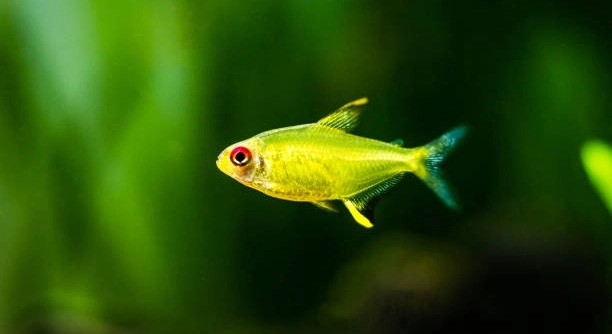
Feeding lemon tetras at the right times can make a big difference in their health and activity. Many owners struggle to find a consistent daily schedule that keeps their fish vibrant and energetic.
The best times to feed lemon tetras daily are in small, consistent portions, spread across morning, midday, and evening sessions. Regular feeding supports proper digestion, maintains water quality, and promotes steady growth and overall well-being in the species.
Establishing a clear feeding routine ensures your tetras stay healthy and lively, making their care simpler and more rewarding each day.
Morning Feeding: Start the Day Right
Starting your lemon tetras’ day with a small morning feeding sets a stable rhythm. Early feeding encourages activity and stimulates their metabolism after resting overnight. Providing a few flakes or micro pellets is enough to energize them without overfeeding. Observing how much they consume helps you gauge their appetite. Avoid scattering too much food, as leftovers can decay quickly, affecting water quality. A short morning feeding also allows you to check the tank for any signs of stress or illness. By keeping the portion small and consistent, your tetras remain active and healthy. Repeating this every morning helps create a predictable routine, which reduces stress in the fish. It also ensures the fish are ready to interact with each other and explore the tank naturally. Over time, this schedule can improve their color and vitality, making them look more vibrant and lively. Monitoring their response is key to maintaining a balanced routine.
A morning feeding energizes tetras, encourages natural behavior, and helps you monitor their health before the day progresses.
Regular morning feeding also helps prevent overeating later in the day. Observing their response to this session gives insight into their overall condition. Adjusting the portion based on activity levels ensures no excess food decays in the tank. Small, controlled feedings minimize waste and keep the water cleaner. Morning feedings provide an opportunity to interact with your fish’s environment gently, ensuring that plants and decorations remain undisturbed. It also helps establish trust with the fish, making them more comfortable approaching the surface. Over time, a consistent morning routine can improve digestion and energy levels, supporting their natural behaviors. Watching their activity after feeding helps detect early signs of illness. Feeding at the same time every day also reinforces their biological rhythm, keeping them alert and active throughout the day. Pairing morning feeding with adequate lighting creates a predictable environment that promotes healthy swimming and schooling habits. By focusing on quality and timing, the morning session becomes a foundation for their daily care.
Midday Feeding: Maintaining Energy
A midday feeding keeps lemon tetras active and prevents lethargy between morning and evening meals. Small portions help maintain energy and support digestion without overloading the tank.
Midday feeding ensures fish remain alert and active during daylight hours, supporting consistent health and vitality.
This feeding is crucial for maintaining balance in their diet. By giving a controlled portion at midday, you prevent long gaps that could lead to stress or overeating later. It also allows for observation of their swimming patterns, social behavior, and response to food. Adjust the quantity carefully to avoid leftovers, as excess food can promote algae growth and affect water quality. Midday feeding should complement morning and evening meals, not replace them. Using different types of food, such as micro pellets or finely crushed flakes, provides variety and essential nutrients. Consistency in timing ensures predictable behavior, which reduces anxiety among the fish. Observing their reactions during this feeding also gives insight into their health, as active consumption indicates proper digestion and well-being. Balancing feeding throughout the day strengthens immunity, supports growth, and enhances coloration. Keeping portions small ensures each meal is fully consumed, minimizing waste and maintaining tank cleanliness. Over time, this routine helps the tetras develop stable feeding habits that promote long-term health and vitality.
Evening Feeding: Prepare for Rest
Feeding lemon tetras in the evening provides energy before they settle for the night. Small portions prevent leftover food from decaying and affecting water quality. This meal completes their daily feeding schedule without overloading their digestive system.
Evening feeding should be lighter than morning or midday meals. By giving just enough food to satisfy their appetite, you avoid waste while ensuring the fish have energy for natural nocturnal activity. Observing how they eat at this time can reveal patterns in behavior and health. Evening feedings also help reinforce their internal clock, signaling that the day is winding down. Using a slow-sinking food ensures all fish have a chance to eat without competition. Consistent timing reduces stress and keeps the tank environment stable, promoting overall well-being. Small, mindful portions maintain cleanliness and prevent water contamination.
Monitoring leftover food after evening feeding is important. It helps adjust portion sizes and maintain tank hygiene. Evening meals also support proper digestion before night, keeping fish healthy and active the next day. Regularly observing their behavior during this feeding ensures that all tetras are thriving.
Weekend Feeding: Adjusting the Schedule
Weekend feedings allow slight flexibility in timing while keeping the routine consistent. Slight changes in feeding hours help maintain natural activity without disrupting overall health. Consistency remains key, even if portions are adjusted for variety or special supplements.
Adjusting weekend feeding can help provide extra nutrients without overfeeding. Using small portions of live or frozen food supports growth and color enhancement. By observing consumption carefully, you can ensure that all fish are eating and maintaining energy levels. Weekend feeding also offers a chance to inspect tank conditions, checking for leftover food or debris. Including occasional variety prevents monotony in their diet and encourages natural foraging behavior. Monitoring how the fish respond to slightly different timing helps fine-tune their feeding schedule for optimal health. Regular adjustments ensure no sudden changes disrupt digestion or water quality, keeping the tank balanced.
Offering slightly different food on weekends can enhance nutrition. Observing fish reactions to these changes helps refine portion sizes. Weekend feedings provide a balance of flexibility and consistency, supporting long-term health. Variety in diet maintains vitality and prevents boredom, keeping lemon tetras active and vibrant.
Mid-Afternoon Snack: Keep Activity Steady
A small mid-afternoon snack keeps lemon tetras active between main feedings. Tiny portions prevent overeating and help maintain energy levels without affecting water quality.
This snack also allows observation of individual eating habits. Noticing which fish eat first or last helps ensure all tetras receive enough nutrition and remain healthy.
Special Supplement Feeding: Boost Health
Providing a special supplement once or twice a week supports immune function and color enhancement. Using vitamins, spirulina, or finely crushed live food adds essential nutrients. Supplements should be given in very small amounts to avoid water contamination. Careful observation ensures fish consume the full portion.
Observation Feeding: Monitor Behavior
Observation feedings involve giving minimal food while watching fish behavior closely. This helps detect stress, illness, or changes in appetite early.
FAQ
How many times a day should I feed my lemon tetras?
Lemon tetras do best with two to three main feedings per day. Morning, midday, and evening meals provide steady energy and support digestion. Small portions prevent overfeeding and reduce waste, keeping water quality stable. Observation during each feeding ensures all fish are eating adequately.
Can I skip a feeding if I am busy?
Occasionally missing a midday feeding is generally safe. Tetras can go slightly longer without food, as long as morning and evening feedings are consistent. However, maintaining a routine helps reduce stress and supports regular activity and growth patterns.
What type of food is best for lemon tetras?
High-quality flakes, micro pellets, and small live or frozen foods like daphnia or brine shrimp are ideal. Mixing types provides balanced nutrition, supports coloration, and encourages natural foraging behavior. Avoid large flakes or pieces that are difficult to consume.
Is overfeeding harmful to lemon tetras?
Yes. Overfeeding can lead to obesity, poor water quality, and increased disease risk. Uneaten food decomposes quickly, causing ammonia spikes. Feeding small, controlled portions and observing consumption prevents these issues and promotes long-term health.
Should I vary their diet daily?
Variety is important for overall health. Rotate between flakes, pellets, and occasional live or frozen foods. Supplements like spirulina or vitamin-enriched options can be added once or twice a week to enhance color and immunity without overwhelming the tank environment.
How do I know if I am feeding the right amount?
A good indicator is that all food is eaten within two minutes. Fish should appear energetic and healthy. Uneaten food suggests portions are too large, while aggressive chasing for food may indicate hunger or insufficient feeding. Adjust quantities carefully.
Can feeding times affect their behavior?
Yes. Consistent feeding times establish a predictable routine, which reduces stress. Fish become more active during feeding and are easier to observe for health issues. Sudden changes in feeding schedules can lead to anxiety and irregular activity patterns.
Is it necessary to feed them on weekends?
Feeding on weekends should follow the same pattern as weekdays. Maintaining consistency helps support steady growth and metabolism. Slight variation in timing is acceptable, but portions and frequency should remain the same to avoid stress or overfeeding.
How should I introduce a new food type?
Introduce new foods gradually in small amounts to observe acceptance and prevent waste. Mixing a new food with a familiar option helps fish adapt. Watch for any digestive issues or refusal, and adjust accordingly. Patience ensures a smooth transition.
Do lemon tetras need supplements?
Supplements are optional but beneficial for color, immunity, and overall health. Occasional spirulina, vitamins, or live food enrichments support nutrition without overfeeding. Use sparingly and monitor consumption to prevent water contamination or imbalance in their diet.
Can feeding too late at night be harmful?
Feeding too late can affect digestion and water quality overnight. Small evening meals should be given before the lights go off to ensure full consumption and prevent leftovers from decomposing. Consistency is key for healthy sleeping patterns.
How do I adjust feeding for a new tank environment?
New tanks require careful monitoring. Start with small portions and observe fish behavior and appetite. Gradually increase as fish acclimate. Keep an eye on water quality, as uneaten food and waste can accumulate quickly in a new setup.
What if some fish eat more than others?
Unequal feeding is common. Use slow-sinking or dispersed food to give less aggressive fish a chance. Observe each fish and adjust feeding locations or portion distribution to ensure everyone gets adequate nutrition.
Are there signs of underfeeding?
Underfed fish may appear thin, lethargic, or show decreased activity. They may chase food aggressively during meals. Correcting portions gradually and maintaining consistent feeding times helps restore energy levels and health.
Can lemon tetras go a day without food safely?
Yes, they can tolerate one missed feeding without harm. Their metabolism allows short fasting periods, but this should not become routine. Consistency remains crucial for growth, color, and maintaining a healthy tank environment.
Should feeding be adjusted in hot or cold weather?
Yes. Water temperature affects metabolism. In warmer water, fish may require slightly more frequent feedings, while in cooler water, less food is needed. Monitor activity and adjust portions to match energy requirements and prevent overfeeding.
How can I tell if my feeding routine is effective?
Healthy, active, and vibrant fish indicate a successful routine. Regular observation during meals helps detect issues early. Minimal leftover food and stable water parameters show that portions and timing are appropriate. Adjust as necessary based on behavior and appetite.
Is it okay to feed at irregular times occasionally?
Occasional irregular feeding is generally harmless, but frequent changes can stress fish. Consistency in timing helps regulate digestion, activity, and social behavior, promoting overall well-being. Minor deviations are acceptable if main meals remain consistent.
How long should feeding sessions last?
Each feeding session should last no more than two to three minutes. This ensures all food is consumed and reduces waste. Extended feeding sessions increase the risk of uneaten food decomposing, which can harm water quality and fish health.
Do baby lemon tetras require a different feeding schedule?
Yes. Juveniles need smaller, more frequent meals to support rapid growth. Tiny portions of finely crushed flakes or micro foods ensure proper nutrition. Gradually transition to adult feeding schedules as they grow and their digestive system matures.
Can feeding affect tank cleanliness?
Absolutely. Uneaten food increases ammonia and nitrate levels, promoting algae growth and deteriorating water quality. Controlled portions and regular observation prevent excess waste, keeping the tank clean and fish healthy. Proper feeding is essential for both nutrition and environment management.
What is the best way to start feeding in a new tank?
Begin with small portions at consistent times. Monitor consumption and behavior carefully. Adjust gradually based on appetite, water quality, and fish activity. A steady introduction helps acclimate tetras to the tank while minimizing waste and maintaining a stable environment.
Should I feed different foods at different times?
Yes, offering a mix of flakes, pellets, and live or frozen foods throughout the day provides balanced nutrition. Morning meals can focus on energy, midday on protein, and evening on easily digestible portions, supporting overall health without overfeeding.
How do I manage feeding in a community tank?
Distribute food evenly to prevent dominant fish from eating all portions. Use slow-sinking food or multiple feeding spots. Observe interactions and adjust quantities to ensure every species receives adequate nutrition without compromising water quality.
Can feeding times influence breeding behavior?
Regular feeding schedules support hormonal balance and overall health, which can encourage natural breeding behavior. Proper nutrition at consistent times ensures energy and vitality, increasing the likelihood of successful spawning in a stable, stress-free environment.
How do I clean up after feedings?
Remove uneaten food promptly to maintain water quality. Use a small net or siphon to collect debris. Regular cleanup prevents decay, reduces ammonia spikes, and keeps the tank safe for lemon tetras. Consistent maintenance complements proper feeding practices for healthy fish.
What is the maximum safe amount to feed at once?
Feed only what can be consumed in two minutes. Overfeeding increases waste and water contamination. Small, controlled portions support digestion, reduce stress, and maintain tank health while ensuring all fish get enough nutrition.
How important is consistency in feeding times?
Consistency regulates digestion, activity, and social behavior. Predictable feeding schedules reduce stress, support growth, and maintain vibrant coloration. Even minor changes can affect behavior, so sticking to a routine ensures long-term health and stability in the tank environment.
Can lemon tetras survive on flakes alone?
Yes, high-quality flakes can provide basic nutrition. However, supplementing with live or frozen foods enhances color, immunity, and natural behaviors. Variety ensures they receive complete nutrients, promoting long-term health and vitality.
How do I introduce feeding stations for shy fish?
Feed shy or slow fish in quiet corners or near plants. Using multiple feeding spots allows less aggressive fish to eat without competition. Observe their response and adjust portion placement to ensure all fish have access to food.
Are there signs of overfeeding?
Overfed fish may become bloated or lethargic. Uneaten food will accumulate, clouding water and increasing ammonia. Reducing portions and monitoring eating behavior helps restore balance. Observing swimming activity and appetite provides early indicators of feeding issues.
How often should I reassess my feeding routine?
Evaluate every few weeks or when there are changes in tank size, fish number, or health. Observing behavior, water quality, and appetite helps refine portion sizes, timing, and food types to maintain optimal nutrition and a healthy environment.
Can feeding routines be adjusted for holidays or absences?
Yes, using automatic feeders or asking someone to maintain the schedule ensures consistency. Avoid large compensatory feedings before or after absences, as this can stress fish and affect water quality. Small, controlled portions maintain stability.
What is the best approach for multiple tank sizes?
Adjust portion sizes based on tank capacity and fish number. Smaller tanks require more careful feeding to prevent water quality issues. Larger tanks allow slightly more flexibility, but consistent, measured portions remain key to preventing overfeeding.
How does water temperature affect feeding needs?
Higher temperatures increase metabolism, requiring slightly more food. Lower temperatures slow digestion, so portions should be reduced. Observing activity and appetite ensures appropriate adjustments without overfeeding or compromising health.
Are there foods to avoid completely?
Avoid large, hard-to-digest pieces, bread, or human food. These can cause digestive issues and pollute the water. Stick to flakes, pellets, and small live or frozen foods suitable for lemon tetras.
How can I encourage reluctant eaters?
Place food near them gradually or offer preferred items in small amounts. Observing and adjusting feeding spots or food type helps shy or reluctant fish participate without stress. Consistency and patience are key.
Can feeding frequency affect lifespan?
Proper frequency supports metabolism, digestion, and immunity, contributing to longer life. Inconsistent or excessive feeding can stress the fish, reduce water quality, and shorten lifespan. Maintaining balance is essential for health and vitality.
How do I track feeding success?
Monitor leftover food, fish activity, and growth. Keeping notes on portions, timing, and reactions helps fine-tune feeding practices. Observation ensures each fish is receiving adequate nutrition and allows adjustments as needed.
Should I use feeding rings or platforms?
Feeding rings can help concentrate food in one area, reducing waste and making observation easier. They work well in tanks with surface-feeding fish, ensuring portions are fully consumed and water remains clean.
Can lemon tetras share food with other species safely?
Yes, if portion sizes are adjusted and food type suits all species. Ensure aggressive feeders do not monopolize meals. Multiple feeding spots can prevent competition and ensure every fish eats properly.
What is the best way to transition between food types?
Mix new food with existing food gradually over several days. This allows fish to adapt without waste or digestive upset. Monitor consumption and remove uneaten portions to maintain water quality.
Are feeding timers helpful?
Automatic timers can maintain consistency during absences. Use small portions to avoid overfeeding. Observation is still necessary to ensure all fish eat adequately and remain healthy.
How do I balance feeding and water changes?
Feed after partial water changes to avoid food being removed prematurely. Ensure small, controlled portions so leftover food does not impact water quality. Maintaining this balance supports fish health and tank stability.
Can overfeeding cause disease?
Yes. Excess food leads to poor water quality, increasing stress and susceptibility to illness. Keeping portions small, observing consumption, and maintaining cleanliness prevents disease outbreaks and supports long-term health.
How do I adjust feeding for breeding pairs?
Breeding fish may require slightly more protein-rich food to support energy and fertility. Feed small, frequent portions, monitoring consumption to prevent excess waste. Proper nutrition enhances reproductive success and overall vitality.
What is the role of fasting days?
Occasional fasting helps prevent overfeeding, supports digestion, and maintains water quality. Skipping one feeding per week can be beneficial, as long as it does not become a regular habit. Observe fish for hunger or stress signs.
How important is portion size over food type?
Portion size directly affects water quality, digestion, and fish health. Even high-quality food can be harmful if overfed. Properly measured portions ensure complete consumption and maintain a clean, balanced tank environment.
Should I change feeding routines seasonally?
Adjust portions based on temperature, activity, and growth patterns. Warmer months may require slightly more food, while cooler months need less. Observing behavior and appetite ensures proper nutrition year-round.
Can feeding affect coloration?
Yes. Diets rich in carotenoids or spirulina enhance color naturally. Consistent feeding with nutrient-rich foods supports vibrant, healthy appearance over time without compromising health or water quality.
How do I handle leftover food effectively?
Remove uneaten food promptly with a siphon or net. Frequent cleanup prevents ammonia spikes and water contamination. Maintaining tank cleanliness complements proper feeding routines and supports fish health.
Is feeding frequency more important than portion size?
Both are crucial. Frequent small meals promote steady digestion and energy, while correct portions prevent waste. Balancing timing and quantity ensures healthy growth, activity, and a stable tank environment.
Can lemon tetras recognize feeding patterns?
Yes. They quickly learn schedules and anticipate feeding times. Predictable routines reduce stress and encourage natural swimming and schooling behavior, making observation and care easier.
What if my tetras refuse food?
Refusal may indicate stress, illness, or water issues. Check water parameters, ensure proper portion sizes, and try alternative foods. Persistent refusal requires close monitoring and possible intervention to maintain health.
Do feeding times affect social behavior?
Yes. Consistent feeding reduces aggression and competition. Predictable meals allow fish to interact naturally, maintain schooling patterns, and avoid stress caused by irregular feeding or overcrowded food areas.
How do I balance multiple food types per day?
Distribute flakes, pellets, and live/frozen foods strategically. Morning meals can focus on energy, midday on protein, and evening on easily digestible portions. This balance ensures proper nutrition, promotes natural behavior, and prevents overfeeding.
Can feeding too many treats be harmful?
Yes. Treats can upset digestion, pollute water, and unbalance nutrition. Limit supplements or live foods to small, occasional amounts. Observe reactions and maintain the primary diet as the foundation for health.
What is the best way to encourage group feeding?
Scatter small portions evenly across the tank. Observe interactions and adjust feeding spots to include all fish. Consistent timing and controlled portions reduce competition and ensure each tetra eats adequately.
How do I integrate new fish into feeding routines?
Feed new fish separately at first, or in calm corners. Gradually mix them with the main group once they adapt. Observe behavior closely to prevent stress and ensure all fish receive proper nutrition.
Can feeding routines influence tank cleanliness long-term?
Yes. Controlled portions and consistent timing prevent waste accumulation. Regular observation and cleanup maintain water quality, reduce algae growth, and support overall fish health. Feeding practices are integral to maintaining a clean and balanced aquarium environment.
How do I avoid overfeeding in community tanks?
Distribute small portions in multiple locations. Observe all species and adjust amounts based on consumption. Ensure aggressive feeders do not monopolize meals, preventing overfeeding and protecting water quality.
Are automatic feeders reliable for long-term use?
They are useful but require careful portion control and periodic observation. Regular checks ensure proper consumption and prevent overfeeding or missed meals, maintaining a healthy routine.
Can feeding help reduce aggression?
Yes. Predictable, evenly distributed meals reduce competition for food. Ensuring all fish have access to portions minimizes stress and aggressive behavior, promoting peaceful social interactions.
Is it necessary to remove food after a certain time?
Yes. Uneaten food should be removed after two to three minutes to prevent decay, ammonia spikes, and water contamination. This maintains tank cleanliness and supports fish health.
How do I feed in a tall tank effectively?
Use slow-sinking pellets or flakes, and distribute food at different levels. Observe consumption to ensure all fish access meals. Adjust feeding spots to accommodate swimming and schooling patterns.
Can feeding schedules impact disease resistance?
Consistent, appropriate feeding supports digestion, energy, and immune function. Overfeeding or irregular schedules can stress fish and increase susceptibility to illness, while balanced routines enhance long-term health.
How do I prevent picky eating?
Offer a variety of high-quality foods in small amounts. Rotate flakes, pellets, and occasional live or frozen foods. Gradual introduction and consistent portions encourage acceptance and proper nutrition.
Are there signs of nutritional deficiency?
Faded color, sluggish movement, or poor growth indicate insufficient nutrients. Adjust feeding types and portions, adding supplements if needed, to restore health and vitality.
How can I make feeding more efficient?
Use measured portions, multiple feeding spots, and observation to ensure all fish eat. Controlled routines reduce waste, maintain water quality, and promote healthy behavior. Efficiency supports both nutrition and tank management.
Does feeding affect breeding success?
Yes. Balanced nutrition, timing, and portion control ensure energy and vitality. Consistent feeding supports hormonal health and reproductive readiness, increasing chances of successful spawning.
What is the best way to feed shy or slow eaters?
Place food near them gradually or use quieter corners. Multiple feeding spots and small portions give timid fish a chance to eat without competition, promoting fair access to nutrition.
How does tank size influence feeding amounts?
Larger tanks allow more flexibility, but portions must match fish number. Smaller tanks require careful measurement to prevent overfeeding and maintain water quality. Observation ensures appropriate amounts are given.
Is feeding at the same time every day critical?
Consistency helps regulate digestion, activity, and stress levels. Predictable schedules support healthy behavior, stable water conditions, and long-term fish well-being. Minor deviations are acceptable but should not become frequent.
How do I balance natural behavior and feeding routine?
Provide a mix of flakes, pellets, and live/frozen foods. Scatter portions to encourage foraging and schooling. Maintain consistent timing while allowing natural exploration to support mental and physical health.
Can feeding too often be harmful?
Yes. Excessive meals can lead to obesity, poor water quality, and stress. Stick to two to three main feedings with occasional supplements for balanced nutrition and healthy growth.
Are there age-specific feeding considerations?
Juveniles require smaller, more frequent portions. Adults need consistent, measured feedings. Adjust quantity and type based on life stage, monitoring growth and activity to ensure proper nutrition.
How do I prevent dominance issues during feeding?
Distribute food in multiple spots. Observe interactions and adjust portions to give less aggressive fish access. Consistency and careful monitoring reduce stress and competition.
Does feeding influence swimming patterns?
Feeding lemon tetras at the right times and in appropriate amounts is essential for their overall health and well-being. Consistency is key, as these small fish thrive on a predictable schedule that keeps their metabolism steady and their activity levels balanced. Morning, midday, and evening feedings, along with occasional snacks or supplements, help provide the nutrients they need without overloading the tank or causing water quality issues. Observing their eating habits during each feeding allows you to notice any changes in appetite, behavior, or health, which can be a useful early indicator of stress or illness. By paying attention to portion sizes and frequency, you can maintain a clean and stable environment that supports their natural swimming and schooling behavior. Small, controlled feedings also reduce the risk of leftover food decaying, which can increase ammonia and nitrate levels in the tank, potentially harming the fish. Establishing a routine ensures that each tetra receives adequate nutrition while preventing overfeeding, which is a common problem in community tanks where some fish may eat more aggressively than others.
In addition to routine feedings, providing variety in their diet is important for maintaining vibrant coloration, proper growth, and overall vitality. A mix of high-quality flakes, micro pellets, and occasional live or frozen foods ensures they receive a balanced array of nutrients. Supplements, such as spirulina or vitamins, can be included once or twice a week to enhance their immune system and coloration without compromising water quality. Weekend feedings can offer slight flexibility in timing, but portions should remain consistent to maintain a predictable schedule. Introducing new foods gradually and monitoring their response helps prevent waste and digestive issues. Feeding should always be tailored to the size of the tank and the number of fish, ensuring that each individual receives enough without creating excess debris in the water. Over time, a well-planned feeding routine encourages healthy growth, strengthens immunity, and enhances natural behaviors, which contributes to the long-term well-being of the tetras.
Finally, maintaining an effective feeding routine requires careful observation and minor adjustments as needed. Watching how the fish react to different portions, food types, and feeding times can help fine-tune their care and prevent potential problems before they escalate. Regularly removing uneaten food and monitoring water parameters complements proper feeding practices, keeping the tank clean and the fish healthy. Consistency, portion control, and diet variety all work together to create a stable environment that supports both the physical health and natural behaviors of lemon tetras. While feeding may seem simple, attention to detail and commitment to a structured routine can make a noticeable difference in the energy, coloration, and overall longevity of these fish. By approaching their care with patience and observation, it is possible to provide a thriving environment that keeps lemon tetras active, vibrant, and healthy for years.

Hello,
If you enjoy the content that we create, please consider saying a "Thank You!" by leaving a tip.
Every little bit helps us continue crafting quality advice that supports the health, happiness, and well-being of pets around the world, for pets of all shapes, sizes, and species.
We really appreciate the kindness and support that you show us!