
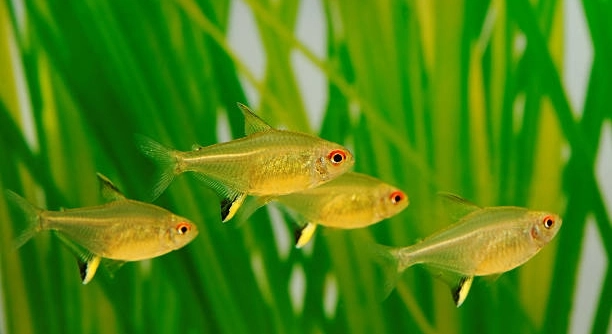
Do your lemon tetras often disappear behind the filter, leaving you wondering where they went in the tank? These small, bright fish can be shy and cautious, often retreating to quiet corners of their environment.
Lemon tetras hide behind the filter primarily due to stress, environmental changes, or perceived threats. Factors such as water quality, tankmates, inadequate shelter, or sudden disturbances can trigger this behavior, prompting the fish to seek refuge in safer areas.
Understanding these behaviors can help you create a calmer, more secure tank. We will explore practical reasons and solutions for this common hiding habit.
Water Flow Stress
Lemon tetras can be sensitive to strong water currents, which often come from filters or pumps. When the water flow is too forceful, these small fish struggle to swim comfortably, leading them to hide behind the filter for protection. In nature, they are used to calmer waters, and excessive movement can make them feel exposed. Observing their behavior, you may notice they stick close to the tank’s corners or behind decorations to avoid direct currents. Adjusting the flow or redirecting it with plants or rocks can make a noticeable difference. Even small modifications, like angling the filter output or adding floating plants, can create calmer zones for your fish. Maintaining consistent water conditions, including temperature and flow, reduces stress and encourages more active swimming. Lemon tetras also respond well to gradual changes; sudden adjustments in water movement can startle them. Regular observation is key to understanding when they are uncomfortable and need safer areas in the tank.
Strong water flow can make lemon tetras feel unsafe, often prompting them to seek shelter behind the filter.
Providing areas with minimal current ensures they have space to rest safely while still swimming around the tank. Proper flow management supports healthy behavior, reducing stress and promoting better interaction with the environment. By adding hiding spots and controlling water movement, your tetras will feel secure and less likely to retreat constantly. Over time, they may explore more of the tank, showing vibrant colors and active behavior. Filters should balance cleanliness with comfort, as high flow is not always necessary. Observing how fish respond to water movement can guide adjustments and prevent repeated hiding. Even small changes in plant placement, decorations, or filter direction can improve overall well-being. Lemon tetras are adaptable but benefit greatly from thoughtful tank design. Recognizing their comfort zones and providing safe spaces helps maintain both their physical health and natural behavior patterns. These steps reduce stress and support long-term happiness in their aquatic environment.
Tank Mates Influence
Aggressive or overly active tank mates can push lemon tetras to hide behind the filter.
Lemon tetras instinctively avoid confrontation, preferring safe spaces where they are less likely to be chased or bullied.
In community tanks, larger or more boisterous fish may unintentionally intimidate lemon tetras. Even non-aggressive species can cause stress if they are constantly near or competing for food. When tetras feel threatened, hiding becomes a survival strategy. Creating a balanced tank with compatible species reduces the need for constant retreat. Adding plants, rocks, or other decorations can provide visual barriers, giving tetras confidence to swim more freely. Monitoring interactions between species helps identify sources of stress. Separating highly active or aggressive fish, or choosing calmer tank mates, can improve the tetras’ behavior. Even subtle adjustments, like spacing feeding areas, ensure lemon tetras feel safe during meals. Over time, a carefully structured tank encourages them to explore more, display natural swimming patterns, and interact comfortably with other fish without retreating excessively.
Lack of Hiding Spots
Lemon tetras hide when the tank lacks sufficient cover. Plants, rocks, and decorations provide security, allowing them to feel protected while still swimming. Without these, they retreat behind the filter as a default safe space, avoiding open areas where they feel vulnerable.
Providing dense planting or small structures helps reduce stress. Lemon tetras are small and delicate, so they need spaces to rest and feel shielded. Live or artificial plants, driftwood, and decorative caves create zones where they can retreat without being isolated completely. Observing which spots they prefer can guide future tank arrangements. Regularly rearranging plants or adding new elements encourages exploration and reduces constant hiding. Overcrowding or empty areas increase anxiety, making them rely heavily on the filter for safety. Ensuring multiple hiding spots promotes healthier, more active behavior.
Even simple additions, like a cluster of plants near the filter, give lemon tetras the confidence to explore other areas. Thoughtful placement of décor prevents over-reliance on one hiding spot and keeps them more active throughout the tank. Monitoring their preferences helps maintain a stress-free environment, promoting natural behavior and reducing constant retreat.
Water Quality Concerns
Poor water conditions often cause lemon tetras to hide behind the filter to escape discomfort. Ammonia spikes, nitrite, or high nitrate levels make the tank unsafe, triggering retreat behaviors.
Maintaining clean, stable water is critical for lemon tetras’ health. Regular testing ensures proper levels of ammonia, nitrites, and nitrates. Sudden fluctuations in temperature or pH can also stress fish, leading them to seek shelter. Consistent partial water changes remove toxins and replenish minerals, keeping the environment stable. Lemon tetras are sensitive to chemical imbalances, so avoiding overfeeding helps prevent waste buildup, which can degrade water quality. Filtration alone is not enough if maintenance is irregular, as toxins accumulate quickly in small tanks. Observing behavior in relation to water tests helps identify problems before they affect long-term health. Even small improvements, such as gentle aeration or adding beneficial bacteria, can enhance comfort and reduce hiding tendencies.
A properly maintained tank encourages lemon tetras to swim freely and explore more of their surroundings. Attention to water chemistry and regular cleaning keeps them healthy, active, and less reliant on the filter for safety.
Sudden Movements
Lemon tetras react quickly to sudden movements outside the tank, often darting behind the filter. Quick hand motions or loud sounds can startle them, making the area behind the filter feel safest.
Even shadows or reflections on the glass can cause retreat behavior. They are naturally cautious and prioritize safety over exposure, using the filter area as a refuge when startled.
Lighting Stress
Bright or inconsistent lighting can make lemon tetras uncomfortable. Excessive light exposure stresses them, prompting hiding behavior. They prefer dimmer areas or places where shadows create security. Proper lighting schedules and gentle transitions reduce stress, helping them feel safe and more willing to explore the tank.
New Environment Adjustment
When first introduced to a tank, lemon tetras often hide behind the filter. Adjusting to a new environment takes time, and the filter provides a familiar, secure point while they assess surroundings. Gradual acclimation and stable conditions help reduce prolonged hiding.
Why do my lemon tetras hide behind the filter constantly?
Lemon tetras often retreat behind the filter when they feel stressed, threatened, or unsafe. Stress can come from aggressive tank mates, strong water currents, poor water quality, or a lack of hiding spaces. The filter area provides a secure spot where they can avoid perceived danger and rest without being disturbed.
Is it normal for lemon tetras to hide for long periods?
Yes, it can be normal, especially when they are adjusting to a new tank or recovering from stress. Extended hiding may indicate environmental discomfort, such as high light intensity, sudden temperature changes, or strong water flow. Regular monitoring helps identify the underlying cause. Providing plants, decorations, or quiet areas encourages them to venture out gradually.
Can water quality cause hiding behavior?
Absolutely. Poor water conditions, including high ammonia, nitrite, or nitrate levels, can stress lemon tetras. Sudden pH shifts or temperature fluctuations also trigger retreat behavior. Maintaining clean water with regular testing and partial water changes ensures the tank is safe. Filtration alone is not enough; consistent maintenance is key to keeping tetras comfortable.
Do tank mates influence hiding behavior?
Yes, tank mates can affect how lemon tetras behave. Larger, aggressive, or overly active fish may intimidate tetras, prompting them to hide behind the filter. Even non-aggressive fish that compete for food or swim constantly near them can create stress. Choosing calm, compatible tank mates reduces hiding tendencies and encourages natural exploration.
Does lighting affect their behavior?
Bright or inconsistent lighting can make lemon tetras uncomfortable. Too much light exposes them and increases stress, which leads them to retreat behind the filter. Providing shaded areas with floating plants or arranging decorations to create dim zones can help them feel secure while still swimming in the tank.
How can I encourage them to come out?
Start by ensuring the environment feels safe. Reduce strong water flow, provide plenty of hiding spots, and monitor tank mate interactions. Gradually adjusting light intensity and maintaining stable water parameters encourages tetras to explore. Avoid sudden movements outside the tank, as even small disturbances can make them retreat.
Is hiding a sign of illness?
Hiding alone is not always a sign of illness, but prolonged or unusual behavior may indicate health issues. Watch for signs like loss of appetite, faded color, clamped fins, or erratic swimming. Illness, parasites, or internal stressors often lead to extended retreating behaviors. Regular observation and water maintenance help prevent health problems.
Do lemon tetras hide more when first introduced to a tank?
Yes, new lemon tetras often stay behind the filter when first placed in a tank. They need time to acclimate and assess their surroundings. Providing plenty of plants, decorations, and quiet zones allows them to gradually gain confidence, explore the tank, and interact more comfortably over time.
Can rearranging the tank reduce hiding?
Strategic rearrangement of plants, rocks, or decorations can provide more secure zones, helping tetras feel safer. Even moving a few plants to create visual barriers or calm areas reduces their reliance on the filter. Observing where they prefer to hide guides effective placement to encourage active swimming.
How important is water flow for reducing hiding?
Water flow directly affects comfort. Strong currents can make lemon tetras feel unsafe, while gentle flow encourages exploration. Using a sponge filter, redirecting the output, or adding plants to break the current creates calmer zones. Proper flow management balances tank cleanliness with the fish’s need for safety.
Do tetras eventually stop hiding behind the filter?
With proper care, most lemon tetras will explore the tank more freely over time. Stable water conditions, appropriate tank mates, hiding spots, and gentle lighting all help reduce hiding behavior. Gradual environmental adjustments and patient observation are essential for building confidence and encouraging natural swimming patterns.
Can feeding times influence hiding?
Yes, feeding can impact their behavior. If food is scattered in areas away from the filter, tetras may venture out more. Conversely, aggressive feeders or competition near the filter can make them retreat. Offering small portions and spreading food throughout the tank encourages balanced feeding and reduces stress-related hiding.
Are some lemon tetras naturally more shy?
Individual temperament plays a role. Some tetras are naturally more cautious or skittish, preferring to stay behind safe areas. Recognizing these personality differences helps manage expectations and adjust the tank environment accordingly, ensuring even shy fish can live comfortably and safely.
Does temperature variation affect their behavior?
Yes, lemon tetras are sensitive to temperature changes. Sudden shifts or temperatures outside their preferred range cause stress, often leading to retreat behind the filter. Maintaining a stable, appropriate temperature with a reliable heater ensures comfort and encourages more active, confident behavior.
Can decorations reduce hiding behavior?
Decorations create security and visual barriers. Caves, plants, and driftwood provide safe zones and reduce reliance on the filter. Arranging these thoughtfully allows tetras to explore while maintaining areas of refuge. Frequent observation helps adjust placement to match their comfort and activity levels.
Is hiding always negative behavior?
Not necessarily. Hiding is a natural, protective behavior that helps lemon tetras cope with stress and potential threats. Occasional retreating is normal, especially in new or busy environments. The goal is to provide safety while promoting active swimming and interaction without excessive or prolonged hiding.
How can I balance tank visibility and comfort?
Creating secure zones without isolating tetras completely is essential. Use plants, rocks, and gentle lighting to provide comfort while leaving open swimming areas. Balanced tank design reduces hiding, encourages exploration, and maintains natural behavior, supporting overall health and well-being.
Do lemon tetras communicate stress through hiding?
Hiding communicates discomfort or fear. Observing their patterns, preferred spots, and interactions helps identify stressors in the tank. Adjusting water quality, flow, lighting, or tank mates based on these observations ensures a safe, healthy environment that minimizes stress and encourages confident behavior.
Final Thoughts
Lemon tetras are small, delicate fish that often display shy or cautious behavior. Hiding behind the filter is a common response to environmental stressors, sudden changes, or perceived threats. Understanding why they retreat is essential for creating a comfortable tank environment. Their behavior is not necessarily negative; it is a natural way to cope with stress or uncertainty. By observing their habits and adjusting the tank to meet their needs, owners can help them feel safer and more confident. Consistent care and attention to their environment are key factors in encouraging healthy behavior and reducing prolonged hiding.
A few key aspects influence lemon tetras’ tendency to hide. Water quality is one of the most critical elements, as unstable or poor water conditions cause stress that can make fish retreat to safe areas. Flow strength, lighting, and tankmate behavior also play important roles. Strong currents, excessive bright light, or aggressive tankmates can prompt retreating behavior. Providing hiding spots, such as plants, rocks, and decorations, helps balance the tank environment, giving tetras options to feel safe while still allowing for exploration. Gradual adjustments, rather than sudden changes, support confidence and reduce stress. Patience is required when introducing lemon tetras to new conditions, as they need time to acclimate and feel secure.
Finally, maintaining a stable and thoughtful tank setup is the most effective way to support lemon tetras’ well-being. Regular water testing, careful selection of tankmates, proper decoration placement, and moderate lighting all contribute to a stress-free environment. Attention to their specific needs helps reduce hiding behavior, encouraging natural swimming and active engagement with the tank. Monitoring behavior and making incremental improvements ensures that these small fish remain healthy, comfortable, and vibrant. By taking these steps, the tank becomes a safe space where lemon tetras can thrive without relying solely on hiding behind the filter for security.

Hello,
If you enjoy the content that we create, please consider saying a "Thank You!" by leaving a tip.
Every little bit helps us continue crafting quality advice that supports the health, happiness, and well-being of pets around the world, for pets of all shapes, sizes, and species.
We really appreciate the kindness and support that you show us!