
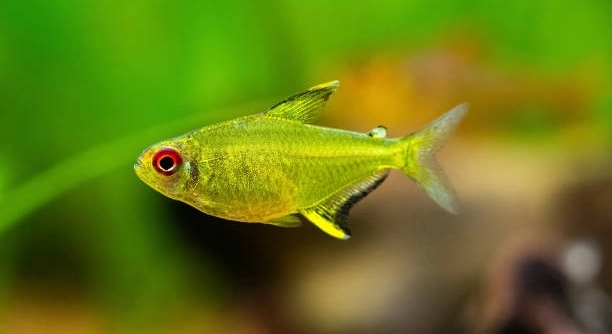
Are your lemon tetras constantly chasing each other around the tank, leaving you concerned about their behavior and well-being? Observing their interactions can be surprising, especially when their movements seem frantic or aggressive at first glance.
Lemon tetras chase each other primarily due to social hierarchy and territorial behavior. Establishing dominance within the group helps maintain order, while occasional chasing supports natural schooling instincts and ensures healthy interaction among tank mates.
Understanding these behaviors can help you maintain a peaceful aquarium environment and ensure your lemon tetras thrive in their shared space.
Understanding Lemon Tetra Behavior
Lemon tetras are small, lively fish that naturally form tight schools. Their chasing behavior is often linked to establishing pecking order within the group. Younger or new fish may be chased more frequently until they fit into the social structure. This behavior is usually not harmful but can appear aggressive if you are unfamiliar with it. Environmental factors also play a role; tanks that are too small or lack hiding spaces can increase tension and cause more frequent chasing. Observing how your fish interact can help identify patterns. For example, some tetras may chase others only during feeding times or near preferred swimming areas. Over time, most groups find a balance, and the chasing becomes less frequent. Providing plants, decorations, and open swimming space helps reduce stress. Water quality also impacts behavior—stress from poor conditions can make tetras more prone to chasing each other.
Chasing is often normal and shows their social structure in action, not necessarily aggression.
Monitoring tank conditions and observing interactions allows you to ensure harmony and reduce unnecessary stress among your lemon tetras. Consistent care, proper tank size, and thoughtful placement of decorations support calmer group dynamics while maintaining their natural schooling behavior.
Reducing Excessive Chasing
Providing adequate space and hiding spots can reduce chasing among lemon tetras.
When chasing seems excessive, tank adjustments are essential. A larger tank gives tetras room to swim freely and reduces territorial tension. Adding plants, driftwood, or small decorations creates natural barriers that allow shy fish to escape more easily. Ensuring the tank has a consistent temperature and clean water also keeps stress levels low. Overcrowding is a common trigger; keeping fewer tetras than the tank can comfortably hold prevents constant pursuit. Observing feeding patterns helps as well—feeding in multiple areas prevents competition for food. Sometimes, pairing the fish with compatible tank mates can diffuse tension and create a balanced environment. Introducing new tetras gradually allows the school to adapt slowly, minimizing chasing incidents. Paying attention to these factors ensures the group maintains natural social behavior without endangering individual fish. Adjustments like these support both physical health and mental well-being.
Common Triggers of Chasing
Overcrowding, lack of hiding spaces, and feeding competition are common triggers of chasing in lemon tetras. Stress from poor water quality can also increase aggressive interactions.
Lemon tetras are sensitive to their environment. A tank that is too small or lacks plants and decorations can make them feel exposed. They may chase each other to assert dominance or secure preferred swimming areas. Feeding in a single spot can cause rapid movement and competition, escalating chasing behavior. Monitoring water parameters like temperature, pH, and ammonia levels is crucial. Poor conditions make tetras more irritable and prone to stress. Creating a balanced environment helps minimize unnecessary chasing while allowing natural social behavior.
Introducing new fish without preparation can also trigger excessive chasing. Gradual acclimation and maintaining a well-structured tank reduce stress. Observing patterns helps determine triggers and allows for strategic adjustments to keep the school calm. Proper space, hiding spots, and consistent feeding routines support healthy interactions and prevent long-term stress-related behavior problems.
Tank Setup for Peaceful Interaction
Proper tank setup can significantly reduce chasing among lemon tetras. Plants, decorations, and open swimming areas all contribute to calmer behavior.
A well-structured tank provides both security and freedom for lemon tetras. Dense plant clusters and driftwood create natural hiding spots where timid fish can retreat, while open areas allow active swimmers to exercise without constant interference. Positioning decorations strategically breaks lines of sight, reducing territorial disputes and chasing incidents. Regular maintenance ensures water quality remains stable, which is essential to prevent stress-related aggression. Lighting should be balanced—not too bright—to avoid startling the fish. Multiple feeding zones prevent competition and allow all tetras to eat comfortably. Observing how fish use the space helps fine-tune the layout, creating a tank that supports natural schooling behavior while minimizing conflicts and excessive chasing.
Observing Social Hierarchy
Chasing is often a way for lemon tetras to establish social hierarchy within the school. Dominant fish may pursue others to maintain order and secure preferred areas in the tank.
Younger or new tetras are usually chased more until they find their place. Observing interactions helps identify which fish are dominant and which are more submissive. This behavior is natural and typically balances over time without intervention.
Feeding and Chasing
Competition for food can trigger short bursts of chasing among lemon tetras. Feeding in multiple locations helps reduce tension and ensures all fish get their share.
Signs of Stress
Excessive chasing combined with hiding, clamped fins, or loss of appetite indicates stress. Addressing tank conditions promptly can prevent long-term health issues.
FAQ
Why are my lemon tetras chasing each other so much?
Chasing is a natural part of their social behavior. It usually occurs when fish are establishing hierarchy, competing for food, or claiming swimming space. Younger or new fish may be chased more frequently until they integrate into the school. Observing patterns helps determine if the behavior is normal or excessive.
Is chasing always a sign of aggression?
Not necessarily. Short bursts of chasing are normal in lemon tetras and often help maintain order within the group. Aggression becomes a concern if it leads to injury, prolonged hiding, clamped fins, or loss of appetite. Monitoring behavior is key to identifying problems.
How can I reduce chasing in my tank?
Providing a well-structured tank helps significantly. Include plants, decorations, and open swimming areas to give fish space and hiding spots. Feeding in multiple locations prevents competition, and maintaining stable water quality reduces stress. Overcrowding should also be avoided to minimize tension.
Can adding more tetras help reduce chasing?
Yes, sometimes adding more fish of similar size can disperse aggression and balance the social structure. A larger group allows dominant fish to share leadership roles, which can lower constant chasing of a single fish. Introduce new fish gradually to prevent stress.
Does tank size affect chasing behavior?
Absolutely. Small tanks restrict movement and can increase territorial disputes. Lemon tetras need enough space to swim freely. A crowded tank forces interactions and triggers chasing. A larger tank with hiding spots encourages natural schooling behavior while reducing tension.
How important is water quality in preventing chasing?
Water quality directly affects behavior. Poor conditions increase stress and irritability, which can lead to more frequent chasing. Monitor ammonia, nitrite, nitrate levels, and maintain stable temperature and pH. Regular water changes and filtration help keep fish calm and healthy.
Should I separate aggressive tetras?
Only if chasing becomes harmful or persistent. Short bursts are normal, but if a fish is constantly harassed, it may need temporary separation until the group balances. Ensure the tank provides hiding spots before considering permanent removal.
Do lemon tetras chase more during feeding?
Yes, competition for food can trigger brief chasing. Feeding in multiple areas, spreading flakes or pellets, and using sinking foods helps reduce disputes. Ensuring all fish have access to food lowers stress and promotes peaceful interactions.
Can decorations and plants really make a difference?
Yes, they break lines of sight, create hiding spaces, and reduce territorial disputes. Dense plants, driftwood, or rock structures allow shy fish to escape and give dominant fish defined areas. A well-planned layout supports calmer, more balanced schooling behavior.
Will chasing stop as the fish settle in?
In most cases, yes. Once a social hierarchy is established, chasing usually becomes less frequent. Observing interactions over time shows patterns of normal behavior versus stress-related aggression. Patience and proper tank management are key to long-term harmony.
How do I know if chasing is harming my fish?
Look for physical injuries, torn fins, constant hiding, or changes in appetite. Persistent harassment can lead to stress, weakened immunity, and increased susceptibility to disease. Intervene if any signs of harm appear, either by adjusting the tank or temporarily separating the fish.
Are there specific times when chasing is more common?
Chasing often occurs during feeding, when new fish are introduced, or when the tank layout changes. Stressful conditions, such as fluctuating water temperature or overcrowding, can also increase activity. Consistent monitoring helps manage these periods effectively.
Can compatible tank mates reduce chasing?
Yes, peaceful species that school well with lemon tetras can help balance social behavior. Avoid aggressive or overly large fish, which can increase tension. Choosing compatible species and monitoring interactions supports a calm and cohesive tank environment.
How can I observe chasing without stressing the fish?
Watch quietly from a distance without tapping the glass or suddenly moving near the tank. Observing patterns over several days provides insight into normal versus excessive behavior. Recording notes or short videos can help track changes over time.
What is the best way to introduce new tetras to a tank?
Acclimate them slowly using a drip method or floating bag technique to stabilize temperature and water chemistry. Introduce one or two at a time to prevent sudden disruption of the social hierarchy. Provide hiding spots to reduce initial stress.
Does lighting affect chasing behavior?
Yes, overly bright lighting can startle fish and increase movement, triggering chasing. Balanced lighting that mimics natural day-night cycles helps fish feel secure and reduces stress-induced aggression. Dim areas or plants can offer refuge when needed.
Can diet influence chasing behavior?
Feeding a balanced diet in sufficient quantities helps reduce competition and aggression. High-protein or limited food can trigger chasing as fish compete for resources. Offering small, frequent meals or feeding in multiple spots encourages peaceful interactions.
How long does it take for chasing to settle down?
It varies, but generally a few days to a couple of weeks after adjusting tank conditions or introducing new fish. Patience is important, as fish need time to establish hierarchy and adapt to their environment.
Is it normal for chasing to increase temporarily?
Yes, temporary increases often occur during stress, feeding, or when the social structure changes. These spikes are usually short-lived, and behavior normalizes once fish settle and feel secure in their environment.
What should I do if chasing continues despite all adjustments?
Reevaluate tank size, layout, stocking density, and water quality. Consider consulting with an experienced aquarist or veterinarian for persistent issues. Temporary separation of the most stressed fish may be necessary until the group reaches balance.
How can I tell the difference between play chasing and aggressive chasing?
Play chasing is quick, intermittent, and usually ends without injury. Aggressive chasing is prolonged, targets specific fish repeatedly, and may cause physical harm. Observing body language, fin position, and hiding behavior helps differentiate between the two.
Do lemon tetras ever chase for mating purposes?
Yes, chasing can be part of courtship behavior. Males may pursue females to display dominance or encourage spawning. This is usually brief and less intense than dominance-related chasing, and it occurs more often during breeding periods.
Can seasonal changes affect chasing behavior?
Fluctuations in temperature, light cycles, or water conditions can stress fish and increase chasing. Maintaining consistent environmental conditions minimizes seasonal stress, helping tetras maintain calm and stable social interactions.
Are there signs that chasing behavior is improving?
Yes, fish will spread out more, chase less frequently, and show fewer signs of stress like hiding or clamped fins. Feeding becomes calmer, and interactions feel balanced as the social hierarchy stabilizes.
How important is patience when managing chasing?
Patience is crucial. Social dynamics take time to settle, and excessive interference can worsen stress. Consistent care, observation, and small adjustments create a stable environment where chasing becomes a normal part of schooling behavior without causing harm.
Lemon tetras are small, active fish that naturally interact with one another through chasing. This behavior is a normal part of their social structure and helps establish hierarchy within the school. Observing your tetras chasing each other can feel concerning at first, but in most cases, it is harmless. Young or new fish may experience more chasing until they adjust to the group and find their place in the social order. Over time, most schools of lemon tetras balance themselves, and the intensity of chasing decreases naturally. It is important to understand that chasing is not always a sign of aggression or poor care. It is part of their instinctive behavior and helps them maintain order and cohesion as a group.
Maintaining a well-structured tank is key to reducing excessive chasing. Adequate space allows tetras to swim freely without feeling restricted or cornered, which lowers tension. Plants, decorations, and hiding spots provide security for shy or new fish, giving them places to retreat when needed. Feeding in multiple locations and providing a balanced diet prevents competition for food, which is often a trigger for chasing. Regular monitoring of water quality is equally important, as poor conditions can increase stress and irritability. Stable temperature, pH, and low levels of ammonia or nitrites create an environment where tetras feel safe and secure. Overcrowding should always be avoided, as it can lead to constant chasing and stress-related health problems. Paying attention to these factors ensures that your fish are not only active but also comfortable in their environment.
Understanding the natural behavior of lemon tetras allows you to manage your tank more effectively. Observing patterns of chasing, such as when it happens during feeding, introductions of new fish, or changes in the tank layout, helps identify triggers and make small adjustments. Temporary increases in chasing are normal, especially when social hierarchies are being established, but prolonged or harmful behavior requires intervention. Adjusting the tank setup, providing hiding spaces, and ensuring balanced group dynamics are all effective ways to reduce stress and encourage peaceful schooling. With patience and careful observation, chasing will generally settle into a predictable and manageable pattern. Focusing on the well-being of your tetras, including proper tank conditions, consistent care, and thoughtful introduction of new fish, ensures that your aquarium remains a calm and healthy environment where lemon tetras can thrive and display their natural, lively behavior without causing harm to one another.

Hello,
If you enjoy the content that we create, please consider saying a "Thank You!" by leaving a tip.
Every little bit helps us continue crafting quality advice that supports the health, happiness, and well-being of pets around the world, for pets of all shapes, sizes, and species.
We really appreciate the kindness and support that you show us!