
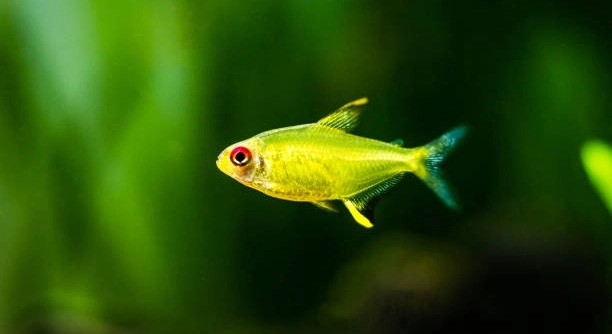
Lemon tetras are small, vibrant fish that brighten any aquarium. Their playful movements and shimmering yellow hue make them a joy to watch as they swim together gracefully. Observing their behavior reveals more than just beauty.
Trust in lemon tetras is shown through consistent interaction and comfort in their environment. Signs such as following your movements, accepting hand presence, and remaining calm indicate a developed bond between fish and caretaker, reflecting familiarity and security.
Recognizing these subtle behaviors can help you strengthen your connection and ensure your lemon tetras feel safe and confident in their home.
Following You Around the Tank
Lemon tetras often follow your movements outside the aquarium. They swim close to the glass and adjust their position as you move. This behavior shows they recognize you and feel comfortable in your presence. Watching them glide alongside your hand can be surprisingly satisfying. It also reflects the trust they have built. Fish are naturally cautious, so this behavior is not casual. It requires repeated positive interactions, gentle feeding, and a safe environment. When they swim near you without signs of stress, it’s a clear indication they see you as non-threatening. Their small size and delicate nature make this behavior even more meaningful. Over time, this responsiveness may increase, and you will notice patterns in their following movements. They may respond faster or seem more confident approaching certain areas. Such consistent behavior demonstrates that your care and patience have been recognized.
This following behavior is a clear signal of recognition and comfort with your presence in the tank.
Repeated observations reveal that lemon tetras may also respond to subtle cues like tapping lightly on the tank or approaching specific spots when they expect feeding. Their movements can indicate mood, readiness to eat, or willingness to interact with you. Understanding these cues helps maintain a trusting environment and keeps their stress levels low. It also allows you to predict their behavior and provide a more stable and enriching home. Consistency is key, as sudden changes in lighting, temperature, or tank layout can make them hesitant. Gradually, the fish learn patterns and routines, further strengthening the bond. This attentiveness makes it easier to monitor their health, detect early signs of illness, and respond to any changes. A confident, responsive tetra is a sign that your care methods are effective and that your tank is a safe habitat.
Accepting Your Hand in the Tank
When lemon tetras swim close to or around your hand, it reflects comfort and trust. They are not naturally drawn to human touch without familiarity.
Allowing your hand to be near them without causing stress shows a strong bond. Repeated gentle exposure helps them associate your presence with safety, creating a calm, predictable interaction.
Gradually, you might notice them brushing against the glass where your hand rests or hovering nearby during feeding times. This acceptance comes from consistent, patient interaction. Over weeks, they may even anticipate hand movements as signals for feeding. Trust builds slowly, and observing these subtle interactions strengthens the connection. It also teaches you their preferences, moods, and temperament. Being mindful of sudden movements or tapping ensures they remain relaxed. This ongoing positive reinforcement enhances their sense of security. Through consistent gentle handling and attentiveness, your lemon tetras will increasingly view your presence as non-threatening. This bond improves their overall well-being and helps create a peaceful tank environment.
Bright, Relaxed Colors
Bright, vibrant colors in lemon tetras often indicate comfort and trust. When they feel safe, their yellow hues shine clearly, and their fins spread naturally without signs of stress or fading.
A tetra that is comfortable in its environment will display its full, natural coloration consistently. Stress, illness, or fear often dull their colors or cause hiding. Observing a bright, active fish shows it feels secure. Trust develops gradually, and color is one of the clearest indicators. Maintaining stable water conditions, proper diet, and gentle handling all contribute to this display. Their confidence allows them to explore the tank fully without hesitation, swimming near decorations and other fish without signs of distress. Bright colors reflect both health and comfort with your presence.
These vivid colors are not only beautiful but also a reliable signal that your lemon tetras feel safe and connected to their surroundings.
Swimming Near You During Feeding
Lemon tetras approaching your hand or the feeding area shows they associate you with safety and nourishment.
When feeding, they may swim closer to anticipate food, without darting away in fear. This behavior reflects trust and recognition, as they link your presence to a positive experience rather than a threat.
Regular, calm feeding routines reinforce this trust. Over time, fish may adjust their position to get closer, following your movements during feeding. They may even compete gently for attention or hover near the hand, signaling confidence and comfort. Consistent interactions and careful observation help them associate you with safety and predictable care. This behavior also indicates that they recognize you as part of their environment, integrating your presence into their daily activities without stress. A tetra that confidently feeds near your hand demonstrates a strong bond formed through patience and attentive care.
Minimal Hiding
Lemon tetras that trust you spend less time hiding. They explore open areas of the tank without hesitation, showing comfort with their environment and your presence.
Frequent exposure to a calm, predictable routine reduces stress. These fish appear confident, swimming freely rather than retreating to corners or behind decorations.
Approaching Other Fish Near You
Trusting tetras often interact openly with other fish while you are nearby. Their calm behavior indicates they feel safe in your presence.
They may swim close to tank mates or hover in shared spaces without showing aggression or fear. This shows confidence and recognition that your presence is non-threatening.
Responding to Tank Maintenance
Lemon tetras that remain calm during water changes or cleaning demonstrate trust. They do not dart away or panic when you move around the tank.
This behavior reflects familiarity with your handling and the environment. Over time, consistent care helps them stay relaxed during routine maintenance, showing their comfort.
How can I tell if my lemon tetra really trusts me?
A lemon tetra that trusts you will show several clear behaviors. They swim close to your hand or follow your movements outside the tank. Their colors remain bright and vibrant, indicating comfort and low stress. They explore open areas without hiding, approach other fish confidently while you are nearby, and respond calmly during feeding or tank maintenance. These behaviors develop gradually through consistent care, gentle handling, and a stable environment. Observing their reactions over time will help you understand their level of trust and comfort.
Why does my lemon tetra follow me around the tank?
Following your movements shows recognition and comfort. Lemon tetras are naturally cautious, so swimming near you reflects trust. They may adjust their position to stay close when you approach or move along the glass to mirror your actions. This behavior is strengthened by positive experiences, such as feeding, minimal stress, and consistent interaction. It also allows them to anticipate feeding times or observe the environment safely. When they follow you regularly, it indicates a secure bond has formed, showing they view your presence as non-threatening.
What does it mean when they swim near my hand during feeding?
Swimming close to your hand shows the fish associate you with safety and food. They do not panic or dart away but hover or swim gently near the hand, demonstrating confidence. Gradually, they may even respond to your movements as signals for feeding. This behavior reflects both recognition and comfort, as well as their understanding of the routine you provide. Maintaining calm, predictable feeding times strengthens this connection, helping them feel secure and connected to their caretaker.
Why are my lemon tetras so colorful lately?
Bright colors in lemon tetras are a sign of comfort, health, and trust. When they feel safe in their environment, their natural yellow hues and fin displays become more vivid. Stress, illness, or fear can dull their colors or make them hide. Consistent water quality, a proper diet, and gentle interactions encourage confident behavior and strong coloration. Observing bright colors regularly shows they are comfortable in the tank and with your presence, making it a simple but reliable indicator of trust.
How do I know they are not hiding out of fear?
Lemon tetras that trust you spend less time hiding and explore open areas freely. They do not dart to corners or behind decorations at every movement. Minimal hiding indicates comfort and confidence. Regular, calm interaction, consistent tank conditions, and predictable routines reduce stress and help them feel secure, allowing for relaxed swimming and confident exploration.
What should I do if my tetras seem hesitant around me?
If they remain cautious, start with gentle exposure and slow interactions. Avoid sudden movements or tapping on the glass, and maintain a predictable routine. Feeding at regular times helps build positive associations. Over time, your patience and consistency will encourage them to explore more openly and gradually trust your presence.
Can they recognize me compared to other people?
Yes, lemon tetras can learn to recognize consistent caretakers. They respond to familiar movements, hand positions, and feeding routines. While they may remain cautious around strangers, they often show comfort by approaching or swimming near you, indicating trust has been established through repeated, gentle interaction.
Is it normal for some tetras to be more trusting than others?
Yes, individual personalities affect behavior. Some tetras are naturally bolder, while others are more cautious. Consistent care, gentle handling, and a stable environment help all fish feel safe, but some may take longer to show clear signs of trust. Patience is key for developing bonds with every fish.
How can I strengthen trust with my lemon tetras?
Maintain consistent feeding schedules, provide a stable and clean environment, and interact calmly. Avoid sudden movements and allow them to explore freely. Repeated positive experiences, such as approaching during feeding or gentle tank maintenance, encourage confidence and recognition. Over time, these actions reinforce their sense of safety and trust.
What other signs show my lemon tetra feels safe?
In addition to following, approaching your hand, and showing bright colors, relaxed fin movements, calm swimming, and social interactions with other fish indicate comfort. Responding calmly during water changes and remaining visible in open areas are further signs they trust and feel secure in their environment.
This FAQ provides a clear guide to observing and understanding your lemon tetra’s behavior, helping you strengthen the bond and ensure their comfort and well-being.
Lemon tetras are small, delicate fish, but their behavior can tell us a lot about how they feel. Trust is not something that happens immediately; it develops gradually over time with consistent care, attention, and patience. Observing their movements, interactions, and colors gives clear insight into their level of comfort with you and their environment. When they follow your movements, approach your hand during feeding, and swim confidently in open areas, it shows they feel secure. These behaviors reflect more than just routine reactions—they indicate a connection formed through repeated positive experiences. Maintaining a calm environment and avoiding sudden disruptions helps reinforce this sense of safety, allowing your tetras to show their true personalities without stress. Over time, this bond can make caring for them much more rewarding, as you are able to understand their needs and moods more clearly.
Trust is also reflected in the physical appearance of lemon tetras. Bright, vivid colors and relaxed fin movements are indicators that your fish are comfortable and healthy. When a tetra hides constantly or appears dull, it is often a sign of stress, fear, or illness. Creating a stable tank environment with proper water conditions, a balanced diet, and gentle handling encourages natural behavior and healthy coloration. Trust builds slowly, and each small sign—whether it is following you around the tank, approaching during feeding, or swimming confidently among tank mates—is important to recognize. These indicators are not just visual cues; they reflect the fish’s sense of safety and comfort. Consistently providing positive experiences strengthens the bond and ensures your lemon tetras remain happy and relaxed, which ultimately supports their overall health. Observing and responding appropriately to their behavior allows you to maintain a peaceful tank and build a deeper understanding of your fish.
Developing trust with lemon tetras requires patience and consistency, but it creates a rewarding dynamic in your aquarium. Gentle interaction, predictable routines, and a stable environment make your tetras feel secure enough to display their natural behaviors. This trust affects their confidence, feeding habits, and social interactions within the tank. It also allows you to notice subtle changes in behavior or health, giving you the ability to respond quickly if issues arise. Recognizing and nurturing these small signs of trust can make caring for your lemon tetras more enjoyable and fulfilling. Over time, these behaviors—following you around, approaching during feeding, staying visible, and displaying bright colors—become reliable indicators of a strong, trusting bond. With patience and attention, your lemon tetras will not only thrive but also demonstrate a genuine comfort with your presence, making the aquarium experience more engaging and meaningful for both you and your fish.

Hello,
If you enjoy the content that we create, please consider saying a "Thank You!" by leaving a tip.
Every little bit helps us continue crafting quality advice that supports the health, happiness, and well-being of pets around the world, for pets of all shapes, sizes, and species.
We really appreciate the kindness and support that you show us!