
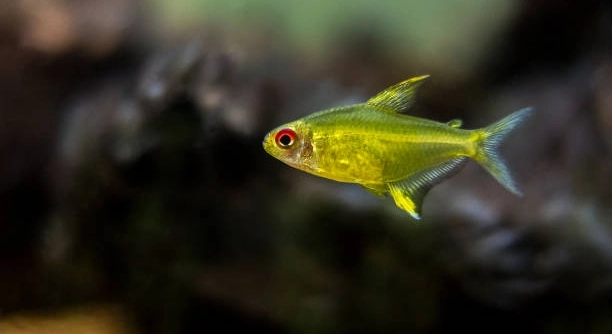
Shy Lemon Tetras can be a challenge to observe in a home aquarium. They often hide among plants or decorations, making it difficult to enjoy their natural colors and lively movements in the tank.
Helping a shy Lemon Tetra become more confident involves creating a stable environment, minimizing sudden disturbances, and encouraging gradual interaction. Consistent feeding routines and gentle observation support the fish’s comfort, promoting increased activity and natural behavior over time.
Small adjustments in their environment and daily care can make a noticeable difference in their behavior. Observing these changes can be both rewarding and informative.
Understanding Your Lemon Tetra’s Behavior
Shy Lemon Tetras are naturally cautious, often retreating when they feel threatened or unsettled. Observing their habits closely can reveal what makes them nervous. Factors like sudden movements near the tank, strong lighting, or changes in water quality can all cause stress. Providing dense plants, hiding spots, and decorations allows them to feel secure and gradually explore their surroundings. Keeping their environment consistent is key; they respond well to routine feeding and calm interaction. Over time, even the shyest tetras can become more active when they know the tank is safe. Watching their subtle behaviors, like flicks of the tail or hovering near plants, can help you gauge comfort levels and adjust their environment. Small adjustments, like dimming lights or adding floating plants, can make a significant difference. Understanding these details gives you the tools to encourage confidence without forcing interaction, letting the fish come out naturally.
Regular observation helps maintain a calm, safe environment for your tetras to thrive.
Consistency in care reduces stress, improving their overall health and encouraging them to explore more actively in the tank.
Encouraging Interaction and Confidence
Start by placing the tank in a low-traffic area where sudden disturbances are minimal.
Gradual interaction is essential for building confidence in shy Lemon Tetras. Avoid tapping on the glass or making sudden movements near the tank, as this can startle them. Feeding at consistent times helps them associate your presence with positive experiences. Use gentle gestures, like slowly lowering food near the tank edge, to encourage them to swim closer. Live plants and safe decorations provide security, allowing them to explore without feeling exposed. Observing from a distance and keeping a calm approach fosters trust over time. Avoid overhandling or attempting to force them into open areas; patience is more effective than frequent intervention. Light levels also play a role—soft, diffused lighting reduces stress and encourages activity. Adjusting the environment gradually and maintaining a stable routine helps these tetras feel secure. With careful attention, they can become more visible, active, and engaging, enhancing both their health and your enjoyment of the tank.
Feeding Strategies for Shy Lemon Tetras
Providing small, frequent meals helps shy Lemon Tetras feel more comfortable during feeding times. Use sinking or floating foods depending on their habits, and avoid overfeeding to prevent stress and maintain water quality.
Offering a variety of foods, including high-quality flakes, micro-pellets, and occasional live or frozen options, ensures proper nutrition while encouraging natural foraging behavior. Observe how they respond to different foods and adjust portions gradually. Placing food near plants or decorations allows them to eat safely without feeling exposed. Consistency in feeding times builds trust and reduces anxiety, helping them become more confident in approaching the tank’s open areas over time.
In addition to diet, the feeding method itself can support confidence. Slowly introducing food and avoiding sudden movements teaches them that the tank is a safe environment. Over weeks, shy tetras often begin swimming closer during feeding, signaling growing comfort and reducing their tendency to hide.
Adjusting Tank Environment
Soft lighting and gentle water flow reduce stress for timid Lemon Tetras, allowing them to explore more freely. Plants and hiding spots provide essential security.
Dense plants, driftwood, and low-traffic hiding spots are vital for shy tetras. These features offer safety while letting them gradually observe the surroundings. Avoid overcrowding or abrupt changes to decorations, which can trigger retreating behavior. The layout should balance open swimming areas with enough coverage, giving them choice and control over their movements. Monitoring water parameters closely also supports their comfort; stable temperature, pH, and minimal fluctuations prevent unnecessary stress. Over time, maintaining these environmental conditions encourages tetras to explore and interact naturally.
Even minor adjustments, like adding floating plants or repositioning decorations, can make a significant difference in behavior. Gradual changes help them adapt without fear, fostering confidence and promoting visible activity throughout the tank.
Minimizing Stress in the Tank
Keep sudden movements and loud noises away from the aquarium to prevent startling your Lemon Tetras. Regularly check water parameters to ensure they remain stable and safe for all fish.
Maintaining a calm environment with gentle lighting and consistent feeding routines helps reduce stress. Shy tetras respond well to predictability, which encourages them to explore and interact more confidently in the tank over time.
Social Dynamics Among Lemon Tetras
Shy Lemon Tetras often gain confidence when housed in small groups of their own species. Observing their social interactions can help identify leaders and more timid individuals. Grouping them appropriately reduces bullying and promotes balanced behavior, allowing shy tetras to feel safer and gradually emerge from hiding.
Monitoring Health and Behavior
Regular observation helps detect early signs of illness or stress. Changes in swimming patterns, appetite, or coloration may indicate a problem that needs attention.
FAQ
How can I tell if my Lemon Tetra is stressed?
Shy Lemon Tetras show stress in several ways. They may hide constantly, swim erratically, or stay near the bottom of the tank. Loss of appetite, faded coloration, and clamped fins are also common indicators. Regular observation of their normal behavior makes spotting stress easier, allowing you to adjust their environment promptly.
What is the ideal tank setup for a shy Lemon Tetra?
A tank with plenty of hiding spots and dense plants is ideal. Driftwood, rocks, and floating plants create secure areas while open swimming space encourages natural movement. Soft lighting and gentle water flow reduce stress. Maintaining stable water parameters, including temperature and pH, is essential for their comfort and overall health.
How many Lemon Tetras should I keep together?
Lemon Tetras are schooling fish and feel safer in groups of at least six. Small groups reduce anxiety, while larger schools encourage natural behavior. Grouping them with compatible, non-aggressive species prevents bullying and allows shy individuals to gain confidence in a social setting.
How often should I feed my Lemon Tetras?
Feed small portions two to three times a day. Consistent feeding routines help shy tetras associate your presence with positive experiences. Offering a mix of high-quality flakes, micro-pellets, and occasional live or frozen foods ensures balanced nutrition and promotes natural foraging behavior.
Can I help my shy tetra become more active?
Yes, gradual interaction helps. Avoid tapping on the glass or sudden movements near the tank. Place food near hiding spots to encourage exploration. Dim the lights slightly and allow them to come out at their own pace. Over time, these steps help them gain confidence and swim more visibly.
Is water temperature important for Lemon Tetras?
Yes, maintaining a stable temperature between 72–78°F (22–26°C) is crucial. Sudden fluctuations stress shy tetras, affecting appetite and activity. Use a reliable heater and thermometer to monitor temperature consistently. Keeping the tank stable ensures better health and promotes natural behavior.
How do I know if my tetra is healthy?
A healthy Lemon Tetra is active, brightly colored, and responds to feeding. Clear eyes, smooth scales, and proper swimming posture indicate good health. Watch for any unusual behavior like lethargy, gasping at the surface, or erratic swimming, as these may require intervention.
Can tank mates affect a shy Lemon Tetra’s confidence?
Yes, aggressive or overly active fish can intimidate shy tetras. Choosing peaceful, similarly sized species helps create a calm environment. Proper schooling and avoiding overcrowding reduce competition for space and food, allowing timid tetras to emerge from hiding gradually.
Should I rearrange decorations to encourage activity?
Rearranging decorations can help, but do it gradually. Shy tetras need consistent hiding spots for security. Introduce new plants or shift items slightly over time, allowing them to adapt without fear. This gentle approach encourages exploration without causing stress.
What signs indicate my tetra is finally comfortable?
A comfortable Lemon Tetra will swim openly, explore the tank, and approach feeding areas confidently. Their fins will be relaxed, colors vibrant, and they may interact with other tetras naturally. Patience and consistent care often transform even the shyest fish into active, visible members of the tank community.
This FAQ addresses the most common concerns and practical strategies for helping shy Lemon Tetras thrive in a home aquarium. By observing behavior, maintaining stable conditions, and encouraging gradual interaction, timid tetras can become confident and healthy over time.
Shy Lemon Tetras require patience and consistent care to feel comfortable in a home aquarium. Their natural tendency to hide can make them seem distant, but with the right environment and approach, they gradually become more visible and active. Providing plenty of plants, decorations, and hiding spots allows them to explore safely without feeling exposed. Small adjustments in tank layout, such as adding driftwood, rocks, or floating plants, can create secure areas while still leaving space for swimming. Maintaining stable water parameters, including temperature, pH, and cleanliness, is equally important, as sudden changes or poor conditions can increase stress and cause them to retreat. Observing their behavior regularly helps you understand their comfort level and make timely improvements to their environment. Consistency is key—shy tetras respond well to calm surroundings, gentle interaction, and predictable routines.
Feeding routines play an important role in encouraging confidence and natural activity. Offering small, frequent meals at consistent times helps shy Lemon Tetras associate your presence with positive experiences. Using a variety of foods, such as high-quality flakes, micro-pellets, and occasional live or frozen options, ensures proper nutrition and promotes foraging behavior. Placing food near hiding spots allows them to eat safely without feeling threatened. Over time, even the most timid tetras begin swimming closer during feeding, signaling growing comfort and trust in their environment. Avoid sudden movements around the tank, tapping on the glass, or overhandling, as these actions can undo progress. Gentle, patient interaction combined with thoughtful feeding practices fosters a sense of security, allowing tetras to gradually explore open areas and interact more naturally with other fish.
Social dynamics also influence a Lemon Tetra’s confidence. These fish thrive in small groups, which provide a sense of security and encourage natural schooling behavior. Housing them with peaceful, similarly sized tank mates reduces intimidation and allows shy individuals to gain confidence gradually. Overcrowding or aggressive fish can increase stress, so careful selection of companions is necessary. Monitoring their health and behavior regularly ensures early detection of potential issues, such as changes in swimming patterns, appetite, or coloration. By maintaining a stable environment, consistent care, and thoughtful observation, you can support shy Lemon Tetras in becoming more active, visible, and comfortable in the aquarium. With patience and attention, their natural curiosity and vibrant appearance can be fully enjoyed, making the effort worthwhile.

Hello,
If you enjoy the content that we create, please consider saying a "Thank You!" by leaving a tip.
Every little bit helps us continue crafting quality advice that supports the health, happiness, and well-being of pets around the world, for pets of all shapes, sizes, and species.
We really appreciate the kindness and support that you show us!