
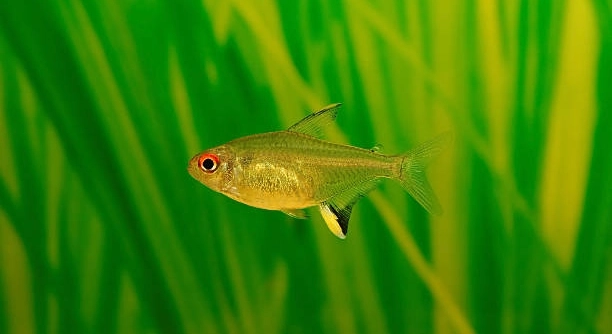
Lemon tetras are small, lively fish that brighten up any aquarium. Their vibrant color and playful movements make them fascinating to watch as they interact with their environment and companions. Observing their behavior can be very rewarding.
Lemon tetras show excitement through swimming patterns, interactions with tank mates, feeding responses, and environmental enrichment. Providing a suitable habitat with hiding spots, plants, and compatible companions stimulates their natural behaviors and promotes overall well-being and activity.
Learning what excites these tiny fish can enhance their daily life and keep them healthy, active, and visually engaging in your aquarium.
Bright Lighting and Colorful Plants
Lemon tetras respond well to well-lit tanks with vibrant plants. Bright lighting enhances their yellow hue, making them more active and playful. Live or artificial plants provide hiding spots and areas to explore, which encourages natural schooling behavior. They enjoy weaving through leaves and darting between stems, which keeps them stimulated. A mix of tall and short plants gives them a sense of security and adds visual interest. Floating plants can create shaded areas, allowing the fish to feel safe while exploring. A varied environment prevents boredom and reduces stress, which is essential for their health. Observing how they react to different colors and structures can help you adjust the tank layout for maximum engagement. Over time, you will notice how the tetras gather in bright areas or near plants during feeding times, showing excitement and energy in their movements.
Bright lighting and plants create a lively environment that keeps lemon tetras active and healthy.
Adding diverse plants and proper lighting ensures stimulation, mimics natural habitats, and encourages social interactions within the school. It also reduces stress.
Feeding Time Excitement
Lemon tetras become noticeably active during feeding. They dart quickly toward food, showing alertness and curiosity. Providing a balanced diet of flakes, micro pellets, or live foods like brine shrimp stimulates their natural hunting instincts and keeps them engaged. Small, frequent feedings can maintain consistent energy levels. Watching them chase food adds a playful dynamic to the tank. Feeding times also strengthen social behaviors, as they swim together and compete mildly for food without aggression. Rotating food types introduces variety and prevents dietary monotony, which is important for maintaining health and vibrancy. Even adding floating or sinking foods can change their swimming patterns, making their movements more dynamic. Observing these reactions helps you understand their preferences and how to keep them stimulated. A lively feeding response is a clear sign of content and healthy fish, and adjusting feeding techniques can enhance their excitement.
Regular feedings energize lemon tetras and support healthy growth while encouraging playful and social behaviors.
Understanding feeding patterns, variety in diet, and timing can maximize activity levels and enjoyment for both the fish and the observer.
Tank Mates Interaction
Lemon tetras are social fish that thrive in groups. They become more active and playful when swimming with compatible tank mates, showing schooling behavior and synchronized movements that indicate excitement.
Swimming together with peaceful species helps them feel secure. The presence of other tetras or small community fish encourages natural behaviors, including chasing, weaving, and darting through the tank. Aggressive or much larger fish can stress them, reducing activity. Watching them interact provides insight into their personality and preferences. A well-chosen community keeps lemon tetras stimulated and healthy, ensuring they exhibit their full range of playful movements.
Group dynamics also reduce loneliness, helping the tetras remain energetic and curious. Careful observation of interactions allows you to adjust the tank environment for optimal excitement and social engagement.
Water Movement
Lemon tetras respond positively to gentle water currents. Moderate flow encourages swimming activity and mimics natural habitats.
Water movement increases oxygenation and provides stimulation. It creates opportunities for fish to navigate currents, enhancing energy and activity. Filters, pumps, or carefully placed decorations can direct flow effectively. Constant but moderate movement prevents stagnation, reduces stress, and encourages natural schooling patterns. Too strong currents can tire them, so balance is key. Observing their responses to different flow rates helps fine-tune the environment for consistent excitement.
Gentle currents support natural behaviors, from schooling to exploring, and maintain tank health. Adjusting flow thoughtfully ensures lemon tetras remain active, alert, and visibly happy in their surroundings.
Hiding Spots
Lemon tetras enjoy hiding spots in their tank. Caves, rocks, and dense plants give them security and encourage exploration.
Providing safe areas reduces stress and allows them to peek out, showing excitement when they swim between covers or interact with other tetras.
Bubble Streams
Bubbles from air stones or filters stimulate lemon tetras. They often chase and swim through rising bubbles, increasing activity and energy.
This simple addition keeps them engaged and provides mild exercise. The movement of bubbles creates curiosity, making their behavior more dynamic and playful throughout the day.
Mirror Reflections
Mirrors can briefly excite lemon tetras. They may swim toward their reflection, showing increased activity and alertness.
Using mirrors occasionally allows them to explore and interact, but it should be limited to avoid stress or prolonged agitation.
What is the ideal tank size for lemon tetras?
Lemon tetras are small, active fish that need space to swim freely. A minimum of 20 gallons is recommended for a small school of six to eight tetras. Larger tanks allow more swimming room and provide opportunities to create varied environments with plants, hiding spots, and decorations. Adequate space reduces stress, prevents overcrowding, and encourages natural schooling behaviors. Proper tank size also ensures better water quality and stability, which supports their health and longevity. Observing how they use the tank can help adjust decor and layout to keep them active and engaged.
How many lemon tetras should be kept together?
Lemon tetras are schooling fish, meaning they feel safer and more active in groups. Keeping at least six individuals is essential to encourage natural behavior. Small groups can become stressed or timid, reducing activity levels and vibrancy. Larger schools allow them to exhibit synchronized swimming, playful chasing, and social interaction, which demonstrates excitement. When choosing tank mates, ensure other fish are peaceful and similar in size to prevent aggression. The group dynamic also enhances visual appeal, making the aquarium lively and dynamic. Monitoring their behavior can help determine if the school is balanced and comfortable in the tank.
What water conditions do lemon tetras prefer?
Lemon tetras thrive in slightly acidic to neutral water, with a pH between 6.0 and 7.5. Temperature should be maintained between 72 and 78°F. Regular water changes and proper filtration are necessary to maintain water clarity and stability. Soft to moderately hard water supports healthy growth and coloration. Consistent conditions reduce stress, prevent illness, and encourage active swimming. Testing water regularly helps maintain optimal parameters. They also appreciate gentle water flow, which mimics their natural environment. Observing their behavior, such as darting or schooling patterns, can indicate if water conditions are ideal or need adjustment.
What should I feed my lemon tetras?
A varied diet keeps lemon tetras healthy and excited during feeding times. Flake foods, micro pellets, frozen brine shrimp, and daphnia provide essential nutrients and stimulate natural hunting instincts. Offering small amounts two to three times daily prevents overfeeding and maintains water quality. Rotating food types ensures proper nutrition while keeping feeding interactions lively. Occasionally adding live food encourages chasing behavior, which increases activity and excitement. Watching their reaction to different foods helps understand preferences and energy levels. Balanced nutrition also enhances their bright yellow coloration, making them visually appealing in the tank.
Can lemon tetras live with other fish?
Yes, lemon tetras are peaceful and compatible with many small, non-aggressive species. Ideal tank mates include other small tetras, rasboras, danios, and peaceful bottom dwellers. Avoid larger or aggressive fish that may stress or attack them. A community tank allows natural schooling and social behaviors to develop. Proper spacing and hiding spots prevent conflicts and provide security. Observing interactions ensures harmony, as excessive chasing or hiding can indicate stress. Choosing compatible species helps maintain excitement and activity, creating a lively aquarium environment. Diversity in species also keeps the tank visually interesting while supporting healthy behaviors.
How do I encourage activity in lemon tetras?
Activity is encouraged by providing a stimulating environment. Bright lighting, live or artificial plants, hiding spots, moderate water flow, and occasional bubble streams all promote movement and engagement. Feeding with variety also encourages playful chasing and social interactions. Mirrors can be used briefly to stimulate curiosity. Observing their responses to different stimuli helps refine the tank setup for optimal activity. Ensuring a calm environment without aggressive fish reduces stress, which also promotes more dynamic behavior. Active tetras are healthier and display better coloration, making them enjoyable to watch while interacting naturally with their environment and companions.
How often should water be changed for lemon tetras?
Weekly partial water changes of 20-25% are ideal for lemon tetras. Regular maintenance removes toxins, maintains water quality, and prevents algae overgrowth. Fresh water helps stabilize pH and temperature, reducing stress. Over time, consistent changes contribute to longevity and overall health. Checking water parameters before each change ensures adjustments maintain optimal conditions. Too frequent or large water changes can cause stress, while too few may lead to poor water quality. Balancing these changes keeps lemon tetras active, healthy, and excited, maintaining the environment that encourages natural swimming, feeding, and social behaviors.
What signs show that lemon tetras are happy and excited?
Healthy lemon tetras display bright coloration, active swimming, schooling behavior, and playful chasing. They explore plants, bubbles, and hiding spots without signs of stress. Alert responses during feeding and brief interest in reflections or movement indicate excitement. Calm, consistent energy levels show comfort in their environment. Observing their interactions with tank mates and surroundings helps ensure they remain stimulated. Changes in color, hiding frequently, or lethargy may indicate stress or illness. Maintaining proper conditions, diet, and stimulation ensures lemon tetras are lively, healthy, and visibly happy within their aquarium setting.
How do I prevent stress in lemon tetras?
Stress is minimized by maintaining stable water parameters, providing proper tank size, and keeping compatible tank mates. Avoid sudden temperature changes, aggressive species, or overcrowding. Include hiding spots, plants, and gentle currents to mimic natural habitats. Regular, gentle feeding schedules also help reduce stress. Monitoring behavior regularly allows early detection of issues. A calm, structured environment supports excitement while preventing lethargy or disease. Proper care ensures lemon tetras remain active, display natural behaviors, and thrive in the aquarium with minimal risk of stress-related problems.
Can lemon tetras breed in home aquariums?
Breeding lemon tetras requires slightly acidic, soft water and a separate spawning tank. Provide fine-leaved plants or spawning mops for egg laying. Keep temperature around 75°F and feed high-quality live foods to condition adults. Remove adults after spawning to prevent egg predation. Eggs hatch in 24-36 hours, and fry should be fed infusoria or powdered foods initially. Breeding encourages natural behaviors, showing excitement and energy, but requires attention to water quality and careful observation. Successful breeding provides insight into their life cycle and can be rewarding for observing natural instincts in a controlled environment.
Lemon tetras are small but vibrant fish that bring life to any aquarium. Their bright yellow color and active movements make them fascinating to watch, and understanding what excites them can improve both their health and your enjoyment as a fish keeper. These fish are naturally social, preferring to live in groups, and thrive in well-maintained tanks with proper lighting, plants, and decorations. Observing their behavior can provide valuable insight into their needs and preferences, helping you create a more stimulating environment. Even small adjustments, like adding gentle water currents, hiding spots, or bubble streams, can have a noticeable impact on their activity levels. When the tank is set up thoughtfully, lemon tetras display natural behaviors such as darting through plants, chasing food, and swimming in synchronized patterns with their schoolmates. These behaviors are not only signs of excitement but also indicators of good overall health. Providing a balance of stimulation and comfort is key to maintaining their energy and vibrant coloration.
Feeding plays a major role in keeping lemon tetras active and engaged. A varied diet that includes flakes, micro pellets, and occasional live or frozen foods helps maintain energy levels and encourages natural hunting instincts. Small, frequent feedings keep the fish alert throughout the day and prevent overfeeding, which can affect water quality. Watching lemon tetras interact with food provides insight into their personality and social structure, as they often chase, dart, and compete mildly for treats. Their reactions during feeding times show excitement and engagement with their environment. Additionally, rotating food types and introducing new textures or shapes can add extra stimulation, preventing boredom and supporting optimal health. Attention to diet and feeding patterns ensures they remain energetic and visually appealing, displaying their bright colors and playful movements consistently. This balance of nutrition and stimulation is essential for their well-being and makes caring for them a more rewarding experience.
Maintaining stable water conditions, compatible tank mates, and a thoughtfully arranged environment are essential for keeping lemon tetras happy and active. Gentle water flow, proper tank size, and regular partial water changes support their natural behaviors and reduce stress. Providing hiding spots, plants, and occasionally stimulating elements like mirrors or bubbles encourages exploration and curiosity. Social interactions with other tetras or peaceful species help them feel secure and motivated to swim actively throughout the tank. Observing these behaviors allows you to make small adjustments that have a big impact on their quality of life. By understanding their preferences and needs, you create an environment that promotes excitement, health, and longevity. Lemon tetras respond positively to attentive care, and when their habitat is well-designed, they exhibit consistent energy, vibrant coloration, and lively schooling behavior. This makes them not only visually appealing but also a joy to observe as they thrive in a stable, stimulating aquarium environment.

Hello,
If you enjoy the content that we create, please consider saying a "Thank You!" by leaving a tip.
Every little bit helps us continue crafting quality advice that supports the health, happiness, and well-being of pets around the world, for pets of all shapes, sizes, and species.
We really appreciate the kindness and support that you show us!