
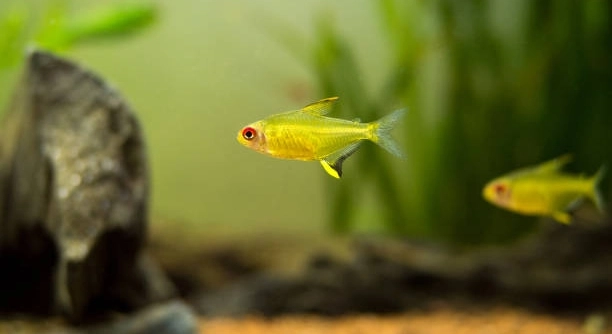
Do your Lemon Tetras swim in circles without much interaction, leaving your tank feeling unusually quiet? Observing subtle changes in behavior can reveal boredom and help you maintain a lively and healthy aquarium environment.
Boredom in Lemon Tetras is often expressed through repetitive swimming patterns, reduced activity, or lack of engagement with their environment. Recognizing these behavioral indicators allows owners to implement environmental enrichment and promote the fishes’ mental and physical well-being.
Identifying signs of boredom early ensures your Lemon Tetras remain active and healthy while making your aquarium a more vibrant and engaging space.
Lethargic Swimming Patterns
When Lemon Tetras are bored, one of the first signs is a noticeable change in their swimming habits. Instead of exploring the tank energetically, they may drift slowly or hover in one spot for extended periods. This lack of movement can indicate that the fish are unstimulated by their surroundings. You might notice them sticking to the same area, rarely interacting with tankmates, or avoiding decorations and plants they usually swim around. Over time, consistent lethargy can affect their health, weakening their immune system and reducing appetite. Maintaining variety in the tank environment, such as adding new plants or rearranging decorations, can help keep the fish active and engaged. Observing their behavior daily allows you to respond quickly, ensuring the Lemon Tetras remain lively and healthy. Regular interaction with their environment through enrichment techniques can significantly improve both their activity levels and overall well-being.
Consistent slow or stagnant swimming is a clear indicator that your Lemon Tetras need stimulation.
Providing floating toys, plants, and hiding spots encourages movement and curiosity, helping prevent prolonged boredom and its negative effects on health.
Loss of Appetite
A sudden drop in feeding behavior is often a subtle yet important sign of boredom. Lemon Tetras that seem uninterested in food or eat less than usual may be experiencing mental dullness or stress caused by a monotonous environment. While appetite changes can also indicate illness, observing this behavior alongside other signs, like sluggish swimming or lack of interaction, helps determine whether boredom is the main factor. Offering a variety of foods, including live or frozen options, can reintroduce excitement and trigger natural hunting behaviors.
Maintaining a balanced and engaging environment directly influences feeding behavior.
When Lemon Tetras lose interest in food, it is often linked to environmental monotony rather than physical health issues. Tanks with only a few decorations or empty spaces fail to provide stimulation, leaving fish unmotivated. Introducing live plants, varied substrates, and interactive decorations can rekindle curiosity, encouraging natural feeding habits. Small changes like adding a floating leaf or rearranging plants create new swimming paths, preventing repetitive routines. These adjustments help Lemon Tetras explore more actively, rediscover hidden spots, and engage with their surroundings. Feeding times also become opportunities for mental stimulation if food is placed in different areas or presented in varied ways. Over time, these measures not only restore appetite but also improve overall vitality and social interaction among the fish. Creating a dynamic environment ensures the Lemon Tetras remain alert, active, and more responsive to their tankmates, which is essential for their long-term well-being.
Excessive Hiding
When Lemon Tetras hide more than usual, it can be a sign of boredom or stress. They may cling to plants, decorations, or corners instead of swimming freely, avoiding interaction with tankmates and reducing overall activity in the aquarium.
Excessive hiding often results from a lack of stimulation in the tank environment. Without varied decorations or areas to explore, Lemon Tetras may feel unmotivated to swim openly. Over time, they may establish permanent hiding spots, limiting social interaction and natural behaviors. This pattern can affect their health, as inactivity reduces exercise and may influence appetite. Providing different plants, rocks, or caves encourages exploration and reduces prolonged hiding. Even minor changes, like moving decorations or introducing new textures, can draw them out and restore active swimming patterns. Observing their behavior after adjustments helps identify what engages them most effectively.
Rearranging plants and decorations gradually can make hidden areas more appealing for exploration, helping Lemon Tetras become more active and interactive over time.
Repetitive Circling
Lemon Tetras that swim in repetitive circles or follow the same paths constantly are likely experiencing boredom. This behavior is a way to fill inactivity, showing they are under-stimulated by their environment.
Repetitive circling can indicate both mental and physical under-engagement. When the tank lacks variation or enrichment, fish may adopt these patterns out of habit rather than natural curiosity. This behavior can also limit interaction with tankmates, affecting social dynamics. Introducing new obstacles, varied plant heights, or hiding spots can break repetitive routines and promote exploratory swimming. Even minor changes, like floating leaves or small decorations, encourage different swimming paths and reduce monotony. Observing where and how frequently circling occurs helps identify areas for enrichment and makes adjustments more effective.
Creating vertical and horizontal spaces in the tank promotes varied movement, helping Lemon Tetras escape monotonous patterns and remain mentally stimulated.
Lack of Interaction
Lemon Tetras that ignore their tankmates or avoid social behavior may be showing signs of boredom. They can appear detached, floating alone instead of joining the group or responding to movements in the tank.
Reduced interaction often results from a monotonous environment. Without new stimuli, fish lose interest in social engagement and become less responsive to their surroundings.
Flashing or Rubbing
Lemon Tetras that repeatedly rub their bodies against decorations or the substrate may be trying to relieve boredom. While sometimes linked to irritation, frequent rubbing can also signal a lack of engagement. Providing enrichment and rearranging the tank reduces this restless behavior.
Sudden Aggression
Boredom can lead Lemon Tetras to act aggressively toward tankmates. Increased nipping, chasing, or territorial displays often appear when fish lack mental stimulation, disrupting the normal social balance in the aquarium.
How can I tell if my Lemon Tetras are bored?
Boredom in Lemon Tetras shows up through changes in behavior. Signs include lethargic swimming, repetitive circling, excessive hiding, reduced interaction with tankmates, and loss of appetite. Watching for these patterns over several days helps determine if the tank environment lacks stimulation.
What causes boredom in Lemon Tetras?
Boredom often results from a lack of environmental variety. A tank with few decorations, no hiding spots, or no new objects to explore can leave fish unstimulated. Monotonous conditions reduce natural behaviors, limit exercise, and make the fish less socially interactive. Even consistent lighting and unchanging layout can contribute.
How can I make my Lemon Tetras more active?
Adding live plants, rocks, or floating decorations encourages movement. Rearranging the tank periodically creates new swimming paths. Introducing varied substrates and different heights in the tank also stimulates exploration. Providing areas to hide, chase, and swim freely improves both mental and physical activity.
Will changing their diet help reduce boredom?
Yes, offering a variety of foods can encourage engagement. Live or frozen foods trigger natural hunting behaviors, making mealtime more stimulating. Rotating flakes, pellets, and occasional treats keeps feeding time interesting. This variety supports both nutrition and mental engagement.
Is tank size important for preventing boredom?
Tank size plays a major role. Small, crowded tanks limit movement and can increase stress and lethargy. Larger tanks provide space for exploration, exercise, and social interaction. Ensuring enough room for swimming and hiding supports overall mental and physical well-being.
How often should I rearrange decorations or plants?
Minor changes every few weeks help maintain interest. Move plants, rocks, and other features to create new paths or hiding spots. Gradual adjustments prevent stress while keeping the environment stimulating. Frequent but careful changes encourage natural curiosity and reduce repetitive or stagnant behaviors.
Can Lemon Tetras get bored if they are alone?
Yes, they are naturally social fish. Without tankmates, they may become withdrawn, hide frequently, or swim in repetitive patterns. Keeping at least six together supports social behavior, reduces stress, and promotes natural schooling, which helps prevent boredom.
What are signs that enrichment efforts are working?
Active swimming, increased interaction with tankmates, exploration of new areas, and regular feeding behavior indicate success. Reduced repetitive circling or hiding and more engagement with objects show that the environment is stimulating and fulfilling the fish’s needs.
Can boredom affect their health?
Chronic boredom can weaken the immune system, reduce appetite, and cause stress-related issues. Long-term inactivity may lead to slower growth or susceptibility to illness. Providing mental and physical stimulation is essential for maintaining healthy, active Lemon Tetras.
Are there specific decorations that help prevent boredom?
Yes, a mix of live plants, rocks, driftwood, and floating objects works well. Varied textures, heights, and hiding spots encourage exploration. Even small details like tunnels or caves create opportunities for movement and interaction, keeping the fish engaged and active in their environment.
How long does it take to see improvement after changes?
Behavioral improvements can appear within a few days to a week. Fish gradually explore new areas, become more social, and show normal feeding patterns. Observing daily helps track progress and fine-tune environmental enrichment to ensure sustained activity.
Is lighting important for keeping Lemon Tetras engaged?
Yes, consistent but natural lighting supports normal activity cycles. Too bright or too dim lighting may cause hiding or lethargy. A balanced light schedule combined with enrichment ensures active swimming and healthy behavior throughout the day.
Can boredom lead to aggression?
Yes, under-stimulated Lemon Tetras may chase or nip at tankmates more often. Aggressive displays often appear when fish have no new areas to explore or mental stimulation. Enrichment, proper tank size, and social groupings help reduce conflict and support peaceful interactions.
What’s the simplest way to keep Lemon Tetras mentally stimulated?
Provide variety in environment, food, and tank layout. Rotate decorations, introduce live plants, offer different food types, and encourage swimming in all areas. These changes prevent repetitive behavior, promote natural activity, and ensure a healthier, more active aquarium overall.
This FAQ covers multiple ways to recognize, prevent, and address boredom in Lemon Tetras, ensuring they remain active, healthy, and engaged in their environment.
Lemon Tetras are small, lively fish that thrive in environments that keep them mentally and physically engaged. Their behavior can change subtly when they become bored, and noticing these signs early is important for their well-being. Repetitive swimming patterns, hiding excessively, reduced interaction, and loss of appetite are all common indicators of boredom. While these behaviors may seem minor at first, prolonged periods without stimulation can affect their overall health, weakening their immune system and reducing their natural activity levels. Maintaining a tank environment that encourages exploration and natural behaviors is key to preventing boredom and keeping Lemon Tetras active.
Creating a stimulating environment does not have to be complicated. Simple steps, such as adding live plants, decorations, and hiding spots, can make a significant difference. Rearranging these elements occasionally introduces new pathways for swimming and exploration, which helps break repetitive routines. Offering a variety of foods, including live, frozen, and prepared options, also provides mental stimulation, as it triggers natural hunting and foraging behaviors. Additionally, ensuring proper tank size and keeping a social group of at least six Lemon Tetras supports their schooling instincts, which encourages interaction and reduces stress. Observing the fish’s behavior after implementing these changes can guide further adjustments, helping you understand which strategies work best for your specific tank setup.
Monitoring Lemon Tetras regularly is essential to maintaining a healthy and engaging aquarium. Even small changes, like floating leaves, varied substrates, or minor adjustments to decorations, can significantly impact their activity and mental engagement. By responding to signs of boredom promptly, you support their natural behavior, social interactions, and overall vitality. A dynamic environment ensures that Lemon Tetras remain curious, active, and healthy over time, creating a balanced and visually appealing tank. Investing attention and care into their environment not only improves their quality of life but also allows for a more enjoyable and fulfilling experience for anyone observing or caring for them.

Hello,
If you enjoy the content that we create, please consider saying a "Thank You!" by leaving a tip.
Every little bit helps us continue crafting quality advice that supports the health, happiness, and well-being of pets around the world, for pets of all shapes, sizes, and species.
We really appreciate the kindness and support that you show us!