
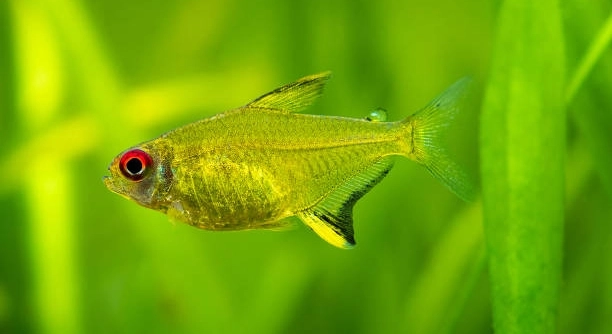
Have you ever noticed how your lemon tetras swim calmly in one corner but suddenly dart around when the tank gets crowded? Observing their behavior can be both relaxing and fascinating, especially when you see them adjust naturally.
Lemon tetras generally prefer calm environments with stable water flow and minimal sudden disturbances. Crowded or highly active tanks can increase stress levels, causing erratic swimming patterns and negatively impacting their overall health and social behavior.
Understanding their environmental preferences can help you create a tank that supports their natural habits and keeps your lemon tetras healthy and comfortable.
Understanding Lemon Tetra Behavior
Lemon tetras are small, active fish that show clear preferences for their surroundings. In calm environments, they tend to swim steadily, exploring the tank with curiosity and interacting gently with their schoolmates. When the tank becomes busy or noisy, they often scatter and hide, showing signs of stress like rapid gill movement or erratic swimming. Providing enough space, hiding spots, and consistent lighting helps maintain a stable environment. Observing their natural schooling behavior can give clues about their comfort level. Plants, smooth decorations, and moderate tank mates all contribute to a peaceful habitat. Even minor changes, such as rearranging decorations or introducing new fish, can create tension. Regular monitoring of water quality, temperature, and feeding routines also supports calm behavior. Lemon tetras respond positively to tanks that mimic their natural habitat, with gentle water flow and areas for rest. A steady, predictable environment encourages natural swimming patterns and overall well-being.
Stressful or busy tanks can lead to short lifespans and lower immunity for lemon tetras.
Providing a stable tank environment is essential for their health. Adjusting decorations, controlling tank traffic, and maintaining water quality allows them to swim freely and maintain proper social behavior. Their active nature thrives under calm, predictable conditions, encouraging consistent schooling and reducing signs of anxiety.
Tank Setup Tips for Calm Environments
Positioning the tank away from high-traffic areas limits disturbances and creates a more peaceful setting.
When setting up a calm tank, consider planting dense vegetation and including gentle hiding spaces. Open swimming areas are also important to allow natural schooling. Using a filter that produces gentle water flow ensures oxygen circulation without stressing the fish. Consistency in light cycles helps regulate their internal rhythms, while avoiding sudden noises or vibrations prevents startling them. Introduce new tank mates gradually to maintain social harmony. Regular feeding at predictable times keeps the fish comfortable and reduces competition. Monitoring water parameters, such as temperature, pH, and hardness, ensures optimal conditions. Minimal rearrangement of decorations or plants helps avoid unexpected stressors. Observing their reactions after each change can guide further adjustments. Creating a tank environment that balances activity with calm areas encourages lemon tetras to display their natural behaviors consistently. Over time, a well-planned setup promotes healthier, more confident fish that enjoy swimming and interacting without fear.
Signs Your Lemon Tetras Are Stressed
Rapid darting or hiding frequently shows stress in lemon tetras. They may stop schooling properly or seem lethargic. Observing these behaviors early helps prevent long-term health problems and keeps the tank environment balanced.
Stress in lemon tetras often comes from sudden changes or overly busy tanks. When the water flow is too strong, or there are too many active tank mates, they may display erratic swimming, clamped fins, or constant hiding. Overcrowding increases competition for food and space, creating tension in the group. Even small changes in lighting or sudden loud noises can trigger stress reactions. Monitoring their daily habits and reactions to adjustments in the tank can indicate whether the environment is suitable. Calm, consistent routines help the fish maintain natural behaviors, like schooling, feeding calmly, and exploring. Regular observation makes it easier to spot issues before they affect overall health.
Providing hiding spots and smooth decorations reduces stress effectively. Dense plants and gentle water flow allow lemon tetras to feel secure while still swimming actively. Observing their interactions with tank mates ensures that all fish remain comfortable. Stress signs often fade when their environment is adjusted to meet natural preferences, reinforcing healthy behavior and promoting longer life.
Maintaining a Calm Aquarium Environment
Positioning the tank in a quiet area reduces disturbances and keeps fish comfortable. Avoid sudden loud noises nearby.
To maintain a calm environment, focus on gentle water flow and stable water parameters. Using live plants provides natural hiding spots, while soft substrate prevents injuries. Limit the number of active or aggressive tank mates, ensuring lemon tetras can school freely. Regular feeding schedules reduce competition, and minimal rearrangement of decorations prevents stress. Maintaining consistent lighting cycles helps regulate their behavior and keeps them active at the right times. Watching their daily activity reveals whether they feel safe or need adjustments. Calm tanks support schooling behavior, reduce stress responses, and improve overall health, helping lemon tetras thrive for years.
Choosing the Right Tank Mates
Lemon tetras do best with peaceful, similarly sized fish. Avoid aggressive or overly active species that chase or stress them. Compatible tank mates help maintain calm schooling behavior.
Observing interactions between fish is key. Even normally peaceful fish can cause stress if space is limited or hiding spots are scarce.
Lighting and Its Effects
Moderate, consistent lighting keeps lemon tetras active and reduces stress. Bright or fluctuating light can make them skittish and hide more often. Use timers to maintain steady day and night cycles, creating a predictable environment that mimics natural conditions.
Planting for Comfort
Dense plants and floating vegetation give lemon tetras places to rest and feel secure. These natural structures reduce stress while allowing swimming space.
FAQ
How many lemon tetras should I keep together?
Lemon tetras are schooling fish and feel most comfortable in groups of at least six. Smaller groups can cause stress and erratic behavior. A larger school encourages natural swimming patterns and social interaction, making the tank appear lively and balanced.
Do lemon tetras need a specific water temperature?
Yes, they thrive in water between 72°F and 80°F. Keeping the temperature consistent is important, as sudden changes can stress the fish and affect their immune system. Using a reliable heater and thermometer helps maintain a stable environment.
What kind of water flow is best?
Lemon tetras prefer gentle water flow. Strong currents can exhaust them and disrupt schooling. A filter with adjustable flow or placement behind decorations can reduce strong water movement while keeping water clean and oxygenated.
Can lemon tetras live with other small fish?
Yes, they do well with peaceful species like rasboras, small tetras, and Corydoras. Avoid aggressive or territorial fish, as they can intimidate lemon tetras and cause stress or injury. Observing interactions when introducing new fish is important.
How often should I feed them?
Feed lemon tetras small amounts two to three times a day. Overfeeding can pollute the tank and harm water quality, while underfeeding can lead to poor health. A varied diet of flakes, micro pellets, and occasional live or frozen foods is best.
Do lemon tetras need plants in the tank?
Yes, plants create hiding spots and reduce stress. Live plants also help maintain water quality by absorbing nitrates. Dense planting with open swimming areas allows lemon tetras to feel safe while still moving freely.
What signs indicate stress in lemon tetras?
Signs include rapid darting, hiding frequently, clamped fins, or reduced schooling. Stress can be caused by sudden changes, overcrowding, strong currents, or aggressive tank mates. Early observation allows for quick adjustments to prevent illness or long-term health issues.
Is it necessary to rearrange decorations regularly?
No, frequent changes can stress lemon tetras. They adapt to stable environments, and sudden shifts in layout can cause hiding or erratic swimming. Occasional adjustments are fine, but keep most of the tank layout consistent.
How much light do they need?
Moderate, consistent lighting works best. Too bright or fluctuating light can make them skittish. Using a timer for steady day and night cycles helps regulate their activity and behavior naturally.
Can lemon tetras breed in a home aquarium?
Yes, but they require calm conditions, slightly acidic water, and plants for spawning. Breeding pairs will scatter eggs in plants, and adults may eat the eggs if not separated. Maintaining proper water quality and a peaceful environment increases success rates.
How do I reduce stress in a busy household tank?
Position the tank away from loud areas or heavy traffic. Adding dense plants, floating vegetation, and hiding spots gives lemon tetras places to retreat. Maintaining steady water flow and consistent feeding schedules also reduces stress and encourages natural schooling.
Do they need frequent water changes?
Yes, regular water changes of 20–30% weekly keep the tank clean and reduce stress. Clean water improves health, encourages natural behavior, and prevents diseases caused by poor water quality. Checking parameters during changes helps maintain stability.
What should I do if they seem sick?
Quarantine affected fish and test water parameters first. Common issues include fin rot or ich, often triggered by stress or poor water quality. Treat with appropriate medication and maintain calm tank conditions to support recovery.
Are lemon tetras sensitive to noise?
Yes, loud vibrations or sudden banging can startle them. Keeping the tank in a quiet, stable area prevents stress responses and supports healthy swimming and schooling behavior.
How long do lemon tetras typically live?
With proper care, they usually live 5–8 years. Providing calm environments, stable water conditions, consistent feeding, and compatible tank mates all contribute to longevity and overall well-being.
Do they react to human presence?
Yes, they often become curious when someone approaches the tank, but sudden movements can startle them. Calm, gentle observation encourages natural behavior without causing stress.
What is the best way to introduce new tank mates?
Introduce new fish slowly and in small numbers. Observe interactions closely for the first few days. Providing hiding spots and open swimming areas helps reduce tension and prevents bullying or stress among the fish.
Can they tolerate slightly acidic or hard water?
They prefer slightly acidic to neutral water (pH 6.5–7.5) and soft to moderately hard water. Extreme deviations can cause stress and reduce immunity. Regular testing helps maintain ideal water conditions.
Do lemon tetras need air stones?
Not necessarily, if the filter provides adequate oxygenation. Air stones can be used for additional circulation but avoid creating strong currents that disrupt swimming patterns.
What common mistakes should be avoided?
Overcrowding, aggressive tank mates, sudden changes in temperature or layout, inconsistent feeding, and poor water quality are the most frequent issues. Avoiding these ensures a calm environment where lemon tetras can thrive naturally.
Lemon tetras are small, lively fish that respond strongly to their surroundings. They naturally prefer calm environments where they can swim steadily and interact with their schoolmates without fear. Stressful conditions, like strong currents, loud noises, or overcrowded tanks, can cause them to hide, dart erratically, or even lose their appetite. Observing their behavior is the best way to understand how comfortable they are. In a calm setting, you will see them swimming in groups, exploring plants, and resting in open areas. These behaviors show that they feel safe and secure. Even small adjustments, like adding more hiding spots or rearranging decorations minimally, can make a noticeable difference in their comfort. Paying attention to these details ensures that your lemon tetras are not only active but also healthy.
Maintaining proper water conditions is another key factor in keeping lemon tetras calm and thriving. They do best in stable water with temperatures between 72°F and 80°F and slightly acidic to neutral pH levels. Sudden changes in temperature, pH, or water hardness can increase stress and weaken their immune system. Regular water changes, about 20–30% weekly, help remove waste and maintain clean water, which directly affects their behavior. Gentle filtration that produces soft water flow is ideal, as strong currents can exhaust them. Plants, both floating and rooted, provide additional comfort and security, giving them places to hide and rest when they feel threatened. These natural elements also help keep water clean by absorbing some nutrients and reducing nitrate levels. A properly set up tank balances activity with calm, creating an environment that mirrors their natural habitat.
Choosing suitable tank mates and keeping a consistent routine further supports their well-being. Peaceful fish of similar size, like small rasboras or Corydoras, allow lemon tetras to school naturally without competition or intimidation. Sudden introductions of aggressive or highly active species can create stress and disrupt their calm behavior. Regular feeding schedules, consistent lighting cycles, and minimal disturbances near the tank also help them feel secure. Over time, observing their reactions allows for small adjustments that improve their comfort. A calm, predictable environment encourages healthy swimming, natural social interaction, and even increases their lifespan. With attention to water quality, tank layout, and tank mates, lemon tetras can flourish, showing their true, vibrant behavior in a peaceful home aquarium.

Hello,
If you enjoy the content that we create, please consider saying a "Thank You!" by leaving a tip.
Every little bit helps us continue crafting quality advice that supports the health, happiness, and well-being of pets around the world, for pets of all shapes, sizes, and species.
We really appreciate the kindness and support that you show us!