
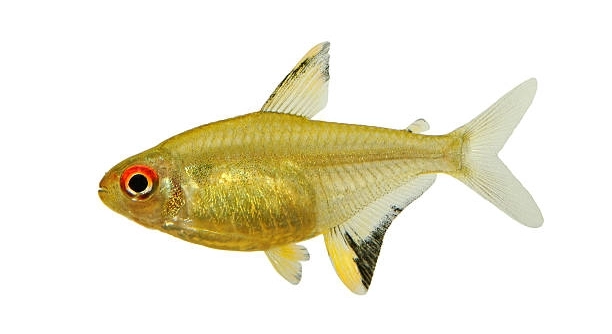
Lemon tetras are small, bright fish that bring life to any freshwater tank. They enjoy calm waters and gentle companions, but sometimes, subtle factors in their environment can stress them out or make them unhappy.
Lemon tetras dislike overcrowded tanks, sudden temperature changes, harsh lighting, poor water quality, aggressive tank mates, lack of hiding spots, and constant disturbances. Each of these factors can negatively affect their health, behavior, and overall well-being in captivity.
Knowing what upsets your lemon tetras is key to keeping them healthy and calm. The following guide will explain each factor and how to avoid it for happier fish.
Overcrowded Tanks
When lemon tetras are kept in a tank with too many fish, they become stressed easily. These small fish need space to swim freely and maintain their natural schooling behavior. Crowding can lead to increased aggression, poor water quality, and higher chances of disease. Stress from overcrowding also affects their colors, making them appear dull and less vibrant. It is important to plan the number of fish according to the tank size and provide enough hiding spaces and swimming areas. Proper filtration and regular water changes help maintain a healthier environment. Overcrowding can also cause uneven feeding, where some fish eat too much while others get very little. Observing your tetras’ behavior regularly will help identify signs of stress, such as hiding, erratic swimming, or loss of appetite. Ensuring the right number of fish per tank size will create a peaceful, thriving habitat for lemon tetras and prevent health problems from developing.
Overcrowding directly harms lemon tetras’ health and behavior, making proper tank sizing essential for their well-being and longevity.
Providing ample swimming space and hiding spots allows lemon tetras to school naturally, reduces stress, and keeps them vibrant and healthy over time.
Sudden Temperature Changes
Lemon tetras are sensitive to abrupt shifts in water temperature, which can cause stress and illness.
Rapid temperature changes weaken their immune system and can trigger diseases like ich or fin rot. Keeping a stable, moderate temperature is crucial.
Maintaining a consistent water temperature for lemon tetras requires careful monitoring and gradual adjustments. Sudden changes from tap water during water changes, heating failures, or seasonal fluctuations can shock them, leading to lethargy or erratic swimming. Using a reliable aquarium heater and thermometer ensures the temperature remains steady. Gradual acclimation is also important when introducing new water or moving fish to another tank. Sudden temperature swings interfere with their metabolism, feeding behavior, and reproduction. Observing your tetras for signs of stress after any temperature adjustment helps prevent long-term health issues. Keeping the tank in a room with minimal temperature fluctuations and avoiding placing it near windows or vents further protects your fish. Consistent temperature care supports healthy, active, and colorful lemon tetras.
Harsh Lighting
Harsh or overly bright lighting stresses lemon tetras, making them hide and lose color. They prefer soft, diffused light that mimics their natural environment.
Bright light forces lemon tetras to constantly seek shelter, which can disrupt their natural swimming and schooling patterns. Over time, this stress can weaken their immune system, making them more vulnerable to disease. Using dimmable lights or adding floating plants helps diffuse light and create shaded areas. Maintaining a gentle light cycle of around 8–10 hours a day supports their natural rhythms. Adjusting lighting gradually instead of sudden changes reduces shock. Observing their behavior under different lighting conditions ensures they feel safe and comfortable. Proper lighting also helps plants grow, improving water quality and the overall tank ecosystem.
Soft lighting promotes a calmer tank environment, keeps lemon tetras active, and enhances their natural colors, making them healthier and more visually appealing.
Poor Water Quality
Dirty or improperly maintained water negatively impacts lemon tetras’ health. High ammonia, nitrite, or nitrate levels can be toxic.
Regular water testing and partial water changes prevent harmful chemical buildup. Lemon tetras thrive in clean water with stable pH and low pollutants. Filtration systems must be efficient and cleaned regularly to avoid waste accumulation. Neglecting water quality leads to stress, disease, and shortened lifespan. It’s also important to remove uneaten food promptly, as it decomposes and contaminates water. Observing water clarity and using water conditioners helps maintain a balanced environment. Avoid overcrowding, as it worsens waste buildup and water quality issues. Healthy water supports normal swimming, feeding, and natural coloration.
Consistency in maintaining water quality ensures lemon tetras stay active, disease-free, and vibrant. Small daily efforts prevent long-term problems and create a stable, comfortable habitat. Proper filtration, frequent water checks, and removing debris improve oxygen levels and reduce toxins. When water is balanced, tetras show natural behavior, school confidently, and maintain bright colors. Over time, a clean, stable tank reduces stress-related illnesses and supports breeding. Careful attention to water chemistry fosters a thriving environment where lemon tetras can live happily and healthily.
Aggressive Tank Mates
Lemon tetras are peaceful fish and do not do well with aggressive or large tank mates. Stress from bullying can cause hiding, injury, and reduced feeding.
Keeping them with calm, similarly sized fish helps maintain harmony. Avoid fin-nippers and territorial species to prevent constant stress.
Lack of Hiding Spots
Lemon tetras feel safer with plants, decorations, or small caves. Without places to retreat, they become anxious and stressed.
Providing natural hiding areas mimics their environment and encourages natural behavior. Dense planting, driftwood, and small ornaments give them shelter while maintaining open swimming space.
Constant Disturbances
Frequent tapping on glass, sudden movements near the tank, or loud noises can frighten lemon tetras.
Repeated disturbances increase stress, reduce appetite, and affect schooling behavior. Minimizing activity around the tank keeps them calm and healthy.
How can I tell if my lemon tetras are stressed?
Signs of stress in lemon tetras are often subtle but noticeable. They may hide more than usual, swim erratically, or lose their bright colors. Reduced appetite and lethargy are also common indicators. Observing their schooling behavior is important; stressed tetras may isolate themselves from the group.
What is the best tank size for lemon tetras?
A minimum tank size of 20 gallons is recommended for a small group of lemon tetras. This provides enough swimming space and reduces stress from overcrowding. Larger tanks are even better, especially if you plan to keep other peaceful species. Proper spacing prevents aggression and supports natural behavior.
How often should I change the water?
Partial water changes of 20–25% once a week help maintain clean water and stable parameters. Frequent monitoring of ammonia, nitrite, and nitrate levels ensures that the water remains safe. Using dechlorinated water at the right temperature is important to avoid shocking the fish.
Which tank mates are safe for lemon tetras?
Peaceful, small to medium-sized fish work best with lemon tetras. Other tetras, rasboras, and small catfish are good companions. Avoid aggressive or fin-nipping species, as they can harm the tetras or cause constant stress. Proper selection helps maintain a calm and healthy tank.
What temperature is ideal for lemon tetras?
Lemon tetras thrive in a temperature range of 72–79°F (22–26°C). Sudden changes should be avoided. Using a reliable heater and thermometer helps keep the water stable. Gradual adjustments are necessary when introducing new water or moving the tank. Stability supports healthy behavior and appetite.
How much should I feed them?
Feed lemon tetras small amounts two to three times a day. Only provide what they can consume in 2–3 minutes. Overfeeding leads to water pollution and stress. A balanced diet of flakes, pellets, and occasional live or frozen food keeps them healthy.
Do lemon tetras need plants in their tank?
Yes, live or artificial plants offer hiding spots and reduce stress. Dense planting helps mimic their natural environment and provides areas to retreat. Floating plants can diffuse light, making the tank more comfortable for the tetras. Adequate shelter encourages natural swimming and schooling behavior.
How can I prevent diseases?
Maintaining clean water, avoiding overcrowding, and providing a balanced diet reduces disease risk. Quarantining new fish before introducing them to the tank helps prevent infections. Observing tetras regularly for changes in color, behavior, or fins allows early detection and treatment.
Is it okay to tap on the glass?
Tapping on the glass or disturbing the tank frequently causes stress. Lemon tetras may hide or swim erratically. Minimize sudden movements and noises near the tank to keep them calm. A quiet environment helps maintain their health and natural behavior.
How do I maintain proper water quality?
Use a good filtration system, test water regularly, and perform scheduled partial water changes. Remove uneaten food and waste promptly. Maintaining stable pH and low levels of ammonia, nitrite, and nitrate ensures a safe environment. Clean water supports immune function and healthy coloration in lemon tetras.
Can lemon tetras live with other types of tetras?
Yes, they do well with other peaceful tetra species like neon tetras or cardinal tetras. Keeping similar-sized, calm fish together reduces stress. Avoid mixing with large or aggressive species. Proper schooling and social interaction help maintain their natural behavior and vibrant colors.
How many lemon tetras should be kept together?
A group of at least six is recommended. Lemon tetras are schooling fish and feel safer in numbers. Smaller groups may become shy or stressed. Maintaining a proper school encourages active swimming, natural interaction, and a visually appealing tank.
What should I do if a fish gets sick?
Isolate the sick fish in a separate tank to prevent spreading disease. Treat according to symptoms and water quality guidelines. Maintaining cleanliness, proper temperature, and stress-free conditions speeds recovery. Observing closely allows early intervention and improves survival chances.
Can lighting affect lemon tetras?
Yes, harsh or overly bright light stresses them. Soft, diffused lighting is ideal. Floating plants or shaded areas help reduce direct light exposure. Gradual changes in lighting prevent shock. Proper lighting supports natural activity, feeding, and vibrant coloration.
How do I acclimate new lemon tetras?
Float the sealed bag in the tank for 15–20 minutes to equalize temperature. Gradually mix tank water into the bag over 30–60 minutes before releasing them. This reduces stress and prevents shock, giving the fish a better start in their new home.
Is it necessary to decorate the tank?
Yes, decorations and plants create hiding spots and reduce stress. Driftwood, rocks, and small caves offer retreat areas. A mix of open swimming space and sheltered zones supports natural behavior and promotes healthy schooling and social interactions.
How often should I monitor water parameters?
Check pH, ammonia, nitrite, and nitrate levels at least once a week. Frequent monitoring ensures the water stays safe and balanced. Early detection of changes allows corrective action before it affects the fish’s health. Consistent testing supports a thriving tank environment.
Do lemon tetras need a specific pH?
They prefer slightly acidic to neutral water, around 6.5–7.5 pH. Stable pH levels reduce stress and support metabolism. Sudden shifts can lead to illness. Using buffering agents or natural substrates helps maintain a consistent pH suitable for lemon tetras.
How long do lemon tetras live?
With proper care, lemon tetras can live 5–8 years. Clean water, a balanced diet, peaceful tank mates, and a stress-free environment contribute to longevity. Monitoring behavior and health ensures they remain active and vibrant throughout their lifespan.
Can I keep lemon tetras alone?
No, lemon tetras are social fish. Keeping them alone leads to stress, hiding, and reduced activity. A small school encourages natural swimming patterns, social interaction, and healthier, more vibrant fish.
What is the best diet for lemon tetras?
A mix of high-quality flakes, pellets, and occasional frozen or live foods provides balanced nutrition. Variety supports coloration, energy levels, and immune function. Overfeeding should be avoided to prevent water contamination and stress. Observing feeding habits ensures each fish receives enough food.
How do I reduce stress in lemon tetras?
Provide a calm environment, stable water, gentle lighting, and peaceful tank mates. Adequate hiding spots and proper schooling reduce anxiety. Avoid sudden changes, overcrowding, or frequent disturbances. Maintaining these factors ensures healthier, more active, and visually vibrant lemon tetras.
Can lemon tetras breed in a home tank?
Yes, with stable water conditions, appropriate temperature, and plenty of plants or spawning mops. Providing nutritious food and maintaining low stress encourages breeding behavior. Isolating eggs or fry may be necessary to prevent adult fish from eating them.
How do I clean the tank without stressing my fish?
Perform partial water changes and clean decorations gently. Avoid vacuuming too much at once. Remove debris carefully while keeping fish disturbance minimal. Gradual maintenance reduces stress and keeps the environment stable for lemon tetras.
What is the ideal school size for lemon tetras?
A group of six to ten is ideal. Larger schools feel more secure and display natural swimming behaviors. Smaller groups may hide or become anxious. Maintaining proper schooling supports mental and physical health while creating a lively tank atmosphere.
How can I improve water circulation in the tank?
Use a filter that creates gentle current, avoiding strong, direct flow. Proper circulation distributes oxygen and nutrients evenly. Adding plants and decorations can also help diffuse water movement while maintaining calm areas for swimming. Consistent flow promotes healthier fish and a cleaner tank.
What are common diseases in lemon tetras?
Ich, fin rot, and fungal infections are common. Poor water quality, stress, and overcrowding increase risk. Early detection and treatment, combined with clean water and proper care, help prevent serious illness. Observing behavior, fins, and coloration regularly is crucial for early intervention.
Can I use a tank cover?
Yes, a secure lid prevents jumping and reduces sudden disturbances. Ensure it allows air exchange and easy access for feeding and maintenance. A cover also helps maintain stable water temperature and reduces external stress factors.
How do I introduce new fish to a tank?
Float the new fish bag to equalize temperature, then gradually mix tank water into the bag. Slowly release them after acclimation. This minimizes shock and stress, helping them adjust safely to their new environment.
Are lemon tetras sensitive to noise?
Yes, loud noises, banging, or vibrations can frighten them. Repeated disturbances cause stress, hiding, and loss of appetite. Keeping the tank in a quiet area ensures calmer, healthier fish.
How do I prevent overcrowding?
Plan tank capacity according to fish size and number. Stick to recommended numbers and provide proper filtration. Overcrowding increases stress, waste, and disease risk, so maintaining a balanced population is crucial for healthy lemon tetras.
Do lemon tetras need a varied diet?
Yes, a mix of flakes, pellets, and occasional live or frozen food supports optimal health. Variety enhances color, energy, and immune system. Feeding different foods prevents nutritional deficiencies and encourages natural feeding behavior.
How do I handle sudden illness?
Isolate the sick fish, monitor symptoms, and treat according to guidelines. Ensure water quality is optimal and stress is minimized. Quick action improves recovery chances and protects other fish from potential infection.
Can lemon tetras live with shrimp or snails?
Yes, peaceful invertebrates like small shrimp or snails can coexist. They usually do not bother tetras and help with tank cleanliness. Avoid larger, aggressive invertebrates that may harm or stress the fish.
How do I maintain a stable pH?
Use natural substrates, buffers, or plants to stabilize pH. Avoid sudden water changes that shift acidity. Regular testing and slow adjustments keep the tank environment safe and stress-free for lemon tetras.
What is the effect of bright sunlight on the tank?
Direct sunlight increases temperature and promotes algae growth. Lemon tetras may become stressed by excessive light. Placing the tank away from windows or using shades keeps conditions stable and reduces stress.
How can I tell if the tank is too small?
If fish appear cramped, school awkwardly, or show aggression, the tank may be too small. Adequate swimming space and proper stocking levels are essential for healthy behavior and reduced stress.
Is it necessary to quarantine new fish?
Yes, quarantining new arrivals prevents introducing disease to the main tank. A separate tank for 2–4 weeks allows observation and treatment before mixing with established fish. This protects lemon tetras from illness.
Can lemon tetras adapt to different water hardness?
They prefer soft to moderately hard water. Sudden changes in hardness can stress them. Gradual adjustments help them acclimate while preventing health problems related to water chemistry fluctuations.
Do lemon tetras need a current in the tank?
A gentle current helps oxygenate water and encourages natural swimming. Strong currents stress tetras. Adjust filter output or decorations to create calm zones while maintaining circulation for a healthy environment.
What is the impact of overfeeding?
Excess food decomposes, contaminates water, and increases ammonia. Overfed tetras can become overweight and stressed. Feeding small portions ensures proper nutrition without harming water quality or fish health.
How do I encourage schooling behavior?
Keep at least six tetras together in open swimming areas. Minimize stress, provide hiding spots, and maintain stable water. Proper group size and environment encourage natural schooling and reduce anxiety.
How often should I check for health issues?
Daily observation of behavior, appetite, and coloration helps catch problems early. Immediate action can prevent disease spread and ensures lemon tetras remain active, healthy, and vibrant.
Are artificial plants safe for hiding?
Yes, smooth artificial plants provide shelter without affecting water chemistry. Avoid sharp or rough decorations that could injure delicate fins. Proper hiding areas reduce stress and support natural behavior.
Can lemon tetras tolerate cooler temperatures?
Temperatures below 72°F (22°C) may slow metabolism and reduce activity. Consistent, moderate warmth supports feeding, movement, and immunity. Avoid sudden drops to prevent stress and disease.
How do I maintain tank decorations?
Clean decorations gently during water changes to prevent algae buildup and waste accumulation. Avoid harsh chemicals. Proper maintenance provides safe hiding spots and preserves the tank’s aesthetic while keeping fish healthy.
What is the role of a filter in their health?
A filter removes waste, circulates water, and maintains oxygen levels. Proper filtration prevents toxic buildup and keeps water stable. Clean, efficient filters are essential for a safe, stress-free environment.
How long should the lights stay on?
A consistent light cycle of 8–10 hours mimics natural conditions. Too much light stresses tetras, while too little can affect feeding and activity. Gradual adjustments help maintain balance.
Can lemon tetras live in a community tank?
Yes, with peaceful, similarly sized species. Avoid aggressive or fin-nipping fish. Proper schooling, hiding spots, and water quality ensure a calm and healthy community environment.
Do they need a heater in the tank?
Yes, a stable heater maintains ideal temperature. Sudden drops can stress tetras. A reliable heater prevents temperature swings and supports overall health.
What should I do if colors fade?
Check water quality, diet, and stress factors. Ensure proper lighting, temperature, and peaceful tank conditions. Vibrant colors reflect good health, so fading indicates something needs attention.
How often should I feed frozen or live food?
Offer frozen or live food 1–2 times a week as a supplement to flakes or pellets. This provides variety, boosts nutrition, and encourages natural foraging behavior without overfeeding.
Are lemon tetras good for beginners?
Yes, if tank conditions are maintained. Stable water, peaceful tank mates, and proper feeding make them manageable. Observing behavior and care routines ensures success.
Can they handle sudden water changes?
No, abrupt water changes stress lemon tetras. Gradual, partial changes are best to avoid shocking them. Consistency maintains health and reduces disease risk.
What is the ideal pH range?
A slightly acidic to neutral range of 6.5–7.5 is preferred. Stable pH prevents stress and supports metabolism. Avoid rapid shifts to maintain a healthy environment.
Do lemon tetras need a filter with adjustable flow?
Yes, adjustable flow allows calm swimming areas and gentle circulation. Strong currents stress tetras. Fine-tuning ensures optimal oxygenation without disturbing natural behavior.
How can I reduce algae growth?
Avoid overfeeding, maintain regular water changes, and use live plants. Proper lighting duration and balanced nutrients prevent excessive algae while supporting a healthy tank.
Are lemon tetras sensitive to chemical cleaners?
Yes, chemical residues can be toxic. Clean tanks, decorations, and equipment with safe, aquarium-approved methods. Rinse thoroughly to avoid contamination.
How often should I test ammonia levels?
Weekly testing ensures safe levels below 0.25 ppm. High ammonia stresses tetras and can cause illness. Regular checks allow early intervention and safe water conditions.
Can lemon tetras tolerate tap water?
Only if treated with dechlorinator and properly conditioned. Chlorine and chloramine are harmful. Testing parameters before adding water protects fish health.
How do I introduce multiple new fish?
Acclimate each fish gradually in separate bags or containers. Avoid adding all at once to reduce stress and aggression. Staggering introductions ensures safer adaptation.
What is the best substrate for lemon tetras?
Fine gravel or sand is ideal. Smooth surfaces prevent injury and allow plant growth. Avoid sharp or rough substrates that may damage delicate fins.
Can lemon tetras coexist with goldfish?
No, goldfish are larger, produce more waste, and have different water requirements. This combination stresses lemon tetras and affects water quality. Separate tanks are necessary.
How do I prevent fin damage?
Avoid sharp decorations, aggressive tank mates, and overcrowding. Monitor behavior regularly. Healthy fins reflect low stress and good water quality.
Are lemon tetras prone to jumping?
Occasionally, they may jump if startled. A secure tank lid reduces accidents and stress. Calm surroundings also minimize jumping behavior.
Can they live in a planted tank?
Yes, live plants provide hiding spots, reduce stress, and improve water quality. Dense planting encourages natural schooling and safe swimming areas.
How do I introduce new decorations?
Rinse thoroughly, place carefully, and avoid sharp edges. Observe fish for stress after adding new items. Gradual changes prevent disturbance and maintain calm behavior.
Is tap water safe for daily top-offs?
Only if treated with a dechlorinator and temperature-matched. Untreated tap water can shock fish or introduce toxins. Proper preparation keeps tetras safe and healthy.
How long should I observe new fish?
Monitor closely for at least two weeks. Watch for disease, stress, or aggression. Early detection prevents issues from affecting the entire tank.
What is the role of floating plants?
They diffuse light, reduce stress, and provide shaded areas. Floating plants create a natural environment, supporting calm and healthy behavior.
Can lemon tetras tolerate salt?
Minimal amounts are sometimes used to treat illness, but high salt levels stress them. Only use salt under guidance for medical treatment.
How do I acclimate fish from a different pH?
Gradually mix tank water into the transport water over 30–60 minutes. Slow adjustments prevent stress and allow safe adaptation to new conditions.
Are lemon tetras compatible with bettas?
Often no, as bettas can be aggressive. Only peaceful, non-territorial bettas in spacious tanks may coexist. Monitor closely to avoid stress or injury.
How do I maintain oxygen levels?
Use a filter with gentle surface agitation, add live plants, and avoid overcrowding. Adequate oxygen supports healthy swimming, feeding, and metabolism.
Can lemon tetras handle sudden noise?
No, sudden loud noises cause stress, hiding, and erratic swimming. Quiet surroundings are essential for their well-being.
Do they need a specific water hardness?
Soft to moderately hard water is ideal. Extreme hardness or softness can stress them and affect health. Gradual adjustments help adaptation.
How can I tell if they are happy?
Bright colors, active schooling, normal appetite, and playful swimming indicate healthy, unstressed lemon tetras.
How often should I feed live food?
Once or twice a week is enough. It supplements diet, encourages natural behavior, and adds variety without overfeeding.
Are lemon tetras sensitive to chlorine?
Yes, untreated tap water harms them. Dechlorinating before use prevents stress and illness.
Lemon tetras are small, peaceful fish that bring beauty and movement to any freshwater tank. They are sensitive to their surroundings and thrive when their basic needs are met. Proper care involves maintaining clean water, a stable temperature, and a calm environment. Overcrowding, aggressive tank mates, harsh lighting, and sudden disturbances can all cause stress. When lemon tetras are stressed, their colors fade, they hide more often, and their appetite may decrease. Paying attention to their behavior and appearance is important, as it helps detect problems before they become serious. Ensuring the right tank size and providing hiding spots with plants or decorations gives them a sense of safety. Stable water parameters, regular partial water changes, and proper filtration are necessary to maintain a healthy environment. Even small actions, like avoiding tapping on the glass or moving the tank suddenly, can make a big difference in their overall well-being.
Feeding lemon tetras a balanced and varied diet also plays a crucial role in keeping them healthy. Flakes and pellets designed for small tropical fish provide basic nutrition, while occasional frozen or live foods add variety and enrichment. Feeding small portions two to three times a day helps prevent overfeeding and keeps the water clean. Monitoring their feeding behavior is important to ensure that all fish get enough food without leaving excess to decompose in the tank. Diet, combined with good water quality and a calm environment, supports their natural activity, schooling behavior, and bright coloration. Lemon tetras are social fish and feel most comfortable in groups of six or more. Observing their interactions with each other and with other tank mates can indicate whether the environment is suitable or if adjustments are needed.
Providing a stress-free, balanced environment helps lemon tetras live long and healthy lives. Stable temperature, clean water, proper lighting, and safe tank mates create the conditions they need to thrive. Regular observation of their behavior and health ensures that any issues are addressed early. Creating a tank that mimics their natural habitat with plants, decorations, and open swimming areas supports their natural instincts and schooling behavior. Consistent care and attention not only prevent common problems but also enhance their appearance, activity, and overall happiness. By understanding what lemon tetras dislike and taking steps to avoid stress, it is possible to enjoy a vibrant, lively, and peaceful aquarium with these beautiful fish.

Hello,
If you enjoy the content that we create, please consider saying a "Thank You!" by leaving a tip.
Every little bit helps us continue crafting quality advice that supports the health, happiness, and well-being of pets around the world, for pets of all shapes, sizes, and species.
We really appreciate the kindness and support that you show us!