
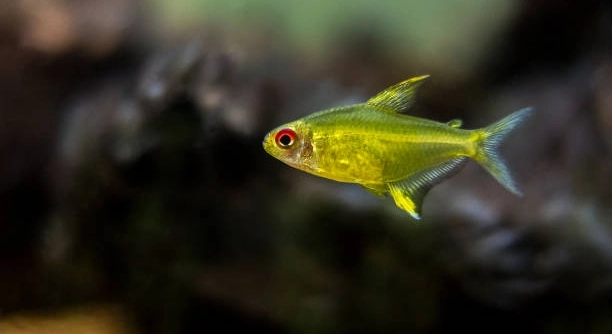
Do you ever find yourself arranging your aquarium and wondering which spots your Lemon Tetra will enjoy most? These small, bright fish are lively swimmers and appreciate certain water conditions for comfort and activity.
Lemon Tetras prefer a gentle to moderate water flow that mimics slow-moving streams. Excessive currents can stress them and disrupt their natural schooling behavior, while calm water allows for stable swimming and proper feeding patterns.
Understanding their flow preferences can help maintain a healthy, stress-free environment, ensuring your Lemon Tetras thrive and display their best colors and natural behaviors.
Understanding Water Flow in Aquariums
Setting up the right water flow in an aquarium can change how your Lemon Tetras behave. These fish come from slow-moving rivers and streams, so they are not built for strong currents. Too much flow can make them tire easily, forcing them to constantly swim against water movement. This can cause stress, reduce their appetite, and even affect their coloration. Gentle to moderate water flow is ideal because it allows them to swim naturally and maintain schooling patterns. In addition, subtle currents help distribute nutrients and oxygen evenly throughout the tank. Using a sponge filter or adjusting the output of a hang-on-back filter can help create the right flow. Observation is key—watch your tetras for signs of struggle or hiding. Positioning plants and decorations strategically can also break up currents, giving fish calmer areas to rest. A balanced flow keeps your aquarium healthier overall and your Lemon Tetras happier.
Creating gentle flow is usually simple with basic adjustments. Small changes can make a big difference in fish comfort.
Maintaining proper flow also supports tank cleanliness. Slow to moderate movement prevents debris from settling unevenly while keeping oxygen levels stable. This reduces algae buildup and allows plants to thrive. Fish can swim naturally without expending too much energy, promoting overall health and reducing disease risks. Lemon Tetras respond well to consistent flow patterns, and they quickly adapt when currents match their natural habitat. Proper flow ensures feeding efficiency because food does not get swept away too quickly. Even small tanks benefit from these adjustments, as proper circulation enhances water quality and reduces stagnant areas. Over time, this creates a balanced environment where fish behavior is predictable and peaceful. Using decorations wisely, such as driftwood and plants, provides both hiding spots and flow management, allowing your tetras to school safely. Gentle currents combined with stable water conditions lead to a visually pleasing aquarium and healthier, active fish that display vibrant colors naturally.
Adjusting Flow for Different Tank Sizes
Smaller tanks need careful flow adjustments because strong currents affect fish more intensely than in larger tanks.
In larger aquariums, flow can be more evenly distributed, but proper adjustment is still critical. Too much force from a filter outlet can create areas where Lemon Tetras struggle, while other areas remain stagnant. Using multiple gentle flow points or diffusers helps maintain uniform water movement. Plants and ornaments act as natural barriers, softening currents and providing shelter. Placement of filters and pumps should be done with observation in mind—watch how the fish interact with the water movement. Adjusting flow also aids in debris circulation, preventing buildup in corners and ensuring all areas get sufficient oxygenation. Regular monitoring and minor changes can help your tetras feel secure, swim naturally, and feed without difficulty. Balancing flow in both small and large tanks promotes fish health, reduces stress, and keeps the aquarium environment visually pleasing and sustainable. Proper flow creates a calm, active atmosphere where Lemon Tetras can thrive and display their natural behavior confidently.
Common Signs of Improper Flow
Lemon Tetras often hide near decorations or at the tank bottom when the water flow is too strong. They may appear lethargic or struggle to maintain position in the current.
Fish that constantly swim against a strong flow can show signs of stress, including faded colors or reduced appetite. When currents are uneven, some areas may become stagnant, while others are too fast, creating discomfort. Observing your tetras daily allows you to notice changes in behavior quickly. Adjusting filter output, adding plants, or using flow diffusers can help balance currents. Fish should swim freely without exhausting themselves, and calm zones give them a place to rest. Signs of stress can be subtle, so careful observation helps maintain a healthy, active school.
Long-term exposure to inappropriate flow can weaken immune systems, making tetras more susceptible to diseases. They may develop fin damage if constantly buffeted by strong currents. Flow adjustments must be gradual to avoid shocking the fish. Using flexible tubing, baffles, or moving filter outputs can create calmer zones, mimicking natural habitats. Regular observation ensures fish swim naturally, feed properly, and interact within the school without forced exertion. Creating gentle flow improves overall health, encourages natural coloration, and fosters active, confident swimming patterns. Proper placement of decorations also reduces stress points and provides visual breaks.
Tools and Techniques to Control Flow
Flow control tools include sponge filters, adjustable powerheads, and flow diffusers. These allow for precise adjustments suitable for small or large tanks.
Filters with adjustable output are particularly useful because they let you fine-tune water movement based on fish behavior. Sponge filters create gentle circulation while supporting beneficial bacteria growth. Flow diffusers redirect current, preventing strong directional pushes that tire tetras. Combining multiple tools allows better distribution, creating calm zones alongside areas with moderate movement. Positioning ornaments strategically breaks up fast currents, giving fish natural resting spots. Regular testing of flow patterns ensures no stagnant zones form, and fish can swim freely. Observing behavior after adjustments helps maintain ideal conditions.
Adding plants, driftwood, or rocks changes how water moves, providing natural barriers that soften currents. Floating plants also reduce surface turbulence, creating more stable conditions. In larger tanks, multiple low-flow outlets prevent strong jets from forming in single areas. Fine-tuning filter placement and output allows for even distribution across the aquarium, supporting consistent oxygenation and nutrient circulation. Over time, small adjustments make a noticeable difference in fish behavior, helping Lemon Tetras remain active, healthy, and stress-free. Tools and decorations work together to replicate natural slow-moving streams, allowing fish to display normal schooling patterns. Regular maintenance ensures water flow stays balanced and predictable.
Ideal Flow for Different Aquarium Setups
In small tanks, gentle currents prevent fish from being constantly pushed around. Decorations can help create calm zones for resting.
Larger tanks benefit from multiple low-flow points to distribute water evenly. Strong single currents can tire Lemon Tetras and disrupt schooling patterns, so balancing flow across the tank is key.
Using Plants to Modify Flow
Plants naturally reduce water movement and create sheltered areas. Floating plants soften surface currents, while rooted plants break up directional flow. Dense foliage offers resting spots and allows tetras to swim naturally without struggling. Regular pruning maintains proper flow and prevents stagnant areas in the aquarium.
Monitoring Fish Behavior
Observe swimming patterns and positioning daily. Fish consistently staying in one corner or hiding may indicate strong currents or uneven flow.
Adjusting Flow Gradually
Small, incremental changes in filter output or water direction prevent shocking your fish. Rapid alterations can stress Lemon Tetras and disrupt their normal behavior.
FAQ
How strong should the water flow be for Lemon Tetras?
Lemon Tetras do best in gentle to moderate water flow. Too strong a current can stress them and interfere with swimming patterns. Using adjustable filters or sponge filters helps create calm zones while maintaining enough movement for oxygen and nutrient distribution.
Can Lemon Tetras tolerate strong currents?
Strong currents are not ideal. They may exhaust the fish, causing fatigue, stress, and reduced appetite. Occasional movement through slightly faster water is fine, but constant strong flow can lead to behavioral issues and physical damage, such as frayed fins or constant hiding.
Do aquarium plants affect water flow?
Yes, plants naturally reduce flow and create calmer spots. Floating plants soften surface movement, while rooted plants and decorations break up directional currents. Strategically placing plants allows Lemon Tetras to swim freely while resting in calmer zones when needed.
Should I adjust flow differently in small vs. large tanks?
Small tanks require gentler flow because strong currents affect fish more intensely in limited space. Large tanks can handle multiple low-flow points to distribute movement evenly, avoiding single strong jets that tire the fish or disrupt schooling behavior.
How can I tell if the flow is too strong?
Watch the fish carefully. Constant hiding, struggling to swim, or staying in corners indicates strong currents. Signs like faded colors, frayed fins, or unusual lethargy also suggest stress from improper flow. Adjusting filter output or repositioning decorations can help reduce the current.
Do Lemon Tetras need calm areas?
Yes, calm areas are essential. They mimic natural habitats like slow-moving streams. Calm zones allow rest, reduce stress, and support natural schooling patterns. Plants, driftwood, or rocks can help create these areas without compromising overall circulation.
How often should I check water flow?
Daily observation is ideal. Fish behavior can change quickly with growth, new tank setups, or filter adjustments. Monitoring ensures Lemon Tetras remain comfortable, healthy, and active. Minor adjustments can prevent long-term stress and maintain natural swimming behavior.
Can adding multiple filters improve flow?
Yes, multiple filters or outlets can distribute flow evenly. Using several low-flow points prevents strong directional currents and reduces stagnant zones. This setup creates a balanced environment where fish swim naturally, feed efficiently, and interact comfortably within the school.
Does water flow affect feeding?
Absolutely. Too strong a flow can carry food away before fish can eat, reducing intake and causing stress. Gentle currents ensure food stays accessible, supporting healthy growth and normal behavior. Observing feeding helps gauge whether flow adjustments are necessary.
What tools can help manage flow effectively?
Adjustable powerheads, sponge filters, and flow diffusers work well. They allow precise control over current strength and direction. Combined with plants and decorations, these tools create calm zones and prevent strong jets, ensuring Lemon Tetras remain active, healthy, and stress-free in their aquarium.
Can flow affect water quality?
Yes, proper flow supports oxygenation and circulation, preventing stagnant areas where debris accumulates. Balanced movement promotes healthier plants, reduces algae growth, and keeps water conditions stable. Regular adjustments help maintain a clean and safe environment for Lemon Tetras.
How do I introduce flow changes without stressing the fish?
Make small, incremental changes. Gradual adjustments prevent shocking the fish and allow them to adapt naturally. Observing behavior after each change ensures currents remain suitable, keeping Lemon Tetras comfortable, active, and vibrant in color.
Are there any natural indicators of proper flow?
Healthy swimming, bright coloration, normal feeding, and regular schooling are good indicators. Fish resting in calm zones without hiding, interacting within the school, and showing natural behaviors suggest that water flow is well balanced.
Can decorations alone control water flow?
Yes, driftwood, rocks, and plants can redirect and soften currents. Strategic placement breaks strong jets, creates resting areas, and allows fish to swim naturally. Combining decorations with adjustable filters ensures both aesthetic appeal and ideal water movement.
How do seasonal changes affect water flow?
Seasonal changes in room temperature or tank water can alter flow patterns slightly. Monitoring filters and currents regularly ensures Lemon Tetras remain in comfortable conditions. Minor adjustments may be needed to maintain consistent gentle to moderate flow throughout the year.
Is it necessary to measure flow with tools?
Not always. Observing fish behavior is usually enough, but flow meters can provide precision in larger or heavily planted tanks. Measuring helps create uniform movement and ensures currents match the natural preferences of Lemon Tetras.
How quickly do Lemon Tetras adapt to flow changes?
Adaptation depends on the magnitude of change. Small, gradual adjustments are usually accepted within a few hours or days. Rapid or extreme changes may cause stress, hiding, or fatigue, so gradual tuning is always safer.
Can water flow affect breeding behavior?
Yes, calm zones and gentle flow encourage natural courtship and schooling behavior. Strong currents can disrupt pair bonding or nesting habits. Mimicking slow-moving streams helps provide an environment conducive to breeding while reducing stress.
What common mistakes affect flow management?
Placing filters too close to each other, creating strong jets, or ignoring tank size are common errors. Failing to account for plants, decorations, or fish behavior can lead to uneven currents, stress, and reduced activity in Lemon Tetras. Proper planning and observation prevent these issues.
How long should I observe behavior after adjusting flow?
Observe for several hours to a day after changes. Fish may initially react cautiously but should resume normal swimming, schooling, and feeding within hours. Persistent hiding or stress indicates further adjustments are needed to maintain ideal flow conditions.
Does lighting or surface agitation affect perceived flow?
Yes, strong surface movement can make currents feel stronger to fish. Floating plants or gentle surface ripples reduce agitation, creating calmer zones. Adjusting lighting and plant placement alongside filter output ensures water flow remains suitable for Lemon Tetras.
Are there benefits to slight flow variation?
Slight variation mimics natural conditions, encouraging active swimming without overexertion. Minor differences in current across the tank prevent stagnation, support oxygenation, and allow fish to choose preferred zones for swimming or resting. This balance promotes overall health and natural behavior patterns.
How does tank shape influence flow?
Long, narrow tanks can create directional currents, while wider tanks distribute flow more evenly. Placement of filters and decorations in each layout ensures Lemon Tetras have calm zones and consistent movement throughout the aquarium. Tank design plays a key role in managing proper flow.
Can other fish affect flow needs?
Yes, larger or more active tankmates can generate additional water movement. Consider their swimming patterns when adjusting flow for Lemon Tetras. Ensuring gentle to moderate overall currents keeps all species comfortable and reduces stress or conflict in the aquarium.
What is the most effective way to achieve balanced flow?
Combining adjustable filters, diffusers, plants, and decorations creates calm zones and evenly distributed currents. Regular observation of fish behavior and incremental adjustments help maintain a stable, natural environment where Lemon Tetras swim freely, feed efficiently, and remain healthy.
How often should I revisit flow settings?
Check flow whenever you make changes to the tank, add new decorations, or notice behavioral shifts. Periodic review ensures water movement stays appropriate as the fish grow and plants or decorations change, maintaining a stable and comfortable environment.
Are there signs of too little flow?
Yes, stagnant water can lead to debris accumulation, algae growth, and reduced oxygen. Fish may congregate near filter outlets to find better water movement. Proper balance between gentle flow and calm zones prevents these issues and supports healthy aquarium conditions.
Does temperature influence flow preferences?
Indirectly, yes. Warmer water holds less oxygen, so gentle circulation helps distribute oxygen evenly. Consistent flow also prevents temperature stratification, ensuring Lemon Tetras experience stable, comfortable conditions throughout the tank.
How do I maintain consistent flow long-term?
Regular cleaning of filters, pruning plants, and checking equipment output ensures steady currents. Minor adjustments as the tank evolves keep flow gentle to moderate, supporting Lemon Tetras’ health, schooling, and natural behavior over time.
Can I combine powerheads and sponge filters for best results?
Yes, combining them allows for precise control of flow strength and direction. Sponge filters provide gentle movement, while powerheads create controlled circulation. Together, they balance currents and create calm zones for resting, feeding, and natural swimming patterns.
Do water additives or treatments affect flow?
Most treatments do not directly affect flow, but excessive debris from medications or conditioners can temporarily alter water movement. Observing fish behavior during treatment ensures currents remain suitable and Lemon Tetras stay comfortable.
How long does it take to see improvement after flow adjustments?
Behavioral improvement is often visible within hours, while physical signs like coloration and energy may take a few days. Consistent, gentle currents allow Lemon Tetras to recover from stress caused by previous strong currents, promoting healthier, more active fish overall.
Can seasonal changes in room conditions affect flow?
Yes, changes in temperature or humidity can slightly alter filter performance and water movement. Periodic checks ensure currents remain gentle to moderate, maintaining comfort and stable conditions for Lemon Tetras regardless of seasonal variations.
What is the best strategy for new tank setups?
Start with minimal flow, observe fish behavior, and gradually increase until currents are gentle but consistent. Add plants and decorations to create resting zones. Incremental adjustments prevent stress and allow Lemon Tetras to acclimate naturally to their new environment.
Are there visual signs in plants that indicate flow issues?
Plants bending excessively or showing damage may indicate strong currents. Stagnant areas with debris or algae buildup suggest insufficient movement. Monitoring plant health alongside fish behavior provides a clear picture of flow effectiveness.
How does schooling behavior indicate proper flow?
Fish swimming together in a coordinated, relaxed manner suggests comfortable currents. If tetras scatter or struggle to maintain formation, the flow may be too strong or uneven. Balanced currents support natural schooling, reducing stress and enhancing aquarium aesthetics.
Can water height affect flow perception?
Yes, higher water levels increase the impact of filter output. Adjusting placement or using diffusers ensures currents remain gentle. Observing how Lemon Tetras swim at different levels helps fine-tune flow and maintain comfort across the tank.
Are there any signs to stop adjustments immediately?
Persistent hiding, rapid breathing, fin clamping, or frantic swimming indicates stress. Pause further adjustments and create calm zones. Allow fish to recover before resuming gradual flow changes to prevent long-term health issues.
Does tank substrate affect flow?
Yes, sand or fine gravel can be disturbed by strong currents, creating cloudiness and stress. Properly managed flow prevents substrate disruption while maintaining gentle circulation for healthy Lemon Tetras.
Can I combine floating and rooted plants for best results?
Yes, floating plants soften surface currents, while rooted plants break directional flow at lower levels. Combining both types creates layered zones for swimming, resting, and feeding, allowing Lemon Tetras to choose their preferred environment comfortably.
Do tetras prefer uniform or slightly variable currents?
Slightly variable currents mimic natural streams, encouraging swimming without overexertion. Uniform currents provide stability, but minor variation gives fish choices in movement intensity, promoting natural behavior and reducing boredom or stress.
How important is filter placement for flow management?
Filter placement is critical. Positioning near the tank surface or corners can create strong jets or stagnant zones. Adjusting direction and output ensures gentle, evenly distributed currents suitable for Lemon Tetras’ schooling and resting habits.
Can I use decorations to shield fish from flow?
Yes, driftwood, rocks, and plant clusters act as barriers, breaking strong jets and creating calm zones. Strategic placement helps fish rest, feed, and swim naturally without excessive effort, improving overall well-being.
How do I balance flow with aeration needs?
Moderate flow usually provides sufficient oxygen. Avoid over-agitating the surface, which can stress tetras. Combining gentle circulation with floating plants or diffusers maintains oxygenation while keeping currents comfortable.
Are there any tools to measure current strength accurately?
Flow meters or aquarium sensors can quantify water movement. They are especially useful in large or heavily planted tanks where visual observation alone might not detect uneven currents, ensuring ideal conditions for Lemon Tetras.
Can strong lighting affect perception of water flow?
Bright lighting can enhance surface ripples, making currents seem stronger. Adjusting light intensity or using floating plants reduces surface disturbance and helps maintain gentle, comfortable flow for the fish.
Do tetras change swimming behavior with seasonal temperatures?
Slightly, warmer water may encourage more active swimming, while cooler conditions slow movement. Maintaining gentle currents ensures comfort regardless of seasonal changes, preventing stress caused by faster or sluggish water flow.
What is the simplest way to test flow suitability?
Observe Lemon Tetras’ natural swimming, feeding, and schooling patterns. Comfortable fish will swim freely, rest in calm zones, and feed efficiently. Behavioral observation is usually more effective than relying solely on equipment readings.
Can water additives or medications affect swimming in currents?
Yes, some treatments can temporarily alter buoyancy or behavior. Watch fish closely and maintain gentle currents during treatment to prevent additional stress, ensuring recovery and comfort in the tank environment.
How often should I readjust for new plants or decorations?
After adding new elements, monitor currents for a few days. Adjust filter output or reposition items as needed to maintain calm zones, even distribution, and suitable swimming conditions for Lemon Tetras.
Are there any signs of long-term stress from poor flow?
Persistent hiding, faded colors, reduced appetite, fin damage, or erratic swimming indicate chronic stress. Correcting water flow gradually can restore health, but prolonged exposure to strong currents may require additional care and observation.
Can multiple species in the tank affect flow needs?
Yes, active or larger species can create additional currents. Ensure that flow remains gentle enough for Lemon Tetras, providing calm zones to prevent fatigue, stress, and disrupted schooling patterns.
Do surface agitation or bubbles disturb tetras?
Excessive agitation or bubbles can stress Lemon Tetras, especially near resting areas. Using diffusers, floating plants, or adjusting filter output reduces disturbance while maintaining sufficient oxygenation and gentle circulation.
Is it necessary to combine multiple flow management techniques?
Often, yes. Combining adjustable filters, diffusers, and strategic decoration placement ensures even, gentle currents. This approach creates calm zones, supports natural behavior, and prevents uneven or stressful water movement in the aquarium.
How do I ensure flow remains consistent over time?
Regular maintenance, monitoring fish behavior, and minor adjustments after plant growth or tank changes help maintain gentle, moderate flow. Consistency ensures Lemon Tetras remain healthy, active, and stress-free in their environment.
Can water chemistry affect swimming behavior in currents?
Yes, poor water quality can reduce energy, making even gentle currents stressful. Maintaining proper parameters, alongside balanced flow, ensures Lemon Tetras swim naturally and remain healthy.
Do tetras need different flow in breeding tanks?
Yes, calm, gentle flow is essential to reduce stress and allow natural courtship. Strong currents can interfere with spawning behavior or disrupt eggs, so creating soft, stable water movement is critical during breeding.
How do I create multiple calm zones in one tank?
Use plants, rocks, driftwood, and diffusers strategically. Multiple low-flow outlets can also help. This setup allows Lemon Tetras to choose preferred swimming areas while maintaining moderate overall circulation.
Are there signs that tetras prefer one area of the tank?
Yes, consistent swimming or resting in specific zones often indicates calmer currents or preferred flow. Adjusting equipment or decorations can balance currents across the tank, improving comfort and activity for all fish.
How does tank cleaning affect water flow?
Cleaning can temporarily alter currents if filters are moved or debris is disturbed. Gradual restoration of equipment and observation afterward ensures flow returns to suitable levels for Lemon Tetras.
Can improper flow affect interaction between fish?
Yes, strong or uneven currents can break up schools, reduce social behavior, and cause stress. Proper flow allows natural schooling, feeding together, and calmer interactions among Lemon Tetras.
Is it better to have one strong filter or multiple low-flow points?
Multiple low-flow points are usually better. They distribute water evenly, prevent strong jets, and create calm zones, supporting natural swimming and schooling without stressing Lemon Tetras.
Do substrate type and depth affect flow perception?
Yes, sand or fine gravel can shift in strong currents, creating stress. Properly managed flow prevents substrate disruption while maintaining gentle circulation for healthy swimming and feeding behavior.
Can flow management improve overall tank aesthetics?
Yes, balanced currents keep plants upright, prevent debris accumulation, and allow fish to display natural colors and behaviors. Proper flow enhances both visual appeal and fish health.
How important is observation in long-term flow management?
Observation is critical. Equipment may appear consistent, but fish behavior reveals true comfort. Monitoring swimming patterns, hiding, and schooling ensures flow remains gentle, moderate, and suitable for Lemon Tetras over time.
Can strong currents cause fin damage?
Yes, prolonged exposure to strong currents can fray fins or cause tearing. Gentle to moderate flow protects fin integrity while allowing natural movement and schooling behavior.
Does water temperature affect flow preferences?
Indirectly, yes. Warmer water holds less oxygen, so proper circulation is essential. Maintaining gentle, moderate currents ensures comfort and supports natural swimming patterns regardless of temperature fluctuations.
How do I combine flow management with feeding routines?
Feed in calm zones or areas where currents are gentle. Strong currents can carry food away, reducing intake. Observing feeding behavior helps adjust flow to maintain comfort and support healthy eating habits.
Are there signs that calm zones are too small?
Yes, overcrowding, hiding, or aggression in calm spots suggests insufficient space. Expanding or creating additional calm zones improves comfort, reduces stress, and allows Lemon Tetras to swim freely.
Can flow affect disease susceptibility?
Yes, stress from strong currents can weaken immune systems, making tetras more vulnerable. Proper flow reduces fatigue, supports natural behavior, and contributes to overall health and disease resistance.
Is there a visual guide to ideal flow?
Observation is the best guide. Fish swimming naturally, resting without stress, and feeding normally indicate suitable currents. Decorations and plants should create visible calm areas without stagnant zones.
Do tankmates influence preferred flow?
Yes, active or larger species may create additional water movement. Ensure overall currents remain gentle, giving Lemon Tetras calm zones to rest and swim naturally without exertion.
How often should I recheck flow in a mature tank?
Periodic checks every few weeks or after major changes ensure currents remain appropriate. Fish behavior and plant health indicate if adjustments are needed to maintain gentle, moderate flow consistently.
Can strong currents affect breeding success?
Yes, excessive flow can disrupt courtship, egg-laying, or fry survival. Calm zones are essential to support natural breeding behaviors and protect eggs from being swept away.
Are gentle currents better than completely still water?
Yes, some flow promotes oxygenation, circulation, and debris movement. Completely still water can lead to stagnant areas, algae buildup, and reduced oxygen, which negatively impacts Lemon
Final Thoughts
Maintaining the right water flow for Lemon Tetras is an important part of creating a healthy aquarium. These small, colorful fish come from slow-moving rivers, so strong currents can stress them and make it hard for them to swim naturally. Gentle to moderate water flow is ideal because it allows them to move freely, school together comfortably, and feed without difficulty. Observing their behavior regularly is key. If they hide, cling to decorations, or seem tired from swimming, the flow is likely too strong. Adjusting filter output, repositioning decorations, or adding plants can help create calmer areas. These simple steps make a noticeable difference in the fish’s comfort and overall health.
Flow is also closely connected to water quality and tank cleanliness. Proper circulation helps distribute oxygen and nutrients evenly throughout the aquarium while preventing stagnant areas where debris and waste could accumulate. This reduces the risk of algae buildup and ensures that plants remain healthy. In turn, a balanced tank environment supports the Lemon Tetras’ immune systems, allowing them to display their natural vibrant colors and behavior. Even in smaller tanks, careful management of water movement can prevent stress and create a more visually pleasing setup. Plants, driftwood, and rocks not only enhance the look of the tank but also provide natural barriers to soften currents and create resting zones. These elements combine to provide a stable environment where the fish can thrive.
Finally, paying attention to water flow is an ongoing process. Fish grow, plants expand, and decorations shift over time, which can alter currents and create areas that are too strong or too calm. Gradual adjustments are always better than sudden changes, as rapid alterations can shock the fish. By combining adjustable filters, diffusers, and thoughtful placement of plants and decorations, it is possible to create multiple calm zones while maintaining gentle overall movement. Observing the Lemon Tetras’ swimming patterns, feeding behavior, and schooling habits will provide constant feedback on whether the flow is appropriate. Consistency and careful observation ensure that the fish remain active, healthy, and stress-free. Over time, these small efforts result in a balanced, attractive, and functional aquarium where Lemon Tetras can display their natural behaviors and enjoy a comfortable, stable environment.

Hello,
If you enjoy the content that we create, please consider saying a "Thank You!" by leaving a tip.
Every little bit helps us continue crafting quality advice that supports the health, happiness, and well-being of pets around the world, for pets of all shapes, sizes, and species.
We really appreciate the kindness and support that you show us!