
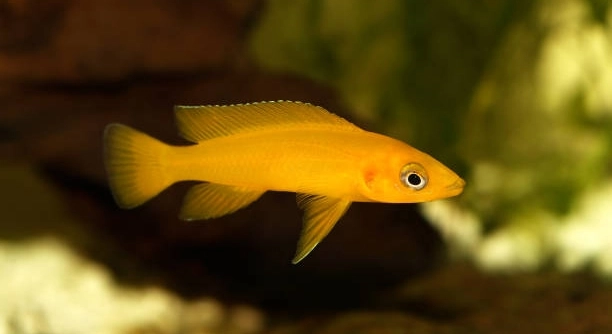
Do Lemon Tetras can be small but lively fish, often swimming in tight groups that shimmer with yellow hues. Observing them over time reveals patterns in behavior and interactions that may surprise even experienced aquarists.
Research indicates that Lemon Tetras are capable of recognizing familiar tank mates over time. This recognition is demonstrated through social interactions, reduced aggression toward known individuals, and consistent schooling patterns, suggesting memory retention and social familiarity within their environment.
Understanding these behaviors can enhance tank management and help ensure a harmonious community. Observing their interactions provides valuable insight into their social dynamics.
How Lemon Tetras Recognize Each Other
Lemon Tetras often form close-knit groups that exhibit distinct social behaviors. Over time, these fish display patterns of recognition that are subtle but noticeable. They swim together in coordinated schools, maintaining consistent distances from familiar tank mates. When introduced to new individuals, the group may initially act cautiously, but over days, they gradually accept newcomers. Recognition is not only visual but also involves chemical cues released in the water. These cues allow the fish to distinguish familiar individuals from strangers. Aggression is usually lower among recognized fish, which helps maintain stability within the tank. Observing these behaviors requires patience, as interactions can be quiet and easily overlooked. Feeding times can reveal patterns, as familiar pairs often feed closer together. The recognition process strengthens their social bonds and reduces stress. Overall, Lemon Tetras rely on both observation and chemical signals to maintain group harmony and ensure a balanced social environment.
This recognition helps keep schools stable and reduces tension among tank mates, creating a calmer environment for all the fish.
Consistency in behavior shows that memory plays a significant role in their interactions. Fish that have been together for longer periods develop preferences for certain companions, often staying near them. This social memory can influence feeding, swimming patterns, and resting spots within the tank. Newcomers are carefully assessed, and the existing fish may adjust their schooling formations to include or exclude them. Over time, the familiar individuals regain confidence and interact freely, demonstrating that recognition is ongoing rather than a one-time event. Observing these changes gives insight into how Lemon Tetras maintain social order and highlights the importance of stability in their environment.
Factors That Influence Recognition
Social stability is heavily influenced by tank size, population, and layout. Lemon Tetras in overcrowded tanks may struggle to identify each other clearly, leading to temporary stress or conflict.
Environmental factors, such as water quality, lighting, and the presence of hiding spots, can also impact recognition. Clear water allows visual cues to be more effective, while sufficient plants or decorations provide areas for fish to interact safely. Larger tanks give fish more space to establish personal zones, reducing unnecessary aggression. Age and size differences can affect recognition too, as older or larger fish may dominate interactions, causing smaller fish to adapt their behavior. Even feeding schedules influence social dynamics, as consistent routines reinforce familiarity. When changes occur, such as adding new tank mates or rearranging decorations, fish may need time to re-establish recognition patterns. Understanding these factors helps aquarists create a supportive environment that allows Lemon Tetras to maintain strong social bonds, promoting both their health and well-being.
Visual and Chemical Cues
Lemon Tetras rely on both sight and smell to recognize each other. Their bright yellow bodies and subtle markings make visual identification easier. Chemical signals in the water complement these visual cues, allowing fish to detect familiar companions even without direct contact.
Visual recognition helps maintain formation while swimming and feeding. Fish can quickly spot familiar patterns and adjust their position within the school. Chemical cues serve as an additional confirmation, strengthening social bonds and minimizing conflicts. This dual system ensures that recognition is consistent, even in larger groups where some individuals may be partially hidden or distracted by activity in the tank.
Chemical signals are released continuously and convey information about stress, health, and identity. These signals help fish maintain group cohesion and establish a social hierarchy. When changes occur, such as adding new tank mates, the signals allow existing fish to adapt their behavior. Observing these cues can reveal subtle shifts in relationships, showing how memory and recognition guide daily interactions within the school.
Long-Term Social Bonds
Familiarity among Lemon Tetras strengthens over months. Fish that have shared the same space for extended periods tend to swim closer together and display less aggressive behavior.
These long-term bonds influence feeding patterns, schooling behavior, and resting areas. Fish recognize each other not only by appearance but also through routine interactions and shared experiences. Over time, individual preferences emerge, with some fish consistently pairing during swimming or exploring. The bonds are maintained through repeated interactions and reinforced by environmental stability. Disruptions such as new additions or rearranged decorations may temporarily disturb the group, but recognition usually re-establishes quickly.
Maintaining stable conditions supports these relationships. Consistent water quality, feeding schedules, and tank layouts encourage recognition and comfort among fish. Long-term bonds reduce stress, improve overall health, and promote more coordinated swimming and feeding behaviors. Observing these patterns provides insight into their social structure, showing that memory and repeated interaction are key to strong relationships in Lemon Tetra groups.
Observing Recognition
Lemon Tetras often swim in consistent patterns with familiar tank mates. Watching how they adjust when new fish are added can reveal recognition behaviors.
Pairs or small groups tend to stay closer together and avoid aggressive displays toward each other, signaling established familiarity.
Behavioral Changes
Recognition influences feeding, resting, and schooling behaviors. Familiar fish often share the same areas during meals and rest periods. Aggression is lower among known companions, while newcomers may face cautious scrutiny. These patterns show that recognition affects daily interactions, promoting stability and reducing stress in the tank environment.
Tank Environment
A stable tank with clear water and hiding spots supports recognition. Fish feel more confident interacting when their surroundings are consistent.
FAQ
How long does it take for Lemon Tetras to recognize each other?
Recognition among Lemon Tetras usually develops over several days to a few weeks. Initial cautious interactions gradually shift to consistent swimming patterns and reduced aggression. Fish that share the same tank and feeding schedule for extended periods develop stronger social bonds. Familiarity is reinforced through repeated interactions and observation of each other’s behavior, which helps the school maintain cohesion. Chemical signals in the water also accelerate recognition, allowing fish to identify companions even without direct visual contact. Patience is key, as sudden changes in the tank can temporarily disrupt these recognition patterns.
Can Lemon Tetras forget their tank mates?
Yes, recognition can fade if fish are separated for a long time or moved to a different environment. Once reunited, fish may initially behave cautiously or show mild aggression before re-establishing social bonds. Familiarity can return, but the process may take days or weeks, depending on the length of separation and individual fish temperament. Consistent environmental conditions, such as stable water parameters and a predictable feeding schedule, help preserve recognition and make reintegration smoother.
Do Lemon Tetras show favoritism toward certain fish?
Lemon Tetras do tend to prefer specific companions, often swimming closer to certain individuals and feeding alongside them. These preferences develop through repeated interactions and shared experiences within the group. Familiarity and comfort influence which fish pair up, and this can vary over time as the school grows or environmental conditions change. These subtle preferences help maintain stability within the tank and reduce stress among the group.
What signs indicate that Lemon Tetras recognize each other?
Indicators include reduced aggression, synchronized swimming, and grouping behaviors. Recognized individuals often stay closer together during feeding or exploration. Fish may also establish shared resting areas and display less nervousness when near familiar companions. Observation over time reveals patterns, confirming that social memory and recognition guide daily interactions.
How do environmental changes affect recognition?
Changes in tank size, decorations, or water quality can temporarily disrupt recognition. New additions or rearranged plants may confuse fish, causing cautious behavior or minor disputes. Maintaining stable conditions supports consistent social bonds and allows recognition to remain strong. Gradual adjustments reduce stress and help fish re-establish familiar patterns.
Do juvenile Lemon Tetras recognize each other differently than adults?
Juveniles often rely more on chemical cues than visual recognition, as they are still developing coordination and social skills. Adults show more consistent schooling patterns and stronger preferences for companions. Recognition in younger fish strengthens as they mature, gradually resembling adult behaviors.
Can stress impact recognition?
Yes, stress from poor water quality, overcrowding, or sudden changes can interfere with social memory. Stressed fish may temporarily act aggressively or avoid familiar companions. Addressing stressors promptly helps recognition and normal social interactions return quickly.
Is it necessary to maintain groups for recognition?
Yes, Lemon Tetras thrive in groups. Being isolated can reduce social interaction and weaken recognition patterns. Schools encourage natural behavior, coordination, and comfort, allowing fish to maintain strong bonds over time.
Do feeding routines influence recognition?
Consistent feeding schedules reinforce familiarity. Fish that eat together regularly form stronger associations and maintain stable social hierarchies. Irregular feeding may increase stress and disrupt established bonds.
Can recognition affect overall health?
Strong social bonds reduce stress, which supports immune function and overall well-being. Fish that recognize and trust their tank mates are calmer, more active, and show fewer signs of stress-related illness.
Final Thoughts
Lemon Tetras are fascinating in how they interact with each other, demonstrating social behaviors that go beyond mere schooling. Observing them over time shows that these small fish can remember and recognize familiar companions. This recognition influences how they swim together, feed, and even rest within the tank. Fish that are familiar with each other tend to display less aggression and maintain closer distances, showing a level of comfort and trust that develops gradually. The combination of visual cues and chemical signals in the water allows them to identify companions even when they are partially hidden or distracted. By understanding these behaviors, aquarists can better manage their tanks, ensuring that fish live in a stable and harmonious environment that supports both social interaction and overall well-being.
Providing a consistent tank environment is essential for supporting recognition among Lemon Tetras. Stable water parameters, adequate hiding spots, and a predictable feeding schedule all contribute to a sense of security for the fish. Changes in the tank, such as adding new decorations or introducing new fish, may temporarily disrupt social bonds, but recognition usually re-establishes with time and observation. Long-term familiarity strengthens their social bonds, helping fish feel secure and reducing unnecessary stress. Juvenile fish develop recognition through repeated interactions and chemical cues, and these behaviors become more consistent as they mature. By maintaining a stable and predictable environment, aquarists can encourage natural behaviors and strong social memory, which improves the health and cohesion of the group.
Recognition among Lemon Tetras is not only interesting to observe but also important for their well-being. Fish that are comfortable with their companions show calmer behavior, feed more efficiently, and are generally healthier. Disruptions in recognition or social bonds can lead to stress, which may affect immune function and overall vitality. By paying attention to their behavior and providing a supportive environment, aquarists can ensure that Lemon Tetras thrive socially and physically. Observing the subtle ways these fish remember and interact with each other adds a rewarding dimension to fishkeeping, highlighting the importance of social memory in maintaining balance and harmony in a community tank.

Hello,
If you enjoy the content that we create, please consider saying a "Thank You!" by leaving a tip.
Every little bit helps us continue crafting quality advice that supports the health, happiness, and well-being of pets around the world, for pets of all shapes, sizes, and species.
We really appreciate the kindness and support that you show us!