
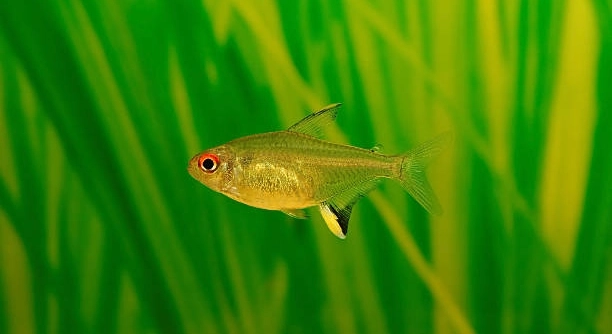
Are your aquariums feeling a bit plain, leaving your lemon tetras with limited space to explore and hide? Decorating your tank can create a lively, engaging environment that benefits both the fish and the overall aesthetic.
Simple decorations for lemon tetra tanks include live plants, smooth stones, driftwood, artificial plants, floating moss, leaf litter, and gentle backgrounds. Each element provides shelter, reduces stress, and encourages natural swimming behaviors in a safe, healthy environment.
Adding these small touches can transform your tank, making it both visually appealing and more comfortable for your lemon tetras.
Live Plants
Live plants bring life and movement into a lemon tetra tank. They provide hiding spots for shy fish and create a natural environment that reduces stress. Fast-growing plants like hornwort or java moss are easy to maintain and help keep water clean by absorbing excess nutrients. They also give the fish places to explore, swim through, and rest near. Using a variety of heights and textures can make the tank more interesting visually, creating a layered effect that feels natural. Plants can also improve water quality by producing oxygen during the day and slightly buffering pH levels. Some plants, like anubias, attach to driftwood or rocks, which prevents uprooting and makes maintenance easier. Careful placement ensures that fish can swim freely while still having shaded areas to hide in. Regular trimming prevents overcrowding, and slow-growing plants reduce the need for frequent attention, making the tank manageable even for beginners.
Plants also help your fish feel secure and confident in their environment.
Adding live plants improves the tank’s ecosystem while giving lemon tetras safe, shaded areas. The visual appeal is natural and calming, and they encourage swimming through foliage, which stimulates natural behaviors. Combining rooted and floating plants can create depth and variation, making your aquarium look fuller and more dynamic. Observing tetras navigate through plants is satisfying and shows they feel comfortable. Over time, plants may propagate and fill in empty spaces, creating a self-sustaining environment that supports both fish and water health. Consistent care, such as pruning and checking for dead leaves, keeps the tank clean. Pairing plants with other decorations, like stones or driftwood, enhances hiding spots and swimming paths. The combination of greenery, shapes, and textures adds character without overcrowding, allowing the tetras to thrive while giving the aquarium a pleasant, natural feel.
Driftwood
Driftwood offers both aesthetic and functional benefits for a lemon tetra tank.
It creates shaded areas for fish to rest and reduces aggressive behavior. Placing driftwood carefully can guide swimming patterns and provide natural hiding spots.
Driftwood also releases tannins, slightly tinting the water and creating a soft, calming environment. These tannins mimic the tetras’ natural habitat, encouraging natural behaviors and making them feel more secure. Wood comes in different shapes and sizes, allowing for creative tank arrangements. Pairing driftwood with plants enhances the natural look while offering additional surfaces for moss and small plants to attach. Regular cleaning prevents algae buildup, while soaking certain types before adding them to the tank removes excess tannins and avoids drastic water color changes. Over time, driftwood can become a focal point, giving your aquarium character and depth. By combining driftwood with stones or leaf litter, the tank maintains variety and balance, supporting healthy fish activity and promoting a visually pleasing setup that is easy to maintain.
Smooth Stones
Smooth stones add texture and structure to a lemon tetra tank. They create hiding spots and resting areas while preventing sharp edges that could harm delicate fins. Arranging them in small clusters can enhance swimming routes and provide a natural feel.
Stones can be used to form small caves or borders along the tank bottom. Choosing rounded, polished stones avoids injuries and allows tetras to swim safely. Grouping stones with varied heights creates visual depth and adds interest without overcrowding the tank. Stones also anchor plants or moss, keeping them in place. They are easy to clean and rarely alter water chemistry, making them low-maintenance additions that last for years. Their neutral colors complement plants, driftwood, and other decorations, blending naturally into the overall tank design. Over time, tetras may interact with these stones, swimming through spaces or resting near them. The arrangement can be changed as needed to keep the environment stimulating and engaging.
When paired with moss or small plants, smooth stones enhance the tank’s natural appearance. They provide stability for decorations and safe spaces for lemon tetras to explore, hide, and feel secure, contributing to both function and aesthetics.
Floating Moss
Floating moss softens the look of a tank while offering shade for tetras. It moves gently with the current and provides areas for fish to swim under or around.
This decoration helps reduce light intensity in certain areas, creating shaded spots that make tetras feel more secure. Moss can also catch tiny food particles, giving the fish occasional nibbling opportunities and helping maintain water clarity. Floating moss grows quickly, requiring occasional thinning, but this growth allows it to act as a natural filter, trapping debris and balancing nutrients. It creates a dynamic surface layer that enhances the tank’s texture and movement, especially when combined with other plants or driftwood. Placement near the surface encourages natural swimming behavior, while leaving open areas ensures tetras can navigate freely. Its soft appearance contrasts with stones or wood, adding variety and making the aquarium visually appealing. Regular maintenance keeps moss healthy and prevents excessive accumulation, ensuring a clean and attractive habitat for your lemon tetras.
Leaf Litter
Leaf litter provides natural hiding spots and adds texture to the tank floor. It creates a soft substrate for tetras to swim over and rest near, enhancing the tank’s natural feel while supporting their comfort.
Decomposing leaves release beneficial tannins, slightly lowering pH and mimicking the tetras’ native environment. This process also helps maintain a healthy micro-ecosystem, encouraging natural behaviors like foraging and exploring shaded areas.
Artificial Plants
Artificial plants offer a low-maintenance way to create structure and hiding spots. They do not require trimming or special lighting, making them ideal for busy tank owners. Proper placement ensures tetras can navigate freely while enjoying shaded areas.
Tank Background
A tank background adds depth and reduces reflections, helping tetras feel secure. Solid or nature-inspired designs create a calm environment and highlight the colors of your fish.
Small Caves
Small caves give lemon tetras private spaces to rest or retreat. They mimic natural shelters, reducing stress and encouraging natural swimming and social behaviors within the tank.
FAQ
How do I choose the right decorations for my lemon tetra tank?
Selecting decorations should focus on safety and function. Smooth edges, non-toxic materials, and stable structures are essential. Combining live plants, driftwood, stones, and leaf litter creates hiding spaces and swimming areas. Avoid overcrowding to ensure fish can move freely. Consider decorations that complement the tank size while offering natural textures, shades, and surfaces. Observing your tetras’ behavior can guide adjustments. Decorations should encourage exploration, reduce stress, and mimic aspects of their natural habitat. Regularly check for sharp edges or unstable items that could harm delicate fins. Balance aesthetics with practicality to maintain both a visually pleasing and healthy environment.
Can lemon tetras live with artificial plants instead of live plants?
Yes, artificial plants can replace live plants if proper care is taken. They offer hiding spots, reduce stress, and provide vertical and horizontal space for swimming. Unlike live plants, they don’t require trimming, fertilizing, or special lighting. Choose soft, flexible materials to avoid fin damage. Position plants to allow free swimming while creating shaded areas. Artificial plants can be combined with stones or driftwood to enhance natural appearance. Regular cleaning is necessary to prevent algae buildup, and periodically rearranging them can keep the tank stimulating. While they lack the oxygenating and nutrient-balancing effects of live plants, artificial plants still support a comfortable and visually appealing environment for lemon tetras.
How often should I clean decorations in my tank?
Decorations should be cleaned regularly, typically every 2-4 weeks, depending on algae growth and debris accumulation. Smooth stones, artificial plants, and small caves can be rinsed in tank water or lightly scrubbed with a soft brush. Avoid soap or chemical cleaners as they can harm fish. Driftwood may need soaking to remove excess tannins. Leaf litter should be removed or replaced if it begins to decompose excessively. Live plants require trimming and removal of dead leaves to maintain water quality. Floating moss may need thinning to prevent overcrowding. Keeping decorations clean ensures that your lemon tetras have a healthy, safe, and visually appealing environment.
Do lemon tetras need hiding spaces even in a small tank?
Yes, hiding spaces are essential regardless of tank size. Lemon tetras are small but active fish that need areas to feel secure. Even in compact tanks, adding stones, caves, or plants provides places to retreat, reduces stress, and encourages natural behaviors. Grouping a few decorations strategically can create multiple hiding spots without limiting swimming space. Small tanks benefit from vertical and horizontal decoration placement, offering layers and depth. Overcrowding should be avoided, but a few carefully chosen items can make the tank more comfortable. Observing fish behavior helps determine if additional shelter is needed. Stress reduction leads to healthier, more active tetras that display vibrant colors.
Can driftwood affect water quality in my tank?
Driftwood releases tannins, which slightly lower pH and soften water. This is generally beneficial for lemon tetras, as it mimics their natural habitat. However, excessive tannins can tint the water, which is harmless but may require partial water changes. Pre-soaking driftwood reduces initial tannin release. Proper cleaning prevents mold or unwanted bacteria. Driftwood can also serve as an anchor for moss or plants. Over time, it becomes a focal point while supporting natural behaviors. Maintaining a balance between driftwood and other decorations helps prevent over-acidifying the water and keeps the tank healthy and visually appealing.
How do I arrange multiple types of decorations without overcrowding?
Start by placing larger decorations, such as driftwood or stones, first. Then add plants and smaller items, leaving open swimming areas. Layer decorations to create depth and provide shaded and exposed spaces. Ensure that tetras can navigate freely while accessing hiding spots. Avoid clustering items too closely together, as this can limit swimming space and create dead zones. Mixing textures, heights, and colors adds interest without clutter. Regularly observe fish movement and adjust items as needed. Rotating or slightly changing arrangements periodically can keep the environment stimulating while preventing overcrowding. A balanced setup supports both visual appeal and fish well-being.
Are there decorations that should be avoided in a lemon tetra tank?
Avoid sharp, rough, or brittle materials that could injure fins. Painted or coated items may leach harmful chemicals into the water. Large ornaments that take up most of the swimming area can stress fish and limit natural behavior. Avoid heavy objects that may collapse or shift, risking injury. Certain rocks can alter water chemistry if reactive, and artificial plants with rough edges can tear fins. Decorations that trap waste or make cleaning difficult should also be avoided. Choosing safe, smooth, and stable items ensures a secure environment. Regular inspection helps maintain safety and prevents accidental harm.
How can I make decorations more natural-looking?
Combining stones, driftwood, leaf litter, and live or artificial plants creates a layered, natural appearance. Use varied textures, heights, and colors to mimic the tetras’ habitat. Floating moss and small caves enhance depth and shelter. Strategically placing items to form swimming paths adds realism. Soft lighting can highlight textures and create shadows. Avoid symmetrical arrangements; natural randomness feels more authentic. Mixing live and artificial elements allows maintenance flexibility while keeping a natural look. Observing the fish helps guide adjustments. Over time, decorations may shift slightly or plants grow, further enhancing the natural feel.
Do lemon tetras interact differently with each type of decoration?
Yes, lemon tetras respond to each decoration uniquely. They swim through plants, rest near stones, and hide in caves when stressed. Floating moss offers shade and gentle currents for comfort. Driftwood can serve as a focal point for exploration, while leaf litter encourages foraging behavior. Artificial plants provide consistent hiding spots. Observing their behavior allows for thoughtful placement and adjustments. Interactions indicate comfort, security, and engagement. Different decorations stimulate natural instincts, reduce stress, and encourage healthy activity. Tracking these interactions over time helps maintain a balanced, engaging tank environment that supports both behavior and aesthetics.
How do decorations affect breeding behavior in lemon tetras?
Decorations play a subtle role in breeding. Leaf litter, moss, and plants provide hiding and spawning areas, reducing stress and creating secluded zones. Dense foliage or small caves allow fry to escape adults. Properly arranged decorations encourage natural courtship behaviors and increase the likelihood of successful breeding. Clean, safe, and stable setups reduce disturbances during this period. Observing the tank environment helps identify ideal spots for egg-laying. Even in community tanks, offering decorations ensures that tetras have choice and security, promoting reproductive activity without compromising overall tank health or accessibility.
Can I use decorations to help control tank lighting and reflection?
Yes, decorations can reduce glare and provide shaded areas. Tall plants, driftwood, and floating moss block excess light and reflections, making fish feel secure. Backgrounds also minimize mirror effects that can stress tetras. Combining these elements balances light exposure and improves the tank’s visual appeal. Proper placement creates natural light variation, promoting comfortable swimming zones while preventing overexposure. Observing fish movement helps fine-tune decoration positions for optimal comfort and minimal stress. This approach enhances both functionality and aesthetics, giving tetras a calmer, safer environment.
Are certain decorations better for beginners?
Simple, low-maintenance decorations like smooth stones, artificial plants, and pre-soaked driftwood are ideal for beginners. They require minimal upkeep, are safe for fish, and allow flexibility in tank design. Floating moss and small caves add functionality without complex care requirements. Combining a few basic decorations provides hiding spots, swimming paths, and visual interest without overwhelming a new aquarist. Observing fish behavior helps beginners adjust placement gradually. Avoid high-maintenance live plants initially, focusing on durability and ease of cleaning. This balance allows beginners to create a healthy, engaging tank while learning essential care practices.
What maintenance tips keep decorations safe and appealing?
Regular inspection and cleaning prevent algae buildup, sharp edges, and decaying materials. Remove debris, trim live plants, and soak driftwood if necessary. Replace leaf litter periodically and rinse stones or artificial plants in tank water. Check stability to avoid shifts or collapses. Avoid chemical cleaners. Adjust placement to support fish activity, comfort, and tank aesthetics. Consistent maintenance preserves both functionality and visual appeal, ensuring a safe, stimulating environment for lemon tetras. Observing interactions helps determine if changes are needed, keeping the tank balanced and enjoyable for both fish and aquarist.
How do decorations impact overall tank health?
Decorations contribute to water quality, habitat structure, and fish stress levels. Live plants absorb nutrients, reduce nitrates, and produce oxygen. Driftwood releases beneficial tannins, while moss traps debris. Stones and caves provide surfaces for beneficial bacteria. Proper arrangement encourages swimming, hiding, and natural behavior, reducing stress-related illness. Balanced decorations improve biological filtration, maintain clean water, and support fish activity. A thoughtfully decorated tank creates a self-sustaining environment, enhancing both aesthetics and the well-being of lemon tetras. Regular care ensures decorations continue to serve functional and visual roles effectively.
Can I mix live and artificial decorations effectively?
Yes, combining live and artificial elements balances aesthetics, function, and maintenance. Live plants provide natural oxygenation and nutrient control, while artificial items offer stable hiding spots and low upkeep. Driftwood, stones, and moss can support both types. Proper placement ensures free swimming areas, shade, and secure shelters. Observing fish behavior helps fine-tune the arrangement. Mixing decorations allows flexibility, visual variety, and reduced maintenance without sacrificing natural appeal. This combination supports healthy water parameters, encourages exploration, and creates a comfortable, visually engaging tank environment for lemon tetras, accommodating both practicality and beauty.
How do I introduce new decorations without stressing fish?
Introduce new items gradually, placing them carefully to avoid sudden changes. Rinse thoroughly to remove dust or residues, and pre-soak driftwood to limit tannin release. Rearrange existing decorations slowly, observing fish reactions. Offer hiding spaces immediately to reduce stress. Avoid overcrowding, and maintain open swimming paths. Monitor behavior for signs of discomfort, adjusting placement as needed. Gradual introduction allows tetras to adapt to new textures, shapes, and shadows. This approach minimizes stress, supports natural behavior, and keeps the tank environment stable and comfortable while refreshing the aquarium layout.
Can decorations help manage algae growth?
Yes, decorations influence light exposure and flow, indirectly affecting algae growth. Floating moss and tall plants create shaded areas, reducing direct light on surfaces. Stones and driftwood provide surfaces for beneficial bacteria, which compete with algae for nutrients. Regular cleaning of decorations prevents excessive buildup. Strategic placement limits stagnant zones where algae may thrive. Live plants absorb nutrients, reducing algae food sources. Combining these strategies supports a cleaner tank while maintaining visual appeal. Maintaining balance between light, nutrient levels, and cleaning frequency ensures decorations contribute positively to algae management.
Do lemon tetras prefer certain decorations over others?
Observations show lemon tetras favor decorations offering shade and shelter. They swim through plants, hide near stones, and rest in caves. Floating moss provides comfort and gentle cover. Driftwood attracts exploration, while open areas remain important for free movement. Preferences vary slightly per fish, so offering multiple options ensures they can choose safe spots. Monitoring behavior helps refine placement. Providing varied textures, heights, and shaded zones encourages natural swimming, social interactions, and security. A diverse arrangement meets both functional needs and environmental enrichment, creating a balanced, comfortable habitat that supports well-being and activity for lemon tetras.
How do I safely remove or replace old decorations?
Remove decorations carefully to avoid stressing fish. Lift items slowly, rinsing or cleaning them before replacement. Avoid sudden rearrangements that disrupt hiding spots. Pre-soak driftwood if needed and trim dead plant material. Replace leaf litter periodically, ensuring safe alternatives for cover. Observe tetras’ behavior after changes, allowing adjustment time. Proper handling prevents injury, maintains water quality, and preserves a stable environment. Gradual replacement or rotation keeps the tank engaging while minimizing disruption. Maintaining familiar structures helps reduce stress while new items integrate smoothly into the habitat.
Can decorations improve my tank’s aesthetic appeal without affecting fish health?
Yes, decorations can enhance the tank visually while supporting fish welfare. Stones, driftwood, plants, moss, and leaf litter add texture, depth, and color. Balanced placement ensures free swimming and secure hiding areas. Using safe materials prevents harm while creating a natural-looking, visually pleasing environment. Proper maintenance ensures longevity and cleanliness, supporting both aesthetics and fish health. Variety in height, color, and texture enhances appeal without compromising water quality. Strategic arrangements combine functionality and beauty, providing a comfortable, engaging habitat for lemon tetras while making the aquarium visually attractive for observers.
Do decorations influence social behavior in lemon tetras?
Decorations affect group dynamics by providing territories and hiding spots. Caves, plants, and stones reduce aggressive interactions by offering escape routes. Shaded areas encourage schooling and resting in small groups. Open swimming zones allow social interaction and active movement. Properly arranged decorations balance safety and space, minimizing conflict while supporting natural behaviors. Observing how tetras use each area can guide adjustments, ensuring all fish have access to cover and swimming areas. This creates a harmonious environment, reduces stress, and encourages normal social behaviors like schooling, foraging, and exploring, contributing to overall health and well-being.
Are there seasonal considerations for tank decorations?
Seasonal changes in light, temperature, or maintenance routines may influence decorations. For example, longer daylight hours may accelerate plant growth or algae development, requiring more frequent trimming or cleaning. Floating moss or plants may need repositioning to balance light and shade. Seasonal water parameter fluctuations may affect driftwood tannin release. Observing fish behavior and tank conditions ensures decorations continue supporting comfort and aesthetics. Adjustments help maintain a stable environment year-round. Seasonal awareness allows proactive care, preventing stress and maintaining a safe, visually appealing habitat for lemon tetras.
What is the best way to combine multiple decoration types?
Start with a base layer of stones and driftwood, forming stable structures and hiding spaces. Add live or artificial plants for vertical coverage and movement. Include leaf litter or floating moss for texture and shaded areas. Ensure open swimming paths remain accessible. Arrange items in layers to create depth, balancing height, color, and density. Monitor fish behavior to confirm comfort and adjust placement as needed. Combining materials thoughtfully creates a natural, engaging environment while minimizing maintenance and promoting healthy activity. This method balances aesthetics, functionality, and fish well-being in a visually appealing and safe tank setup.
Can decorations help with stress reduction in lemon tetras?
Yes, providing hiding spots, shaded areas, and structured environments reduces stress. Caves, driftwood, plants, and leaf litter give tetras control over where they swim and rest. Safe, familiar areas lower cortisol levels and encourage natural behavior. Observing interactions helps fine-tune decoration placement. A balanced, varied arrangement promotes comfort and activity, minimizing stress-related illness while supporting social interactions and overall well-being. Proper use of decorations enhances both physical and psychological health, giving lemon tetras a secure and stimulating habitat that encourages thriving in the aquarium environment.
Are there space-saving decoration ideas for small tanks?
Vertical decorations like tall plants or layered driftwood maximize space. Small caves, moss, and stones can be grouped without crowding swimming areas. Floating plants add coverage without taking floor space. Combining elements strategically ensures tetras have hiding spots and open areas. Minimalist arrangements with varied textures create depth and interest. Using lightweight, compact items allows easy rearrangement and cleaning. Observing fish movement confirms accessibility and comfort. Even in small tanks, careful placement can provide functional hiding spots, natural aesthetics, and sufficient swimming space without overcrowding.
How can I tell if my lemon tetras like the decorations?
Observe swimming patterns, hiding behavior, and general activity. Fish that explore, rest in shaded areas, or use caves and plants regularly are comfortable with the setup. Stress signs like constant hiding, erratic swimming, or fin damage indicate issues. Adjusting placement or adding/removing items can improve comfort. Regular monitoring ensures decorations serve their intended purpose while supporting natural behavior and overall health.
Can I use decorations to separate aggressive or shy tetras?
Yes, placing plants, stones, or caves strategically creates zones for retreat or reduced interaction. Shy fish can hide or rest in secluded areas, while more active or dominant fish have open swimming paths. This reduces stress, limits conflict, and encourages natural social behavior. Observation helps fine-tune placement, ensuring all tetras have access to shelter and free swimming zones. Properly arranged decorations provide balance, safety, and comfort for both aggressive and timid individuals, improving group harmony and supporting health.
Do lemon tetras interact differently with live plants compared to artificial ones?
Live plants offer dynamic elements such as soft leaves, oxygenation, and nutrient absorption, which may encourage foraging and exploration. Artificial plants provide consistent structure and safe hiding spots. Tetras often explore both types, but live plants create a more natural, stimulating environment. Combining both types can maximize comfort, variety, and tank aesthetics while supporting natural behavior and ease of maintenance. Observing interactions helps refine placement to optimize security, shade, and swimming paths for all fish.
Are there safety concerns when adding multiple decorations at once?
Yes, adding too many items simultaneously can stress fish, block swimming paths, or create unstable areas. Introduce new decorations gradually, ensuring each item is safe, non-toxic, and stable. Observe tetras’ reactions, leaving open spaces for swimming. Avoid sharp edges and overcrowding. Gradual integration allows fish to adapt, prevents injury, and maintains water quality. Careful planning ensures decorations enhance the tank’s function and appearance without compromising safety or comfort.
How do decorations affect feeding behavior in lemon tetras?
Decorations provide shaded areas or cover where tetras may forage or rest before feeding. Floating moss or plants can trap small food particles, encouraging natural foraging behavior. Open swimming areas allow easy access to food, while hiding spots reduce stress and promote healthier feeding patterns. Observing interactions with decorations helps adjust feeding locations and quantities, ensuring all fish can eat comfortably and naturally. Well-placed decorations support feeding efficiency and reduce competition while maintaining a stimulating environment.
Can I rearrange decorations frequently?
Yes, but changes should be gradual to prevent stress. Small adjustments can keep the environment stimulating while maintaining familiar hiding spots. Avoid drastic shifts that block swimming paths or remove security areas. Observe fish responses and restore balance if needed. Gradual rearrangement preserves comfort while refreshing tank aesthetics and function.
Do decorations help with breeding and fry protection?
Leaf litter, moss, and caves offer secluded zones for spawning and fry safety. Dense plants or shaded areas reduce predation and stress, giving fry space to hide. Decorations mimic natural habitats, supporting courtship and reproductive behavior. Proper arrangement ensures fry access to shelter while allowing adults to swim freely. Observing tank use helps refine placement for optimal breeding conditions.
How can I make a small tank feel larger with decorations?
Layer decorations vertically and horizontally to create depth. Use smaller stones, compact plants, and driftwood to avoid clutter. Backgrounds and open swimming areas add visual space. Floating moss and transparent materials can create airy areas. Proper placement ensures safe hiding spots while maintaining movement freedom. Strategic decoration arrangement enhances perceived size, comfort, and aesthetics in smaller aquariums.
Are there decorations that can provide long-term benefits?
Yes, live plants, driftwood, and stable stones offer lasting advantages. They improve water quality, provide shelter, and encourage natural behavior. Floating moss and durable artificial plants continue giving hiding spots and
Final Thoughts
Creating a comfortable and visually appealing tank for lemon tetras is not difficult when you focus on simple, safe decorations. Each element added to the tank plays a role in the fish’s overall well-being. Smooth stones, driftwood, plants, moss, and leaf litter all contribute to a natural environment where tetras can swim freely, hide when they feel stressed, and explore without obstacles. Even small decorations can make a big difference in reducing stress and encouraging natural behavior. By using a combination of materials, you can create depth and texture, giving the aquarium a layered, dynamic appearance without overcrowding the space. Careful planning ensures that each decoration serves both a functional and aesthetic purpose, making the tank enjoyable to look at while remaining a safe habitat for your fish.
Decorations also influence water quality and tank maintenance. Live plants help reduce excess nutrients, absorb nitrates, and provide oxygen during the day, improving overall water health. Driftwood releases tannins that slightly lower pH and soften the water, replicating the natural conditions lemon tetras prefer. Even leaf litter and moss contribute by providing shaded areas and surfaces for beneficial bacteria to grow. Artificial plants, smooth stones, and small caves can provide similar benefits without the additional care required for live plants. Regular cleaning of decorations prevents algae buildup and decay, which can negatively affect water conditions. By maintaining a clean and balanced environment, you support the long-term health of your tetras and ensure the tank continues to function smoothly.
Finally, decorating a lemon tetra tank is about balance and observation. Arranging items in a way that allows open swimming paths, hiding spots, and shaded areas helps the fish feel secure and encourages natural social interactions. Over time, observing how your tetras use each decoration will guide adjustments, showing which areas are popular and which may need improvement. Even in a small tank, thoughtful placement of vertical and horizontal elements can create the illusion of space while offering shelter and comfort. Consistently monitoring the tank, cleaning decorations, and maintaining water quality ensures a healthy, engaging environment. With a simple, intentional approach, your aquarium becomes a safe, attractive, and functional home for lemon tetras that supports their natural behavior and well-being.

Hello,
If you enjoy the content that we create, please consider saying a "Thank You!" by leaving a tip.
Every little bit helps us continue crafting quality advice that supports the health, happiness, and well-being of pets around the world, for pets of all shapes, sizes, and species.
We really appreciate the kindness and support that you show us!