
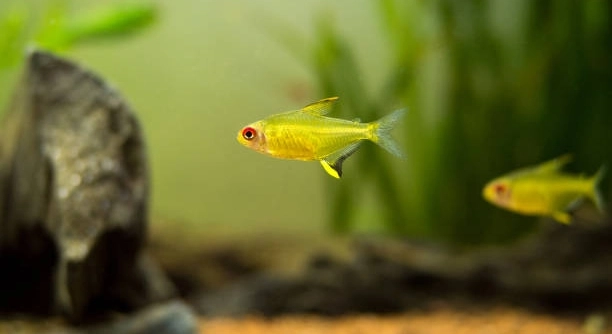
Lemon tetras are small, lively fish that brighten any tank with their yellow hue. Many fish owners enjoy keeping them, but questions about their care often arise, especially when considering oxygen levels in smaller aquariums.
Lemon tetras can survive in tanks with slightly lower oxygen levels, but their health and activity may decline over time. Maintaining proper aeration and water movement is essential to prevent stress and support normal behavior and growth.
Even small adjustments to tank setup can make a noticeable difference. Understanding these factors ensures your lemon tetras thrive in their environment.
Understanding Lemon Tetras’ Oxygen Needs
Lemon tetras are small fish that rely on dissolved oxygen in water to survive and stay active. In low-oxygen tanks, they can become sluggish, hide more often, and lose appetite. Their gills extract oxygen directly from water, so even slight changes in oxygen levels can impact their behavior. Warmer water holds less oxygen, so tanks that heat up quickly may stress them further. Plants and decorations can also influence oxygen circulation, sometimes creating pockets of lower oxygen. Regular water movement, through a gentle filter or air stone, helps keep oxygen levels stable. Observing your fish closely is important; sudden lethargy or unusual swimming patterns often signals low oxygen. Keeping the tank clean, avoiding overfeeding, and maintaining proper temperature ensures that the water remains oxygen-rich. Small changes in tank management can improve overall health. Consistency is key because lemon tetras adapt better when their environment is stable and predictable.
Maintaining moderate water flow and some surface agitation helps oxygen spread evenly.
Monitoring oxygen, temperature, and tank setup prevents stress and promotes long-term survival for lemon tetras. Regular testing gives you control over their environment.
Signs of Low Oxygen Stress
Fish that struggle in low-oxygen conditions may gasp at the water surface or hover near filters.
Lemon tetras under oxygen stress often reduce movement and lose interest in food. Over time, chronic low oxygen can weaken their immune system, making them vulnerable to disease. Color may fade, and they might swim erratically or cling to cooler water spots. Sudden tank changes, overcrowding, or warmer water can worsen oxygen depletion. Observing these signs early allows intervention before severe health issues develop. Adding aeration, improving circulation, and avoiding overstocking are effective ways to maintain adequate oxygen levels. Even minor adjustments, like trimming dense plants or rearranging decorations to improve water flow, can make a difference. Testing oxygen levels with reliable kits helps track changes, especially in tanks with variable temperatures. Healthy lemon tetras are active, brightly colored, and curious, while stressed ones appear listless and weak. Prompt action ensures they remain vibrant and lively.
Tank Size and Oxygen Levels
Smaller tanks hold less water, which means oxygen levels can drop quickly. Lemon tetras in these tanks need careful monitoring and consistent aeration to avoid stress and maintain healthy activity.
Small tanks warm faster, reducing oxygen availability. Overcrowding or too many decorations can worsen oxygen depletion, causing fish to become lethargic. Using an air stone or gentle filter increases circulation and helps oxygen reach all areas. Plants provide some oxygen but can also use oxygen at night, so balancing plant density is important. Consistent water changes prevent buildup of waste that can lower oxygen levels.
Even in low-oxygen setups, small adjustments make a difference. Spacing out fish, trimming plants, and maintaining steady water flow keeps oxygen levels more stable. Observing behavior and acting quickly ensures lemon tetras remain active and healthy despite tank size limitations.
Tips for Improving Oxygen in Small Tanks
Aeration devices like air stones or small sponge filters increase dissolved oxygen efficiently.
Adding surface agitation, such as through filter outflows or gentle water currents, helps oxygen exchange between air and water. Keeping water temperature stable and avoiding overcrowding also improves oxygen availability. Regular maintenance, including removing debris and performing partial water changes, supports healthy oxygen levels. Even small decorations should allow water to circulate freely, preventing stagnant areas. Monitoring fish behavior ensures adjustments are effective. Small changes, like moving plants or slightly rearranging the tank, can noticeably boost oxygen. Combining these methods creates a balanced environment.
Using these strategies together provides a reliable way to maintain proper oxygen in small tanks. Testing oxygen levels occasionally ensures your efforts are working. Observing fish for signs of stress helps detect low oxygen early. Even subtle changes, like adding a small air stone or adjusting water flow, can make a big difference. Maintaining temperature and avoiding overfeeding prevent oxygen from dropping unnecessarily. Over time, consistent management allows lemon tetras to thrive even in tanks that naturally hold less oxygen. Proper planning and attention to detail ensure their health and energy remain high.
Choosing the Right Plants
Plants like Java fern or Anubias release oxygen steadily and survive in low-light conditions. They help improve water quality while not consuming too much oxygen at night.
Avoid overplanting, as dense foliage can create stagnant areas with less oxygen. Space plants to allow water circulation around them.
Feeding and Oxygen Consumption
Overfeeding lemon tetras can lead to leftover food decomposing in the tank. Decomposition uses oxygen, lowering the levels available for your fish. Feeding small portions ensures fish get enough nutrition without impacting oxygen balance. Removing uneaten food promptly prevents water quality issues and keeps the tank safer for low-oxygen environments.
Water Temperature Management
Higher temperatures reduce oxygen availability, so keeping water stable around 24–26°C helps lemon tetras remain active. Cooler water holds more oxygen and reduces stress on the fish.
Regular Maintenance Practices
Routine water changes of 10–20% weekly help maintain oxygen levels and remove waste. Cleaning filters and checking for debris keeps water moving freely, supporting healthy oxygen circulation.
FAQ
Can lemon tetras survive without an air stone?
Yes, lemon tetras can survive without an air stone if the tank is well-maintained and has a filter that moves water effectively. Air stones are helpful but not absolutely necessary. Surface agitation and water circulation are often enough to provide the oxygen they need.
How do I know if my tank has low oxygen?
Signs of low oxygen include fish gasping at the surface, slow swimming, faded colors, and reduced appetite. Lethargy or unusual hiding patterns can also indicate oxygen stress. Observing behavior closely is often the best way to notice changes.
Can I keep lemon tetras in a very small tank?
Small tanks can house lemon tetras, but oxygen levels drop more quickly in limited water. Keeping fewer fish, maintaining proper water movement, and avoiding overcrowding are essential. Regular water changes help prevent oxygen depletion and maintain water quality.
Do plants always increase oxygen levels?
Plants release oxygen during photosynthesis, but they also consume oxygen at night. Too many plants can create areas with lower oxygen. Choosing hardy, low-light plants and spacing them appropriately ensures they help rather than hurt oxygen balance.
Does water temperature affect oxygen levels?
Yes, warmer water holds less oxygen. Lemon tetras are most comfortable around 24–26°C. Sudden temperature changes can stress fish and reduce oxygen availability. Maintaining stable temperatures helps fish stay active and healthy.
Is overfeeding a problem for oxygen levels?
Yes, uneaten food decomposes and consumes oxygen. Feeding small portions and removing leftovers prevent oxygen depletion and maintain cleaner water. Overfeeding can also lead to poor water quality, making low-oxygen conditions worse.
Can I keep other fish with lemon tetras in a low-oxygen tank?
Yes, but be careful. Larger or more active fish consume more oxygen. Stick to small, peaceful species and avoid overcrowding. Every addition affects oxygen levels, so plan carefully to avoid stressing lemon tetras.
How often should I check oxygen levels?
Daily observation of fish behavior is key. Oxygen testing kits can be used periodically, especially if tank conditions fluctuate or water temperature changes. Regular maintenance, like water changes and filter cleaning, helps maintain consistent oxygen levels.
What is the safest tank size for lemon tetras regarding oxygen?
A minimum of 10 gallons is recommended. Larger tanks provide more stable oxygen levels and reduce stress. Small tanks are workable, but extra care with aeration, filtration, and regular maintenance is necessary to keep fish healthy.
Can lemon tetras adapt to low oxygen over time?
They can tolerate slightly lower oxygen temporarily, but long-term low-oxygen conditions will weaken them, reduce activity, and increase disease risk. Maintaining stable oxygen levels ensures longevity and vibrant behavior in the tank.
Do surface decorations affect oxygen?
Yes, decorations that block water movement can create stagnant pockets with less oxygen. Arrange ornaments to allow water flow and surface agitation. Even small adjustments can noticeably improve oxygen distribution and fish health.
Can I use a heater in a low-oxygen tank?
Heaters are fine if the temperature is stable. Avoid overheating, as higher temperatures lower oxygen. A consistent 24–26°C is ideal. Pairing a heater with proper aeration ensures lemon tetras remain active and healthy.
How can I improve oxygen without an air stone?
Surface agitation, a well-placed filter, and small water currents improve oxygen exchange. Adding moderate plant coverage and performing regular water changes also helps maintain oxygen without extra equipment.
What maintenance routines support oxygen levels?
Weekly water changes, filter cleaning, and debris removal keep oxygen circulating. Trimming plants and avoiding overcrowding also helps. Consistency in maintenance prevents oxygen dips and keeps lemon tetras active.
Do lemon tetras ever need emergency oxygen?
If you notice gasping at the surface, lethargy, or other stress signs, temporarily increasing aeration or performing a partial water change can help. Acting quickly prevents long-term health problems.
Can algae affect oxygen levels?
Yes, algae produce oxygen during the day but consume it at night. Excess algae can deplete oxygen, especially in small tanks. Regular cleaning and moderate lighting help maintain a balanced environment.
Is a sponge filter better than a standard filter for oxygen?
Sponge filters provide gentle water movement and some surface agitation, making them good for small tanks. Standard filters also work if they create consistent circulation. The goal is to prevent stagnant areas and maintain oxygen distribution.
Should I test oxygen daily?
Daily observation of fish is usually enough. Oxygen testing can be done weekly or when water conditions change. Consistent observation allows you to notice stress signs before serious problems occur.
Do lemon tetras need more oxygen at night?
Oxygen demand slightly decreases at night, but plants may consume oxygen in darkness. Ensuring enough circulation during nighttime keeps levels safe. Small adjustments, like a gentle night-time filter flow, prevent oxygen dips.
Can overcrowding be fixed quickly?
Yes, reducing the number of fish or moving them to another tank improves oxygen levels quickly. Immediate action prevents prolonged stress and supports recovery. Proper stocking from the start avoids these issues.
How do I maintain oxygen in low-tech tanks?
Regular water changes, moderate plant density, careful feeding, and maintaining steady temperature all help. Even without high-tech equipment, consistent care ensures lemon tetras remain healthy and active in low-oxygen setups.
Do decorations reduce oxygen availability?
Dense decorations can block water flow, creating low-oxygen pockets. Arranging ornaments to allow circulation and surface movement helps keep oxygen evenly distributed. Proper placement improves both water quality and fish behavior.
Can lemon tetras live with minimal maintenance?
Minimal maintenance is risky in low-oxygen tanks. Even hardy fish need consistent water changes, observation, and aeration. Skipping care increases stress and disease risk. A few minutes daily can prevent long-term health problems.
Is it okay if fish gasp occasionally?
Occasional surface breathing may happen, especially during warm days. Frequent or persistent gasping signals low oxygen and requires intervention through better circulation, aeration, or water changes. Monitoring behavior is the best preventive measure.
Can lemon tetras stay healthy in a crowded tank if aeration is strong?
Strong aeration helps, but overcrowding still increases stress and waste buildup. Proper stocking density is essential. Aeration alone cannot fully compensate for too many fish, so keeping a balanced number ensures long-term health.
How do I prevent oxygen stress in summer?
Keep water temperature stable, increase surface agitation, and ensure good filtration. Partial water changes and shade to reduce heating help maintain oxygen. Monitoring fish behavior ensures they remain active despite seasonal changes.
What is the easiest way to boost oxygen quickly?
Adding a small air stone, increasing filter flow, or performing a partial water change provides immediate oxygen increase. These measures relieve stress quickly and improve fish activity.
Are there fish that consume less oxygen than lemon tetras?
Yes, some small, slow-moving species require less oxygen. However, lemon tetras are moderate in oxygen demand, so pairing them with similar fish helps maintain a stable environment. Proper stocking and observation remain important.
Can I rely on plants alone for oxygen?
Plants help but cannot fully replace water movement or aeration. They may produce oxygen during the day but consume it at night. A combination of plants, circulation, and regular maintenance keeps levels safe consistently.
Does water hardness affect oxygen levels?
Water hardness itself does not directly change oxygen, but it affects overall water quality. Poor water quality can indirectly impact oxygen availability. Maintaining clean, balanced water supports healthy oxygen levels for lemon tetras.
How long can lemon tetras tolerate low oxygen?
Short periods of slightly reduced oxygen are usually tolerated, but chronic low oxygen weakens them, reduces activity, and increases disease risk. Maintaining proper conditions ensures their health and longevity in the tank.
Can I use a bubbler instead of an air stone?
Yes, any device that creates surface agitation works. Bubblers, small pumps, or filters that disturb the water surface improve oxygen exchange effectively. The goal is consistent circulation and proper oxygen distribution.
Are there behavioral signs of good oxygen levels?
Active swimming, bright colors, and normal feeding behavior indicate healthy oxygen levels. Fish that explore the tank and interact normally are likely receiving sufficient oxygen. Monitoring behavior is more practical than constant testing in most setups.
Does tank lid affect oxygen levels?
A tightly sealed lid may reduce surface gas exchange slightly. Leaving a small gap or ensuring circulation at the surface allows oxygen to enter the water and prevents stagnation.
How do I combine multiple oxygen strategies?
Use moderate plant coverage, surface agitation, proper filtration, careful feeding, and regular water changes together. Each method supports the others, creating a stable environment for lemon tetras. Consistency is more important than relying on a single solution.
Is it safe to add more fish gradually in a low-oxygen tank?
Yes, adding fish slowly allows you to monitor oxygen levels and make adjustments. Sudden increases in population can quickly deplete oxygen, so gradual changes prevent stress and maintain tank stability.
How does water flow affect oxygen distribution?
Good water flow prevents stagnant areas and distributes oxygen evenly. Poor circulation leaves pockets of low oxygen, which can stress fish. Adjusting filter placement or adding gentle currents ensures all areas of the tank remain safe.
Do lemon tetras need extra care in low-oxygen tanks?
Yes, regular observation, moderate feeding, aeration, and maintenance are essential. Even small tanks require attention to keep oxygen levels safe. Consistent care prevents stress and keeps fish active and healthy over time.
Can oxygen levels affect breeding?
Low oxygen can reduce breeding behavior and egg survival. Maintaining proper oxygen ensures fish remain active and healthy, improving the likelihood of successful spawning. Stress from poor oxygen can prevent reproduction entirely.
Is it better to over-aerate or under-aerate a tank?
Over-aeration is generally safer than under-aeration. Gentle water movement avoids stress, while too little oxygen can quickly harm fish. Adjusting aeration to match tank size and temperature ensures balance.
How often should I clean the tank to maintain oxygen?
Regular partial water changes, weekly or biweekly, prevent oxygen depletion. Cleaning filters and removing debris supports circulation. Consistent maintenance ensures stable conditions for lemon tetras.
What is the best combination of methods for low-oxygen tanks?
Moderate plant coverage, regular water changes, surface agitation, careful feeding, and proper stocking density work together. Each step supports oxygen availability, creating a safe environment. Consistency and observation are key to long-term fish health.
Can stress from low oxygen be reversed?
Yes, if detected early, improving aeration, water flow, and performing partial water changes can restore activity and color. Chronic stress may take longer to recover, so prevention is better than correction.
Does gravel depth affect oxygen?
Deep, compacted gravel can trap debris and reduce oxygen in lower layers. Keeping substrate moderate and vacuuming regularly prevents stagnant areas and supports overall oxygen distribution.
Are small air pumps sufficient for multiple tanks?
Yes, small pumps can be split with proper tubing, but each tank must receive adequate flow. Monitoring fish behavior ensures oxygen is sufficient in all tanks.
Can low oxygen cause disease outbreaks?
Yes, stressed fish from poor oxygen are more susceptible to bacterial and fungal infections. Maintaining stable oxygen levels reduces disease risk and supports immune function.
Do lemon tetras prefer fast-moving water?
They prefer moderate flow. Too strong currents can stress them, while still water can reduce oxygen. Balancing water movement ensures comfort and oxygen availability.
Is monitoring behavior better than constant testing?
Yes, observing activity, feeding, and color provides practical insight into oxygen levels. Testing is useful occasionally, but behavior gives real-time feedback on tank conditions.
Can I rely on a single method to maintain oxygen?
Relying on just plants, filters, or water changes is risky. Combining methods ensures consistent oxygen and reduces stress. A balanced approach is more effective and safer for lemon tetras.
How quickly does oxygen drop in small tanks?
Oxygen can decrease within hours in warm, crowded, or overfed tanks. Prompt aeration, circulation, and maintenance prevent rapid depletion. Regular observation helps detect issues early.
Are there signs of over-aeration?
Over-aeration is rarely harmful but can cause excessive surface movement. Lemon tetras may avoid strong currents, so aim for gentle, consistent agitation rather than forceful bubbles or fast flows.
Can I use a fan to cool water and increase oxygen?
Yes, surface cooling can slightly increase oxygen, but it’s a temporary measure. Proper filtration, circulation, and moderate temperature are more reliable long-term solutions.
Is frequent partial water change enough to maintain oxygen?
Partial changes help, but combining with aeration, circulation, and careful feeding is more effective. Water changes alone may not prevent low-oxygen stress in small or crowded tanks.
Do lemon tetras need different care in planted versus unplanted tanks?
Planted tanks help oxygen during the day but may reduce it at night. Unplanted tanks rely more on circulation and aeration. Adjustments should match tank type to maintain consistent oxygen.
How can I prevent low oxygen during power outages?
Battery-operated air pumps, manual water movement, or temporary relocation to a well-aerated container helps. Acting quickly prevents prolonged oxygen stress.
Is oxygen supplementation necessary for all tanks?
Not all tanks require it, but low-oxygen conditions, small volumes, high temperatures, or heavy stocking make supplementation advisable. Observation guides the need.
Do lemon tetras recover quickly after oxygen stress?
If stress is mild and conditions improve, activity and color can return within hours to days. Chronic or prolonged low oxygen takes longer and may leave lasting health effects.
Can I use a floating plant mat for oxygen?
Yes, floating plants add oxygen during the day and provide shade. Avoid dense coverage that blocks water flow or reduces surface agitation.
Is it better to have multiple small air stones or one large one?
Multiple small air stones spread oxygen more evenly, reducing stagnant areas. Placement and gentle flow are more important than size alone.
Do lemon tetras eat less in low-oxygen tanks?
Yes, low oxygen reduces appetite. Fish may hide or move less. Maintaining proper conditions encourages normal feeding and supports overall health.
Can I combine aeration methods safely?
Yes, air stones, filters, and gentle currents can be used together. Combining methods improves oxygen distribution and prevents stagnant areas, ensuring fish remain active.
How do I prevent oxygen depletion at night?
Ensure gentle water movement and moderate plant density. Removing excess food and debris before night helps maintain oxygen until photosynthesis resumes in the morning.
Does tank shape affect oxygen distribution?
Long, shallow tanks promote better surface oxygen exchange than tall, narrow tanks. Adjust circulation and surface agitation to compensate for tank design.
Can low oxygen affect coloration?
Yes, stressed lemon tetras may lose their bright yellow hue. Maintaining oxygen levels supports vibrant color and normal behavior.
Is there a way to test oxygen without a kit?
Behavioral observation is practical. Active swimming, normal feeding, and exploring the tank suggest sufficient oxygen. Testing kits provide precise measurements but are not always necessary.
Do decorations trap debris affecting oxygen?
Yes, dense ornaments can trap waste and reduce oxygen in hidden areas. Regular cleaning and strategic placement prevent stagnant zones and support circulation.
Can oxygen levels drop suddenly?
Yes, overfeeding, crowding, or temperature spikes can rapidly reduce oxygen. Prompt intervention with aeration or water changes prevents stress.
Are low oxygen symptoms reversible?
If detected early, improving circulation, aeration, and water quality restores activity and color. Chronic stress may take longer to recover fully.
Can lemon tetras adapt to consistently low oxygen?
They tolerate mild, temporary drops, but chronic low oxygen weakens them and increases disease risk. Stable conditions ensure long-term health and activity.
Do I need to adjust feeding in low-oxygen tanks?
Yes, smaller, more frequent meals reduce waste and oxygen consumption. Careful feeding prevents water quality issues and keeps fish healthy.
Can oxygen levels affect fish behavior long-term?
Prolonged low oxygen causes lethargy, reduced feeding, weaker immunity, and faded colors. Maintaining stable levels prevents lasting negative effects.
Are there visual signs of healthy oxygen levels?
Bright coloration, active swimming, and normal feeding indicate sufficient oxygen. Observing behavior regularly is a practical indicator for tank health.
Do water additives affect oxygen?
Some chemicals reduce oxygen levels temporarily. Using additives carefully and following instructions ensures oxygen remains safe for lemon tetras.
Can I rely on natural aeration alone?
Natural gas exchange helps, but in small or crowded tanks, additional aeration or circulation is safer to maintain consistent oxygen levels.
Is it safe to introduce new fish without checking oxygen?
No, adding fish increases oxygen demand. Check levels and ensure proper circulation before introducing new inhabitants to avoid stress and health problems.
How much oxygen do lemon tetras need compared to other fish?
Moderate levels are sufficient. They require more oxygen than slow-moving species but less than large, active fish. Balanced stocking ensures adequate oxygen for all tank inhabitants.
Does substrate type affect oxygen?
Fine, compacted substrate can trap debris and lower oxygen in lower layers. Moderate depth and regular cleaning prevent stagnant areas.
Can I use a battery-operated pump for emergencies?
Yes, portable pumps provide temporary oxygen during power outages. Ensure gentle flow to avoid stressing lemon tetras.
How long can oxygen supplementation sustain fish during problems?
Short-term aeration supports fish for hours to days. Long-term solutions require proper circulation, filtration, and water maintenance.
Are behavioral observations reliable for low oxygen?
Yes, activity, feeding, and color provide real-time feedback. Observing fish behavior is often more practical than relying solely on testing kits.
Do lemon tetras need oxygen adjustments in winter?
Lower temperatures increase oxygen availability naturally. Less aeration may be needed, but water circulation and cleanliness remain important to maintain stable conditions.
Can low oxygen trigger aggression?
Stress from low oxygen may cause occasional nipping or hiding. Maintaining proper levels keeps lemon tetras calm and active.
Are LED lights better for oxygen levels than other lighting?
LEDs produce less heat, helping maintain stable water temperatures. Stable temperatures support consistent oxygen availability and reduce stress.
Can I use a water pump to improve oxygen?
Yes, gentle pumps increase circulation and surface agitation, improving oxygen distribution. Placement and flow strength are important to avoid stressing fish.
Does tank lid affect gas exchange?
A tightly sealed lid limits surface gas exchange slightly. Leaving a small gap allows oxygen to enter while preventing excessive evaporation.
Can I rely on fish behavior alone?
Behavior is a practical indicator, but occasional testing ensures oxygen levels are within safe limits. Observing activity, feeding, and color provides useful insights.
**Do lemon tetras
Lemon tetras are small, vibrant fish that add life and color to any aquarium. They are hardy but still rely on proper care to stay healthy. One of the most important factors for their well-being is oxygen. Even though they can survive in slightly low-oxygen tanks, long-term exposure to reduced oxygen can cause stress and affect their activity and overall health. Maintaining proper water conditions, including temperature, cleanliness, and circulation, ensures that lemon tetras remain lively and display their natural bright yellow coloration. Observing their behavior regularly is essential because subtle signs, such as slower swimming or reduced appetite, can indicate that adjustments are needed to keep oxygen levels safe and consistent.
Small tanks require extra attention because they hold less water and are more prone to rapid changes in oxygen. Overcrowding, overfeeding, and stagnant water can all reduce oxygen availability. Using gentle filtration, surface agitation, and occasional aeration helps distribute oxygen evenly throughout the tank. Plants also contribute to oxygen levels, but they need to be chosen carefully and spaced well to prevent dense areas that limit circulation. Regular water changes remove waste and prevent buildup of substances that can reduce oxygen. Even small improvements in tank setup or maintenance routines can have a noticeable impact on fish behavior and health, allowing lemon tetras to thrive in environments that might otherwise feel challenging.
Ultimately, the goal is to create a stable and balanced tank environment. Lemon tetras respond best to consistent conditions and regular monitoring. Adjusting temperature, maintaining clean water, providing gentle flow, and observing fish behavior are all simple practices that prevent stress and support long-term health. Small steps like feeding appropriate amounts, trimming plants when necessary, and ensuring adequate surface movement can make a significant difference. While lemon tetras are adaptable, their well-being depends on consistent care. By paying attention to oxygen levels, tank conditions, and fish behavior, you can create an environment where lemon tetras stay active, healthy, and colorful for many years. Proper planning and routine care ensure these fish remain a beautiful and lively addition to your aquarium.

Hello,
If you enjoy the content that we create, please consider saying a "Thank You!" by leaving a tip.
Every little bit helps us continue crafting quality advice that supports the health, happiness, and well-being of pets around the world, for pets of all shapes, sizes, and species.
We really appreciate the kindness and support that you show us!