
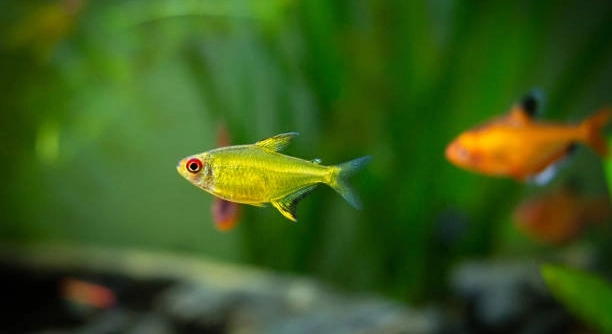
Lemon tetras are small, vibrant fish that brighten any freshwater aquarium. Their delicate nature makes proper care essential, especially when introducing them to a new environment. Acclimating them correctly helps reduce stress and ensures their long-term health.
Lemon tetras should be acclimated slowly to prevent sudden changes in water parameters that can harm their delicate systems. Gradual introduction allows them to adjust safely to temperature, pH, and hardness differences, minimizing shock and improving survival rates in captivity.
Proper acclimation is a small step that can significantly impact the well-being of your lemon tetras in their new home. Careful attention makes a noticeable difference in their adjustment.
Why Slow Acclimation Matters
Introducing lemon tetras too quickly into a new tank can cause severe stress. Their small size and delicate physiology make them highly sensitive to sudden shifts in temperature, pH, and water hardness. Rapid changes can trigger shock, weaken their immune system, and lead to disease. By acclimating them slowly, the fish have time to adjust gradually, which reduces stress and promotes healthier behavior. Observation during this period is important; signs of distress may include erratic swimming, hiding, or loss of appetite. A proper acclimation routine often involves floating the bag in the tank, adding small amounts of tank water over time, and monitoring changes carefully. Skipping or rushing these steps can result in higher mortality. Many keepers underestimate the importance of patience in this process, but the benefits are clear. Gradual introduction also helps establish stable social interactions among the tetras. Taking the time upfront creates a stronger, healthier school of fish that thrives in its environment.
Slow acclimation helps fish adapt and improves their overall health while preventing common stress-related problems that occur after sudden introduction.
Even though it may feel time-consuming, slow acclimation sets the tone for your tetras’ health. By controlling the pace of water changes and gradually introducing them to the tank environment, you support natural behavior and reduce stress-induced illness. This method also allows the fish to explore their surroundings confidently once fully acclimated, enhancing their coloration, energy, and social interactions. A consistent routine shows noticeable improvement in feeding and swimming patterns, which indicates comfort and safety. Avoiding shortcuts during this phase is critical, as the consequences of rapid introduction can be severe and sometimes irreversible. Simple steps, like floating the transport bag and gradually mixing tank water, make a measurable difference. Observing reactions and adjusting accordingly ensures that each fish adapts at its own pace. Over time, this careful approach not only maintains health but encourages longevity, giving lemon tetras the best start in their new habitat.
Methods for Gradual Acclimation
One effective approach is drip acclimation, which steadily introduces tank water over a few hours, allowing the fish to adjust without stress.
Drip acclimation requires patience but offers a controlled way to equalize temperature, pH, and water chemistry. Using a siphon or tubing, water is added slowly to the transport container, monitoring levels carefully. This method ensures a safe, steady transition, giving the tetras time to adapt. Regular observation helps catch early signs of stress or discomfort. Over time, fish that experience drip acclimation tend to adjust quickly and thrive. It also reduces the likelihood of sudden behavioral changes or illness, promoting a smoother adaptation. By investing time in this method, you create a stable environment for lemon tetras, supporting their health and social dynamics. Proper implementation is straightforward and can be incorporated into routine care whenever introducing new fish to an established aquarium. Consistency and attentiveness are key to success, and this technique has proven results. Following these steps ensures your tetras enter their new home calmly, safely, and with reduced risk of shock or stress-related complications.
Signs Your Lemon Tetra Is Stressed
Stressed lemon tetras may show unusual behavior such as hiding, clamped fins, or loss of appetite. Rapid swimming or darting is another indicator. Observing these signs early allows you to adjust acclimation or tank conditions before serious health issues develop.
Behavioral changes in lemon tetras are often the first indication of stress. Fish may avoid open areas, isolate themselves, or swim erratically. Color fading is common, as stress reduces vibrancy. Appetite loss can occur, with fish refusing food for several hours or days. Monitoring water quality is essential, as fluctuations in temperature, pH, or hardness contribute to stress. Early intervention is key, such as adjusting acclimation pace or checking filtration and aeration. Keeping a close eye helps prevent disease outbreaks linked to stress.
Physical stress signs are also important. Look for fin damage, rapid gill movement, or lethargy. These symptoms often indicate prolonged exposure to poor water conditions or sudden changes. Adjusting the environment gradually and maintaining stable water chemistry helps minimize these problems. Over time, fish that are properly acclimated display normal swimming, bright coloration, and active feeding behavior. Regular observation ensures any issues are caught quickly, allowing minor interventions to prevent severe health consequences. Understanding these indicators improves overall success with lemon tetras in a new tank.
Tools to Aid Acclimation
Using a thermometer, pH test kit, and drip tubing ensures a safer acclimation process. Accurate monitoring prevents sudden changes.
A thermometer confirms water temperature matches the tank. Drip tubing allows slow, controlled addition of tank water, equalizing pH and hardness. Using a test kit frequently checks chemical levels, revealing shifts that may stress fish. Combining these tools reduces risk and provides confidence that the tetras are adjusting properly. Monitoring every step ensures a smoother transition and helps you notice early warning signs. This method creates a calmer environment, supporting health and reducing mortality.
Implementing proper tools can make acclimation more manageable. Drip lines or airline tubing allow precise control over water flow, preventing sudden changes that can shock lemon tetras. A thermometer ensures temperatures remain stable during the introduction. Regular testing of pH, ammonia, and hardness informs adjustments needed to match tank conditions. Observing fish behavior alongside these tools gives a full picture of adaptation. Small, consistent adjustments improve comfort and reduce stress, resulting in more active, healthy fish. With proper preparation, acclimation becomes less stressful for both the fish and the keeper, supporting long-term health and vibrant coloration.
Preparing the Tank
Ensure the tank water is clean, filtered, and properly cycled before introducing lemon tetras. Stable temperature, pH, and hardness are essential for reducing stress.
Adding live plants or hiding spots helps tetras feel secure. Clear areas for swimming combined with sheltered spaces support natural behavior and minimize anxiety during acclimation.
Timing the Acclimation
Acclimation should be done slowly over several hours, not minutes. Gradual introduction allows fish to adjust safely to water conditions without shock. Careful pacing prevents stress-related health problems.
Observing Behavior
Watch for signs of stress such as clamped fins, hiding, or lethargy. Early detection allows for adjustments before serious issues arise.
Maintaining Water Stability
Once acclimated, maintain stable temperature and chemistry. Sudden changes can undo careful acclimation, stressing the fish and affecting overall health.
FAQ
Why is slow acclimation necessary for lemon tetras?
Slow acclimation is necessary because lemon tetras are sensitive to changes in water temperature, pH, and hardness. Sudden shifts can cause stress, weaken their immune system, and lead to illness. Gradually introducing them to new water conditions allows their bodies to adjust naturally, reducing the risk of shock.
How long should the acclimation process take?
Acclimation should generally take two to four hours, depending on the size of the tank and the difference in water conditions. A slow drip or gradual mixing method is ideal. The key is to observe the fish closely and ensure they are adjusting calmly without signs of distress.
Can I just float the bag in the tank?
Floating the bag is a helpful first step, as it equalizes the temperature between the transport water and the tank. However, temperature alone is not enough. Gradually adding small amounts of tank water into the bag ensures chemical conditions like pH and hardness adjust safely as well.
What are the signs that my tetras are stressed?
Stressed tetras may hide constantly, swim erratically, or clamp their fins close to their bodies. Other signs include faded coloration, rapid gill movement, or refusal to eat. Observing these behaviors early allows you to slow the acclimation process or adjust tank conditions before health issues occur.
Is drip acclimation better than floating alone?
Yes, drip acclimation is more effective because it allows both temperature and water chemistry to stabilize slowly. Using a small tube to slowly introduce tank water reduces stress and helps the fish adjust without sudden shocks. Many keepers notice healthier behavior and better appetite when using this method.
Do I need special equipment for acclimation?
Minimal equipment is required but helpful. A thermometer, pH test kit, and drip tubing or airline tubing make the process safer. These tools allow precise monitoring of temperature and water chemistry, ensuring changes occur gradually, which improves fish survival and overall health.
How do I know when acclimation is complete?
Acclimation is complete when the fish are actively swimming in the tank, exploring their surroundings, and showing normal coloration. Their fins should be fully open, and they should begin feeding within a few hours. Any lingering stress behaviors suggest that further adjustment may be necessary.
Can I acclimate multiple tetras at once?
Yes, multiple tetras can be acclimated together, but ensure the container is large enough and water changes are gradual. Monitor all fish closely, as stress or illness can spread more quickly in a crowded container. Separating new fish from very small or weak individuals is often safest.
What happens if I skip acclimation?
Skipping acclimation can result in immediate stress, weakened immunity, and higher risk of disease. Sudden changes in water chemistry can be fatal for lemon tetras, particularly in their first 24 hours in a new tank. Proper acclimation dramatically improves survival and long-term health.
Can acclimation affect long-term behavior?
Yes, fish that are acclimated properly tend to display healthier social interactions, better coloration, and more active swimming. Proper adjustment helps them establish confidence in their environment, which can reduce aggression or hiding and improve feeding habits. A careful approach has lasting benefits.
Should I continue monitoring after acclimation?
Yes, ongoing observation is important. Water conditions can fluctuate, and fish may still be adjusting. Regular checks of temperature, pH, and behavior help catch issues early, preventing stress and illness. Maintaining stability ensures lemon tetras remain healthy and active over time.
How often should I repeat acclimation for new tankmates?
Each new introduction requires its own acclimation process. Even small differences in water chemistry can stress delicate fish. Treat every new fish individually, gradually adjusting conditions before fully integrating them with existing inhabitants. This ensures safety and reduces conflict or stress in the tank.
Are there shortcuts that are safe to take?
No shortcuts are recommended. Even small deviations can cause stress or illness. The benefits of taking time to acclimate outweigh any perceived convenience. Patience during this period ensures healthier fish, reduces mortality, and creates a stable, thriving tank environment.
How does tank setup affect acclimation?
A properly cycled, stable tank makes acclimation easier. Clean water, adequate filtration, stable temperature, and hiding spaces reduce stress. If the tank is unprepared, even a slow acclimation process may not prevent illness, so ensuring readiness beforehand is crucial.
Can I use acclimation for other small tropical fish?
Yes, many small tropical species benefit from slow acclimation. Fish with delicate physiology or sensitivity to water chemistry, like neon tetras or rasboras, adjust better when introduced gradually. The same methods of floating, drip acclimation, and monitoring apply.
What is the best way to introduce tank water during acclimation?
Slowly adding small amounts of tank water, either drop by drop or in measured increments every few minutes, helps the fish adjust safely. Mixing too quickly can stress the fish, while careful pacing allows their systems to adapt gradually to new conditions.
Can acclimation reduce disease risk?
Proper acclimation significantly reduces disease risk. Stress weakens the immune system, making fish more susceptible to common infections. By introducing them gradually, you allow their bodies to adapt naturally, promoting resilience and overall health.
How important is observation during acclimation?
Observation is critical. Watching behavior, swimming patterns, and physical condition ensures any issues are addressed immediately. Adjustments can be made on the spot, preventing prolonged stress or fatal consequences, and ensuring lemon tetras settle comfortably in their new environment.
What mistakes should be avoided during acclimation?
Common mistakes include rushing the process, neglecting water chemistry, and overcrowding the acclimation container. Ignoring stress signals or skipping monitoring can lead to illness or death. Patience, careful observation, and stable water conditions are essential for success.
Does water temperature matter more than pH during acclimation?
Both are equally important. Temperature affects metabolism and activity, while pH and hardness affect physiological balance. A stable, gradual adjustment to all factors ensures the fish remain healthy and stress-free during the transition.
How do I make the acclimation process less stressful for the fish?
Use calm handling, minimal disturbance, and gradual introduction of tank water. Provide hiding spaces and maintain stable light and temperature. Reducing external stressors while carefully monitoring water conditions makes the process safer and more comfortable for lemon tetras.
This FAQ provides clear answers to common concerns and practical tips, helping ensure that lemon tetras adjust safely and thrive in their new environment.
Final Thoughts
Acclimating lemon tetras slowly is one of the most important steps when introducing them to a new tank. These small, delicate fish are highly sensitive to changes in temperature, pH, and water hardness. Rushing this process can result in immediate stress, weakened immunity, and even death. Taking the time to gradually introduce them allows their bodies to adjust naturally and reduces the risk of shock. Whether using floating methods or drip acclimation, patience is key. Observing the fish during this period ensures that any signs of distress are addressed promptly, improving their chances of settling comfortably into their new environment. The careful approach not only protects their physical health but also supports behavioral stability, as stressed fish often hide, refuse food, or swim erratically. Proper acclimation lays the foundation for a thriving school of lemon tetras and helps maintain the overall balance of the aquarium.
Providing a stable, well-prepared tank is equally essential. Clean water, consistent filtration, and appropriate temperature create an environment where the fish can adapt smoothly. Hiding spots, plants, and open swimming areas help reduce anxiety and allow the fish to feel secure while acclimating. Even after the initial introduction, monitoring water parameters regularly ensures that conditions remain consistent, further reducing stress. Paying attention to small details like gradual water mixing, avoiding overcrowding, and handling the fish gently contributes significantly to their well-being. Lemon tetras are active and social fish, and a stable environment encourages normal swimming patterns, feeding behavior, and coloration. Taking these steps consistently demonstrates the importance of combining slow acclimation with proper tank setup to support long-term health.
Finally, the benefits of slow acclimation extend beyond immediate survival. Fish that are introduced carefully tend to remain healthier, more active, and less prone to disease. They establish stronger social interactions within their school and display vibrant colors, which is a sign of overall well-being. Observing them adapt gradually also provides reassurance and insight into their behavior, allowing for better care decisions. Skipping or rushing this process may seem convenient at first, but it often leads to preventable problems that can affect the entire aquarium. By dedicating time and attention to proper acclimation, you create a safe, stable, and stress-free environment for lemon tetras. This careful approach ultimately supports their longevity, encourages natural behavior, and ensures that your aquarium remains balanced and enjoyable for both the fish and their caretaker.

Hello,
If you enjoy the content that we create, please consider saying a "Thank You!" by leaving a tip.
Every little bit helps us continue crafting quality advice that supports the health, happiness, and well-being of pets around the world, for pets of all shapes, sizes, and species.
We really appreciate the kindness and support that you show us!