
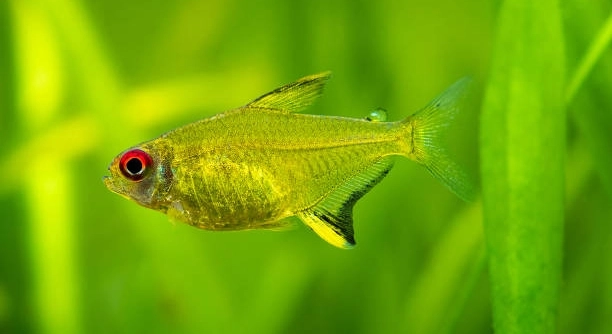
Have you ever added new lemon tetra to your tank and wondered if they are settling in properly? Watching them adjust to a new environment can be both exciting and a little nerve-wracking for any fish owner.
Lemon tetra are considered fully acclimated when they display consistent swimming patterns, actively feed, interact normally with tank mates, and show no signs of stress. Monitoring behavior and physical appearance over several days confirms their successful adjustment.
Observing their daily routines and subtle changes can reveal a lot about their comfort level in the aquarium. This knowledge helps ensure a healthy and balanced environment for your fish.
Signs Lemon Tetra Are Comfortable in Their Tank
When lemon tetra are fully acclimated, they begin showing natural behaviors without hesitation. They swim confidently around the tank, often exploring all areas instead of hiding. Their colors appear brighter, and fins are held upright, signaling good health. Feeding times become predictable as they eagerly approach the food, without hesitation or signs of stress. Social behavior is also a key indicator. Fully acclimated tetra interact smoothly with their tank mates, forming small groups or schooling naturally. They do not display aggressive chasing or excessive hiding. Observing them for several days helps confirm these patterns. Stress signs such as clamped fins, lethargy, or erratic swimming gradually disappear. Water parameters also contribute, so keeping consistent temperature, pH, and clean water encourages natural behavior. Over time, they develop routines, responding calmly to human presence near the tank. Understanding these behaviors allows owners to gauge acclimation accurately and maintain a healthy environment for their lemon tetra.
Bright, steady swimming and active feeding are the clearest indicators of lemon tetra comfort in a tank environment.
Once fully acclimated, lemon tetra become more predictable in their behavior, which makes tank maintenance easier. Feeding becomes consistent, and they integrate naturally with other fish. Observing them over a week or two helps owners understand individual personalities, like which tetra prefer certain areas or swim together. Their colors remain vivid, reflecting both good health and comfort. A well-acclimated tetra also tolerates minor disturbances, such as brief movements near the tank or rearrangement of decorations, without showing stress. Regular observation allows subtle changes to be noted, such as slight color fading or decreased activity, which can indicate water issues or illness. Maintaining proper water conditions and avoiding sudden changes ensures the tetra remain healthy. Gradually, their routine becomes predictable, with clear sleeping and active periods. Fully acclimated fish not only thrive physically but also contribute to a balanced, peaceful tank environment. These behaviors give confidence to owners that their tank ecosystem is stable and well-maintained.
Monitoring Behavior for Long-Term Health
Regular observation helps track fish well-being effectively. Lemon tetra show subtle changes in behavior that indicate health issues early.
Paying attention to their interactions, swimming patterns, and feeding habits over time ensures they remain comfortable and healthy. Consistent monitoring allows quick responses to stress, illness, or environmental changes before problems escalate. Keeping a log of behavior, water parameters, and feeding schedules provides useful reference points. Small adjustments, like correcting water temperature or improving filtration, can prevent stress. Social interactions are also important. If a tetra suddenly isolates or becomes aggressive, it may indicate discomfort or disease. Monitoring helps detect these issues early. Observing during feeding can show appetite changes, which are one of the first signs of stress. Additionally, watching how tetra react to changes in lighting, decorations, or tank mates informs future decisions about tank management. Over time, consistent observation builds confidence in recognizing normal versus abnormal behavior, ensuring lemon tetra thrive for years. Proper care and attentive monitoring support both fish health and a harmonious tank environment.
Adjusting to Water Parameters
Lemon tetra adapt best when temperature, pH, and hardness remain stable. Sudden changes can stress them, causing hiding or erratic swimming. Regular checks ensure their environment stays consistent, supporting healthy acclimation and behavior.
Monitoring water parameters closely allows for early detection of shifts that could affect fish health. Using a reliable thermometer and test kits helps maintain temperature, pH, and general hardness within recommended ranges. Gradual changes are better than sudden adjustments, as lemon tetra are sensitive to abrupt differences in their environment. Water changes should be consistent and measured to avoid shocking them. Filtration and aeration also contribute to water stability, keeping the tank clean and oxygenated. Proper acclimation begins with a controlled and predictable environment, reducing stress. Observing their reactions after adjustments can indicate whether changes are tolerated. Consistent water parameters encourage regular feeding, natural swimming patterns, and healthy social interactions. Over time, these small, careful steps lead to fully acclimated and vibrant lemon tetra.
Even small fluctuations in water quality can affect tetra behavior. Monitoring daily prevents minor issues from becoming serious. Keeping records of readings helps identify trends, allowing proactive care.
Observing Feeding and Social Behavior
Feeding patterns reveal how comfortable lemon tetra are in their tank. Fully acclimated fish eat eagerly and consistently, showing little hesitation around food or other fish.
Watching social behavior is equally important. Lemon tetra school naturally, staying in loose groups and interacting with each other without aggression. If a fish isolates, it may indicate stress or discomfort. Feeding time shows hierarchy subtly, as dominant tetra may reach food first, but aggression is minimal in healthy groups. Observing which areas of the tank they frequent reveals preferences and comfort zones. Regularly watching these behaviors builds confidence in their health status and helps owners address issues promptly. Understanding their social and feeding routines allows for better tank management, ensuring a peaceful and thriving environment for all fish. Maintaining consistent feeding schedules and monitoring interactions keeps stress low, supporting long-term acclimation and overall well-being.
Recognizing Stress Signals
Lemon tetra show stress through clamped fins, rapid gill movement, or hiding excessively. Identifying these signs early allows for quick intervention and helps prevent long-term health issues.
Changes in swimming patterns or sudden color fading also indicate discomfort. Stress often results from poor water conditions, aggressive tank mates, or sudden environmental shifts.
Tank Environment and Decoration
Providing hiding spots, plants, and open swimming areas creates a balanced environment. A well-structured tank reduces stress and encourages natural behavior.
Decorations should not overcrowd the tank. Clear swimming space allows lemon tetra to school freely while still offering shaded areas or plants for retreat.
Tracking Growth and Development
Monitoring size and coloration over time shows whether tetra are thriving. Healthy lemon tetra grow steadily and display consistent color vibrancy.
Maintaining a Consistent Routine
Regular feeding, lighting, and water changes help tetra feel secure. Predictable routines support long-term health and stability.
FAQ
How long does it take for lemon tetra to fully acclimate?
Lemon tetra usually take about one to two weeks to fully adjust to a new tank. Some may adapt faster, while others need more time. Monitoring their behavior daily helps determine when they are comfortable. Consistent water parameters and a stable environment shorten acclimation time.
What are the first signs that my lemon tetra are settling in?
Early signs include exploring the tank, swimming confidently, and gradually coming out from hiding. They may start showing interest in food and interact cautiously with other fish. Colors may still be slightly muted but begin to brighten as they feel secure.
How can I tell if a tetra is stressed?
Stress is often shown by clamped fins, rapid gill movement, hiding excessively, or erratic swimming. Sudden color fading is another signal. Observing changes in appetite or unusual behavior can indicate that the fish is uncomfortable or experiencing environmental issues.
Do lemon tetra school immediately when introduced to a new tank?
Not always. Initially, they may stay near each other but appear cautious or scattered. As they acclimate, schooling becomes more natural. A stable environment, proper tank mates, and clear swimming areas help encourage normal group behavior.
Is water temperature the most important factor for acclimation?
Temperature is critical, but pH, hardness, and water quality are equally important. Sudden changes in any of these can stress tetra. Maintaining stable conditions with gradual adjustments when necessary ensures a smoother acclimation process and long-term health.
How can feeding behavior show acclimation progress?
Fully acclimated lemon tetra eat consistently and approach food confidently. Hesitation or refusing food may indicate stress. Observing which tetra eat first and how they interact during feeding provides insight into social comfort and overall adjustment.
Can tank decorations affect acclimation?
Yes, decorations, plants, and hiding spots help tetra feel secure. Too many obstacles can stress them, while too little cover can leave them exposed. A balanced setup with open swimming areas and shaded retreats supports natural behavior and reduces stress.
How often should I check water parameters during acclimation?
Daily monitoring is ideal for the first two weeks. Checking temperature, pH, and hardness helps spot issues early. Keeping a record allows you to see trends and respond quickly if conditions shift, ensuring a stable environment.
Are lemon tetra sensitive to tank mates during acclimation?
They are generally peaceful but can be intimidated by aggressive fish. Calm, compatible tank mates help them settle. Observing interactions and separating aggressive individuals when necessary prevents stress and supports schooling behavior.
What changes indicate a fully acclimated lemon tetra?
Fully acclimated tetra swim confidently, feed eagerly, interact smoothly with tank mates, and maintain bright coloration. They rarely hide and respond calmly to minor disturbances, showing that they feel secure and have adapted to their environment.
How important is routine in their acclimation?
Consistent feeding, lighting, and water changes help tetra feel safe. Predictable routines reduce stress, support natural behavior, and maintain health. Over time, routines make their environment more stable, ensuring long-term well-being and easier observation of any unusual changes.
Can lemon tetra acclimate faster with a larger group?
A small group helps them feel secure, but overcrowding can stress them. Observing social interactions ensures they are comfortable. Groups of at least five to six allow natural schooling while keeping competition minimal, supporting steady acclimation.
What should I do if a tetra refuses to eat during acclimation?
Offer food at different times or smaller portions. Check water parameters to ensure they are optimal. Stress, illness, or environmental changes may cause hesitation. Patience and stable conditions usually result in gradual acceptance of food over several days.
Are there behavioral changes that indicate health issues after acclimation?
Yes, sudden lethargy, isolation, fin clamping, erratic swimming, or loss of color may signal illness or environmental problems. Early detection and intervention prevent serious issues and ensure the fish remain healthy and active.
Can acclimation be reversed by environmental changes?
Yes, sudden shifts in water temperature, pH, or tank setup can stress previously acclimated fish. Maintaining stability and making gradual adjustments prevents regression in behavior and keeps lemon tetra comfortable in the long term.
How does lighting affect acclimation?
Bright lights may stress new tetra initially. Providing shaded areas or adjusting lighting gradually helps them adapt. Once comfortable, normal lighting supports feeding, schooling, and display of natural coloration without causing stress.
Is it normal for some tetra to acclimate slower than others?
Yes, individual differences exist. Some tetra are naturally cautious and take longer to explore or feed. Consistent care, stable water conditions, and observing behavior without interference allow slower fish to adjust at their own pace.
How can I encourage healthy social behavior during acclimation?
Provide enough space, balanced feeding, and calm tank mates. Observe interactions and intervene if aggression occurs. Natural schooling develops as tetra feel secure and confident, supporting both social comfort and overall well-being.
What role does water change play during acclimation?
Regular water changes maintain quality without shocking fish. Small, frequent changes prevent buildup of harmful substances while keeping parameters stable. Proper filtration and careful maintenance support a healthy environment for fully acclimated lemon tetra.
When is it safe to add new fish after tetra are acclimated?
Wait until behavior is consistent, feeding is regular, and stress signs are gone. Gradual introduction of compatible species prevents disruption of established schooling and minimizes risk of aggression or stress. A stable environment ensures the new additions settle smoothly.
How long should monitoring continue after full acclimation?
Even after full acclimation, regular observation is essential. Daily or weekly checks help detect health or environmental issues early. Maintaining records of behavior, feeding, and water parameters ensures long-term success and keeps the tetra thriving in a stable environment.
Final Thoughts
Successfully acclimating lemon tetra requires patience and attention to detail. These fish are sensitive to changes in their environment, so maintaining stable water conditions is essential. Temperature, pH, hardness, and cleanliness all play a role in their comfort. Observing their behavior over the first one to two weeks after introduction gives a clear picture of how well they are adjusting. Watching how they swim, interact with other fish, and respond to food provides valuable information. Signs like confident swimming, active feeding, and schooling behavior indicate that the fish are settling in well. Paying attention to small details, such as fin position or subtle color changes, can also reveal whether they are experiencing stress. By carefully monitoring these factors, it becomes easier to ensure that the tetra remain healthy and comfortable throughout the acclimation process.
Providing a proper tank setup helps make the transition smoother. Lemon tetra benefit from having both open swimming areas and shaded spaces with plants or decorations to retreat to. A balanced tank allows them to display natural behaviors without feeling threatened. Regular water changes and consistent feeding routines further support their acclimation. Stability in the tank environment reduces stress and encourages the fish to establish routines. Observing their social interactions is equally important. Lemon tetra are schooling fish, so watching them interact with each other helps confirm their comfort level. When they form groups, swim together naturally, and show little aggression, it is a sign they have successfully adapted. Ensuring that tank mates are compatible and that the environment is predictable supports their long-term health and overall well-being.
Even after lemon tetra appear fully acclimated, continued attention is necessary. Consistently monitoring water parameters, feeding behavior, and social interactions helps maintain a healthy environment. Sudden changes in temperature, pH, or tank setup can stress the fish, so gradual adjustments are recommended whenever modifications are needed. Recording observations over time allows for early detection of potential issues, such as illness or behavioral changes, which can be addressed before they become serious. Understanding and recognizing normal behavior patterns helps in identifying problems quickly. By maintaining a stable environment and keeping a close eye on their health and interactions, you can ensure that lemon tetra thrive in the tank. Taking these steps provides a safe and comfortable home for the fish, supporting their natural behaviors and helping them live long, healthy lives.

Hello,
If you enjoy the content that we create, please consider saying a "Thank You!" by leaving a tip.
Every little bit helps us continue crafting quality advice that supports the health, happiness, and well-being of pets around the world, for pets of all shapes, sizes, and species.
We really appreciate the kindness and support that you show us!