
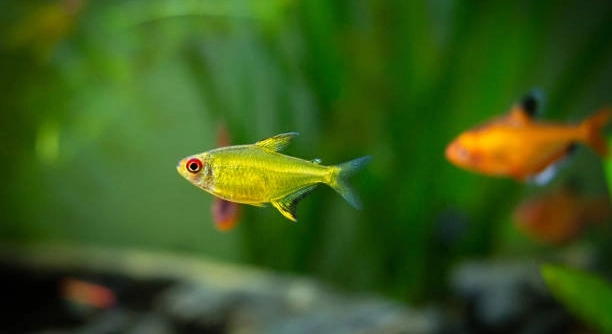
Do you ever find yourself admiring your lemon tetras but struggling to capture their bright colors in photos? Taking clear pictures of these small, active fish can be challenging even for experienced aquarium enthusiasts.
Capturing clear lemon tetra photos requires controlling lighting, minimizing reflections, using appropriate camera settings, maintaining a steady hand, and understanding the fish’s behavior. Each factor contributes to producing sharp, vibrant images that accurately represent the species in an aquarium environment.
Mastering these techniques will make photographing your lemon tetras easier and more rewarding, enhancing both your collection and your enjoyment of aquarium photography.
Choose the Right Lighting
Lighting plays a major role in photographing lemon tetras. Natural light works best, but avoid direct sunlight, which can create harsh shadows and glare on the tank glass. If using artificial lights, position them to evenly illuminate the aquarium without reflecting off the glass. LED lights with adjustable brightness are ideal because they allow precise control over exposure. Soft, diffused lighting helps bring out the fish’s yellow tones and shimmering scales, making colors appear vivid and natural. Avoid using the camera flash, as it can startle the fish and create overexposed spots. Observing the fish at different times of day can help identify the lighting that produces the clearest images. Additionally, cleaning the aquarium glass inside and out removes smudges that could blur the photo. Small adjustments in lighting can significantly improve clarity, making each shot sharper and more visually appealing, especially for active fish like lemon tetras.
Proper lighting ensures the colors and details of your lemon tetras are clear, creating images that accurately capture their beauty.
Understanding how light interacts with water and fish behavior will help you set up your tank for consistent, high-quality photos without stressing the fish. Observing natural angles and reflections, combined with soft illumination, allows the fish’s colors to pop. Small tweaks to light position, intensity, and timing produce images with minimal blur and enhanced contrast. Experimenting with different light sources, such as diffused LEDs versus natural daylight, helps determine the best combination for your tank’s size and layout. Using consistent lighting across multiple sessions also ensures a cohesive set of photos. Paying attention to the glass surface, removing water spots, and adjusting lighting height can prevent glare and distortion. For moving fish, slightly higher shutter speeds and proper exposure settings work with your lighting to maintain crisp details. Over time, lighting adjustments become intuitive, allowing each photograph to reflect the vibrant and delicate nature of lemon tetras, capturing both color and motion accurately.
Keep Your Camera Steady
Using a tripod or stable surface is essential for clear photos. Shaky hands can blur the fish, especially when using slow shutter speeds.
Even a small wobble can ruin a sharp image, so steady support is necessary. Positioning the camera close to the tank while avoiding contact helps maintain focus.
Tripods provide stability for repeated shots, which is particularly useful when waiting for fish to enter the perfect position. Even with fast shutter speeds, slight vibrations or accidental bumps can soften the image. For smaller cameras or smartphones, a tabletop tripod or weighted stand can minimize movement. Stabilization tools allow you to experiment with composition without compromising clarity. Additionally, steady placement helps in low-light conditions, where longer exposure is needed. Maintaining the camera at a consistent angle also reduces distortion from glass reflections. Over time, steady shooting techniques allow for more creative framing, capturing the fish’s movement and interactions naturally. Combining stability with patient observation ensures that each photo is sharp, vibrant, and professional-looking.
Use a Fast Shutter Speed
A fast shutter speed helps freeze your lemon tetras’ quick movements, reducing motion blur. Adjust your camera settings to at least 1/125 or higher, depending on the light and activity of the fish.
Faster shutter speeds capture sharp details, especially for active fish. Slower speeds risk blurred fins or distorted colors, even with steady hands. Pairing a fast shutter with proper lighting ensures enough exposure while keeping motion crisp. Continuous shooting mode can help capture fleeting moments, increasing the chance of a perfect shot. Adjust ISO moderately to maintain brightness without adding excessive noise, keeping colors true.
Combining a fast shutter with patience allows for sharp, vibrant photos. Observing fish behavior helps anticipate movements, letting you time shots precisely. Avoid extreme ISO increases, as noise can reduce clarity. Using burst mode or taking multiple frames enhances the odds of capturing a well-composed, sharp image, preserving natural colors and fine details. This approach works well for small, agile fish like lemon tetras, making each photo visually striking.
Focus on the Fish’s Eyes
Clear focus on the eyes brings life to your photos. Ensure the camera’s autofocus targets the fish’s eye or manually focus for precision.
Eyes are the focal point that attract attention. Even small errors in focus make the photo appear flat. Adjust depth of field to keep the eye sharp while softly blurring the background.
A shallow depth of field isolates the fish, emphasizing their form and colors. Maintaining eye focus requires careful timing, especially when fish move quickly. Manual adjustments or single-point autofocus can help lock focus on the eye. Proper focus also improves perceived clarity of the entire fish. Continuous tracking autofocus can assist with swimming fish, maintaining sharpness even as they move across the frame. Practicing eye-level angles enhances connection and visual appeal, highlighting expressions and natural beauty. By centering attention on the eyes, the images feel more dynamic and engaging, creating a lifelike representation of your lemon tetras.
Minimize Reflections
Position your camera at an angle to reduce glare from the tank glass. Turning off room lights and covering bright surfaces nearby helps prevent unwanted reflections.
Using a polarizing filter or a dark cloth over the camera can further limit reflections, producing cleaner, clearer photos.
Keep the Background Simple
A plain or natural-colored background highlights the fish’s colors. Avoid clutter that can distract from your lemon tetras.
Clear backgrounds emphasize the fish’s bright yellow tones, allowing scales and fins to stand out. This simplicity improves overall composition and makes photos visually appealing, especially when fish are active or moving quickly.
Use Patience and Observation
Wait for the fish to settle or swim slowly before taking photos. Sudden movements can cause blurred images.
Observing their behavior helps anticipate moments when they align with lighting and framing. This careful timing increases the likelihood of sharp, well-composed shots.
How can I get my lemon tetras to stay still for photos?
Lemon tetras are naturally active, so patience is key. Observing them during calmer periods, often early morning or late evening, helps. Feeding them small amounts of food can also encourage them to linger near one area. Avoid sudden movements or tapping on the tank, which can startle them. Using a smaller area of the tank or a gentle divider temporarily can limit swimming space without stressing the fish. Taking multiple shots increases the chance of capturing a sharp moment, even if the fish move unpredictably.
What camera settings work best for aquarium photography?
A fast shutter speed is essential to prevent motion blur, especially for small, active fish like lemon tetras. Adjust ISO to balance exposure without introducing too much noise. Aperture can vary depending on desired depth of field, but a slightly smaller f-stop helps keep the fish fully in focus while blurring the background. Continuous shooting or burst mode is useful to catch the perfect moment. Avoid using flash directly on the aquarium, as it can stress the fish and create harsh reflections. Adjust white balance to match your lighting for natural colors.
How do I reduce reflections on the aquarium glass?
Reflections can distract from clear photos. Positioning the camera at a slight angle rather than straight-on reduces glare. Turn off or dim surrounding lights to minimize bright spots on the glass. Using a dark cloth or cardboard around the camera can block stray reflections. A polarizing filter on the lens also helps cut glare without affecting exposure. Keeping the glass clean, both inside and out, ensures reflections from dirt or water spots don’t appear. Adjusting your position slightly can make a major difference in reducing unwanted reflections, even in brightly lit rooms.
Is natural light better than artificial light for photographing lemon tetras?
Natural light generally produces softer, more even illumination, which highlights the fish’s vibrant colors. Avoid direct sunlight, which can create harsh shadows and overexposed areas. Artificial lights like adjustable LEDs allow control over brightness and color temperature, which can be useful in low-light conditions or for evening photography. Diffusing artificial light with frosted covers or soft materials reduces harsh spots. Combining natural and artificial light can be effective if balanced properly. Observing the fish under different lighting helps determine which conditions best enhance their yellow tones and fin details.
What lens should I use for aquarium photography?
Macro or close-up lenses work well for small fish, allowing detailed shots of scales, fins, and eyes. Standard zoom lenses can also be effective, especially if you need flexibility to capture multiple fish in a single frame. Avoid lenses with excessive distortion, which can warp shapes when shooting through glass. Short focal lengths help maintain clarity in tight spaces, while longer lenses allow shooting from a distance without disturbing the fish. Pairing a suitable lens with proper lighting and a steady support ensures sharp, clear images, highlighting the natural colors and movement of lemon tetras.
How do I keep photos sharp when fish are moving quickly?
Use a fast shutter speed to freeze motion and reduce blur. Continuous autofocus or tracking modes help maintain focus as the fish swim across the frame. Keeping the camera steady with a tripod or stable surface prevents additional shake. Burst mode increases the chance of capturing a precise moment. Proper exposure and ISO balance help avoid grainy images while maintaining brightness. Observing fish patterns allows you to anticipate their movements, increasing the likelihood of sharp, well-composed shots. Patience and multiple attempts are often necessary for consistently crisp images.
How can I make the fish’s colors stand out?
Lighting and background are key. Soft, even illumination prevents washed-out colors, while a simple background helps the yellow tones of lemon tetras pop. Adjust white balance to match the lighting, ensuring colors appear natural. Avoid harsh flash, which can flatten colors and create glare. Capturing the fish at eye level enhances vibrancy and depth. Post-processing adjustments like contrast and saturation can further enhance colors without compromising realism. Paying attention to lighting, composition, and background ensures the fish appear vivid and visually striking in photographs.
How do I handle reflections from water movement?
Water movement can distort images or create ripples. Waiting for calmer moments or gently feeding the fish to distract them can reduce active swimming. Positioning the camera at an angle to the glass helps minimize distortions. A faster shutter speed can freeze water motion, making reflections less noticeable. Observing the tank over time helps determine patterns in water flow and fish behavior, allowing you to time shots when the surface is calm. Combining patience, camera settings, and positioning ensures the final photos remain clear, sharp, and free from unwanted distortions.
How often should I photograph lemon tetras to get good shots?
Regular practice improves timing and familiarity with fish behavior. Photographing daily or multiple times a week allows you to observe patterns and refine camera settings. Each session increases the chance of capturing unique moments, while repeated attempts teach patience and technique. Varying lighting, angles, and times of day provides diverse options for composition. Over time, consistent effort produces a collection of high-quality, sharp, and vibrant images that accurately represent your lemon tetras in the aquarium.
Can I photograph multiple fish at once without losing clarity?
Yes, but it requires careful composition. A smaller depth of field ensures the main subject stays in focus while others remain slightly blurred, highlighting one fish without losing context. Adjust aperture and focus points to accommodate multiple subjects. Using steady support and fast shutter speeds reduces motion blur. Arranging fish in naturally calm areas of the tank or waiting for them to group together improves the chance of clear shots. Lighting should evenly cover the scene, emphasizing colors without harsh shadows. Practicing timing and observation ensures group photos remain sharp, balanced, and visually appealing.
How do I avoid stress for the fish during photography?
Avoid sudden movements, tapping, or bright flashes, which can startle lemon tetras. Work quietly and patiently, allowing the fish to swim naturally. Using external light sources rather than a direct camera flash minimizes disturbance. Keep sessions short, and return to normal tank routines immediately afterward. Observing behavior for signs of stress ensures photography remains safe. Over time, the fish will adjust to your presence, reducing movement and allowing better shots. Respecting their natural behavior leads to clearer, more natural images without compromising the fish’s well-being.
What post-processing adjustments are safe for clarity and color?
Basic adjustments like contrast, sharpness, and slight saturation enhancements improve clarity without altering realism. Cropping can improve composition and remove distractions. Avoid over-editing, which can misrepresent the fish’s natural colors. Adjusting white balance ensures true yellow tones appear accurately. Minimal noise reduction preserves details in scales and fins. Keeping edits subtle ensures the images remain authentic, visually appealing, and professional-looking, reflecting the true appearance of lemon tetras in their tank environment.
This FAQ provides practical solutions for consistently capturing sharp, vibrant lemon tetra photos while maintaining the fish’s safety and natural appearance.
Photographing lemon tetras can feel tricky at first because these small fish are active and fast-moving. Even with a camera in hand, getting a sharp, well-lit photo takes patience and practice. The key is understanding how light, camera settings, and tank conditions interact. Soft, even lighting helps show their natural yellow tones, while avoiding glare and reflections keeps images clean. A simple background draws attention to the fish without distractions. Paying attention to these factors ensures the photos reflect the fish’s true colors and movement. Small adjustments, like cleaning the tank glass or positioning the camera at the right angle, can make a noticeable difference in the final image.
Using the right camera settings is just as important as lighting. A fast shutter speed freezes motion, while proper ISO and aperture settings maintain brightness and clarity. Focusing on the fish’s eyes brings life to the image and draws the viewer’s attention. Burst mode or continuous shooting helps capture moments that are easy to miss, especially when fish dart quickly across the tank. Stabilizing the camera with a tripod or steady surface reduces blurring from hand movements. Even minor changes in these settings can improve results significantly, making the photos sharp and vibrant. Learning how to anticipate fish behavior and timing shots accordingly is equally important. Observing the fish for patterns, such as when they gather near plants or feed, can create more natural and dynamic images.
Patience and observation are essential throughout the process. Lemon tetras respond best when the environment feels calm and safe, so rushing often results in blurry or unnatural shots. Short, careful sessions minimize stress and improve the chances of capturing ideal moments. Over time, regular practice teaches how to balance camera settings, lighting, and timing, producing consistent results. Paying attention to details like reflections, water movement, and background composition further enhances photo quality. Even small refinements, such as diffusing lights or adjusting angles, contribute to professional-looking results. By combining technical control with patient observation, anyone can capture clear, vibrant photos that highlight the beauty and subtle movements of lemon tetras, making photography both rewarding and enjoyable.

Hello,
If you enjoy the content that we create, please consider saying a "Thank You!" by leaving a tip.
Every little bit helps us continue crafting quality advice that supports the health, happiness, and well-being of pets around the world, for pets of all shapes, sizes, and species.
We really appreciate the kindness and support that you show us!