
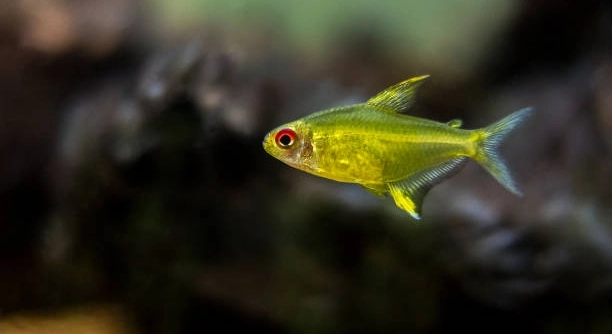
Do you enjoy keeping a vibrant aquarium but worry about feeding your Lemon Tetra the wrong foods? These small, colorful fish have specific dietary needs that are essential for their health and long-term well-being in your tank.
Feeding Lemon Tetras inappropriate foods can lead to digestive issues, weakened immunity, and shortened lifespans. Avoid items high in fats, preservatives, or unsuitable proteins, as these substances disrupt natural nutrition and compromise overall fish health.
Knowing which foods to avoid will help your Lemon Tetras thrive. This guide provides clear insights to keep your aquatic companions healthy and active.
Foods High in Fat
Feeding Lemon Tetras foods that are high in fat can quickly lead to serious health problems. Fatty foods are difficult for their small digestive systems to process and can cause obesity, liver damage, and digestive blockages. Items like fried snacks, oily fish, and processed human food are especially harmful. Even small amounts can accumulate over time, creating long-term health issues that are difficult to reverse. Tetras thrive on a diet rich in protein, vegetables, and specially formulated fish flakes or pellets. Overfeeding fatty treats may also affect water quality, as uneaten fatty food decomposes faster, releasing harmful compounds into the tank. Maintaining a balanced diet is crucial for their energy levels, coloration, and behavior. Observing their feeding habits regularly helps prevent accidental overfeeding. Always remove excess food and avoid feeding directly from your hands to reduce contamination. Consistent care ensures Lemon Tetras remain active, healthy, and vibrant throughout their lifespan.
High-fat foods disrupt digestion and can weaken the fish’s overall health. Limiting these items preserves their natural energy and coloration.
Understanding which fats harm Lemon Tetras is essential. High-fat foods affect digestion, liver function, and swimming activity. Maintaining a controlled diet improves water quality and prevents disease. Feeding only appropriate, balanced foods supports growth, reduces stress, and promotes natural behavior. Overfeeding fatty items can result in obesity, sluggishness, and even premature death. By providing high-quality pellets, fresh vegetables, and small protein-based treats, the tank environment remains safe and clean. Observation of eating habits ensures all fish receive the right portion and avoids competition stress. Careful attention to diet fosters long-term health, bright coloration, and energetic swimming patterns. Selecting suitable foods prevents nutrient imbalance and promotes immune system strength. Avoiding fatty options also helps maintain a stable ecosystem in the tank. Ultimately, controlling fat intake is critical to ensure Lemon Tetras live long, healthy lives with minimal risk of preventable illnesses.
Citrus Fruits and Acidic Foods
Citrus fruits, like oranges and lemons, are highly acidic and can upset a Lemon Tetra’s delicate digestive system. Even small amounts may cause stomach irritation or alter the tank’s water pH, stressing the fish.
Acidic foods disrupt digestion and can lead to stress or illness.
Introducing acidic fruits or juices to the tank changes water chemistry and may harm gill function. Lemon Tetras are sensitive to pH fluctuations, and sudden exposure to acidic substances can weaken their immune system, making them more vulnerable to disease. These foods are unnecessary for nutrition and should never be used as treats. Even fruit skins or peels may carry residues or pesticides that are harmful. Stick to vegetables, protein flakes, and specialized fish food designed for tetras. By avoiding citrus and other acidic items, you protect both the fish and the tank environment. Healthy feeding habits prevent water contamination and reduce the need for frequent water changes. Long-term care and observation will keep your Lemon Tetras vibrant and active without introducing unnecessary risks.
Chocolate and Sugary Treats
Chocolate contains theobromine and caffeine, both toxic to Lemon Tetras. Sugary foods can spike their energy briefly but lead to digestive problems, weakened immunity, and long-term health issues. Avoid candy, baked goods, or any sweetened human food entirely.
Even small amounts of chocolate or sugar can harm Lemon Tetras. These substances are not part of their natural diet and can interfere with nutrient absorption. Over time, repeated exposure may cause organ damage and reduce lifespan. Sugary foods also promote bacterial growth in the tank, lowering water quality and increasing the risk of disease. Treats designed for other animals or humans are never suitable substitutes for proper fish food. Maintaining a diet focused on protein, vegetables, and high-quality fish flakes keeps the Tetras healthy, active, and vibrant. Careful monitoring of feeding portions ensures no accidental ingestion of harmful substances.
Chocolate and sugar can stress fish physiologically and alter natural behavior. Consumption often results in sluggish swimming, abnormal coloration, and increased susceptibility to infections. Even minimal exposure can affect their metabolism and digestive efficiency. Tanks with leftover sugary food experience accelerated water contamination, requiring more frequent maintenance. By completely avoiding sweet or processed human foods, you maintain both the health of Lemon Tetras and stability of the aquatic environment. Proper feeding encourages natural activity, coloration, and long-term vitality. Consistent adherence to safe food choices protects fish from preventable diseases and supports overall well-being.
Raw Meat and Uncooked Proteins
Raw meat can introduce harmful bacteria and parasites to Lemon Tetras. Uncooked proteins like beef, chicken, or pork are unsafe and may cause severe digestive distress or infections. Always avoid feeding raw animal products in any form.
Raw proteins can overwhelm a Lemon Tetra’s digestive system. Bacteria present in uncooked meat can multiply quickly, contaminating the tank and risking disease for all fish. Parasites in raw animal products may infect Tetras, leading to illness or death. Their small bodies cannot handle heavy protein loads that are not properly processed. Properly prepared fish foods, frozen or live small insects, and protein flakes provide all necessary nutrients safely. Even occasional exposure to raw meat is dangerous, as the consequences can be immediate and severe. Consistently feeding safe protein sources ensures long-term health and prevents unnecessary tank contamination. Maintaining proper feeding habits safeguards both the fish and the aquatic ecosystem from hazards linked to raw animal products.
Dairy Products
Milk, cheese, and other dairy items are unsuitable for Lemon Tetras. Their digestive systems cannot process lactose, leading to bloating, discomfort, and potential long-term health issues.
Even small amounts of dairy can upset digestion and create harmful bacteria in the tank. Avoid giving any milk-based treats entirely.
Spicy Foods
Spicy foods irritate the delicate digestive tract of Lemon Tetras. Ingredients like chili, peppers, or hot sauces can cause stress, inflammation, and lethargy. These foods are never part of their natural diet and should be avoided completely.
Citrus Peels
Citrus peels contain concentrated acids and oils that can alter water pH. Exposure may damage gill function, increase stress, and reduce overall fish health. Avoid placing any citrus scraps in the tank.
What happens if Lemon Tetras eat the wrong foods?
Feeding Lemon Tetras inappropriate foods can cause digestive problems, bloating, and poor nutrient absorption. Over time, this weakens their immune system, making them more susceptible to infections. Fish may become lethargic, lose coloration, and display unusual swimming patterns. Long-term exposure to unsuitable foods can shorten their lifespan and create chronic health issues. Tank water may also become contaminated faster if uneaten harmful foods decompose, increasing ammonia and nitrite levels, which further stresses the fish. Monitoring their diet carefully prevents these problems and ensures a stable, healthy environment for all tank inhabitants.
Can Lemon Tetras eat human snacks occasionally?
Even occasional human snacks can be risky. Items like chips, cookies, or candy contain fats, sugars, and chemicals that their small digestive systems cannot process. Even a single feeding may irritate their gut or affect metabolism. Consistent exposure can lead to long-term organ damage or digestive blockages. Lemon Tetras thrive on foods specifically designed for their needs, such as flake food, small live or frozen insects, and blanched vegetables. Providing treats outside their natural diet introduces unnecessary stress and risks. Maintaining strictly appropriate feeding habits is the safest way to support health, activity, and coloration.
Are fruits safe for Lemon Tetras?
Most fruits are not safe, especially citrus. Acidic fruits like oranges, lemons, or limes can disrupt water pH and irritate fish digestive tracts. Even small pieces of non-acidic fruits may ferment or decompose quickly, contaminating the tank and encouraging bacterial growth. Safe alternatives include blanched vegetables or specialized plant-based flakes. Feeding small portions of safe vegetables like spinach or zucchini provides nutrients without the risks associated with fruits. Avoiding fruits entirely reduces the chance of illness, ensures stable water conditions, and supports proper digestive function. Proper dietary choices maintain fish energy, color, and overall vitality.
What are safe protein sources for Lemon Tetras?
Safe proteins include high-quality fish flakes, micro-pellets, and live or frozen small insects such as daphnia or brine shrimp. These provide essential amino acids without overwhelming the digestive system. Avoid raw meats, beef, chicken, or pork, as these carry bacteria and parasites harmful to Tetras. Proper protein portions support growth, energy, and immunity. Balanced feeding routines using these protein sources also help maintain water quality by reducing uneaten food. Observing the fish during feeding ensures all receive adequate nutrition without excess. Consistency in safe protein provision is key to long-term health and activity in Lemon Tetras.
How often should Lemon Tetras be fed?
Lemon Tetras should be fed small amounts two to three times per day. Overfeeding can lead to obesity, poor water quality, and increased waste. Remove any uneaten food promptly to prevent decomposition and bacterial growth. Stick to measured portions appropriate for their size. Regular feeding supports energy, growth, and natural behavior. A consistent feeding schedule prevents stress and reduces the risk of overconsumption, ensuring the tank remains balanced. Proper timing and portion control are as important as food choice for maintaining healthy, vibrant Lemon Tetras.
Can leftover food harm the tank environment?
Yes, leftover food can quickly spoil, producing ammonia and other harmful compounds. This increases stress and disease risk for all fish. Uneaten foods from inappropriate sources, like human snacks or high-fat items, decompose faster. Regular removal of leftovers maintains water quality and reduces filtration load. Observing feeding habits and adjusting portions prevents waste accumulation. Maintaining clean water conditions is essential for Lemon Tetras’ long-term health, energy levels, and natural coloration. Clean feeding practices complement safe dietary choices to ensure a thriving aquatic environment.
What are the signs of dietary problems in Lemon Tetras?
Symptoms include lethargy, faded coloration, abnormal swimming patterns, bloating, or frequent hiding. Digestive issues may appear as stringy or discolored waste. Changes in appetite, increased aggression, or unusual stress behaviors can also indicate a poor diet. Early identification allows intervention before severe illness develops. Maintaining a consistent diet with safe, balanced foods prevents these issues. Monitoring the fish daily ensures quick response to dietary or environmental problems. Proper feeding and observation are key to long-term health, active behavior, and maintaining vibrant coloration in Lemon Tetras.
Are there any safe treats for Lemon Tetras?
Yes, small amounts of blanched vegetables, high-quality flakes, or live/frozen insects make safe treats. These provide nutrients without introducing harmful chemicals, excessive fats, or sugars. Treats should be given in moderation and not replace the staple diet. Consistent use of safe treats encourages natural foraging behavior, supports energy, and enhances coloration. Avoid human foods entirely, even occasionally, to prevent stress and illness. Careful selection and portion control of treats ensure the health and longevity of Lemon Tetras while keeping the tank environment stable and clean.
How can I prevent accidental feeding of harmful foods?
Store all human foods separately from fish supplies. Clearly label items in the kitchen and tank area. Establish a consistent feeding routine using approved flakes, pellets, and safe vegetable or protein options. Educate all household members about the risks of feeding harmful foods to Lemon Tetras. Avoid feeding from the hand if unsure of the food source. Monitoring portions and removing uneaten food promptly reduces contamination risks. Careful organization and clear rules ensure accidental feeding does not compromise fish health. Proper prevention strategies protect the fish, maintain water quality, and support long-term vitality.
Can dietary mistakes be reversed?
Yes, but only with prompt intervention. If harmful foods are consumed, stop all inappropriate feeding immediately. Perform partial water changes to reduce contaminants and stress. Reintroduce safe foods gradually, focusing on high-quality flakes, vegetables, and approved protein. Observe fish for signs of recovery, such as restored activity, coloration, and normal waste. Severe exposure may require medical attention or isolation of affected fish. Prevention is always better than treatment, but careful care and proper diet can often reverse minor dietary errors, restoring health and maintaining a stable, safe tank environment for Lemon Tetras.
Feeding Lemon Tetras the right foods is one of the most important aspects of keeping them healthy and active. These small fish have delicate digestive systems that cannot handle the same foods humans or larger animals eat. Foods high in fat, sugar, or artificial additives can quickly lead to digestive issues, weakened immunity, and even early death. Items like chocolate, fried snacks, or processed human food are never appropriate, even in small amounts. Similarly, acidic foods like citrus fruits or their peels can alter the water’s pH and irritate the fish. By carefully choosing appropriate foods such as high-quality flakes, small live or frozen insects, and blanched vegetables, you provide the proper nutrition Lemon Tetras need to thrive. Consistency is key; regularly feeding the same safe foods while avoiding harmful options ensures stable growth, energy levels, and vibrant coloration in your fish.
Observation and routine care play an equally important role as diet in maintaining Lemon Tetras’ health. Even with the right foods, overfeeding or leaving leftovers in the tank can create stress and poor water conditions, which negatively affect the fish. Removing uneaten food, monitoring feeding portions, and keeping the tank clean all help prevent digestive problems and disease. These steps also support a balanced environment for all the fish in the tank, reducing stress and maintaining natural behavior. Paying attention to activity levels, coloration, and swimming patterns allows you to notice early signs of dietary problems or illness. By combining proper nutrition with careful observation and tank management, Lemon Tetras are more likely to remain healthy, energetic, and visually vibrant for many years.
Understanding what not to feed Lemon Tetras is just as important as knowing what to include in their diet. Avoiding raw meats, spicy foods, chocolate, sugary snacks, and citrus helps prevent serious health issues and tank contamination. Safe alternatives like specialized flakes, small insects, and certain vegetables provide all necessary nutrients without introducing unnecessary risk. Consistently following these feeding guidelines allows your fish to live a long and healthy life. Maintaining careful attention to feeding habits, tank cleanliness, and water quality ensures that Lemon Tetras continue to display their natural coloration, swim actively, and enjoy a stable environment. Proper care, patience, and awareness of dietary needs make it possible to enjoy a thriving, lively aquarium where Lemon Tetras can flourish.

Hello,
If you enjoy the content that we create, please consider saying a "Thank You!" by leaving a tip.
Every little bit helps us continue crafting quality advice that supports the health, happiness, and well-being of pets around the world, for pets of all shapes, sizes, and species.
We really appreciate the kindness and support that you show us!