
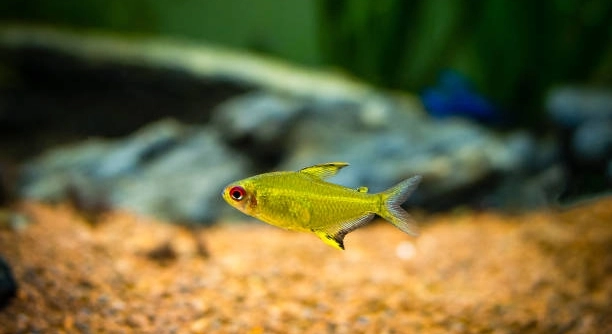
Do your lemon tetras ever seem less active or skip a meal? These small, vibrant fish are popular in home aquariums, and understanding their feeding habits is essential for maintaining a healthy tank environment.
Lemon tetras can survive without food for up to three days under normal conditions. Extended fasting beyond this period can cause stress and weaken their immune system, making them more susceptible to disease and reducing overall vitality.
Maintaining a regular feeding schedule and monitoring their behavior ensures your lemon tetras stay healthy and active, supporting a balanced and thriving aquarium environment.
Understanding Lemon Tetra Feeding Habits
Lemon tetras are small, active fish that thrive on a varied diet. They usually eat tiny flakes, micro pellets, or live foods like brine shrimp. Observing their behavior is important because it indicates their health. Skipping a meal occasionally is not harmful, but prolonged food absence can lead to lethargy and weakened immunity. Young tetras are more sensitive, requiring consistent feeding to support growth. Adult fish can tolerate short gaps but should still receive regular meals to maintain coloration and energy. Water quality also affects their appetite, as poor conditions may reduce interest in food. Feeding them small portions two to three times a day ensures they get proper nutrition without overfeeding. Overfeeding can lead to water pollution and health issues. Creating a balanced feeding routine helps maintain a stable tank environment, keeping the tetras active and bright. This combination of proper diet and monitoring promotes longevity and well-being for your fish.
Proper feeding keeps lemon tetras healthy, active, and vibrant, reducing stress and supporting their immune system effectively.
Maintaining a schedule is key. Observing how much your tetras eat at each feeding helps prevent leftover food from decaying and harming water quality. Adjusting portion sizes based on tank size and number of fish prevents overfeeding. Providing variety encourages natural hunting behavior and supports overall health. Even when missing a meal, tetras can recover quickly if their environment remains stable. Ensuring clean, well-filtered water alongside balanced nutrition strengthens resilience against disease. Regular observation of swimming patterns and interaction with tank mates gives insight into their wellbeing. By combining careful feeding and tank maintenance, you can foster a lively, healthy aquarium where lemon tetras thrive and display their full, vibrant colors.
Signs Your Lemon Tetra Is Hungry
Lemon tetras may show subtle cues when hungry, including swimming near the surface, circling the tank, or searching actively for food. Recognizing these behaviors helps prevent overfeeding.
Hunger indicators include increased activity around feeding times, persistent nibbling at tank decorations, and minor color fading.
Consistently noting these behaviors allows you to adjust feeding routines. Ensuring small, frequent meals matches their natural habits. Over time, you can identify normal versus abnormal patterns, helping maintain optimal health. Sudden changes in appetite may signal stress or illness, requiring attention to water parameters or diet adjustments. Feeding should be balanced to avoid malnutrition while maintaining tank hygiene. By paying attention to these signals, you create a responsive care plan that supports both physical health and natural behavior, ensuring lemon tetras remain vibrant and resilient. Proper feeding promotes energy, strengthens immunity, and prevents long-term health problems caused by irregular or insufficient nutrition.
How Often to Feed Lemon Tetras
Lemon tetras should be fed small portions two to three times daily. Overfeeding can harm water quality, while underfeeding may weaken their immune system. Observing their eating behavior ensures proper nutrition without causing tank issues.
Consistency in feeding schedules is crucial. Small, measured portions prevent leftover food from decomposing, which can pollute the water. Feeding multiple times a day mimics natural patterns, keeping tetras active and healthy. Offering a mix of flake food, micro pellets, and occasional live or frozen food ensures balanced nutrition. Adjust portion sizes based on tank population to avoid overcrowding or hunger. Monitoring behavior after feeding helps gauge if adjustments are needed. Maintaining this routine supports growth, coloration, and overall vitality.
Skipping a day occasionally is tolerable, but prolonged absence of food can stress tetras. Regular feeding paired with clean, stable water strengthens their immune system. Avoid sudden changes in diet, which can lead to digestive issues. Using a feeding schedule helps regulate appetite and promotes natural behaviors, such as searching and nibbling. Providing variety ensures essential nutrients are met. Observing tank dynamics and interactions during feeding helps detect illness or stress. A consistent approach minimizes risks while keeping tetras energetic and visually vibrant in the aquarium environment.
Food Types Suitable for Lemon Tetras
Flake food, micro pellets, and frozen or live options are ideal for lemon tetras. Variety supports health and prevents nutrient deficiencies. Choosing high-quality products ensures proper growth and coloration.
Flake food is convenient and widely available, offering essential nutrients for daily consumption. Micro pellets provide small, manageable bites suitable for their tiny mouths. Live foods like brine shrimp or daphnia stimulate natural hunting instincts and improve activity levels. Frozen options are a safe alternative, maintaining nutrients while reducing the risk of disease. Rotating these food types ensures balanced nutrition, prevents boredom, and supports immune function. Feeding amounts should be small to avoid waste.
Providing a mix of these foods helps tetras thrive in a home aquarium. Combining flake, pellet, and live or frozen foods covers all dietary needs, from proteins to vitamins. Monitoring how tetras respond to different foods informs portion adjustments and dietary preferences. Over time, this variety encourages healthy growth, sustained energy, and vibrant coloration. Feeding practices must also consider tank size and fish population to prevent leftover food from affecting water quality. Regularly observing their behavior during meals reveals their health status and ensures they receive sufficient nutrition, keeping your lemon tetras lively and resilient.
Effects of Fasting on Lemon Tetras
Short fasting of one to two days usually does not harm lemon tetras. Their metabolism allows them to cope briefly without food while conserving energy.
Extended fasting beyond three days can stress fish. It may weaken immunity, reduce activity, and affect coloration, making them more prone to illness.
Tips for Managing Short Absences
Planning for short absences requires portion control and observation. Automated feeders can help maintain consistency and prevent overfeeding. Ensuring water quality remains stable is essential while you are away.
Preparing Food in Advance
Pre-measuring portions helps maintain a feeding schedule. Using clean containers prevents contamination and ensures food remains fresh and safe for your tetras.
Observing Behavior After Feeding
Active swimming and bright coloration indicate healthy tetras. Monitoring these signs confirms that fish are receiving adequate nutrition and remaining stress-free.
How long can lemon tetras go without food?
Lemon tetras can survive without food for up to three days under normal conditions. Short periods without food generally do not harm them, as their metabolism allows them to conserve energy. Beyond three days, fasting can weaken their immune system, reduce activity, and cause stress, making them more vulnerable to disease.
Can lemon tetras go a week without eating?
Going a full week without food is not recommended. Extended fasting puts significant stress on lemon tetras, and prolonged nutrient deprivation can lead to weakened health, loss of coloration, and sluggish behavior. Maintaining a regular feeding routine is essential for their vitality and longevity.
What foods are best for lemon tetras?
Lemon tetras thrive on a varied diet. High-quality flake food is suitable for daily feeding, while micro pellets and frozen or live foods like brine shrimp and daphnia provide additional nutrients. Rotating food types ensures balanced nutrition and encourages natural feeding behaviors.
How often should lemon tetras be fed?
Feeding two to three times a day is ideal. Small, consistent portions prevent overfeeding, which can pollute the water, and underfeeding, which may weaken the fish. Monitoring their eating habits helps adjust portion sizes to meet tank population needs.
What happens if lemon tetras miss a meal?
Missing one meal is usually harmless. Lemon tetras can recover quickly if their environment remains stable and they resume regular feeding afterward. Occasional fasting may even stimulate natural foraging behavior, but consistent absence of food can cause stress and health issues.
How can I tell if my lemon tetras are hungry?
Signs of hunger include swimming near the surface, searching the tank actively, nibbling on decorations, and minor color fading. Increased activity during feeding times is normal, while persistent behavior outside feeding periods may indicate an adjustment in feeding routine is needed.
Can overfeeding harm lemon tetras?
Yes, overfeeding can harm lemon tetras. Uneaten food decomposes, polluting the water and causing stress or disease. Small portions fed multiple times a day, along with observation of feeding behavior, prevent overfeeding and maintain a healthy tank environment.
Are live foods necessary for lemon tetras?
Live foods are not strictly necessary but are beneficial. They provide essential nutrients, encourage natural hunting instincts, and improve activity levels. Frozen alternatives can substitute live foods safely while maintaining similar nutritional value, reducing the risk of introducing diseases.
What should I do if a lemon tetra refuses food?
Refusal to eat may indicate stress, illness, or poor water conditions. Check water parameters, tank temperature, and observe for signs of disease. Offering a variety of foods, including live or frozen options, often stimulates appetite. Consistency in feeding routines also encourages regular eating habits.
Can lemon tetras survive on flakes alone?
Flakes alone can sustain lemon tetras temporarily but may not provide all necessary nutrients. Supplementing with micro pellets, frozen, or live foods ensures a balanced diet, supporting color, energy, and immune function. Variety is key for long-term health and activity levels.
Is it safe to use an automatic feeder for lemon tetras?
Automatic feeders are safe when carefully set. Pre-measuring portions avoids overfeeding, and stable water conditions are crucial. They are particularly helpful during short absences, ensuring consistent feeding and reducing stress from irregular schedules.
How do water conditions affect feeding?
Poor water quality reduces appetite and can prevent tetras from eating properly. Maintaining clean, well-filtered water promotes normal feeding behavior and overall health. Regular water changes and monitoring parameters like ammonia and nitrate levels are essential.
Can fasting improve lemon tetra health?
Occasional short fasting may stimulate natural foraging behavior but should not be prolonged. Extended fasting causes stress, weakens the immune system, and can lead to health issues. Maintaining a balanced diet with consistent feeding is more beneficial than intentional fasting.
How to manage feeding during vacations?
For short trips, pre-measured portions or automatic feeders maintain regular feeding. Ensuring water quality remains stable and monitoring tank conditions before leaving reduces stress. Avoid leaving excess food that could decay, harming water parameters.
What is the ideal feeding routine for lemon tetras?
Small portions two to three times a day work best. Use a mix of flake, pellet, and occasional live or frozen foods. Monitor tank population, adjust amounts, and observe behavior to ensure all fish receive sufficient nutrition while maintaining water quality.
How can I encourage picky eaters?
Introduce variety gradually, combining flakes, micro pellets, and live or frozen options. Observing feeding habits helps identify preferences, and rotating foods can prevent boredom. Maintaining clean water and stable conditions also encourages appetite.
Are there signs of malnutrition in lemon tetras?
Yes, signs include faded coloration, lethargy, irregular swimming, and loss of appetite. Ensuring a balanced diet and consistent feeding schedule addresses nutritional deficiencies, supporting energy levels and immune function.
Can lemon tetras eat vegetables or plant-based food?
Yes, some small, finely chopped vegetables or plant-based flakes can supplement their diet. While not a staple, plant matter provides additional nutrients and supports digestive health. Balance with protein sources for optimal nutrition.
How quickly should lemon tetras eat their food?
Food should be consumed within a few minutes to prevent leftovers from polluting the tank. Observing eating speed helps adjust portion sizes, ensuring all fish receive nutrition without compromising water quality.
What is the impact of irregular feeding schedules?
Irregular feeding can cause stress, reduce energy, and weaken the immune system. Maintaining consistent times and portion sizes helps tetras stay healthy, active, and display their vibrant coloration consistently.
Can lemon tetras share food with other fish species?
Yes, in a community tank, other small species may eat the same food. Monitor interactions to ensure lemon tetras receive enough nutrition and adjust portions or feeding techniques to prevent competition or starvation.
Are frozen foods better than live foods?
Frozen foods are safer regarding disease risk and maintain most nutrients. Live foods provide behavioral stimulation but carry potential contamination. Using a combination ensures both safety and enrichment for lemon tetras.
How important is portion control for small tanks?
Portion control is crucial in small tanks to avoid water pollution. Small, frequent meals support health, prevent leftover decay, and maintain stable tank conditions, keeping tetras energetic and disease-free.
Can lemon tetras go without food if they are stressed?
Stress may reduce appetite temporarily, but extended absence of food combined with poor conditions weakens immunity. Addressing stress factors, maintaining water quality, and offering appealing food restores feeding behavior.
How to adjust feeding for growing lemon tetras?
Juveniles need more frequent, slightly larger meals to support growth. Adults require smaller, consistent portions. Observing growth, energy, and coloration helps fine-tune feeding for each stage of development.
Is it harmful to feed lemon tetras human food?
Human food is generally unsafe. Oils, salts, and seasonings can harm delicate digestive systems. Stick to formulated flake, pellet, or approved live/frozen foods to maintain health and avoid toxicity.
How can I tell if my feeding routine is effective?
Healthy tetras exhibit active swimming, bright coloration, and regular appetite. Observing these signs alongside clean water and proper growth indicates that your feeding routine meets nutritional and environmental needs.
Final Thoughts
Lemon tetras are small, lively fish that bring color and movement to a home aquarium. Their care seems simple at first glance, but understanding their feeding habits is essential for maintaining their health. These fish can tolerate short periods without food, typically up to three days, thanks to their metabolism and natural energy reserves. Short absences from feeding do not usually cause harm, but consistent feeding is necessary to keep them strong, active, and vibrant. Monitoring their behavior closely, such as activity levels and coloration, helps ensure they remain healthy and can quickly indicate if there are problems with feeding or water quality. Proper feeding is more than just giving them food—it is about creating a routine that supports their well-being. Observing how they respond to food, how much they consume, and any changes in behavior or appearance provides valuable insight into their overall health and environment.
Maintaining a balanced diet is key for lemon tetras. Flake foods and micro pellets provide the essential nutrients for daily consumption, while frozen or live foods like brine shrimp and daphnia add variety and stimulate natural foraging behavior. Rotating these food types ensures they receive a complete range of nutrients without becoming bored or stressed. Overfeeding, however, can harm both the fish and the aquarium environment. Leftover food can pollute the water, which may reduce oxygen levels and increase harmful bacteria. Portion control, observation, and proper timing are therefore critical in maintaining a stable and healthy tank. Automated feeders can assist during short absences, but pre-measuring portions and maintaining water quality are equally important to prevent overfeeding and ensure that all tetras receive adequate nutrition. A consistent routine paired with clean, filtered water strengthens their immune systems, supports coloration, and promotes overall vitality.
Understanding lemon tetras’ behavior, feeding needs, and environmental requirements allows for a thriving, visually appealing aquarium. Regular observation, a varied diet, and attention to water quality all play a role in supporting their health. Even short-term fasting can be managed safely if the fish are otherwise healthy and the tank is well-maintained. Paying attention to hunger cues, activity levels, and feeding responses ensures that the tetras remain energetic and resistant to disease. By maintaining a consistent and balanced feeding schedule, monitoring water conditions, and providing a mix of appropriate foods, you create a sustainable environment where lemon tetras can flourish. Their bright colors, lively movement, and social behavior are reflections of good care. Proper feeding routines, portion control, and consistent observation are the foundation of a healthy aquarium, allowing your lemon tetras to thrive for years while maintaining a vibrant and dynamic presence in your tank.

Hello,
If you enjoy the content that we create, please consider saying a "Thank You!" by leaving a tip.
Every little bit helps us continue crafting quality advice that supports the health, happiness, and well-being of pets around the world, for pets of all shapes, sizes, and species.
We really appreciate the kindness and support that you show us!