
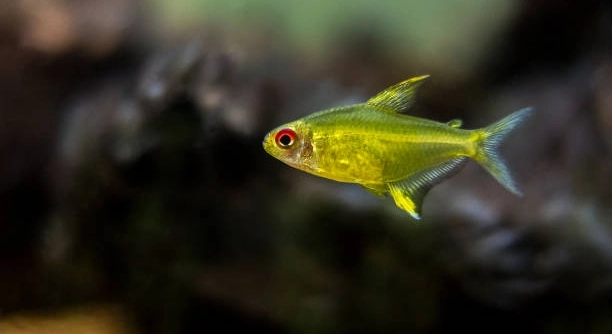
Keeping lemon tetras is a popular choice for many home aquarists who enjoy small, colorful fish. Their bright yellow coloration and peaceful nature make them appealing additions to community tanks, offering a lively presence.
Lemon tetras are primarily freshwater fish and do not thrive in brackish water conditions. Exposure to increased salinity can cause stress, weaken their immune systems, and potentially lead to serious health issues or premature death. Maintaining stable freshwater parameters is essential.
Learning how to properly care for these small fish ensures a healthy, vibrant aquarium. Understanding their needs helps prevent common mistakes that could impact their wellbeing over time.
Understanding Lemon Tetra Habitat
Lemon tetras originate from slow-moving freshwater rivers and streams in South America. They are used to soft, slightly acidic water with stable temperatures and minimal currents. In their natural habitat, plants, leaf litter, and gentle light provide shelter and create a calm environment. Trying to replicate these conditions in a home aquarium helps maintain their health and reduces stress. Unlike some species that can tolerate variations in water chemistry, lemon tetras are sensitive to abrupt changes. Even small amounts of salt can disrupt their bodily functions, making it harder for them to regulate their internal systems. Keeping water clean and consistent with regular changes ensures the fish remain active and show their best coloration. It’s also important to consider tank mates that share similar water preferences, as incompatible species can increase stress and lead to disease outbreaks. Attention to these details helps lemon tetras thrive for years.
Maintaining a freshwater setup is essential to mimic their natural conditions and ensure long-term health.
Adding plants, hiding spots, and stable water chemistry improves behavior, reduces stress, and enhances color in the aquarium.
Brackish Water and Its Effects
Lemon tetras are not adapted to brackish conditions.
Exposing lemon tetras to brackish water can interfere with their osmoregulation, leading to weakened immune systems and higher susceptibility to infections. Brackish water typically contains higher levels of dissolved salts than freshwater, which lemon tetras are not physiologically prepared to handle. Even a small increase in salinity can disrupt their natural balance, affecting respiration, feeding, and overall energy levels. Over time, this can result in chronic stress, slower growth, and increased mortality. While some fish species transition gradually to brackish environments, lemon tetras show little tolerance for such changes. Properly maintaining freshwater conditions with regular water testing and controlled temperature is crucial to their wellbeing. Observing behavior, such as swimming patterns and color vibrancy, can help identify early signs of stress before serious health issues occur. Ensuring these environmental factors remain stable allows lemon tetras to thrive, display natural behaviors, and maintain a long lifespan within a freshwater aquarium.
Water Parameters for Lemon Tetras
Keeping water soft and slightly acidic is essential for lemon tetras. Ideal pH ranges from 5.5 to 7.0, and temperature should stay between 72°F and 78°F. Hard or highly alkaline water can cause stress and reduce their lifespan.
Regular monitoring of water hardness, pH, and temperature is key. Lemon tetras are sensitive to sudden changes, so gradual adjustments are necessary. Using a reliable test kit helps detect shifts early, allowing corrections before the fish are affected. Consistent maintenance, including partial water changes, ensures the environment remains stable and supports their health.
Filtration plays a critical role in keeping water clean while maintaining gentle flow. Strong currents can stress lemon tetras, so choosing an appropriate filter is important. Aquatic plants also help stabilize water chemistry and provide hiding spots, reducing aggression and promoting natural behavior in the tank.
Feeding Lemon Tetras
Lemon tetras require a balanced diet of high-quality flakes, micro pellets, and occasional live or frozen foods like brine shrimp. Variety ensures proper nutrition and vibrant coloration.
Feeding small portions two to three times daily prevents overfeeding, which can pollute water and harm fish. Observing their eating habits helps identify if all fish are receiving enough food. Supplementing with vegetables like blanched spinach or zucchini occasionally can improve digestion. A well-fed tetra is more active, displays brighter colors, and maintains overall health.
Overfeeding can lead to obesity and water quality issues. Uneaten food decomposes quickly, raising ammonia levels and stressing the fish. Rotating food types provides essential vitamins and minerals, supporting growth, immunity, and natural behavior. Maintaining a consistent feeding schedule and removing leftovers promptly keeps both the fish and aquarium environment healthy.
Tank Setup Essentials
A well-planted tank with plenty of hiding spots keeps lemon tetras comfortable. Driftwood and leaf litter help mimic natural environments, providing shelter and reducing stress.
Soft substrate like sand or fine gravel protects their delicate fins. Open swimming areas are important for active movement and social interaction among the fish.
Compatible Tank Mates
Lemon tetras thrive with peaceful, small fish that share similar water requirements. Avoid aggressive or larger species that may stress or harm them.
Schools of small rasboras, guppies, or other tetras make ideal companions. Maintaining at least six lemon tetras encourages natural schooling behavior, which improves confidence, reduces stress, and enhances their vibrant yellow coloration in the aquarium.
Signs of Stress
Stress in lemon tetras often shows as faded colors or erratic swimming.
Early identification of stress allows quick action to correct water quality, tank setup, or social dynamics, ensuring their long-term health and activity levels.
Maintaining Water Quality
Regular partial water changes and monitoring ammonia, nitrite, and nitrate levels are vital to prevent toxic buildup.
FAQ
Can lemon tetras survive in slightly brackish water?
Lemon tetras are strictly freshwater fish and cannot tolerate brackish conditions. Even low levels of salt can stress their bodies, affect osmoregulation, and make them vulnerable to disease. Keeping them in freshwater with stable parameters ensures their health and longevity.
What is the ideal tank size for a school of lemon tetras?
A minimum of 20 gallons is recommended for a small school of six to eight lemon tetras. This allows adequate swimming space, proper schooling behavior, and room for plants and decorations that provide hiding spots. Larger tanks are always better for stability.
How many lemon tetras should be kept together?
Lemon tetras are schooling fish and need to be kept in groups of at least six. Smaller numbers can lead to stress, shyness, and decreased activity, while a larger school encourages natural behavior and enhances their bright coloration.
What temperature is best for lemon tetras?
They thrive in water between 72°F and 78°F. Consistent temperature is important; sudden drops or spikes can stress them and weaken their immune system. Using a reliable heater and thermometer helps maintain stability.
How often should I feed lemon tetras?
Feeding small portions two to three times a day is ideal. Overfeeding can pollute the tank and lead to health issues, while underfeeding can cause malnutrition. A balanced diet of flakes, micro pellets, and occasional live or frozen foods is best.
What type of filtration works best?
Gentle filtration is essential. Strong currents can exhaust and stress lemon tetras. Sponge filters or adjustable flow filters work well, keeping water clean while maintaining calm conditions. Combining filtration with live plants also helps stabilize water quality naturally.
Can lemon tetras live with other fish?
Yes, they are peaceful and do well with other small, non-aggressive species like guppies, rasboras, and other tetras. Avoid large or aggressive fish that may nip fins or intimidate them, as this can cause stress and reduce lifespan.
How can I tell if my lemon tetra is stressed?
Signs include faded colors, clamped fins, hiding excessively, or erratic swimming. Stress often results from poor water quality, incompatible tank mates, or improper tank conditions. Identifying these early allows for corrections before serious health issues occur.
Do lemon tetras need live plants?
Live plants are not strictly necessary but highly beneficial. They improve water quality, provide hiding spots, and reduce stress. Plants also create a more natural environment, encouraging normal swimming and schooling behavior. Hardy species like Java moss or Anubias are ideal.
How often should water be changed?
Weekly partial water changes of 20–25% are recommended. This keeps ammonia, nitrite, and nitrate levels low, maintaining a healthy environment. Consistent changes also prevent sudden fluctuations in water parameters that can stress lemon tetras and compromise their health.
What pH and hardness are suitable?
Lemon tetras prefer soft, slightly acidic water with a pH between 5.5 and 7.0. Water hardness should be low to moderate. Sudden changes in these parameters can cause stress or illness, so regular monitoring is important for their wellbeing.
Can lemon tetras breed in a home aquarium?
Yes, they can spawn in freshwater tanks with soft, slightly acidic water and plenty of fine-leaved plants. Eggs are sensitive and should be protected from adults, as tetras may eat them. Providing the right environment encourages successful breeding.
How long do lemon tetras live?
With proper care, they typically live three to five years. Maintaining stable water conditions, proper diet, and a stress-free environment maximizes their lifespan and ensures healthy, active fish.
Are there common diseases to watch for?
Yes, fin rot, ich, and bacterial infections can affect lemon tetras. Poor water quality or stress increases susceptibility. Quarantining new fish and maintaining stable tank conditions are essential preventative measures.
Is a heated tank necessary year-round?
Yes, maintaining a steady temperature is important, especially in cooler climates. Sudden drops can weaken immune systems. Using a heater ensures consistent warmth, supporting overall health and normal activity levels in lemon tetras.
Lemon tetras are small, bright freshwater fish that bring life to any aquarium. They thrive best in soft, slightly acidic water with stable temperatures between 72°F and 78°F. Maintaining these conditions is important because sudden changes in water chemistry or temperature can stress them. Stress not only affects their behavior but also makes them more vulnerable to illness. Unlike some fish that can tolerate brackish conditions, lemon tetras do not handle salinity well. Even small amounts of salt in the water can interfere with their natural biological processes, weaken their immune system, and lead to long-term health issues. Keeping them in a proper freshwater environment ensures they remain active, colorful, and healthy. Along with water parameters, tank setup plays an important role. Adding plants, driftwood, and leaf litter creates hiding spots and reduces stress, while also mimicking the calm, slow-moving waters of their natural habitat. Open swimming spaces combined with a gentle filter allow them to display natural schooling behavior, which is essential for their overall well-being.
Feeding lemon tetras the right diet is also essential. They benefit from a mix of high-quality flakes or micro pellets, supplemented with occasional live or frozen foods like brine shrimp. Variety ensures they get the necessary nutrients and maintains their bright yellow coloration. Overfeeding should be avoided, as leftover food can pollute the tank and raise ammonia levels, which is harmful to fish. Feeding small portions two to three times a day keeps them healthy without overwhelming the aquarium environment. Observing their behavior while feeding can help detect early signs of stress or illness. In addition to diet, maintaining water quality is crucial. Regular partial water changes, combined with testing for pH, hardness, and ammonia levels, prevent harmful chemical buildup and create a stable environment. Small details, such as the number of fish in the tank and compatible tank mates, also impact their health. Lemon tetras are social creatures, so keeping at least six together allows them to school naturally, reducing stress and encouraging vibrant activity.
Finally, taking proper care of lemon tetras ensures they live a long, healthy life of three to five years or more. Paying attention to water parameters, diet, tank setup, and social dynamics helps them thrive in captivity. Stress prevention is key, as it affects immunity, coloration, and behavior. A well-maintained tank with peaceful companions, appropriate feeding, and consistent monitoring creates a comfortable and stable environment for these delicate fish. While they may seem small and simple, their health depends on careful attention to detail. By understanding their natural preferences and replicating conditions as closely as possible, aquarists can enjoy the beauty and energy of a thriving lemon tetra school. Proper care not only improves their lifespan but also enhances their activity and vibrant colors, making them a rewarding addition to any freshwater aquarium.

Hello,
If you enjoy the content that we create, please consider saying a "Thank You!" by leaving a tip.
Every little bit helps us continue crafting quality advice that supports the health, happiness, and well-being of pets around the world, for pets of all shapes, sizes, and species.
We really appreciate the kindness and support that you show us!