
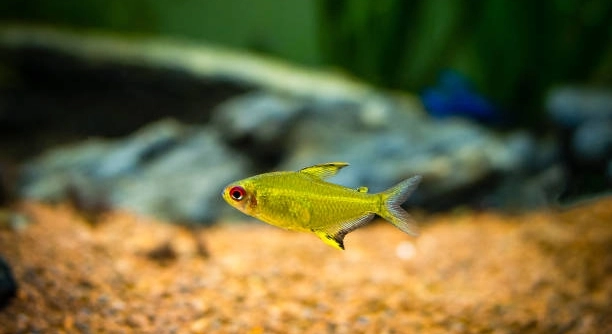
Have you ever wondered how lemon tetra behave when they are left alone in their tank? These small, vibrant fish have unique social patterns that can be surprising when observed over time.
When lemon tetra are left alone, they may become stressed and exhibit reduced activity. Solitary fish can show signs of hiding, decreased feeding, and a lack of normal schooling behavior, which impacts their overall health and well-being.
Observing these behaviors can help you create a more suitable environment for your fish and improve their daily comfort in the aquarium.
Why Lemon Tetra Prefer Company
Lemon tetra are naturally schooling fish, meaning they thrive when surrounded by others of their species. Being alone can lead to stress, as these fish rely on group dynamics for security and social interaction. In a tank without companions, lemon tetra may swim nervously, hover near decorations, or even hide in corners for long periods. This behavior is not laziness; it is a response to isolation. Fish in groups feel more confident and tend to explore their surroundings more actively. Their bright colors often appear more vibrant when they are in a school, adding to the overall health and balance of the aquarium. Providing at least six lemon tetra in a tank allows them to establish a social hierarchy, reduce stress, and encourage natural behaviors like synchronized swimming. Tank size, water quality, and compatible tank mates further influence their comfort levels and overall behavior.
Lemon tetra left alone often appear duller and less active, showing clear signs of stress and isolation.
Ensuring that lemon tetra are in a proper school promotes both physical and mental health. Regular feeding, clean water, and appropriate tank decorations complement the social aspect, helping them display natural behaviors like chasing, schooling, and resting in safe areas. Observing them with companions can be rewarding, as they interact dynamically and maintain healthier activity patterns. A well-planned tank that considers social needs reduces the risk of disease and encourages longer, happier lives for each fish.
Signs of Stress in Solitary Lemon Tetra
Solitary lemon tetra often hide or swim frantically, signaling stress or discomfort in their environment.
Stress in lemon tetra can appear in many forms. They may refuse food, lose color, or swim erratically. Over time, prolonged isolation can weaken their immune system, making them more prone to illness. Behavioral changes may include staying at the bottom of the tank or avoiding interactions even if other fish are later introduced. Stress can also reduce breeding behavior and limit normal exploration of the aquarium. Providing hiding spaces, consistent lighting, and a stable water environment can help mitigate some stress, but social interaction remains critical. Adding a small group of lemon tetra can immediately improve behavior, encouraging schooling, feeding, and playful swimming. Proper tank setup combined with company ensures they remain active, healthy, and display the vibrant colors that make them appealing. Solitary fish rarely reach their full potential, so maintaining a group is essential for both behavior and long-term health.
Tank Environment and Its Impact
A tank that is too small or lacks hiding spaces can worsen stress for lemon tetra. Proper water quality and temperature also play a major role in keeping them active and healthy.
A well-maintained tank encourages natural behavior, even when the fish are in a school. Decorations like plants, rocks, and driftwood provide shelter and reduce anxiety. Proper filtration keeps water clean, preventing harmful buildup of ammonia or nitrites. Stable water temperature and pH levels reduce stress, allowing lemon tetra to swim freely and interact with each other. A balanced environment ensures that the fish display vibrant colors and maintain regular feeding patterns.
Lighting and subtle currents contribute to a natural environment, helping lemon tetra mimic behaviors seen in the wild. Observing their interactions becomes more rewarding when their habitat supports both safety and activity. Even minor changes, like rearranging plants or adding small shelters, can improve confidence and reduce erratic swimming, making the tank a healthier, more engaging space for your fish to thrive.
Feeding and Social Interaction
Lemon tetra eat small flakes, pellets, and occasional live foods, and feeding routines affect their behavior. A regular schedule helps them remain active and reduces aggression.
When feeding, it’s important to distribute food evenly so all fish can access it. In solitary fish, competition is absent, which may lead to overeating or under-stimulation. Social feeding encourages natural foraging behavior, reduces stress, and helps maintain their energy levels. Group dynamics during feeding strengthen schooling behavior and encourage interaction. Even minor changes in diet, such as adding frozen or live foods, improve health and promote color vibrancy. Feeding is not just nutrition—it reinforces natural patterns and social bonds, essential for lemon tetra well-being.
Loneliness and Behavior Changes
Isolated lemon tetra may swim slowly or hide for long periods, showing signs of stress and insecurity. Their bright colors can fade, and they may become less responsive to environmental stimuli.
Over time, solitary fish may develop unusual behaviors, such as repetitive swimming patterns or constant hovering near the tank bottom. Lack of social interaction can reduce their natural curiosity and make them prone to illness.
Introducing Companions
Adding more lemon tetra gradually can improve activity and reduce stress. Start with small groups to avoid overwhelming the existing fish. Proper acclimation ensures smoother integration and healthier social dynamics.
Maintaining a Healthy School
Keeping lemon tetra in groups of six or more promotes natural schooling behavior. This social environment supports active swimming, feeding, and overall vitality.
What happens if a lemon tetra is kept alone?
A lemon tetra kept alone may become stressed and exhibit unusual behaviors such as hiding, slow swimming, or floating near the bottom. Their colors often fade, and they may lose interest in food or exploration. Long-term isolation can weaken their immune system, making them more prone to illness and reducing their lifespan.
How many lemon tetra should be kept together?
Lemon tetra are schooling fish, and a minimum of six is recommended to encourage natural behavior. Small groups provide security and allow them to display normal social interactions, like synchronized swimming and chasing. Larger groups further improve confidence, reduce stress, and make their colors appear more vibrant.
Can lemon tetra live with other fish?
Yes, lemon tetra can live with peaceful, small fish such as guppies or rasboras. Aggressive or much larger fish should be avoided, as they can intimidate or harm lemon tetra. Choosing compatible species helps maintain calm and encourages schooling behavior.
Will a lone lemon tetra eat properly?
Solitary lemon tetra may eat less frequently or appear uninterested in food. Without competition or social cues, they can lose motivation to feed regularly. Observing feeding behavior is important; providing high-quality flakes, pellets, and occasional live foods can help maintain nutrition and overall health.
Do lemon tetra show signs of stress in isolation?
Yes, stress in solitary lemon tetra often shows as erratic swimming, constant hiding, or floating in one spot for long periods. They may lose color and become less interactive with the environment. Stress can increase vulnerability to disease, making social interaction critical for well-being.
How can you introduce new lemon tetra to a tank?
Introducing new fish gradually is key. Acclimate them slowly using a drip method or floating bag technique to adjust to water temperature and chemistry. Rearranging decorations slightly can help reduce territorial behavior, making the introduction smoother and minimizing stress for all fish.
Does tank size affect lemon tetra behavior?
Yes, tank size directly impacts behavior. A tank that is too small increases stress and reduces schooling opportunities. Larger tanks with open swimming areas, plants, and hiding spots allow them to exhibit natural behaviors, maintain health, and display bright, lively colors.
What role does water quality play for solitary lemon tetra?
Water quality is critical. Poor water conditions exacerbate stress and increase the likelihood of illness. Regular water changes, proper filtration, and monitoring temperature, pH, and ammonia levels help maintain a healthy environment, even for isolated fish. Clean, stable water improves activity and overall well-being.
Can solitary lemon tetra recover if companions are added later?
Yes, solitary fish often recover once introduced to a group. They gradually regain normal swimming patterns, color vibrancy, and interest in food. However, prolonged isolation may cause lingering stress effects, so early socialization is ideal to maintain long-term health and natural behavior.
Is it okay to leave lemon tetra alone for short periods?
Short periods alone, such as during temporary illness or quarantine, are generally manageable. The fish may become slightly stressed but usually return to normal behavior once reintroduced to their group. Monitoring activity, feeding, and water quality during this time helps minimize negative effects.
How do hiding spots influence lonely lemon tetra?
Hiding spots can reduce stress for solitary lemon tetra. Plants, caves, or driftwood provide shelter and allow them to feel secure. While these features help temporarily, they do not replace social interaction, which is necessary for long-term health, activity, and natural schooling behaviors.
What are signs that your lemon tetra has fully adjusted to companions?
Adjusted fish swim actively in groups, explore the tank, and feed regularly. Their colors become brighter, and they participate in synchronized swimming and playful chasing. They spend less time hiding and show normal curiosity, indicating comfort and reduced stress in a social environment.
Can stress from isolation affect reproduction?
Yes, stress from being alone can reduce breeding behaviors. Lemon tetra may avoid spawning or fail to produce eggs and fry. Social interaction, optimal tank conditions, and proper diet are important for encouraging reproduction and maintaining a healthy population in captivity.
Does adding live plants help solitary lemon tetra?
Live plants can provide shelter and environmental enrichment, making solitary fish feel safer. They also improve water quality by absorbing nitrates. While helpful, plants alone cannot replace the benefits of companionship, which is essential for schooling and reducing stress.
How long can lemon tetra survive alone?
Survival is possible, but quality of life declines. Loneliness causes stress, color loss, reduced activity, and weaker immunity. Proper tank care and occasional enrichment can help, but these fish reach full potential only in groups that support social and natural behaviors.
Lemon tetra are social fish that thrive in groups, and understanding their needs is key to keeping them healthy and active. When left alone, these small, vibrant fish experience stress that affects both their behavior and overall health. Solitary lemon tetra often hide, swim slowly, or stay in one spot for long periods. Their bright colors may fade, and they can lose interest in eating or exploring their environment. Over time, isolation can weaken their immune system, making them more vulnerable to illness and reducing their lifespan. Providing a school of at least six lemon tetra ensures they maintain natural behaviors like synchronized swimming, chasing, and feeding together, which helps them stay active and confident in their environment.
A proper tank environment is essential for the well-being of lemon tetra, whether alone or in groups. Tanks should offer ample space for swimming, along with decorations such as plants, rocks, or driftwood that provide hiding spots and reduce stress. Clean, stable water with proper filtration, temperature, and pH levels supports their physical health and encourages natural activity. Feeding routines also play an important role, as lemon tetra rely on social cues when eating. Providing high-quality flakes, pellets, and occasional live foods keeps them well-nourished and supports their energy levels. In a group setting, feeding becomes more interactive, encouraging natural foraging behavior and reducing stress. Even small adjustments, like rearranging decorations or adding new hiding spots, can improve confidence and help the fish display their full color and activity levels.
Maintaining a healthy group of lemon tetra requires attention to both social and environmental factors. Introducing new fish should be done gradually to prevent stress, and observing their behavior can help ensure they are adjusting well to companions. While temporary isolation for illness or quarantine can be managed, prolonged solitude should be avoided whenever possible. Social interaction is not just beneficial—it is necessary for their mental and physical well-being. Keeping lemon tetra in a properly maintained school enhances their life, encourages natural behavior, and allows them to thrive in a way that solitary fish cannot. By understanding their social needs, providing a suitable tank, and maintaining consistent care, these fish can live longer, healthier lives, and their full vibrancy and activity can be appreciated. This approach ensures that lemon tetra remain happy, active, and resilient, reflecting the balance required to support their natural behaviors and long-term health.

Hello,
If you enjoy the content that we create, please consider saying a "Thank You!" by leaving a tip.
Every little bit helps us continue crafting quality advice that supports the health, happiness, and well-being of pets around the world, for pets of all shapes, sizes, and species.
We really appreciate the kindness and support that you show us!