
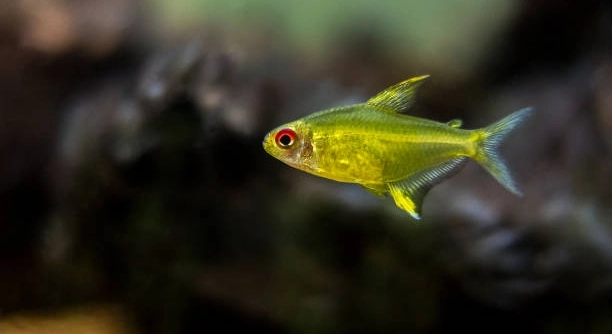
Are your lemon tetras constantly swimming away from the filter current in your aquarium? This behavior can be puzzling for fishkeepers, especially when these small, vibrant fish are known for their active nature and schooling tendencies.
Lemon tetras tend to avoid strong filter currents due to their small size, delicate fins, and natural preference for calm waters. High water flow can cause stress, fatigue, and even interfere with their feeding and schooling behaviors, impacting overall health.
Understanding why these fish avoid currents is essential for creating a comfortable environment that supports their natural behavior and well-being. Proper tank setup can greatly enhance their activity and happiness.
Small Size and Fragile Fins
Lemon tetras are naturally small and have delicate fins that can be easily damaged by strong water currents. In tanks with powerful filters, they often struggle to maintain their position, leading to stress and fatigue. Their tiny bodies cannot easily swim against heavy flow, which forces them to seek calmer areas near plants or decorations. Avoiding strong currents is instinctive, as it protects them from injury. Observing their behavior, you may notice they gather in corners or behind ornaments, where the water movement is gentler. Creating areas with lower flow can help them feel secure and maintain their energy levels. Providing a variety of hiding spots also encourages natural schooling behavior and reduces stress. Many aquarists overlook the impact of filter strength, but even a slight reduction can make a significant difference for these small, sensitive fish. They thrive in conditions that mimic gentle streams rather than rapid waters.
Smaller tetras need calm areas to maintain energy and avoid fin damage, which ensures their overall health and comfort in the tank.
By adjusting the filter output and arranging plants strategically, you can provide multiple zones with differing flow rates. This allows lemon tetras to swim freely in safe areas while still enjoying mild currents for exercise. Observing their preferred spots can guide you in tank layout, ensuring both active swimming and restful areas. Over time, you may notice more confident schooling behavior and reduced stress signs like hiding or clamped fins. Maintaining a balanced environment benefits not only their physical health but also their natural interactions and feeding habits. A thoughtful setup considers their small size and delicate anatomy, creating a habitat that supports growth, coloration, and overall vitality.
Preference for Calm Waters
Lemon tetras naturally inhabit slow-moving waters in their native environment, making strong currents uncomfortable for them.
Replicating calm water conditions in the aquarium allows tetras to express natural behaviors and reduces stress. Adjusting flow and adding soft decorations creates a more suitable environment for their needs.
Schooling Behavior
Lemon tetras prefer swimming together in tight groups. Strong currents can scatter them, causing stress and disrupting their natural social patterns.
When currents are too strong, tetras struggle to maintain cohesion within the school. Being separated from the group triggers anxiety, as these fish rely on numbers for security and communication. Calm zones allow them to swim together naturally, promoting proper interaction and reducing stress-related behaviors. Proper tank design ensures that the school can navigate comfortably without being forced into high-flow areas, maintaining both their physical and mental well-being. Observing how they cluster can guide placement of plants and decorations to support schooling behavior.
Maintaining areas of gentle flow helps preserve social cohesion. Lemon tetras feel safer and exhibit more natural movement, feeding, and resting patterns when not constantly battling strong currents. This setup encourages healthy growth and longevity.
Feeding Efficiency
Strong currents can prevent lemon tetras from accessing food easily, leading to skipped meals or slower growth.
Lemon tetras are small, agile fish, but strong water flow can push food away or make it difficult for them to reach it. When they struggle to capture floating flakes or small pellets, they expend extra energy, which can impact their overall health. Providing feeding zones with minimal current ensures that all fish get adequate nutrition without exhausting themselves. This also encourages proper feeding behavior, where dominant tetras do not monopolize food while weaker ones are left behind. Adjusting filter output and creating calm pockets in the tank allows even distribution of food.
Calm feeding areas support consistent nutrition and reduce competition. Lemon tetras remain healthy, maintain vibrant coloration, and grow steadily when they can eat without fighting strong currents.
Sensitivity to Stress
Lemon tetras are prone to stress when exposed to strong water currents. Constant fighting against flow can weaken their immune system and affect overall health.
Stress in lemon tetras can lead to color fading, clamped fins, and reduced activity. Gentle water movement helps them remain calm and display natural behaviors, keeping them healthy and vibrant.
Energy Conservation
Swimming against strong currents requires significant energy, which lemon tetras would rather conserve for feeding and social interaction. Their small bodies tire quickly, making calm zones essential for survival and well-being.
Avoidance of Open Spaces
Open areas with high flow feel exposed and unsafe for lemon tetras. They prefer regions near plants or decorations where water movement is minimal, allowing them to rest and swim without strain.
FAQ
Why do lemon tetras avoid the filter current even in a well-planted tank?
Even in planted tanks, strong currents can make lemon tetras uncomfortable. Their small size and delicate fins make swimming against flow tiring. Plants help break up currents, but areas near decorations or corners are still preferred for resting and schooling. Creating gentle zones ensures they feel safe.
Can strong currents harm lemon tetras physically?
Yes, strong currents can damage fins, cause fatigue, and increase stress levels. Constantly fighting the water flow may result in torn fins or clamped fins. Stress weakens their immune system, making them more vulnerable to disease. Properly adjusting filter output protects their physical health.
How can I adjust my filter to suit lemon tetras?
Reducing flow or redirecting the outflow toward a tank wall can create calmer zones. Using sponge filters or flow deflectors also softens the water movement. Observing where your tetras gather can help determine the best placement and flow rate. A balanced setup keeps them active without stress.
Do lemon tetras need high water movement at all?
Lemon tetras do benefit from mild currents to encourage swimming and exercise, but too much flow is stressful. Gentle movement mimics their natural habitat and keeps the water well-oxygenated without exhausting them. Small, calm streams in the tank are ideal.
Will rearranging decorations help reduce stress from currents?
Yes, positioning plants, rocks, or driftwood near filter outflows can break up strong currents. Tetras use these areas for shelter and resting. Providing hiding spots ensures they can navigate the tank comfortably, swim with the school, and avoid unnecessary stress while exploring.
Can avoiding currents affect their feeding habits?
Strong currents can push food away, making it difficult for lemon tetras to eat efficiently. Calm feeding zones allow all fish to access food without struggling. Observing their feeding behavior and adjusting flow ensures proper nutrition and reduces competition among school members.
Is schooling behavior affected by filter currents?
Yes, strong currents can scatter the school, causing anxiety and social stress. Lemon tetras rely on staying together for security. Creating calm zones allows them to maintain natural schooling patterns, which supports both their physical and mental well-being.
How can I tell if the current is too strong?
Signs include fish constantly swimming backward, clamped fins, hiding excessively, or appearing fatigued. If you notice uneven schooling or color fading, it may indicate stress from water flow. Adjusting filter speed or adding flow deflectors can help create a more comfortable environment.
Does tank size matter when considering filter currents?
Yes, in smaller tanks, strong currents have a bigger impact because fish have less space to avoid flow. Larger tanks provide more zones for calm swimming. Proper placement of filters and decorations is essential regardless of tank size to ensure safe, comfortable areas for lemon tetras.
Can other fish in the tank influence lemon tetras’ response to currents?
Other active or larger fish may intensify the effect of currents by pushing water around. Aggressive or fast swimmers can force tetras into high-flow areas, increasing stress. Ensuring compatible tank mates and calm zones helps lemon tetras navigate safely while maintaining natural behavior.
Are there any tools to measure or reduce current strength?
Flow meters and adjustable filters can help gauge and control water movement. Sponge filters, baffles, or spray bars can diffuse strong currents. Monitoring where tetras swim most comfortably indicates optimal flow levels, creating a safer and more enjoyable tank environment for them.
Will lemon tetras adapt to stronger currents over time?
While they may become slightly accustomed, persistent strong currents are not ideal. Stress and fatigue can accumulate, impacting health and longevity. Providing gentle flow areas ensures they can exercise, feed, and socialize without harm, supporting their long-term well-being.
How often should I check filter strength for lemon tetras?
Regular observation is key. Weekly checks of fish behavior, swimming patterns, and feeding efficiency help identify areas with too much flow. Adjusting the filter as needed ensures the tank remains comfortable and supports healthy, natural activity for the tetras.
Can plants alone solve current issues for lemon tetras?
Plants help break up flow but may not fully protect tetras from strong currents. Combining plants with careful filter placement, flow reduction, and decorations creates multiple calm zones. This comprehensive setup allows tetras to swim freely while avoiding stress and physical strain.
What is the ideal tank setup for minimizing stress from currents?
A mix of gentle flow, plants, rocks, and hiding spots provides options for swimming, resting, and schooling. Observing where tetras naturally gather guides placement of deflectors or decorations. Adjusting filter output and monitoring behavior ensures the tank remains safe, comfortable, and suitable for healthy, happy lemon tetras.
Lemon tetras are small, delicate fish that thrive in calm, well-structured environments. Their natural habitats are slow-moving streams and quiet waters, which makes them sensitive to strong currents in aquariums. When tank conditions include a filter that produces excessive flow, these fish often avoid certain areas, gather in corners, or stay close to plants and decorations. This behavior is instinctive, as swimming against strong currents requires more energy than their small bodies can comfortably handle. Providing areas of gentle flow allows them to swim freely, feed efficiently, and maintain proper schooling behavior without experiencing fatigue or stress. Over time, even minor adjustments to the tank’s filter or layout can make a noticeable difference in their activity and overall health.
Creating a comfortable environment for lemon tetras involves more than simply reducing water flow. Tank decorations, plants, and hiding spots all contribute to creating calm zones where tetras can rest, interact, and explore safely. Observing how your fish respond to different areas of the tank can guide placement of these features and help balance active swimming with rest periods. A well-planned tank allows lemon tetras to maintain their natural behaviors while also reducing risk of fin damage, stress-related illnesses, or poor feeding outcomes. Ensuring that feeding areas remain free from strong currents is particularly important, as small fish can be easily pushed away from food sources. When all these factors are considered, tetras display brighter coloration, more confident schooling patterns, and steady growth.
Maintaining the right balance of water flow also supports long-term health and happiness for lemon tetras. Gentle currents encourage natural exercise without exhausting the fish, while calm areas allow for relaxation and social cohesion within the school. Regular observation is essential, as fish behavior provides the most accurate insight into tank conditions. Adjusting filter output, rearranging decorations, and monitoring fish responses can prevent stress before it becomes a problem. Overall, creating an environment that respects the tetras’ natural tendencies ensures that they can thrive, swim comfortably, and live active, healthy lives. Thoughtful tank management not only benefits the fish physically but also supports their overall well-being and natural behavior patterns, making the aquarium a stable and enjoyable habitat for everyone.

Hello,
If you enjoy the content that we create, please consider saying a "Thank You!" by leaving a tip.
Every little bit helps us continue crafting quality advice that supports the health, happiness, and well-being of pets around the world, for pets of all shapes, sizes, and species.
We really appreciate the kindness and support that you show us!