
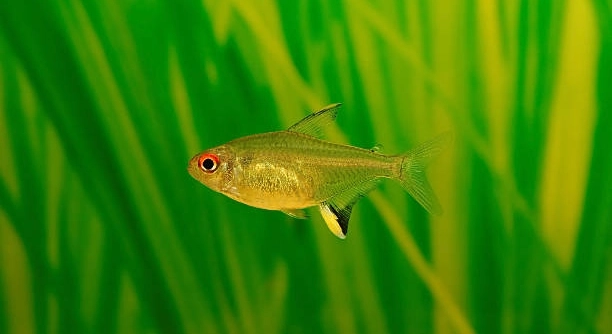
Lemon tetras are small, vibrant fish that add color and life to any freshwater aquarium. Their peaceful nature makes them a popular choice for beginners seeking a lively and low-maintenance addition to their tank.
Proper care for lemon tetras requires attention to water quality, tank setup, and diet. Ensuring stable temperature, regular water changes, and a balanced feeding schedule helps maintain their health, encourages natural behavior, and supports their bright coloration effectively.
Following these tips will help you create a thriving environment for your lemon tetras and enjoy watching their lively interactions.
Choosing the Right Tank
A 20-gallon tank is ideal for a small school of lemon tetras, allowing them enough space to swim freely. They thrive in groups of at least six, as their schooling behavior reduces stress and promotes natural activity. A well-planted tank with hiding spots provides comfort and security. Plants such as Java fern, Anubias, and Amazon sword work well, offering shaded areas and helping maintain water quality. Include smooth rocks or driftwood to mimic their natural environment. Filtration is essential to maintain clean water, and a gentle current suits their swimming style. Keep the tank away from direct sunlight to prevent temperature fluctuations and algae growth. Regular monitoring of water parameters, including pH between 6.5 and 7.5 and temperature around 72–78°F, ensures their health. Consistency is more important than perfection; small daily adjustments and observing their behavior will prevent stress-related problems.
Maintaining proper water conditions is the key to keeping lemon tetras active and colorful in your aquarium.
Setting up the right tank requires careful placement of plants, decorations, and a stable filtration system. Observation of swimming patterns and coloration helps identify early signs of stress or illness. Avoid overcrowding, as it leads to aggression and reduced oxygen levels. Frequent partial water changes support a healthy environment.
Feeding and Nutrition
Lemon tetras eat a varied diet of high-quality flake food, micro pellets, and occasional live or frozen foods such as brine shrimp or daphnia. This variety ensures proper growth and vivid coloration. Overfeeding can pollute the tank and harm their health, so feed small amounts twice daily. Observe how quickly they consume food to prevent leftovers from decaying. Supplementing with occasional plant-based options, like spirulina flakes, supports digestion. Young fish may require finer foods, while adults benefit from slightly larger flakes. Feeding at consistent times encourages a stable routine and reduces stress. Proper nutrition strengthens their immune system, making them less prone to disease.
A balanced diet directly impacts their health, coloration, and overall energy levels in the aquarium.
Regular feeding requires careful measurement and variety. Too much food can foul water, while too little limits growth. Live or frozen foods boost color and activity. Observation ensures they are eating properly and helps adjust portions. Consistency in timing keeps them calm and confident, creating a harmonious tank environment.
Maintaining Water Quality
Consistent water changes help keep lemon tetras healthy and active. Replace a small portion of the tank water each week to remove waste and maintain stable conditions. Clean the filter gently to avoid harming beneficial bacteria that support a balanced environment.
Maintaining clean water reduces stress and prevents common health issues. Using a reliable liquid test kit allows you to monitor pH, ammonia, nitrite, and nitrate levels with accuracy. Avoid sudden shifts in temperature or chemistry, as these changes can weaken their immune system. Keeping the tank lightly stocked and removing uneaten food also supports long-term stability. A steady routine leads to better coloration and more natural swimming behavior.
Observing how your lemon tetras swim or interact with their surroundings helps you detect early signs of trouble. If they appear dull, sluggish, or hide more than usual, it may indicate water issues. Addressing these signs quickly by checking parameters and performing partial changes helps restore balance. Consistent care keeps their environment predictable and comfortable.
Setting Up Proper Lighting
Balanced lighting helps maintain plant growth and supports the natural rhythm of lemon tetras. A moderate light level prevents algae buildup and keeps fish comfortable. Using a timer ensures a stable day and night cycle, which reduces stress and keeps their activity patterns consistent.
Choosing a soft, even light keeps the tank gentle on their eyes while still supporting live plants. Aim for eight to ten hours of light daily to maintain a healthy balance. Too much light encourages rapid algae growth, while too little affects plant health. Adjusting the intensity based on plant type helps everything stay stable. Consistency is key, so avoid frequent changes in duration or brightness. A predictable lighting schedule supports calmer behavior and keeps the tank looking clean and vibrant.
Monitoring Behavior
Watching lemon tetras daily helps you understand their normal activity patterns. Active swimming, steady schooling, and bright coloration usually indicate good health. Any sudden changes can signal stress or illness, prompting you to check water conditions and make small adjustments as needed.
Noticing shifts in appetite or social interaction helps you react early. If they hide more, separate from the group, or show faded colors, it may point to issues in the tank. Quick responses keep them comfortable and reduce the chance of long-term problems developing.
Preventing Common Health Issues
Keeping the environment stable is the most effective way to prevent illness in lemon tetras. Clean water, balanced nutrition, and a calm setting help strengthen their immune system. Avoid overcrowding, as it increases stress and raises the risk of disease spreading through the tank. Quarantining new fish prevents the introduction of unwanted pathogens. Observing their movements and appearance helps you detect early signs of trouble. Treating issues quickly and maintaining a steady routine helps them stay active and healthy.
Creating a Comfortable Environment
A peaceful setting supports steady behavior and reduces unnecessary stress. Adding plants, gentle lighting, and hiding spots creates a space where lemon tetras feel secure and free to swim without disturbance.
FAQ
How many lemon tetras should be kept together?
Lemon tetras thrive when kept in groups of at least six, though larger groups create a more active and natural atmosphere. Their schooling behavior helps reduce stress and encourages steady movement around the tank. Keeping them in a proper group also helps prevent aggressive interactions, as they rely on one another for security. When they feel safe, their colors appear brighter and their activity becomes more consistent. A well sized group contributes to a balanced tank dynamic, making the aquarium feel more lively and harmonious.
What tank size is best for lemon tetras?
A 20 gallon tank is a comfortable starting point for a small school. This size offers enough swimming space and allows for proper plant placement and filtration. While they are small fish, they still need open areas for movement and shaded spots for rest. Larger tanks can reduce stress even further, especially when you plan to add other peaceful species. Proper space supports their natural behavior and keeps them active throughout the day.
What water parameters do lemon tetras prefer?
They prefer slightly acidic to neutral water with a pH between 6.5 and 7.5. A temperature range of 72 to 78 degrees Fahrenheit suits them well, keeping their metabolism and coloration steady. Regular testing helps maintain consistency. Sudden changes may affect their immune system, so adjusting conditions slowly is important. Stable parameters support long term health and give them a predictable environment where they can thrive without difficulty.
How often should I feed lemon tetras?
Feeding them small portions twice a day works well. Offering tiny amounts ensures they finish their food quickly without leaving leftovers. A mix of flake foods, micro pellets, and small live or frozen options keeps them nourished. Watching how fast they eat helps you adjust portions when needed. A consistent feeding routine supports calm behavior and prevents digestive issues linked to overeating.
Can lemon tetras live with other fish?
They get along with many peaceful species, especially those with similar size and temperament. Good companions include small tetras, rasboras, corydoras, and non aggressive bottom dwellers. Avoid pairing them with fin nippers or overly active fish that may overwhelm their calm nature. Properly matched tank mates help maintain a relaxed environment and prevent unwanted stress. A balanced community lets every species behave naturally without competition.
Do lemon tetras need plants in their tank?
Plants create a secure and soothing space for them. Species like Anubias, Java fern, and Amazon sword provide shade and hiding spots. Healthy plants also improve water quality by absorbing nutrients. While plants are not strictly required, they make the tank more stable and comfortable. Their presence encourages natural movement and reduces anxiety, especially in larger groups.
How can I tell if my lemon tetras are stressed?
Stress appears through dull colors, hiding, rapid breathing, or unusual separation from the group. When these signs show up, checking the water conditions is the first step. Stable parameters usually resolve mild stress quickly. Persistent stress may point to overcrowding, poor nutrition, or aggressive tank mates. Identifying the cause early helps restore balance and keeps them active.
What should I do if a lemon tetra becomes ill?
Separating the affected fish in a quarantine tank helps prevent spreading illness. Observation is key, as certain symptoms may require specific treatments. Ensuring clean water and reducing stress can support recovery. Introducing new fish without quarantine may increase risks, so keeping a separate tank helps maintain a healthier environment. Providing calm conditions and consistent care supports healing.
Final Thoughts
Caring for lemon tetras becomes more fulfilling when the environment you create supports their natural behavior and steady activity. These small fish respond well to consistency, and each part of their care plays an important role in how they behave and develop over time. From the size of the tank to the placement of plants and decorations, every detail influences their comfort and stability. Maintaining clean water helps prevent illness and gives them the peaceful conditions they need. Stable parameters, gentle lighting, and calm surroundings make their colors brighter and their movements smoother. Being attentive to their daily habits helps you notice small shifts that may signal stress or discomfort. Even simple actions, like removing leftover food or adjusting the filter flow, contribute to a healthier and more secure space for them. Taking time each day to observe how they swim, interact, and respond to changes helps you stay connected to their needs in a simple and steady way.
When feeding them, offering a balanced variety supports their growth and energy without overwhelming their system. Lemon tetras appreciate routines, so feeding them at the same times each day keeps them comfortable and reduces uneasiness around food. Avoiding overfeeding protects the water from becoming polluted, which in turn protects their health. A clean tank with a consistent feeding schedule gives them the conditions they need to stay active and calm. Watching how they eat also helps you understand their individual behaviors, because some might be more eager than others. Adjusting portions based on their appetite keeps things balanced. Their schooling behavior also reveals a lot about their well-being, as healthy lemon tetras tend to stay together and move with a steady rhythm. If they separate or slow down, it can be a sign that something in the environment needs attention. Simple changes, made gradually, help them return to their usual lively behavior without unnecessary stress.
Providing them with a supportive environment is not complicated, but it does require patience and consistency. Lemon tetras thrive when their surroundings remain predictable and calm, and your steady care encourages them to show their most vibrant colors. Adding gentle lighting, healthy plants, and a safe layout gives them a sense of comfort and reduces the chance of conflict or uneasiness. When new fish are added, introducing them carefully helps protect the group from sudden disruptions. Observation remains one of the most valuable tools, because noticing small changes helps you correct issues early. Over time, you will see how your efforts create a space where your lemon tetras can swim confidently and display their natural beauty. Each part of their care works together to form a peaceful and balanced environment that supports their long-term health.

Hello,
If you enjoy the content that we create, please consider saying a "Thank You!" by leaving a tip.
Every little bit helps us continue crafting quality advice that supports the health, happiness, and well-being of pets around the world, for pets of all shapes, sizes, and species.
We really appreciate the kindness and support that you show us!