
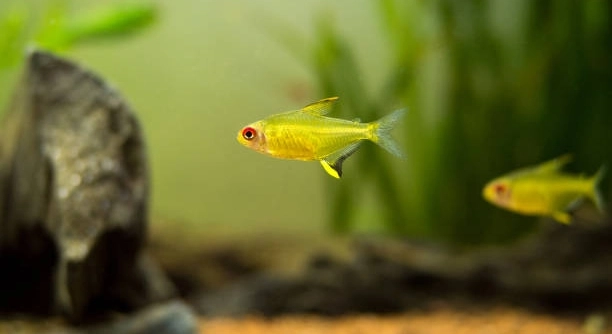
Lemon tetras are small, peaceful fish that add a bright splash of color to any aquarium. Many hobbyists enjoy their lively movements and vibrant appearance, making them a popular choice for community tanks with compatible species.
Lemon tetras can coexist with shrimp under certain conditions. Ensuring ample hiding spots, dense plants, and stable water parameters reduces stress and aggression, allowing shrimp to thrive alongside these small, generally non-aggressive fish in a carefully managed environment.
Maintaining a balanced tank environment will help both species flourish. Proper planning and observation are key to keeping harmony in your aquarium.
Lemon Tetra Behavior and Temperament
Lemon tetras are naturally peaceful and social fish, preferring to swim in small schools. Their calm demeanor makes them less likely to harass tank mates, including shrimp. They are active during the day, exploring plants and decorations, but they rarely chase or nip at other species. Observing their interactions can be reassuring, as they often focus on each other rather than on other inhabitants. Still, individual personalities can vary. Some lemon tetras may show brief curiosity toward shrimp, especially newly introduced or very small shrimp. Dense vegetation and hiding spaces help reduce this curiosity, giving shrimp a safe place to move freely. Providing consistent feeding schedules also minimizes attention toward shrimp since tetras are more interested in prepared foods or live foods offered in the tank. A well-planned aquarium layout can create harmony, allowing both species to coexist comfortably, with minimal stress or confrontation. Their gentle nature is a major reason they are widely chosen for community aquariums.
Maintaining a peaceful school of lemon tetras reduces stress for all tank residents. Their calm behavior supports a stable aquarium environment.
Careful observation of the school’s behavior helps anticipate potential issues. Minor adjustments, such as adding plants or rearranging decorations, can make a big difference in coexistence.
Shrimp Safety and Tank Setup
Shrimp require ample hiding places to feel secure. Dense plants, driftwood, and small caves create necessary shelter.
Shrimp safety in a tank with lemon tetras relies heavily on tank structure and environmental design. Providing moss, tall plants, and crevices allows shrimp to molt and feed without stress. Open swimming areas should be limited for small, vulnerable shrimp, especially recently hatched juveniles. Water parameters should be stable, with temperature and pH maintained within a comfortable range for both species. Frequent monitoring ensures tetras remain calm and shrimp have adequate space. Feeding should be consistent, offering both fish and shrimp appropriate nutrition, reducing the risk of competition. Observing interactions regularly allows early detection of any aggression, ensuring interventions can be made before problems escalate. By prioritizing tank complexity, diet, and monitoring, lemon tetras and shrimp can share the aquarium successfully, creating a vibrant, dynamic environment where both species thrive. Proper setup not only safeguards shrimp but also enhances the natural behavior of lemon tetras.
Feeding Considerations
Lemon tetras and shrimp have different feeding habits. Tetras prefer flake or micro-pellet food, while shrimp need algae, biofilm, and occasional protein supplements. Proper feeding prevents competition and reduces stress in the tank.
Overfeeding can lead to water quality issues, affecting both tetras and shrimp. Feeding small portions multiple times a day ensures both species receive proper nutrition without leftover food decaying in the tank. Observing feeding behavior helps identify any shy or slow-eating shrimp, allowing adjustments to placement of food or timing. Using sinking pellets or placing food near hiding spots ensures shrimp have access. Balancing dietary needs maintains health and encourages natural behavior in both species.
Live or frozen foods, such as daphnia or brine shrimp, can benefit both lemon tetras and shrimp. Rotating food types provides nutrients, encourages activity, and supports growth. Careful observation during feeding helps maintain harmony in the tank.
Monitoring Tank Harmony
Regular observation is essential to ensure lemon tetras and shrimp coexist safely. Watching for signs of stress or aggression allows timely adjustments in tank setup.
Behavioral patterns indicate the level of comfort for both species. Lemon tetras that consistently chase or corner shrimp may require additional hiding places or reorganization of decorations. Shrimp that remain hidden for long periods might be stressed or underfed, signaling a need for environmental improvements. Monitoring water parameters is equally important, as both species are sensitive to changes in temperature, pH, and ammonia levels. Regular checks allow early intervention, preventing issues from escalating. Recording behavior patterns over time helps anticipate potential conflicts. A proactive approach keeps the aquarium balanced and healthy for both tetras and shrimp.
Tank Size and Space
A larger tank reduces stress for both lemon tetras and shrimp. Adequate swimming space allows tetras to school naturally without disturbing shrimp.
Crowded conditions increase aggression and competition. Providing at least 20 gallons for a community setup helps maintain harmony and gives shrimp enough room to hide and explore safely.
Water Parameters
Stable water conditions are crucial. Both lemon tetras and shrimp thrive in slightly acidic to neutral pH, moderate temperatures, and clean, well-filtered water. Regular water testing ensures a safe environment for all inhabitants.
Tank Decorations
Adding plants, rocks, and driftwood gives shrimp safe spaces to hide. These structures also help tetras feel secure and reduce stress-related behaviors.
FAQ
Can lemon tetras eat shrimp?
Lemon tetras are generally small and peaceful, so they rarely hunt adult shrimp. However, tiny or newly hatched shrimp may be seen as food. Providing dense plants and hiding spots reduces this risk and ensures that shrimp can grow safely without constant stress.
Are shrimp safe with a small school of lemon tetras?
Yes, shrimp can coexist with lemon tetras if the tank is properly set up. A group of at least six tetras keeps their attention on schooling behavior, reducing the likelihood of them bothering shrimp. Hiding places and careful feeding help both species thrive.
What type of shrimp works best with lemon tetras?
Small, hardy shrimp like cherry shrimp, Amano shrimp, or ghost shrimp are suitable. They are resilient, adaptable, and able to find refuge among plants and decorations. Larger or more delicate shrimp may struggle with stress or predation if hiding spots are insufficient.
How many lemon tetras should I keep with shrimp?
A school of six to ten lemon tetras is recommended for a community tank. Fewer tetras may become stressed and more likely to notice and chase shrimp, while a larger group provides natural schooling behavior that keeps their focus away from other inhabitants.
Do lemon tetras and shrimp compete for food?
Competition is minimal if feeding is managed properly. Tetras prefer flakes or micro-pellets, while shrimp graze on biofilm, algae, and sinking foods. Offering multiple feeding zones ensures both species have access to sufficient nutrition without stress or missed meals.
Will shrimp hide all the time if lemon tetras are present?
Not necessarily. With proper tank design, including plants, moss, and small caves, shrimp can safely explore the tank. Hiding spots reduce stress during molting periods and provide security, allowing shrimp to display natural behavior without constant fear of tetras.
What tank conditions keep both species healthy?
Stable water parameters are crucial. Temperatures between 72–78°F, pH 6.5–7.5, and low ammonia and nitrite levels suit both tetras and shrimp. Regular water changes, good filtration, and monitoring prevent stress and support long-term health for all inhabitants.
How can I tell if lemon tetras are stressing shrimp?
Shrimp hiding excessively, failing to feed, or showing slow movement are signs of stress. Observing interactions helps identify aggressive behavior, allowing you to adjust tank layout, add decorations, or redistribute feeding locations to improve conditions.
Are live plants necessary for shrimp and lemon tetras?
While not strictly required, live plants significantly improve tank safety and water quality. Plants provide shelter, grazing surfaces for shrimp, and natural boundaries that reduce stress and create a more balanced environment for both species.
How do I introduce shrimp to a tank with lemon tetras?
Introduce shrimp slowly, preferably after the tetras are established. Add decorations and hiding places first, then gently acclimate shrimp to the water conditions. Observing their initial interactions ensures they settle safely without causing stress or triggering aggressive behavior.
Can lemon tetras harm adult shrimp?
Adult shrimp are generally safe, as tetras rarely show predatory behavior toward fully grown shrimp. Most aggression is directed at juveniles, so ensuring adults are healthy and large enough reduces risk and maintains harmony in the community tank.
What are the signs of a healthy tank for both species?
Active tetras schooling, shrimp exploring freely, clear water, and consistent feeding behavior indicate a healthy environment. Molting cycles for shrimp proceed normally, and tetras show no signs of chasing or aggression, suggesting the tank is balanced and secure.
Do tetras and shrimp need separate feeding schedules?
Not necessarily, but spreading feeding throughout the day helps both species. Tetras respond well to flakes or pellets, while shrimp benefit from sinking foods or algae supplements placed near hiding spots, ensuring both receive proper nutrition.
Can juvenile shrimp survive with lemon tetras?
Juvenile shrimp are more vulnerable, so survival depends on hiding spaces, plants, and careful feeding. Providing safe zones and dense vegetation increases the chances of juveniles reaching adulthood without predation or stress.
Is tank size important for coexistence?
Yes, a larger tank reduces territorial disputes and stress. A minimum of 20 gallons is recommended for a small community of tetras and shrimp, providing ample swimming space, hiding spots, and feeding areas for all inhabitants.
How do I maintain water quality with both species?
Regular water changes, careful feeding, and good filtration are essential. Shrimp are sensitive to ammonia and nitrites, while tetras thrive in stable, clean water. Testing regularly and addressing imbalances quickly prevents stress and illness.
Can lemon tetras and shrimp share the same habitat long-term?
Yes, with proper planning, tank setup, and monitoring, they can coexist long-term. Adequate hiding spaces, stable water parameters, and careful feeding create a sustainable environment for both species, supporting healthy growth and natural behavior over time.
How can I reduce stress for shrimp in a community tank?
Adding dense plants, moss, and caves allows shrimp to hide and molt safely. Maintaining water stability, feeding multiple times a day, and keeping tetras in a healthy school minimizes stress and encourages normal behavior.
Do lemon tetras recognize shrimp as food over time?
Adult tetras rarely see shrimp as food, especially if they are well-fed and have plenty of distractions in the tank. Juvenile shrimp remain at risk, so precautions like hiding spaces and careful monitoring are necessary.
Can I mix different shrimp species with lemon tetras?
Yes, but monitor interactions carefully. Some species are more delicate and may require extra hiding spaces or gentle feeding strategies to avoid stress. Mixing hardy species like cherry or Amano shrimp works best for peaceful coexistence.
Lemon tetras and shrimp can coexist successfully in a community tank if their needs are carefully considered. Both species are generally peaceful, but shrimp are naturally more vulnerable due to their small size and molting process. Providing a tank with sufficient space, plants, and hiding spots ensures that shrimp have areas to retreat while tetras are free to swim and school naturally. Observing interactions regularly allows for small adjustments, such as moving decorations or adding additional shelters, which can significantly improve harmony in the aquarium. Over time, both species can settle into a stable routine, with tetras focusing on schooling behavior and shrimp exploring safely without excessive fear.
Feeding strategies play an important role in maintaining peace between these species. Lemon tetras thrive on flakes, micro-pellets, or occasional live foods, while shrimp rely on biofilm, algae, and sinking foods. Offering multiple feeding locations reduces competition and ensures that shrimp can access food even if tetras are more active at feeding times. Small, frequent feedings are preferable to large single meals, as they minimize leftover food that could affect water quality. Keeping water parameters stable and consistent is equally important. Both lemon tetras and shrimp are sensitive to sudden changes in temperature, pH, or ammonia levels. Monitoring the tank and performing regular water changes ensures the environment remains healthy for all inhabitants.
Tank setup and long-term planning are key factors in a successful community tank. A minimum tank size of 20 gallons is recommended to provide enough swimming space for tetras and adequate hiding areas for shrimp. Adding live plants, moss, rocks, and driftwood not only creates a more natural environment but also provides necessary shelter for shrimp during molting. Dense vegetation and structured layouts reduce stress for both species and encourage natural behavior. By observing the tank closely, feeding appropriately, and maintaining clean, stable water, lemon tetras and shrimp can coexist peacefully for years. Proper planning, attention to detail, and regular monitoring create an environment where both species thrive, making the aquarium a dynamic and balanced habitat.

Hello,
If you enjoy the content that we create, please consider saying a "Thank You!" by leaving a tip.
Every little bit helps us continue crafting quality advice that supports the health, happiness, and well-being of pets around the world, for pets of all shapes, sizes, and species.
We really appreciate the kindness and support that you show us!