
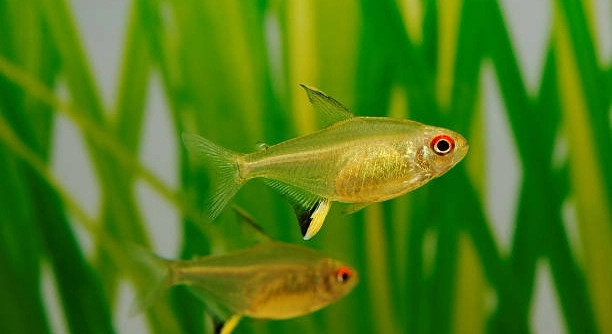
Do you ever find yourself admiring the bright colors of your aquarium while wondering how to expand your collection naturally? Breeding Lemon Tetras can be a rewarding experience, offering both challenge and satisfaction for dedicated fish keepers.
Successful breeding of Lemon Tetras requires careful attention to water conditions, diet, and tank setup. Maintaining stable temperature, pH levels, and providing appropriate spawning areas ensures higher survival rates and healthier fry, supporting long-term sustainability in captivity.
Understanding these essential steps will make the breeding process more manageable and enjoyable. Proper preparation and knowledge are key to raising vibrant, thriving Lemon Tetras.
Preparing the Breeding Tank
Setting up a proper breeding tank is the first step to successfully raising Lemon Tetras. The tank should be small, around 10 to 15 gallons, to make water management easier and reduce stress. Use a sponge filter to maintain gentle filtration without disturbing eggs or fry. The water should be soft and slightly acidic, with a pH between 5.5 and 6.5, and a temperature around 78 degrees Fahrenheit. Adding live plants and fine-leaved species like Java moss provides hiding spaces and encourages spawning behavior. Dark substrate or spawning mops can help protect the eggs. Lighting should be moderate, as excessive brightness may stress the fish. Regular water changes are essential to keep ammonia and nitrate levels low. Avoid placing aggressive or large fish nearby, as they may harm the eggs or fry. Preparing the tank carefully increases the chances of a successful breeding event.
Proper preparation ensures that the eggs and fry have a safe and stable environment, supporting healthy growth.
A well-prepared tank gives Lemon Tetras confidence to spawn naturally. The combination of soft, slightly acidic water, appropriate temperature, and protective plants encourages mating. Gentle filtration avoids disturbing eggs, and regular water maintenance keeps the environment clean. Spawning mops or moss provide safe areas for eggs, increasing hatch rates. Maintaining these conditions consistently is crucial.
Selecting Healthy Breeding Pairs
Choosing robust and active Lemon Tetras is critical for successful breeding. Fish should be free from disease, display vivid coloration, and have fully developed fins. Males tend to be more brightly colored with a slightly slimmer body, while females are plumper, indicating readiness to spawn. Selecting pairs that are compatible reduces aggression and increases the likelihood of successful mating. Observing behavior over several days helps ensure compatibility. Isolate the pair in the prepared breeding tank to avoid interference from other tank mates. Providing a nutritious diet rich in live or frozen foods enhances fertility and conditions the fish for spawning. Avoid stressing the pair during handling, as stress can delay or prevent egg-laying. Patience is essential when selecting the right pair, as forcing incompatible fish can result in poor outcomes.
Healthy, compatible pairs are the foundation for high survival rates and strong fry.
Once a pair is selected, condition them with high-quality protein sources such as daphnia, brine shrimp, or bloodworms. Feed small amounts several times daily over a week to prepare them for spawning. Observe interactions closely, as courtship involves chasing and subtle fin displays. Provide fine-leaved plants or spawning mops where the female can deposit eggs safely. Monitor water parameters closely to maintain consistent pH and temperature. After eggs are laid, remove the adult fish to prevent egg predation. Eggs typically hatch within 24 to 36 hours, and the fry become free-swimming after 3 to 4 days. At this stage, feeding should begin with infusoria or commercially available fry food. Gradually, you can introduce larger foods as the fry grow. Consistency in water quality, feeding, and care ensures the fry develop healthily and thrive in the tank environment.
Monitoring Water Conditions
Maintaining stable water conditions is essential for breeding Lemon Tetras. Regular testing for pH, temperature, ammonia, and nitrate ensures a safe environment. Sudden fluctuations can stress adults and harm developing eggs, so consistent care is critical to support successful spawning.
Keeping the water clean and balanced requires daily observation and small adjustments. Temperature should remain around 78 degrees Fahrenheit, and pH between 5.5 and 6.5. Use gentle filtration to avoid disturbing eggs and fry. Frequent water changes, about 20 percent every two to three days, help maintain ideal conditions. Avoid chemicals or treatments that may harm sensitive fry, as early stages are particularly vulnerable. Soft water promotes egg development, while stable temperature encourages adults to spawn naturally. Observing fish behavior also provides clues about water quality, as stress or lethargy may indicate a need for adjustments.
Monitoring and adjusting water conditions consistently ensures eggs remain viable and fry grow healthily. Attention to small changes prevents setbacks and improves overall breeding success. Avoiding sudden shifts in parameters reduces stress on the breeding pair, supporting natural behaviors. By keeping these factors in check, the tank remains a stable, nurturing environment for the delicate process of spawning and fry development.
Feeding and Conditioning
Providing a high-quality diet is key to successful breeding. Live or frozen foods like daphnia, brine shrimp, and bloodworms improve fertility and strengthen the fish. Frequent, small feedings help maintain energy and condition.
Conditioning Lemon Tetras requires feeding rich protein sources over one to two weeks. Adults need nutrient-dense meals several times daily to stimulate spawning readiness. Variety is important, as live foods encourage natural hunting behaviors and improve overall health. Avoid overfeeding, as uneaten food can degrade water quality. Observing the pair during feeding helps ensure both male and female are receiving enough nutrition. Proper conditioning increases the likelihood of egg production and healthy fry.
Balanced nutrition is critical not only for successful spawning but also for strong, viable fry. A well-fed pair displays more natural courtship behaviors and produces higher-quality eggs. Conditioning should continue until eggs are laid, and care should be taken to maintain water quality throughout. Feeding live foods supports energy levels, stimulates natural behaviors, and contributes to the health of both adults and offspring, ensuring a higher survival rate for the next generation of Lemon Tetras.
Spawning Behavior
Lemon Tetras typically spawn in the early morning. Males chase females gently, displaying brighter colors. Females scatter eggs among fine-leaved plants or spawning mops, and adults should be removed afterward to prevent egg predation.
Successful spawning relies on observing the pair closely. Gentle movements, chasing, and subtle fin displays indicate readiness. Eggs are small and sticky, attaching to plants or substrate. Removing adults after spawning ensures higher survival for the eggs, reducing the risk of them being eaten.
Caring for Eggs
Eggs usually hatch within 24 to 36 hours, depending on water temperature. Keep them in clean, stable water to ensure proper development.
Regular monitoring prevents fungus or decay. If necessary, use a mild antifungal treatment safe for delicate eggs. Ensure no sudden changes in water chemistry occur, as this can reduce hatching success.
Raising Fry
Fry become free-swimming after three to four days. Begin feeding with infusoria or specially formulated fry food to ensure proper growth.
Providing tiny, frequent meals supports healthy development. Maintain excellent water quality, with gentle filtration, to protect the fry during these vulnerable stages.
How long does it take for Lemon Tetra eggs to hatch?
Lemon Tetra eggs typically hatch within 24 to 36 hours, depending on water temperature and conditions. Maintaining stable temperature around 78 degrees Fahrenheit and soft, slightly acidic water helps ensure consistent hatching times. Cooler water may delay development, while warmer water can speed it up slightly but increases the risk of fungal growth.
What should I feed newly hatched fry?
Newly hatched Lemon Tetra fry are extremely small and require tiny foods. Infusoria, liquid fry food, or specially prepared microscopic diets are ideal for the first few days. After they grow larger, you can gradually introduce baby brine shrimp or crushed high-quality flake food. Frequent, small feedings are necessary because fry have tiny stomachs and require constant nutrition to support rapid growth and healthy development.
When can I remove the adults from the breeding tank?
Adults should be removed immediately after spawning to prevent them from eating the eggs. Lemon Tetras do not provide parental care, so leaving them in the tank increases the risk of predation. Carefully transferring adults to another tank ensures eggs remain safe, and the fry have a higher chance of survival.
How do I prevent fungus on the eggs?
Fungal growth is common on Lemon Tetra eggs if water quality is poor or stagnant. Regular water changes and gentle filtration help prevent fungus. Adding a mild antifungal treatment, such as methylene blue, can protect the eggs without harming them. Avoid overcrowding eggs or disturbing them too much, as this can also encourage fungal development.
What water parameters are ideal for breeding Lemon Tetras?
Soft water with a pH of 5.5 to 6.5 and temperature around 78 degrees Fahrenheit is ideal. Ammonia and nitrate levels should remain extremely low. Maintaining these conditions consistently encourages spawning and ensures eggs and fry develop healthily. Small, gradual water changes help maintain stability.
How do I tell the male and female apart?
Male Lemon Tetras are generally more brightly colored and slimmer, while females appear plumper due to egg development. Observing the body shape and fin condition over several days can help identify suitable breeding pairs. Choosing compatible fish increases the likelihood of successful spawning.
How often can Lemon Tetras spawn?
Under optimal conditions, Lemon Tetras can spawn every few weeks. Consistent feeding, proper water parameters, and stable tank conditions encourage regular reproduction. Avoid stressing the fish during this time, as stress can delay spawning or reduce egg quality.
What is the best tank size for breeding?
A 10 to 15-gallon tank works well for breeding pairs. Smaller tanks are easier to manage, provide stable water conditions, and make it simpler to monitor spawning behavior and protect eggs. Adding fine-leaved plants or spawning mops gives the female places to lay eggs safely.
Can I breed Lemon Tetras with other species?
Breeding Lemon Tetras with other species is not recommended. Crossbreeding can result in hybrid offspring that may be less vibrant, weaker, or infertile. For healthy, strong fry, it’s best to breed a single pair or group of Lemon Tetras in isolation.
How long until fry are free-swimming?
Fry become free-swimming approximately three to four days after hatching. At this stage, they should be provided with tiny, frequent feedings of infusoria or specialized fry food. Gentle water movement and clean conditions are essential to keep fry healthy during this early period.
What common mistakes should I avoid?
Common mistakes include leaving adults with eggs, fluctuating water conditions, overfeeding, or providing insufficient hiding spaces for eggs. Each of these can reduce egg viability or fry survival. Consistent care, careful observation, and proper tank setup are essential to avoid these pitfalls.
How quickly do fry grow?
Fry grow rapidly if properly fed and maintained in clean, stable water. Within a few weeks, they develop coloration and shape similar to adults. Gradually, they can be introduced to finely crushed flake food or baby brine shrimp to continue healthy growth and development.
Can I use tap water for breeding?
Tap water can be used if it is properly conditioned to remove chlorine, chloramines, and heavy metals. Softening the water and adjusting pH to the recommended range is essential. Consistent water quality ensures eggs hatch and fry thrive without exposure to harmful chemicals.
How long before fry can join the main tank?
Fry can be introduced to a community tank once they are large enough to avoid predation, usually several weeks after becoming free-swimming. Ensure they are strong and able to compete for food, and gradually acclimate them to new water conditions to reduce stress.
Is lighting important during breeding?
Moderate lighting is sufficient for breeding Lemon Tetras. Excessive brightness can stress adults and reduce spawning behavior, while too little light may hinder observation of eggs. Live plants help diffuse light and provide safe areas for eggs.
Can I breed more than one pair in the same tank?
It is possible but not recommended. Multiple pairs increase competition and aggression, and it becomes harder to protect eggs from predation. Separate breeding tanks for each pair yield better results and higher fry survival rates.
How do I know if eggs are viable?
Healthy eggs are clear or slightly golden and sticky. White or fuzzy eggs are likely infertile or infected with fungus. Removing any affected eggs prevents contamination of viable ones and improves overall hatching success.
What should I do if fry stop eating?
If fry refuse food, check water quality, temperature, and feeding technique. Tiny infusoria or liquid fry food should be available consistently. Sometimes gradual adaptation to new food types or adjusting feeding frequency can resolve the issue. Consistency is key for early fry survival.
How can I tell when fry are ready for larger food?
Once fry grow larger and can swallow tiny particles without difficulty, baby brine shrimp or finely crushed flakes can be introduced. Gradually increase particle size as they develop to ensure proper nutrition and avoid choking. Monitor growth and adjust diet accordingly.
How many fry can I expect per spawning?
The number varies depending on the female’s size, age, and condition. Typically, a healthy female lays between 50 and 100 eggs. Not all eggs will hatch, so careful monitoring and protection are essential to maximize fry survival.
Breeding Lemon Tetras can be a rewarding and educational experience when approached with care and patience. The process requires attention to water conditions, diet, and tank setup, as these factors directly influence the success of spawning and fry survival. Maintaining stable water parameters, including temperature, pH, and softness, is crucial. Gentle filtration and regular water changes create a safe environment for both adults and eggs. Providing fine-leaved plants or spawning mops ensures eggs have a protected space, reducing the risk of predation and increasing hatching success. Even small adjustments, such as maintaining consistent lighting and avoiding sudden water fluctuations, can make a significant difference in the health and behavior of the fish. Paying attention to these details supports a smoother breeding process and stronger fry.
Selecting healthy and compatible breeding pairs is another essential component of successful Lemon Tetra reproduction. Observing fish behavior over several days helps identify males and females that are ready to spawn. Males typically display brighter coloration, while females are plumper due to egg development. Conditioning the pair with high-quality, protein-rich foods strengthens fertility and encourages natural courtship behaviors. Live or frozen foods such as daphnia, brine shrimp, and bloodworms provide the necessary nutrition to improve egg quality and overall health. During spawning, the removal of adults from the breeding tank is important to protect eggs from being eaten. Once eggs hatch, attention must shift to the delicate care of fry, including providing appropriate micro-food and maintaining clean, stable water. Each of these steps builds upon the previous, emphasizing that consistent care and observation are critical for long-term success.
Raising Lemon Tetra fry requires patience and careful management, but the results are rewarding. Fry need constant access to tiny, frequent meals to support rapid growth, and water quality must be closely monitored. Introducing baby brine shrimp or finely crushed flake food at the appropriate stage ensures proper nutrition as they develop. Gradual acclimation to larger foods and careful observation help prevent setbacks and promote healthy growth. Over time, fry begin to show coloration and characteristics of adult Lemon Tetras, marking a significant milestone in the breeding process. By following a systematic approach—from tank preparation and water management to pair selection, conditioning, spawning, and fry care—breeders can enjoy a successful and fulfilling experience. Consistency, attention to detail, and patience are the keys to producing strong, vibrant Lemon Tetras that thrive in their environment.

Hello,
If you enjoy the content that we create, please consider saying a "Thank You!" by leaving a tip.
Every little bit helps us continue crafting quality advice that supports the health, happiness, and well-being of pets around the world, for pets of all shapes, sizes, and species.
We really appreciate the kindness and support that you show us!