
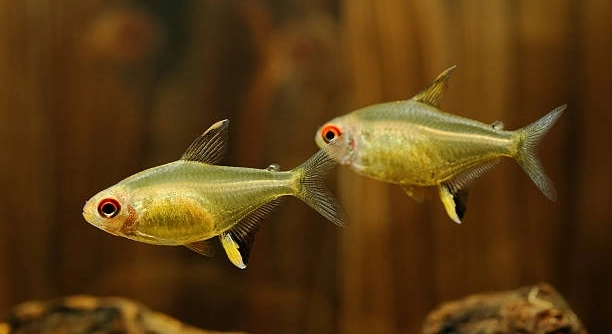
Transporting lemon tetras can be a delicate task that requires attention and care. Even small mistakes during the process can stress the fish or affect their health. Proper preparation is essential for a smooth journey.
Common mistakes when transporting lemon tetras include sudden temperature changes, overcrowding, poor water quality, inadequate oxygen, long transport times, rough handling, and improper acclimation. Avoiding these errors ensures the fish remain healthy and adapt safely to new environments.
Understanding these mistakes helps improve the well-being of your lemon tetras and ensures a safer, less stressful transition to their new home. Proper handling is key to their health and happiness.
Sudden Temperature Changes
Lemon tetras are very sensitive to shifts in water temperature. Moving them from a warm tank to a cold bag or vice versa can shock their system. Even a difference of a few degrees can cause stress, leading to weakened immunity or illness. To prevent this, it is best to match the water temperature in the transport container with the tank. Using a thermometer helps ensure consistency. Avoid placing the container near drafts or direct sunlight during transport, as these can alter the temperature quickly. Gradually adjusting the fish to new conditions reduces the risk of temperature shock. Small measures, like pre-warming or cooling the transport water, can make a significant difference in their comfort and survival. Being mindful of temperature changes is one of the easiest ways to safeguard their health. Paying attention to these details will prevent unnecessary stress for your lemon tetras and help them adapt more smoothly.
Temperature control during transport is essential. Consistent, moderate water temperatures protect lemon tetras from stress and potential health complications.
Properly managing temperature ensures the fish remain active and healthy throughout the move. Even minor fluctuations can impact their metabolism and behavior. Preparing the transport water in advance and monitoring it carefully minimizes risks. It’s important to maintain a calm environment around the container to avoid sudden disturbances. By keeping conditions stable, you help the fish stay comfortable and reduce the chances of shock. Gradual acclimation to the new tank upon arrival is equally important. Slowly introducing the transport water into their new environment allows the fish to adjust without stress. Taking the time to control temperature reflects careful handling and supports long-term health. Observing their behavior during and after transport will help identify any signs of discomfort or illness early, allowing for quick response. Simple steps in temperature management have a lasting impact on their well-being, making each transport safe and less stressful.
Overcrowding
Overcrowding can lead to stress, aggression, and poor water quality. Even short trips with too many fish can be harmful.
Keeping lemon tetras in a properly sized container with enough oxygen and space reduces stress and prevents injuries. Overcrowding increases waste buildup, which can quickly deteriorate water quality. Fish may compete for oxygen, and their swimming may be restricted, affecting health. Observing their movement and ensuring each fish has adequate space promotes calm behavior. It is better to use multiple containers than to overcrowd a single one. Oxygen supplementation, like air stones or pre-oxygenated water, can help if more than a few fish must travel together. Adequate space reduces chances of fins getting damaged or fish being bullied. Planning ahead, knowing the number of fish, and matching container size ensures a safer, more comfortable experience. Taking these precautions makes the transport process less stressful and keeps the lemon tetras active and healthy.
Poor Water Quality
Water quality can deteriorate quickly during transport. Accumulated waste, uneaten food, and limited oxygen make conditions harmful for lemon tetras. Regular monitoring and preparation of clean, treated water is crucial to prevent stress and illness.
Using clean, dechlorinated water in the transport container is essential. Avoid adding untreated tap water, as chemicals can harm sensitive fish. Remove leftover food before transport to reduce ammonia buildup. Checking water parameters like pH, ammonia, and nitrite levels ensures safe conditions. Frequent small water changes in the tank prior to transport help lower waste levels. Using a container large enough for the fish to swim freely while limiting crowding supports better water quality. Adding a small amount of aquarium salt or water conditioner can stabilize the environment and reduce stress. Preparing the water in advance minimizes the risk of sudden changes during transport. By paying attention to water quality, lemon tetras are less likely to experience shock or weakened immunity.
Proper water preparation includes temperature matching, dechlorination, and oxygenation. Ensuring the right balance of chemicals and clean water maintains health. A stable environment reduces stress and helps the fish remain active. Avoid using containers that previously held dirty water or have residues from cleaning agents. Aerating the water briefly before adding fish increases oxygen levels, which is especially important for longer trips. Observing the fish during transport can indicate if water quality needs adjustment, like cloudiness or unusual behavior. Preparing the water carefully reduces health risks and ensures the lemon tetras arrive safely and in good condition, ready to adapt to their new tank.
Inadequate Oxygen
Lemon tetras require sufficient oxygen during transport to stay healthy. Lack of oxygen can cause lethargy, gasping, and even death. Providing enough air is critical for short and long trips.
For short trips, filling the container no more than half full allows sufficient air space and reduces oxygen depletion. For longer transport, using pre-oxygenated water or portable air pumps helps maintain levels. Avoid tightly sealing containers without oxygen exchange, as this can quickly deplete air and stress the fish. Monitoring fish behavior for signs of oxygen deficiency, such as rapid gill movement or resting at the surface, allows immediate corrective action. Proper oxygen management ensures lemon tetras remain active, reducing stress and preventing health complications.
Maintaining oxygen levels involves planning and proper container setup. Using air stones, oxygen tablets, or pre-aerated water can help during longer trips. Avoid overstocking the container, as more fish consume oxygen faster. Gentle handling prevents sudden stress that increases oxygen demand. A calm environment around the transport container ensures oxygen is not disrupted by external disturbances. Observing the fish frequently during transport provides early detection of low oxygen levels. Small measures, like reducing travel time and limiting overcrowding, complement oxygen supplementation. These steps collectively help lemon tetras stay healthy, active, and comfortable throughout the move, ensuring a safe transition to their new habitat.
Long Transport Times
Extended transport can stress lemon tetras, weakening their immune system. The longer they remain in a confined container, the higher the risk of illness or injury. Proper planning and minimizing travel time is essential for their health.
Frequent stops or delays increase the chance of oxygen depletion and water quality deterioration. Preparing containers with clean, treated water and ensuring proper aeration helps reduce stress. Shorter trips are always better, but if longer travel is unavoidable, multiple small trips or breaks in a controlled environment can help the fish stay safer.
Rough Handling
Handling lemon tetras roughly can cause injuries, torn fins, and stress. Gentle movements during transfer and careful placement into containers are essential to prevent damage. Avoid shaking or dropping containers, and never squeeze nets or bags.
Improper Acclimation
Sudden changes in water chemistry when introducing lemon tetras to a new tank can shock them. Gradually mixing tank water with transport water helps fish adjust safely. Floating the sealed bag in the tank before release stabilizes temperature and reduces stress.
Overfeeding Before Transport
Feeding lemon tetras immediately before transport can increase waste buildup and ammonia levels. Keeping their stomachs light prevents water contamination and reduces stress during travel.
FAQ
How long can lemon tetras be transported safely?
Lemon tetras can usually be transported for a few hours without major issues if conditions are controlled. Short trips are safer, but longer trips require careful preparation, including clean water, stable temperature, adequate oxygen, and minimal crowding. Breaks in a calm environment can reduce stress during extended transport.
What is the best way to prepare transport water?
Use clean, dechlorinated water and match the temperature to their tank. Remove leftover food from the tank beforehand to reduce ammonia buildup. Aerating the water briefly helps maintain oxygen levels. For longer trips, adding a water conditioner or a small amount of aquarium salt can stabilize water and reduce stress.
How many lemon tetras should be placed in one container?
Avoid overcrowding. Containers should allow enough space for each fish to swim freely while leaving air space for oxygen exchange. Overcrowding increases waste and stress. If transporting more fish, use multiple containers or compartments, ensuring proper aeration and room for movement.
Should I feed my lemon tetras before transport?
It is best to avoid feeding them immediately before transport. A light stomach reduces waste buildup, lowering ammonia levels and keeping water quality safe. Feeding should resume after they acclimate to their new tank. Overfeeding before transport increases stress and can lead to illness.
How can I prevent sudden temperature changes?
Match the transport water temperature to the tank water. Use a thermometer to check. Avoid placing the container near drafts or direct sunlight. For longer trips, gradually adjust the temperature if needed, but keep changes slow and minimal. Proper insulation helps maintain consistent temperatures.
How do I acclimate lemon tetras to a new tank?
Float the sealed transport bag in the tank for 15–20 minutes to match the temperature. Gradually mix small amounts of tank water into the bag over 30–60 minutes. This allows the fish to adjust to water chemistry slowly. Avoid dumping them directly into the new tank to prevent shock.
What signs indicate stress during transport?
Watch for rapid gill movement, gasping at the surface, lethargy, or clamped fins. These behaviors suggest oxygen depletion, water quality issues, or temperature stress. Immediate corrective action, such as aerating the water or adjusting conditions, can prevent long-term harm.
Can lemon tetras survive overnight transport?
Overnight transport is possible with proper planning. Use well-aerated, temperature-stable water and ensure the container is secure. Limit the number of fish per container to reduce stress. Avoid feeding during this time and monitor conditions closely to prevent oxygen depletion or toxic buildup.
Is it necessary to use a net for every transfer?
Nets should be used carefully. Rough handling can damage fins or scales. For small transfers, gently guiding fish with the container or using a soft mesh net is safer. Always handle slowly and avoid squeezing or dropping fish to reduce stress.
How can I reduce stress during transport?
Minimize movement and noise around the container. Maintain water quality and temperature, avoid overcrowding, and provide adequate oxygen. Keep trips short when possible. Gentle handling, slow acclimation, and calm surroundings help lemon tetras stay healthy and active during and after transport.
Are there special tools recommended for longer trips?
For longer trips, portable air pumps, oxygen tablets, or insulated containers help maintain stable conditions. Thermometers and water conditioners ensure safe water quality. Planning ahead and preparing multiple containers can prevent overcrowding and reduce stress during extended travel.
How soon can lemon tetras be fed after transport?
Wait at least a few hours after acclimation before feeding. This gives the fish time to adjust and reduces stress. Offer small amounts initially, observing behavior and appetite. Gradually return to normal feeding once they appear active and comfortable in the new tank.
What should I do if a fish shows signs of illness after transport?
Quarantine affected fish in a separate container. Check water quality, temperature, and oxygen levels. Consider consulting a veterinarian or aquatic specialist for guidance on treatment. Early action prevents spread of disease and helps the fish recover more quickly.
Can I transport lemon tetras with other species?
It is possible but requires careful consideration. Avoid aggressive or larger fish that may harm lemon tetras. Ensure water conditions meet all species’ needs. Proper space and oxygenation are critical to prevent stress and injury during shared transport.
Is using a plastic bag or container better for transport?
Both can work if prepared correctly. Plastic bags are lightweight and flexible, but require careful handling to prevent leaks. Containers provide stability and can hold air or oxygen better. Ensure either method is secure, insulated, and has enough water and air space for safe transport.
How do I handle emergency situations during transport?
If water becomes cloudy, oxygen runs low, or temperature shifts, act quickly. Add aeration, adjust temperature slowly, or transfer fish to a clean container if needed. Observing fish closely and having backup supplies on hand prevents accidents and reduces stress.
Are lemon tetras sensitive to light during transport?
Bright or direct light can stress lemon tetras. Covering the container with a cloth or paper reduces exposure and creates a calmer environment. Dim surroundings help maintain normal behavior and minimize stress during travel.
What is the maximum number of hours recommended for safe transport?
Short trips of 2–4 hours are safest. Trips exceeding this require additional planning, such as aeration, temperature control, and monitoring. Longer travel increases risks of stress, poor water quality, and oxygen depletion, making preparation essential.
Can I use tap water directly for transport?
Tap water must be treated to remove chlorine or chloramine. Untreated tap water can harm lemon tetras. Use a water conditioner or pre-treated water, and ensure temperature and pH match the tank to reduce stress and prevent illness during transport.
How important is minimizing noise and vibration?
Very important. Sudden noises or vibrations stress fish and increase oxygen consumption. Keep the transport container stable, avoid shaking or dropping, and reduce external disturbances. A calm environment supports health and keeps lemon tetras active and comfortable during transport.
What steps ensure the safest overall transport?
Prepare clean, treated water, maintain temperature and oxygen, avoid overcrowding, handle gently, and acclimate slowly. Monitor fish behavior, keep trips short when possible, and provide calm surroundings. Proper planning and care minimize stress, injuries, and health risks, ensuring lemon tetras arrive safely.
How can I tell if transport was successful?
Fish remain active, swim normally, and show bright coloration. They respond to stimuli and feed without hesitation. Absence of gasping, clamped fins, or lethargy indicates a successful transport. Continued observation in the first hours helps confirm they are adjusting well.
Transporting lemon tetras requires careful attention to detail to ensure their health and well-being. Even small mistakes can lead to stress, illness, or injury. Proper preparation of the transport container, water, and environment is essential. Ensuring the right water temperature, oxygen levels, and space helps the fish remain comfortable. Using clean, treated water prevents toxic buildup and supports overall health. Overcrowding should be avoided, as it increases waste and stress, while rough handling can easily injure delicate fins. Monitoring the fish during transport allows for quick adjustments if any problems arise, reducing the risk of complications.
Acclimating lemon tetras to their new tank is just as important as the transport itself. Sudden changes in water temperature or chemistry can shock the fish, causing stress or illness. Floating the sealed container in the new tank before release helps match the temperature, while gradually mixing tank water into the container allows the fish to adjust to water chemistry. Avoid feeding immediately after transport, as a light stomach helps reduce ammonia buildup and allows the fish to adapt more comfortably. Maintaining calm surroundings and gentle handling during this process is crucial to prevent stress and ensure a smooth transition. Paying attention to these small but important steps has a significant impact on the health and behavior of lemon tetras.
Proper transport and acclimation practices support the long-term health of lemon tetras and contribute to their active, bright appearance. By planning ahead, controlling water conditions, and monitoring behavior closely, many common mistakes can be avoided. Even small adjustments, like providing enough oxygen, avoiding overcrowding, and handling fish gently, make a noticeable difference. Transport does not have to be stressful if these considerations are followed carefully. Observing the fish after they settle in helps ensure they are adjusting well and remaining healthy. With careful planning, patience, and consistent care, lemon tetras can be transported safely and thrive in their new environment, allowing them to remain active, colorful, and healthy for years to come.

Hello,
If you enjoy the content that we create, please consider saying a "Thank You!" by leaving a tip.
Every little bit helps us continue crafting quality advice that supports the health, happiness, and well-being of pets around the world, for pets of all shapes, sizes, and species.
We really appreciate the kindness and support that you show us!