
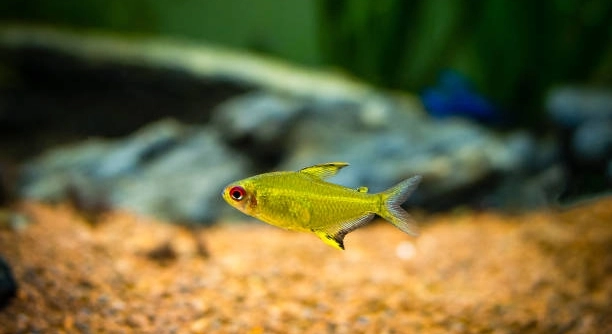
Is your lemon tetra constantly hiding in the corners of the tank, avoiding light and interaction? Observing this behavior can be worrying for any aquarist, especially when you are committed to keeping your fish happy and healthy.
A lemon tetra’s tendency to hide frequently is usually linked to stress, poor water conditions, or inadequate tank environment. Factors such as sudden changes, aggressive tank mates, or insufficient hiding spots can significantly affect its comfort and behavior.
Understanding why your fish is retreating will help improve its environment and overall well-being, ensuring a calmer and more visible lemon tetra in your aquarium.
Common Causes of Hiding Behavior
Lemon tetras often hide due to stress, which can come from many sources. Sudden changes in water temperature, poor water quality, or strong currents can make them retreat. Even subtle changes, like moving decorations or introducing new tank mates, may cause anxiety. Lighting also plays a role, as overly bright tanks can make them uncomfortable. A lack of plants or hiding spots can leave them feeling exposed, prompting them to seek shelter behind rocks, decorations, or in corners. Aggressive or larger tank mates may intimidate them, causing prolonged hiding. Overfeeding or feeding inconsistent diets can also affect behavior, making them sluggish or uneasy. Observing when and where your tetra hides can help identify patterns. Adjusting water conditions, rearranging the tank for more shelter, and reducing stress factors often encourages more active behavior. Patience is key, as these small fish take time to feel secure in their environment.
Stress, water changes, tank layout, and tank mates are primary factors affecting a lemon tetra’s hiding tendencies.
Addressing these issues can help your tetra feel safer and more confident. Small adjustments in water quality, lighting, and the number of hiding spots often lead to visible improvement. Monitoring interactions with other fish ensures a peaceful tank, encouraging your lemon tetra to explore more freely.
Improving Tank Conditions
Adding plants, rocks, and decorations provides necessary shelter and security. Lemon tetras feel safer when they have places to hide but still observe their surroundings.
Providing consistent water conditions is essential for long-term comfort. Temperature should remain stable, ideally between 72 and 78°F. Regular water changes remove toxins that can stress fish. Filtration should maintain clean water without strong currents that tire them. Test for ammonia, nitrite, and nitrate levels, keeping them within safe ranges. Overcrowding can increase stress, so ensure your tank is not too crowded. Adding floating plants can reduce light intensity while still keeping the tank bright. Observing your tetra during feeding helps gauge comfort levels, as active and confident swimming indicates lower stress. Creating a calm environment reduces hiding, encourages natural behavior, and supports overall health, leading to a happier lemon tetra.
Environmental improvements, combined with careful monitoring, gradually reduce hiding behavior. Over time, your tetra will explore more and interact with its surroundings confidently. Maintaining a balanced tank ecosystem ensures long-term well-being.
Tank Mates and Social Dynamics
Lemon tetras are peaceful schooling fish. Aggressive or larger tank mates can intimidate them, causing constant hiding. Keeping them with compatible, small, non-aggressive species is essential for their confidence and active behavior.
Grouping lemon tetras with similar species helps reduce stress. They rely on a school for safety, so keeping at least six together encourages natural swimming patterns. Aggressive fish or territorial species can create fear, prompting them to retreat to corners or behind decorations. Observing interactions during feeding and general activity helps identify if certain tank mates cause anxiety. Rearranging or separating aggressive fish can restore balance. Ensuring peaceful cohabitants and maintaining a well-structured tank supports healthy social dynamics and reduces hiding.
Even within a compatible school, individual tetras may hide more if feeling unwell or stressed. Monitor each fish for signs of disease or injury. Removing a sick or overly timid fish temporarily can prevent bullying. Providing extra hiding spots ensures weaker fish have refuge. Over time, as confidence grows, all tetras become more visible. Consistent monitoring and attention to social dynamics help create a calm and active tank environment for every fish.
Feeding and Nutrition
Proper diet is critical for active, confident lemon tetras. Underfeeding or irregular feeding can increase hiding and stress. High-quality flakes, frozen, or live foods meet their nutritional needs.
Feeding small portions multiple times a day keeps energy levels stable. Overfeeding can lead to poor water quality, which also stresses fish. Varied diets with protein-rich options like daphnia, brine shrimp, or bloodworms support health and vibrant coloration. Observe feeding behavior; active fish indicate good nutrition, while lethargic, hiding fish may need dietary adjustments. Consistent feeding schedules also help them feel secure, reducing fear and hiding tendencies. Proper diet strengthens immunity, supports growth, and encourages natural swimming and social behaviors.
Adjusting diet can significantly improve overall behavior. Fish that were hiding due to low energy or weak health often become more active. Monitoring food intake and water cleanliness ensures optimal conditions. Combining proper nutrition with environmental adjustments promotes confidence and engagement, allowing lemon tetras to thrive visibly within the tank.
Water Quality and Temperature
Stable water conditions are essential for lemon tetras. Sudden fluctuations in temperature, pH, or chemical levels can trigger hiding behavior. Regular testing and gradual adjustments maintain a comfortable environment for them.
Ammonia, nitrite, and nitrate levels should always remain within safe ranges. Inconsistent temperatures or poor water quality increase stress, making fish retreat to corners or behind decorations.
Lighting and Tank Setup
Too bright or inconsistent lighting can make lemon tetras feel exposed. Adding floating plants or dimming lights creates a safer atmosphere, reducing hiding tendencies. A well-structured tank with rocks, plants, and decorations offers necessary cover while allowing observation of their surroundings.
Health Concerns
Lemon tetras may hide due to illness or injury. Watch for signs like faded colors, clamped fins, or lethargy. Early detection and treatment prevent worsening conditions and encourage more normal, active behavior.
Observing Behavior Patterns
Tracking when and where your tetra hides helps identify stress triggers. Regular observation allows for timely adjustments in tank conditions, diet, or social grouping to improve confidence and reduce hiding.
FAQ
Why is my lemon tetra hiding all the time?
Hiding is usually a sign of stress, poor water conditions, or fear of tank mates. Sudden changes in temperature, water quality, or the addition of new fish can make them feel unsafe. Providing stable water, peaceful tank mates, and plenty of hiding spots encourages more visible, natural behavior.
Can lemon tetras be shy by nature?
Yes, lemon tetras are naturally timid fish. They rely on schools for safety and will retreat when they feel exposed. Individual personalities vary, so some may hide more than others even in ideal conditions. Ensuring they are in a group of at least six reduces anxiety.
Do tank mates affect hiding behavior?
Absolutely. Aggressive or larger species can intimidate lemon tetras. Even minor bullying or territorial behavior can make them constantly retreat. Observing interactions and rearranging or separating incompatible fish is important to reduce stress and encourage active swimming.
Does water quality really matter that much?
Water quality is critical. High levels of ammonia, nitrite, or nitrate, or sudden pH changes, can stress tetras and trigger hiding. Stable temperature between 72 and 78°F and regular water changes keep the tank safe and comfortable for them. Testing water regularly helps prevent problems.
How do I know if my tetra is sick?
Signs of illness include faded color, clamped fins, lethargy, or unusual hiding spots. Sick fish may isolate themselves or refuse food. Early detection and treatment, such as medication or improved water conditions, can prevent worsening and support recovery.
Will adding plants help them feel safer?
Yes. Plants, rocks, and decorations provide natural hiding spots that make tetras feel secure. Even floating plants that diffuse bright light help reduce stress. A well-planted tank encourages natural behavior, allowing them to explore while still having refuge if they feel threatened.
Does diet affect their confidence?
A consistent, nutritious diet supports health and activity. High-quality flakes, frozen foods, and occasional live foods provide essential nutrients. Overfeeding or irregular feeding can reduce energy and increase hiding. Monitoring feeding behavior helps ensure they are active and confident in the tank.
How can I encourage my tetra to swim more openly?
Gradual environmental adjustments help. Stable water conditions, gentle lighting, plenty of plants, and peaceful tank mates encourage exploration. Avoid sudden changes in decoration or fish population. Offering small portions of food frequently also helps them feel secure and active.
Are there signs hiding behavior is normal?
Short periods of hiding are normal, especially during rest or after minor disturbances. Persistent hiding, especially in corners or under decorations, usually indicates stress, illness, or discomfort. Observing behavior over time helps distinguish normal cautious behavior from a problem.
Can stress cause long-term hiding?
Yes. Chronic stress from poor water quality, aggressive tank mates, or insufficient shelter can lead to prolonged hiding. This reduces activity, affects health, and may weaken the immune system. Addressing environmental stressors promptly restores confidence and promotes normal behavior.
Is it okay for lemon tetras to be alone sometimes?
Lemon tetras are schooling fish and feel safer in groups. Being alone increases stress and hiding tendencies. Keeping at least six together encourages natural social behavior, reduces anxiety, and supports both physical and mental well-being.
How long does it take for a hiding tetra to become confident?
It varies depending on the cause. Improving water quality, adding hiding spots, and ensuring compatible tank mates can produce noticeable changes in a few days. Some timid fish may take weeks to fully adjust, so patience and consistent care are essential.
Can overstocking the tank make hiding worse?
Yes. Overcrowded tanks increase stress and competition for space and resources, prompting tetras to retreat more frequently. Ensuring adequate space, hiding spots, and compatible fish reduces anxiety and encourages natural, visible swimming behavior.
Do bright lights make them hide more?
Excessive lighting can make tetras feel exposed and stressed. Providing floating plants or shaded areas allows them to adjust comfortably, reducing hiding while still supporting normal activity and visibility.
Should I separate a hiding tetra?
Only if stress comes from aggression or illness. Temporarily isolating a timid or sick fish can protect it while allowing observation and treatment. Ensure the separate tank has similar water conditions and hiding places to keep the fish comfortable.
Can water temperature swings increase hiding?
Yes. Sudden changes in temperature create stress. Lemon tetras prefer stable conditions between 72 and 78°F. Gradual adjustments and monitoring the thermometer help prevent hiding caused by environmental stress.
Is it normal for them to hide after tank changes?
Yes, rearranging decorations or adding new fish can trigger temporary hiding. They need time to adjust. Gradual changes, leaving familiar areas intact, and providing new hiding spots can ease the transition and encourage activity.
Do hiding patterns indicate problems with tank layout?
Consistent hiding in one area may indicate poor tank layout, lack of cover, or exposure to light or currents. Adding plants, rocks, or shaded areas, and observing behavior can help identify and correct layout issues for a more comfortable environment.
Can hiding affect their health?
Chronic hiding due to stress or poor conditions can lead to reduced activity, weakened immunity, and slower growth. Addressing environmental factors, diet, and social dynamics ensures the fish remains healthy and active.
Are lemon tetras happier in planted tanks?
Yes. Plants provide cover, reduce light intensity, and create a natural environment that reduces stress. A planted tank encourages natural swimming, social interaction, and decreases hiding, promoting overall well-being.
How often should I monitor their behavior?
Daily observation helps detect stress, illness, or changes in social dynamics early. Noting when and where they hide allows for timely adjustments in water quality, tank mates, or layout, supporting confidence and healthy behavior.
Does tank size influence hiding?
Smaller tanks can increase stress and limit hiding spots, causing more retreat behavior. Adequate space with proper shelter allows tetras to explore confidently while still feeling secure, reducing constant hiding and promoting natural activity.
Can hiding be a temporary response to feeding?
Yes. Some tetras hide briefly after being fed, especially if startled or cautious around new food. This behavior is usually short-term and not a sign of stress, as long as they return to normal swimming shortly after.
What is the best way to reduce hiding long-term?
Consistent water quality, stable temperature, adequate hiding spots, peaceful tank mates, nutritious diet, and gradual environmental changes all contribute. Patience and careful monitoring allow lemon tetras to feel secure, active, and healthy over time.
Final Thoughts
Lemon tetras are small, peaceful fish that naturally rely on security and stable conditions to thrive. Hiding behavior is a common response to stress, fear, or discomfort in their environment. Observing your tetra’s daily patterns can reveal a lot about what it needs. Even minor changes in water quality, temperature, lighting, or tank arrangement can cause them to retreat to corners or behind decorations. While it can be worrying to see them hiding frequently, understanding the reasons behind this behavior is the first step toward creating a supportive environment. Providing sufficient hiding spots, such as plants, rocks, or ornaments, ensures they feel safe while still allowing them to explore. Over time, these adjustments help the tetra regain confidence and display more natural, active swimming behaviors, which benefits both their health and the overall harmony of the tank.
Maintaining consistent water conditions is crucial for reducing hiding behavior. Lemon tetras are sensitive to fluctuations in temperature, pH, and chemical levels. Regular testing and timely water changes prevent the build-up of harmful substances like ammonia or nitrites, which can cause stress or illness. A stable temperature between 72 and 78°F supports their metabolism and comfort. Overcrowding can also increase anxiety, so maintaining an appropriate number of fish relative to tank size is important. Tank mates should be chosen carefully, as aggressive or larger species can intimidate tetras and encourage hiding. Even naturally timid individuals benefit from a supportive school of at least six fish. Combined, these environmental considerations help create a calm, predictable setting where lemon tetras feel safe to swim openly and interact socially, which reduces prolonged hiding and promotes overall well-being.
Diet and daily care also play a significant role in encouraging confidence and reducing hiding tendencies. Providing high-quality flakes, frozen foods, or occasional live foods ensures proper nutrition, supporting energy levels, immunity, and vibrant coloration. Feeding smaller portions multiple times a day prevents overfeeding while keeping fish active and engaged. Observing feeding habits can help identify fish that are excessively shy or possibly unwell. Regular monitoring of behavior, combined with attention to water quality, tank layout, and social dynamics, allows for timely adjustments to improve comfort. Patience is key, as timid lemon tetras may take time to adapt even in ideal conditions. By prioritizing stable water, a well-planned environment, compatible tank mates, and proper nutrition, your lemon tetra is more likely to become confident, active, and visible, allowing you to enjoy a lively, balanced, and healthy aquarium.

Hello,
If you enjoy the content that we create, please consider saying a "Thank You!" by leaving a tip.
Every little bit helps us continue crafting quality advice that supports the health, happiness, and well-being of pets around the world, for pets of all shapes, sizes, and species.
We really appreciate the kindness and support that you show us!