
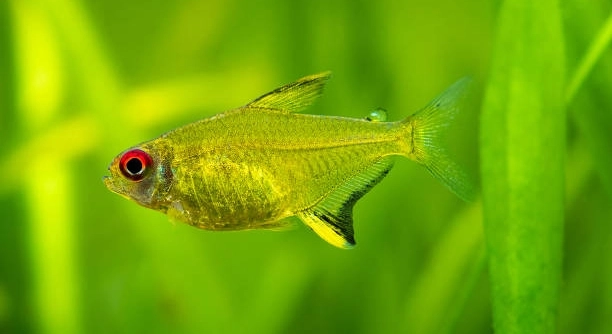
Lemon Tetras are small, vibrant fish that brighten any aquarium with their shimmering yellow hue. Observing them swim can be calming, and providing the right environment helps them feel secure and thrive comfortably in their home.
Lemon Tetras prefer swimming through decor that mimics their natural habitat, including fine-leaved plants, smooth rocks, small caves, driftwood, tall grasses, gentle currents, and open swimming areas. These elements support their social behavior, exploration, and overall well-being in captivity.
Knowing the right decor can transform your aquarium into a lively, engaging space that supports your Lemon Tetras’ natural instincts. Exploring these seven pieces will help create a balanced environment for them.
Fine-Leaved Plants
Fine-leaved plants create a natural environment that Lemon Tetras enjoy swimming through. Their delicate leaves provide hiding spots and reduce stress for timid fish. These plants also help maintain water quality by absorbing excess nutrients, limiting algae growth. Popular choices include Java Moss, Cabomba, and Myriophyllum. When planted in clusters, they offer vertical and horizontal cover, allowing the fish to explore different layers of the aquarium. Lemon Tetras often weave through the leaves, giving them exercise and mental stimulation. Floating plants can complement the arrangement by diffusing light and creating shaded areas. Consistent care, trimming, and occasional replanting help maintain a healthy setup. The movement of the water around these plants can also encourage natural swimming patterns. Observing the fish interact with lush greenery adds visual appeal and a calming presence to the tank. A balanced mix of tall and short fine-leaved plants ensures both aesthetic appeal and functional swimming areas.
Fine-leaved plants benefit Lemon Tetras by providing shelter, enhancing swimming activity, and supporting overall tank health.
Properly arranged plants reduce stress, encourage natural behaviors, and create dynamic spaces for social interactions among Lemon Tetras.
Smooth Rocks
Smooth rocks are ideal for Lemon Tetras to explore and swim around without injury. Rounded stones avoid sharp edges that could damage delicate fins. Placing them in small clusters or along the substrate creates natural pathways, giving fish both open swimming space and secure corners to hide when needed. Rocks also contribute to a stable environment by anchoring plants and breaking water currents, which helps maintain calmer swimming zones. Selecting a variety of sizes and colors can enhance the aquarium’s visual appeal while remaining functional. Rocks can also serve as surfaces for beneficial bacteria, which aid in maintaining water quality. Arranging them thoughtfully allows Lemon Tetras to navigate different terrain, mimicking riverbeds they would encounter in nature. Avoid overcrowding the tank with rocks, as excessive decoration can restrict movement. Regular cleaning prevents algae buildup and keeps the surfaces safe for the fish. Smooth rocks balance aesthetics with practical benefits, promoting both activity and security.
Smooth rocks support natural movement and provide secure, interactive spaces for Lemon Tetras.
When placed correctly, rocks contribute to tank stability, offer hiding spots, and help establish a natural-feeling environment, enhancing the fish’s comfort.
Small Caves
Small caves offer Lemon Tetras secure hiding spots that reduce stress and support natural behaviors. They feel safer when swimming around or resting near enclosed spaces. Caves can be made from ceramic, resin, or hollowed stones and should have smooth edges to avoid injury.
Arranging small caves throughout the aquarium encourages exploration and provides retreat areas for shy fish. Lemon Tetras often swim in and out of these shelters, which helps establish a sense of territory without causing aggression. Placing caves near plants or rocks creates natural transitions between open and covered areas. Multiple caves of varying sizes accommodate the social structure of the fish, allowing individuals to find comfortable spaces. Regular cleaning prevents buildup of debris inside caves, maintaining hygiene and water quality. Proper placement ensures that caves do not block water flow or overcrowd swimming space. Observing fish use these shelters shows their natural instincts and keeps them active and healthy.
When choosing caves, consider their size relative to the fish and the tank. Rounded entrances, smooth surfaces, and varied placement enhance safety and engagement while maintaining an organized aquarium layout.
Driftwood
Driftwood provides structure and texture that Lemon Tetras enjoy swimming around and resting near. It softens the look of the tank while offering natural hiding areas. Submerged pieces slowly release tannins, slightly tinting the water and helping mimic natural river habitats.
Driftwood helps anchor plants and offers surfaces for biofilm growth, which can be a supplemental food source for small fish. Arranging driftwood pieces at different angles creates swimming paths and resting zones, supporting the fish’s activity and exploration. Larger pieces can be positioned to create partial overhangs, giving Lemon Tetras shaded areas that reduce stress. Combining driftwood with plants or rocks creates layered habitats that feel natural and secure. Maintenance includes occasional scrubbing to remove algae and inspecting for sharp edges that may develop over time. Choosing durable wood types like Malaysian driftwood or Mopani ensures longevity while resisting decay in the aquarium environment. Proper placement avoids blocking filtration or overcrowding the tank.
Driftwood contributes to both aesthetics and functionality, encouraging natural behaviors, offering shade and shelter, and supporting plant attachment and fish activity throughout the aquarium.
Tall Grasses
Tall grasses give Lemon Tetras vertical cover and a sense of security in the tank. They like weaving between the stems, which supports natural swimming patterns and reduces stress. Choosing soft, flexible varieties ensures the fish can move freely without damaging their fins.
Grasses also help break light, creating shaded areas that mimic river habitats. They can be planted in clusters or along the back of the tank to maximize swimming space in front. Regular trimming keeps them healthy and prevents overcrowding. Tall grasses contribute to water quality by absorbing nutrients and reducing algae growth, making them both functional and visually appealing.
Open Swimming Areas
Lemon Tetras need open swimming areas to maintain their activity and social interactions. Clear zones without obstructions allow them to school freely, practice natural movement, and explore the tank confidently. Proper spacing between plants, rocks, and decorations ensures sufficient swimming room for all fish.
Gentle Currents
Gentle currents encourage Lemon Tetras to swim actively and mimic conditions found in rivers and streams. Moderate water flow keeps the tank oxygenated and supports healthy exercise for the fish.
Combination Layouts
Arranging plants, rocks, caves, and driftwood in a balanced layout creates a diverse environment for Lemon Tetras. Mixing open spaces with sheltered areas ensures the fish can exhibit natural behaviors, interact socially, and feel secure while navigating the aquarium.
FAQ
What types of plants are safest for Lemon Tetras?
Lemon Tetras do best with soft, fine-leaved plants like Java Moss, Cabomba, and Myriophyllum. These plants provide hiding spots without sharp edges, allowing the fish to swim freely and reducing stress. Floating plants can add shade and diffuse light, creating a more natural environment.
How should I arrange rocks in the tank?
Rocks should be smooth and rounded to avoid injuring the fish. Place them in small clusters or along the substrate to create natural swimming pathways. Avoid overcrowding the tank, leaving open swimming space. Larger rocks can anchor plants and provide shaded areas, balancing aesthetics and functionality.
Are caves necessary for Lemon Tetras?
While not strictly necessary, caves help shy fish feel secure. They offer retreat areas and reduce stress. Multiple small caves of varying sizes accommodate social dynamics, allowing fish to establish personal spaces. Regular cleaning prevents debris buildup and maintains water quality inside these shelters.
What types of driftwood work best?
Durable driftwood like Malaysian or Mopani is ideal. It softens the tank’s look, offers hiding spots, and supports plant attachment. Submerged wood releases tannins that slightly tint the water, mimicking natural habitats. Arrange pieces at angles to create overhangs and swimming paths.
Do Lemon Tetras need open swimming areas?
Yes, open spaces are crucial. Clear zones allow the fish to school freely and exhibit natural swimming patterns. Balanced spacing between plants, rocks, and decorations prevents overcrowding and keeps social interactions stress-free. Open areas also improve tank aesthetics and fish visibility.
How strong should the water current be?
Gentle currents are preferred. Moderate flow mimics river conditions, encourages swimming, and improves oxygenation. Avoid strong currents that may tire small fish or make it hard for them to navigate. Combining plants and driftwood can help diffuse water flow for a balanced environment.
How often should tank decorations be cleaned?
Regular maintenance is important. Rinse plants, rocks, and driftwood during water changes to remove algae and debris. Avoid harsh chemicals; use a soft brush or sponge to prevent damage. Maintaining cleanliness supports fish health and keeps the aquarium visually appealing.
Can Lemon Tetras live with other fish near these decorations?
Yes, but tankmates should be peaceful and similar in size. Decorations like caves and plants reduce stress and provide refuge if needed. Avoid aggressive or much larger fish that may bully Lemon Tetras or compete for space in shelters.
How do decorations affect breeding?
Decorations can create private, secure areas for spawning. Dense plants, caves, and shaded zones offer protection for eggs and fry. Properly arranged decor supports natural behavior, encourages pair bonding, and increases the chances of successful breeding in a home aquarium.
Can artificial plants replace live plants?
Artificial plants are acceptable but do not provide the same benefits as live ones. They offer hiding spots but do not improve water quality or supply biofilm for supplemental feeding. Smooth, flexible artificial plants work best to prevent fin damage while maintaining swimming freedom.
What is the best way to combine decorations for Lemon Tetras?
Balance is key. Mix open swimming areas with clusters of fine-leaved plants, small caves, smooth rocks, and driftwood. This arrangement allows social interaction, exploration, and security. Ensure decorations do not block water flow or overcrowd the tank, maintaining a healthy and visually pleasing environment.
How do I prevent algae on decorations?
Algae growth can be managed by controlling light, avoiding overfeeding, and regular cleaning. Live plants help compete with algae for nutrients, and driftwood or rocks can be gently scrubbed during water changes. Keeping water chemistry stable also limits excessive growth, preserving the tank’s appearance and fish health.
Do Lemon Tetras need vertical or horizontal space more?
Both are important. Tall plants and driftwood provide vertical cover, while open swimming areas allow horizontal movement. A combination ensures activity, natural schooling behavior, and stress reduction. Layering decorations adds depth, giving fish multiple pathways and comfort zones.
Can decorations influence water parameters?
Yes, some decorations like driftwood release tannins, slightly lowering pH and softening water. Live plants absorb excess nutrients, supporting cleaner water. Rocks can buffer pH depending on their composition. Choosing compatible materials ensures stable conditions that promote fish health and well-being.
How often should decorations be rearranged?
Rearranging can be done occasionally to refresh the tank environment, but frequent changes may stress the fish. Small adjustments, like moving plants or rocks slightly, encourage exploration without disrupting established hiding spots or territories.
Lemon Tetras thrive in aquariums that offer a balanced mix of open swimming areas and secure hiding spots. Providing the right decor is more than just an aesthetic choice; it directly affects their behavior, health, and overall comfort. Plants, rocks, driftwood, caves, and gentle currents all serve specific purposes, helping these fish feel secure and supported while encouraging natural activity. Each element should be carefully chosen to match the size and temperament of the fish. Smooth surfaces and soft-leaved plants reduce the risk of injury, while clusters of decorations create interesting pathways that keep the fish engaged. Observing them weave through plants or explore small caves highlights their curiosity and social tendencies, making a well-decorated tank more dynamic and visually appealing. The arrangement should always maintain open areas for schooling, allowing Lemon Tetras to move freely and interact naturally with one another.
Decor not only contributes to physical safety but also influences water quality and environmental stability. Live plants absorb excess nutrients, helping control algae growth and maintain a balanced ecosystem. Driftwood can release tannins, slightly tinting the water and creating conditions that resemble the rivers and streams these fish inhabit in nature. Rocks can serve as stable bases for plants or biofilm growth, adding both functional and visual benefits. Proper placement ensures that decorations do not overcrowd the tank, block water flow, or restrict swimming space. Regular cleaning and maintenance are essential to keep the environment healthy and attractive. By combining functional and decorative pieces, the aquarium becomes a habitat that supports natural behaviors, reduces stress, and encourages social interaction among Lemon Tetras.
Ultimately, creating an aquarium tailored to Lemon Tetras requires observation, planning, and careful selection of decor. Each piece serves a role, from providing shelter and shade to encouraging exercise and exploration. Thoughtful design ensures the fish feel secure while giving them opportunities to swim and interact naturally. Maintaining a balanced layout with attention to water flow, cleanliness, and compatible materials enhances their well-being and longevity. A well-planned tank fosters healthy behavior, reduces stress, and allows these small, vibrant fish to display their natural beauty. Observing their daily routines in a thoughtfully decorated environment can be rewarding, as it showcases their natural instincts and social tendencies. Careful attention to both aesthetics and functionality ensures that Lemon Tetras not only survive but thrive, making the aquarium a lively and engaging space for both the fish and anyone who enjoys watching them.

Hello,
If you enjoy the content that we create, please consider saying a "Thank You!" by leaving a tip.
Every little bit helps us continue crafting quality advice that supports the health, happiness, and well-being of pets around the world, for pets of all shapes, sizes, and species.
We really appreciate the kindness and support that you show us!