
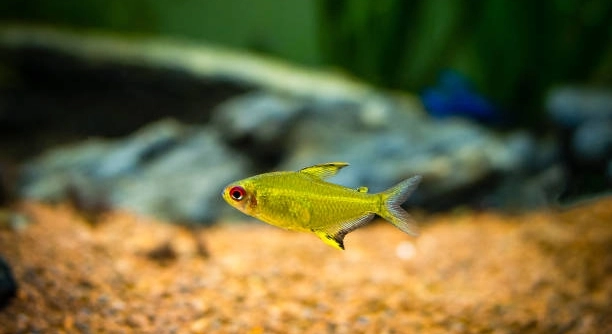
Lemon tetras are small, vibrant fish that brighten any freshwater aquarium. Watching them interact in a school can be both relaxing and fascinating. Healthy groups display harmony and lively behavior that reflects proper care.
A healthy lemon tetra school shows consistent swimming patterns, vibrant coloration, and active feeding behavior. Fish maintain personal space while staying close to the group, exhibit no signs of disease, and interact socially in a balanced, stress-free environment.
Recognizing these signs early helps maintain a thriving aquarium environment and ensures your tetras live long, active, and content lives.
Active and Harmonious Swimming
Lemon tetras are schooling fish, and one of the clearest signs of a healthy group is their swimming behavior. In a thriving school, the fish move together smoothly, turning and weaving in unison without chaos or collisions. Each fish keeps a comfortable distance from its neighbors, yet they stay close enough to feel secure as a group. When observing, you might notice subtle shifts in position, but the overall movement remains balanced and fluid. Fish that lag behind, dart erratically, or separate from the group may be stressed or unwell. Maintaining proper tank conditions, including clean water, stable temperature, and adequate space, supports natural swimming behavior. Regular observation helps you spot early signs of stress or illness, allowing you to make adjustments quickly. Consistent schooling also indicates that the fish feel safe and comfortable in their environment, reflecting proper care and a stable aquarium setup.
Healthy schools exhibit synchronized movement, showing comfort and low stress in the tank environment.
Watching them glide together can be relaxing and demonstrates the strength of a well-kept aquarium. The subtle coordination among each fish reflects both instinctual schooling behavior and a stable habitat. Changes in this pattern often reveal underlying issues, whether related to water quality, nutrition, or social dynamics. Observing and noting these behaviors helps maintain a thriving environment and encourages proactive care.
Vibrant Coloration
Healthy lemon tetras display bright, consistent coloration throughout their bodies. Dull or faded colors may indicate stress, poor diet, or disease, while vivid yellows and blues reflect proper nutrition and strong health.
A balanced diet rich in protein, vitamins, and occasional live or frozen foods helps maintain their natural colors. Avoid sudden changes in water parameters, as temperature swings or poor water quality can dull hues. Stress from aggressive tankmates or overcrowding also affects color intensity. Maintaining a clean tank with regular water changes, monitoring pH and ammonia levels, and providing hiding spots contribute to the fish’s comfort and visual vibrancy.
Color is not just aesthetic; it’s a health indicator. Tetras with rich, bright colors are more likely to feed actively, school properly, and resist disease. Observing subtle shifts in hue can alert you to potential problems before they become severe. Keeping their environment stable, feeding high-quality foods, and minimizing stressors all support a school that is visually lively and behaviorally healthy.
Consistent Feeding Behavior
Healthy lemon tetras approach food eagerly and feed in a coordinated way, without aggressive chasing or refusal. They consume their portion quickly and return to normal swimming once feeding is over.
Regular, balanced feeding ensures each fish receives proper nutrients. High-quality flake food supplemented with occasional frozen or live treats keeps them healthy. Avoid overfeeding, as leftover food can decay, affecting water quality and causing stress. Fish that consistently eat with energy are usually disease-free and comfortable in their environment. Monitoring feeding patterns helps detect early signs of illness or social imbalance within the school.
Feeding time also shows social harmony. If one fish dominates or isolates, it may indicate stress or aggression. Healthy schools share food evenly, and all members maintain energy. Keeping a consistent schedule supports both growth and natural behavior. Proper feeding routines also strengthen immune function and encourage vivid coloration.
Minimal Stress and Disease
Healthy lemon tetras show no signs of illness, such as fin rot, spots, or bloating. Their scales are smooth, and gills function normally.
Maintaining stable water conditions is essential for disease prevention. Frequent water changes, proper filtration, and monitoring pH, temperature, and ammonia levels help reduce stress and susceptibility to infection. Stress from overcrowding, incompatible tankmates, or sudden environmental changes weakens immunity. Healthy tetras are active, responsive, and show interest in their surroundings without signs of lethargy.
Observing interactions within the school also reveals stress levels. Calm, coordinated swimming, absence of hiding or aggressive behavior, and normal feeding all indicate low stress. Early detection of irregularities allows timely interventions, such as adjusting water parameters or isolating affected fish. A stable, clean environment and proper nutrition are critical for long-term health, ensuring the school remains vibrant and disease-free.
Active Social Interaction
Lemon tetras communicate through subtle movements and positioning in the school. Healthy fish display gentle chasing, coordinated turns, and close proximity without aggression, showing social balance and comfort in the tank.
They often cluster near plants or decorations, signaling trust in their environment. Shy or isolated fish may indicate stress or illness.
Clear Eyes and Smooth Scales
Bright, clear eyes and intact scales are strong indicators of a healthy school. Cloudy eyes, lesions, or missing scales may signal disease, poor water quality, or injury. Observing these details regularly helps catch problems early.
Stable Group Dynamics
A healthy school maintains consistent numbers and hierarchy, with no persistent bullying or exclusion. Balanced interactions foster confidence and reduce stress.
What is the ideal tank size for a lemon tetra school?
A group of lemon tetras needs enough space to swim freely and maintain social balance. A minimum of 20 gallons works for a small school of six to eight fish. Larger tanks are better for bigger schools, providing room for natural schooling patterns, hiding spots, and stable water conditions. Proper tank size prevents overcrowding, reduces stress, and supports healthy behavior. Including plants, decorations, and open swimming areas helps replicate a natural environment, which encourages active schooling, reduces aggression, and promotes overall health.
How many lemon tetras should I keep together?
Lemon tetras are social fish that thrive in groups. Keeping at least six together is essential for natural schooling behavior. Larger groups of 10 to 15 fish display more coordinated movement and stronger social interactions. Smaller numbers can lead to stress, isolation, and erratic behavior, which may impact feeding and overall health. Schools also help fish feel secure and confident. Observing their interactions in groups can help you adjust the number of fish to ensure harmony. Gradual introductions of new fish should be monitored to maintain stable group dynamics.
What water conditions do lemon tetras prefer?
Lemon tetras thrive in freshwater with a temperature between 72–79°F and a pH of 6.0–7.5. Soft to moderately hard water supports healthy scales and coloration. Regular water changes, proper filtration, and careful monitoring of ammonia, nitrite, and nitrate levels are essential. Sudden changes in temperature or chemistry can stress fish, leading to color fading, reduced activity, or illness. Adding live plants, driftwood, and gentle lighting helps mimic natural conditions, reducing stress. Stable water conditions ensure that all members of the school remain active, healthy, and vibrant over time.
What should I feed lemon tetras?
A varied diet is important for lemon tetras. High-quality flake food or micro pellets should form the base of their diet, supplemented with frozen or live foods like brine shrimp, daphnia, or bloodworms. Feeding small amounts multiple times a day helps maintain energy and prevent overeating. A balanced diet supports coloration, immunity, and schooling behavior. Removing uneaten food promptly reduces waste accumulation, maintaining water quality. Observing how each fish eats can also reveal early signs of illness or social dominance issues, helping you adjust feeding routines for optimal health.
How can I tell if my school is stressed?
Signs of stress include erratic swimming, hiding, loss of appetite, faded colors, or aggression within the group. Stress can be caused by poor water quality, overcrowding, incompatible tankmates, or sudden environmental changes. Addressing these issues quickly can prevent illness and maintain stable social dynamics. Regular observation of swimming patterns, feeding behavior, and interactions helps detect stress early. Adding plants, proper hiding spaces, and maintaining stable water parameters all contribute to reducing stress. A healthy school exhibits calm, coordinated movements and active feeding, signaling confidence in their environment.
Can lemon tetras live with other fish?
Yes, lemon tetras are generally peaceful and can coexist with other small, non-aggressive fish. Suitable tankmates include other small tetras, rasboras, and peaceful bottom dwellers. Avoid larger, aggressive species that may bully or eat them. Maintaining a peaceful environment ensures the school continues its natural behavior and prevents stress-induced health issues. Observing interactions after introducing new tankmates helps confirm compatibility. Providing hiding spots and keeping schools in adequate numbers ensures safety, comfort, and consistent social behavior for all fish in the tank.
How often should I perform water changes?
Weekly water changes of 20–30% are recommended to maintain water quality and remove waste. Over time, ammonia, nitrites, and nitrates accumulate, which can stress fish and affect coloration. Consistent water changes prevent disease, support healthy schooling behavior, and ensure all fish remain active. Monitoring water parameters before and after changes helps maintain stability. Using dechlorinated water at the same temperature prevents shock. Regular maintenance also encourages fish to feed actively and swim normally, preserving the visual appeal and overall health of the school.
What plants or decorations are best for lemon tetras?
Live plants, such as java fern, hornwort, and anubias, provide shelter and mimic natural habitats. Floating plants offer shaded areas that reduce stress and encourage natural behavior. Driftwood and smooth rocks create hiding spots while maintaining swimming space. Open areas allow coordinated schooling, while dense regions offer comfort and security. Properly arranged decorations help fish feel safe, improve water quality through plant growth, and reduce aggression. A mix of open swimming zones and well-placed cover supports active, healthy schooling and enhances the visual appeal of the aquarium.
How can I encourage breeding in lemon tetras?
Breeding requires optimal water conditions, slightly warmer temperatures around 78–80°F, and dense plants or spawning mops for egg laying. Separate males and females briefly, then introduce them to a quiet tank to encourage natural courtship. Feeding a protein-rich diet enhances readiness to spawn. After spawning, remove adults to prevent egg consumption. Consistent monitoring and water quality maintenance improve hatching success. Fry require infusoria or finely crushed food initially, gradually transitioning to larger foods. Breeding is a delicate process, and a stable, stress-free environment maximizes success while maintaining school health.
Are lemon tetras sensitive to water changes?
Yes, sudden large changes in water chemistry or temperature can stress lemon tetras, affecting their behavior and health. Gradual changes during routine maintenance help them adjust without shock. Consistency in water quality is critical to maintaining active swimming, bright coloration, and social harmony. Observing fish before and after changes ensures they remain comfortable and stress-free. Stable parameters prevent disease, support feeding routines, and allow natural schooling behavior to continue uninterrupted. Regular, small adjustments are safer than infrequent large changes, protecting both individual fish and overall group dynamics.
Maintaining a healthy lemon tetra school requires careful attention to their environment, diet, and social needs. Observing the fish daily allows you to notice changes in behavior, coloration, and overall activity. A stable tank with clean water, consistent temperature, and appropriate pH levels forms the foundation for their health. Regular water changes and proper filtration help keep harmful substances in check, reducing stress and supporting natural behavior. Ensuring each fish has enough space to swim freely while remaining in the school encourages harmonious interactions. Overcrowding or poor tank conditions can quickly lead to stress, illness, or aggressive behavior, so keeping the tank balanced is essential.
Feeding plays a key role in maintaining a thriving school. A varied diet of high-quality flake food, supplemented with occasional live or frozen treats, provides the nutrients necessary for energy, vibrant coloration, and strong immune systems. Feeding small amounts multiple times a day prevents overfeeding and keeps the tank clean. Observing how the fish eat can help you identify potential health issues or social imbalances early. Healthy tetras approach food eagerly but without aggression, and once feeding is over, they return to schooling naturally. Maintaining consistent feeding routines reinforces overall well-being and helps each member of the school thrive.
Social behavior is another critical aspect of a healthy lemon tetra school. These fish rely on schooling for security and confidence, so ensuring they have enough companions is important. Groups of six or more are ideal, and larger schools show more natural, coordinated movements. Watching interactions between fish can reveal subtle signs of stress or dominance issues, allowing timely adjustments to tank conditions or group size. Providing plants, hiding spots, and open swimming areas creates an environment where the school can display natural behavior. Healthy tetras swim together, interact calmly, and remain active, indicating a stable, stress-free environment. By keeping water conditions stable, providing proper nutrition, and observing social dynamics, you support both the physical health and the natural instincts of the school, ensuring the fish remain vibrant, active, and well-balanced over time.

Hello,
If you enjoy the content that we create, please consider saying a "Thank You!" by leaving a tip.
Every little bit helps us continue crafting quality advice that supports the health, happiness, and well-being of pets around the world, for pets of all shapes, sizes, and species.
We really appreciate the kindness and support that you show us!