
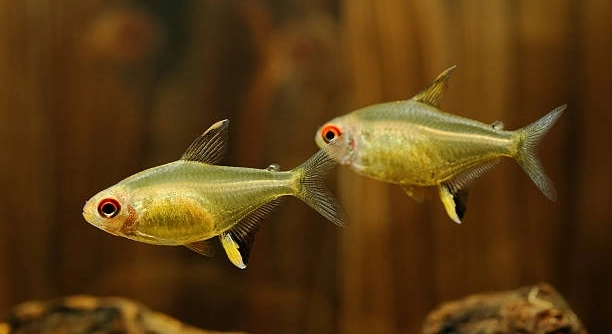
Is your lemon tetra spending more time near the glass than swimming freely? Many aquarium enthusiasts notice this behavior and feel concerned about their fish. Observing their tank can help you understand what your tetra is experiencing daily.
Lemon tetras often stare at the glass due to reflections, stress, or curiosity about their surroundings. Environmental factors such as lighting, tank size, or nearby movement can influence this behavior, prompting repetitive or focused gazes toward the aquarium walls.
Monitoring your tetra’s environment and interactions can provide insights into its behavior. Simple adjustments may improve its comfort and overall well-being in the tank.
Common Reasons Lemon Tetras Stare at the Glass
Many lemon tetras focus on the glass due to reflections or their own image. This behavior can happen when lighting in the tank is strong or when external movements catch their attention. Tetras are naturally curious fish, and a reflection can appear as another fish, prompting them to interact. Stress can also be a factor. Crowded tanks, sudden changes in water temperature, or strong currents may make your tetra feel uneasy. Some tetras develop this habit simply out of routine, swimming near the glass at certain times of day. Monitoring their tank environment and daily behavior can help identify why this staring occurs. Adjusting lighting, adding decorations, or providing hiding spots can reduce stress. Observing patterns, like when they stare most often, gives insight into their comfort level. Consistent tank care and attention can improve their well-being and reduce repetitive behaviors.
Lemon tetras often respond strongly to reflections, especially in small or bare tanks. Adding plants or background decorations can help reduce staring.
Providing enrichment, such as floating plants, small caves, or varied tank decorations, encourages natural exploration. Lemon tetras feel safer with visual barriers and places to hide. Small adjustments, like reducing bright light or limiting sudden movements outside the tank, can calm them. Over time, these changes can help tetras interact more with their environment and less with reflections, promoting a more relaxed and natural behavior pattern. Regular water changes, stable temperature, and a balanced diet further support their comfort and health. Observing their reactions to different stimuli will guide which environmental modifications are most effective.
How Tank Setup Affects Behavior
A small or sparse tank can make reflections more noticeable. Lemon tetras may interpret reflections as other fish, triggering prolonged staring.
Tank size, décor, and lighting significantly impact tetra behavior. A bare tank with minimal plants or decorations increases exposure to reflections and can amplify stress. Strong overhead lighting or placement near windows may intensify reflections. Even minor environmental changes, like moving the tank or rearranging decorations, can affect how tetras perceive their space. They are sensitive to water parameters, so temperature fluctuations or sudden chemical changes may increase glass-staring. Introducing plants, driftwood, and hiding spots provides a more natural environment, reducing the tendency to focus on glass. Maintaining consistent care routines, including feeding schedules and cleaning, reinforces stability and comfort. By carefully adjusting tank elements, owners can minimize repetitive behaviors, enhance tetra activity, and encourage natural swimming patterns that reflect healthy well-being. Observing daily responses helps refine the setup for optimal comfort.
Stress and Its Impact on Lemon Tetras
Stress can make lemon tetras stare at the glass more often. Sudden movements, loud noises, or overcrowding in the tank can trigger anxious behavior and increase their focus on reflections.
Stress affects their swimming patterns, appetite, and overall health. Lemon tetras may become more isolated, spending long periods near the glass. Consistent environmental changes or poor water conditions amplify this behavior. High ammonia or nitrate levels, rapid temperature shifts, and improper lighting can all contribute to stress. Observing their behavior carefully helps identify specific triggers. Making small, steady adjustments, like rearranging decorations gradually or reducing outside disturbances, can lower stress. Over time, tetras will show more normal activity and spend less time fixated on glass reflections, improving both their comfort and vitality.
Providing a stable routine is key to reducing stress. Feeding at regular times and maintaining water quality helps lemon tetras feel secure and calm.
Social Behavior and Glass Staring
Lemon tetras are social fish and rely on interaction with their group. Staring at the glass can sometimes indicate a lack of companions or that they are trying to engage with reflections as substitutes.
When tetras are in a small school or alone, they may fixate on reflections, mistaking them for other fish. This behavior can be more pronounced in tanks with minimal visual barriers, where reflections are more visible. Ensuring a proper group size of at least six tetras promotes natural schooling behavior, which reduces glass-staring. Adding plants, rocks, or other objects creates visual breaks and encourages swimming and exploration. Observing their schooling patterns daily can indicate whether they are socially content or need adjustments. A well-balanced social environment encourages healthy interactions, reduces stress, and supports normal activity levels in the tank.
Reflection and Mirror Effect
Reflections in the glass can confuse lemon tetras, making them think another fish is nearby. This often leads to repeated staring as they try to interact with their own image.
The mirror effect is more noticeable in small or bare tanks. Bright lighting or a clear, undecorated background amplifies reflections, drawing more attention from tetras.
Environmental Enrichment
Adding plants, rocks, or floating decorations helps tetras focus on natural exploration instead of glass reflections. A varied environment encourages swimming, hiding, and interaction, promoting healthier behavior patterns.
Lighting and Tank Placement
Harsh lighting or placing the tank near windows can create strong reflections. Adjusting light intensity and tank location reduces unnecessary staring.
FAQ
Why does my lemon tetra stare at the glass so often?
Lemon tetras may stare at the glass due to reflections, stress, or lack of stimulation. They often mistake reflections for other fish or become curious about movements outside the tank. Stress from overcrowding, sudden noise, or poor water conditions can also increase this behavior.
Is staring at the glass harmful to my tetra?
Generally, staring at the glass is not physically harmful, but it can indicate underlying stress or discomfort. Prolonged fixation may reduce natural activity, affect feeding, and signal that environmental adjustments are needed for the tetra’s well-being.
How can I reduce glass-staring behavior?
Providing hiding spots, adding plants, or rearranging decorations can distract tetras from reflections. Adjusting lighting to reduce glare, keeping the tank away from direct sunlight or heavy foot traffic, and maintaining clean water will also help minimize staring.
Do tetras stare more when they are alone?
Yes, lemon tetras are schooling fish and feel safer in groups. A single tetra may fixate on reflections to compensate for lack of social interaction. Keeping a small school of at least six fish reduces isolation behaviors.
Can stress cause my tetra to stare at the glass?
Stress is a common reason for repetitive staring. Factors like sudden temperature changes, high nitrate or ammonia levels, overcrowding, or a sparse tank can make tetras anxious. Reducing stressors often decreases the frequency of staring.
Does tank size affect staring behavior?
Smaller tanks increase reflection visibility, which can cause tetras to focus on the glass. Larger tanks with plenty of decoration reduce reflections, encourage exploration, and promote natural schooling patterns.
Will adding more plants help?
Yes, live or artificial plants provide hiding spaces and visual breaks. They distract tetras from reflections and create a more engaging environment, which encourages swimming and natural behaviors rather than fixating on the glass.
Is lighting important for this behavior?
Lighting plays a significant role. Bright lights or direct sunlight increase reflections and glare, causing tetras to stare more. Adjusting lighting intensity or adding dim areas helps fish feel comfortable and less focused on glass.
How do I know if staring is due to illness?
If staring is accompanied by lethargy, loss of appetite, clamped fins, or abnormal swimming, it may indicate illness. Water testing and observation of other symptoms are essential to determine whether medical intervention is needed.
Can rearranging tank decorations help?
Repositioning rocks, plants, or ornaments can reduce repetitive behavior by breaking up reflections and providing new exploration opportunities. Gradual changes help tetras adjust without causing additional stress.
How long does it take for staring to reduce?
Improvement depends on the cause. Environmental adjustments like adding plants, changing lighting, or increasing group size may show results within days or weeks. Consistency in care and monitoring is important for lasting behavioral change.
Should I cover part of the tank?
Partial covers or backgrounds can help reduce reflections, especially for tanks near windows. A solid background or partial curtain provides visual privacy, calming tetras and lowering fixation on glass.
Can feeding routines influence glass-staring behavior?
Yes, irregular feeding may increase stress and repetitive behaviors. Consistent feeding schedules provide stability and encourage activity, reducing the time tetras spend staring at the glass.
Does water quality affect staring?
Poor water quality is a major stress factor. High ammonia, nitrite, or nitrate levels, as well as temperature fluctuations, can cause discomfort. Maintaining clean, stable water conditions reduces stress-induced staring.
Are all lemon tetras prone to staring?
While many exhibit this behavior, it varies by individual and environment. Some tetras are naturally more curious or sensitive to reflections, while others show minimal glass-staring under similar conditions.
Can I safely ignore this behavior?
In mild cases with healthy tetras, occasional glass-staring can be ignored. However, persistent staring combined with signs of stress or poor health requires adjustments to the tank environment to ensure long-term welfare.
Does tank location affect this behavior?
Yes, tanks near high traffic areas or bright windows can increase reflection and stress. Placing the tank in a quiet, low-glare area encourages natural behavior and reduces unnecessary glass fixation.
Can adding more fish reduce staring?
Adding more tetras encourages schooling and social interaction, which decreases reflection-focused behavior. Care should be taken to avoid overcrowding, ensuring that each fish has adequate space for comfort and movement.
Are certain tank shapes better for reducing staring?
Wider or longer tanks with plenty of decoration reduce the visibility of reflections. Tall, narrow tanks may amplify reflections and limit horizontal swimming, increasing glass-staring tendencies.
How can I tell if my tetra is happy?
A healthy, content tetra swims actively, interacts with its school, explores the tank, and eats well. Occasional glass-staring is normal, but regular natural behavior indicates comfort and proper tank conditions.
What should I do if staring continues despite adjustments?
If staring persists despite environmental improvements, monitoring for signs of illness or chronic stress is necessary. Consulting with a vet or fish care specialist can help address any underlying health issues and ensure the tetra’s welfare.
This FAQ provides guidance to understand and reduce lemon tetra glass-staring behavior, helping maintain a healthy and comfortable tank environment.
Final Thoughts
Lemon tetras are delicate, social fish that rely on a comfortable environment to thrive. Staring at the glass is often a signal rather than a problem itself. It can indicate curiosity, stress, or environmental factors such as reflections or tank setup. Understanding the reason behind this behavior requires careful observation and attention to details like tank size, lighting, and decorations. Small adjustments to the tank, such as adding plants, rocks, or hiding spots, can make a noticeable difference. These additions break up reflections, provide safe spaces, and encourage more natural swimming patterns. Maintaining a stable, clean environment with consistent feeding schedules also contributes to reducing stress and promotes normal behavior. Lemon tetras are highly sensitive to changes, so introducing adjustments gradually helps them adapt without adding additional anxiety. Over time, a well-arranged tank encourages tetras to explore, interact with their school, and focus less on the glass, making the aquarium more engaging both for the fish and the observer.
Monitoring water quality is another essential factor in promoting healthy behavior. Poor water conditions, including high levels of ammonia, nitrites, or nitrates, can increase stress and lead to repetitive behaviors like glass-staring. Temperature fluctuations or improper lighting can also impact their comfort. Regular water testing, partial water changes, and attention to the tank’s ecosystem are crucial for the long-term health of lemon tetras. Observing their interactions with other fish can give insights into their well-being. A balanced, socially active school of tetras tends to display natural swimming patterns, feeding routines, and exploration habits. By ensuring that the tank meets both physical and social needs, owners can support healthy mental and physical states for their fish. Consistency and careful observation are key; even small changes can significantly affect behavior and comfort levels. Proper care minimizes stress, reduces repetitive behaviors, and helps tetras thrive in their environment.
Finally, it is important to remember that some staring at the glass is normal. Lemon tetras are naturally curious and may fixate on reflections or movements outside the tank occasionally. However, persistent or excessive staring should prompt consideration of environmental or health factors. Providing a stable, enriched tank with adequate space, hiding spots, and a proper school of fish reduces repetitive behaviors. Adjusting lighting and minimizing sudden disturbances can further support calm and natural behavior. Paying attention to water quality and feeding routines ensures that the tetras remain healthy, active, and comfortable. Observing their daily activities gives insight into what they need to feel secure and engaged. By taking these steps, owners can create a balanced and harmonious tank environment, supporting the well-being of lemon tetras while allowing their natural curiosity to be expressed safely and comfortably. A mindful approach to care promotes long-term health, stability, and a more enjoyable aquarium experience overall.

Hello,
If you enjoy the content that we create, please consider saying a "Thank You!" by leaving a tip.
Every little bit helps us continue crafting quality advice that supports the health, happiness, and well-being of pets around the world, for pets of all shapes, sizes, and species.
We really appreciate the kindness and support that you show us!