
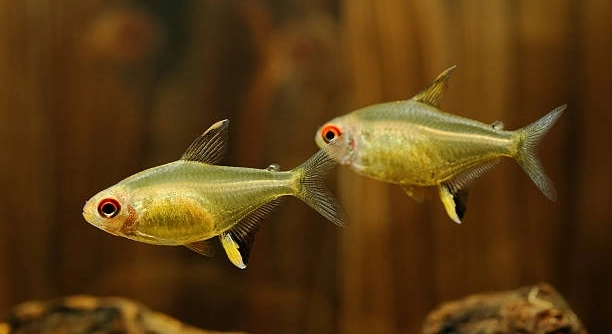
Do you ever notice your lemon tetras swimming in circles, moving in patterns that seem unusual or erratic in your aquarium? Watching them can feel both fascinating and a little concerning, especially when it seems constant.
Lemon tetras swim in circles primarily due to stress, water quality issues, or health problems. Factors such as high ammonia, low oxygen levels, or infections can disrupt their normal swimming behavior, causing them to display circular or repetitive movement patterns.
Understanding these causes will help you improve their environment and wellbeing, ensuring your tetras swim more naturally and remain healthy in their home.
Common Causes of Circular Swimming
When I first noticed my lemon tetras swimming in circles, I checked everything in the tank. Often, the reason is stress from poor water conditions. High levels of ammonia, nitrites, or nitrates can make fish act strangely. Temperature changes or a sudden shift in pH also affect their behavior. Overcrowding is another factor; tetras need space to swim freely. Lack of hiding spots or plants can make them feel insecure, prompting repetitive movements. Sometimes, even a new decoration or rearranged substrate can stress them temporarily. Illness is another possibility, including parasites or bacterial infections. Early signs of disease may include clamped fins, loss of appetite, or unusual swimming. Paying attention to these details helped me improve my tank’s conditions and see them swim more naturally. Regular water testing and consistent maintenance can prevent these issues before they become serious.
Stress from water changes or overcrowding is often the main reason for circular swimming in lemon tetras.
Keeping your tank stable and well-maintained improves your tetras’ health. Feeding a balanced diet, adding plants, and monitoring water quality helps them feel secure.
Health and Disease Concerns
Fish that swim in circles may be experiencing internal health issues.
Illnesses like ich, fin rot, or swim bladder problems can alter normal movement patterns. Early detection is key to preventing worsening symptoms. Observing behavior closely and isolating affected fish can reduce the spread of disease. Treatment options vary depending on the condition, including medication, salt baths, or water adjustments. Swim bladder issues often result from overfeeding or constipation and can be corrected with dietary changes. Infections can sometimes be traced to unclean tanks or contaminated new additions. Keeping the tank clean and maintaining stable water conditions reduces risk. Quarantining new fish before introducing them to the main tank is an effective preventive measure. By addressing potential health problems promptly, you can help your tetras return to normal swimming behavior more quickly, keeping the entire tank balanced. Regular observation and proper care are essential for maintaining long-term fish health.
Water Quality and Tank Environment
Maintaining clean water is essential for lemon tetras. Poor water quality causes stress and abnormal swimming patterns. Regular water changes and testing for ammonia, nitrites, and nitrates help keep the environment stable and safe for your fish.
I learned quickly that even small fluctuations in water parameters can affect my tetras’ behavior. A sudden rise in ammonia or nitrites often made them swim in tight circles. Keeping the temperature steady and pH balanced also mattered. Adding live plants gave them hiding spots and reduced stress. I noticed improvement when I cleaned the tank regularly and avoided overfeeding. Proper filtration and aeration made a significant difference, helping the tetras swim normally and remain active throughout the day.
The tank setup plays a big role in their behavior. Overcrowding and lack of enrichment can cause repetitive swimming. Providing adequate space, hiding spots, and a balanced environment helps tetras feel secure. I arranged plants and decorations carefully, giving each fish room to explore. Stable water conditions and good filtration were essential. Feeding small, consistent meals reduced stress and prevented swim bladder issues. By keeping the tank clean and organized, I saw my tetras swim more naturally. Observing their behavior after changes confirmed which adjustments were most effective in calming them and encouraging normal movement.
Nutrition and Feeding Habits
Feeding habits directly affect lemon tetras’ swimming patterns. Overfeeding or poor diet can lead to swim bladder problems, causing circular or erratic movements.
I noticed that my tetras acted differently when I overfed them. Uneaten food decomposed quickly, affecting water quality and increasing stress. Switching to smaller, frequent feedings helped reduce these issues. A varied diet including high-quality flakes, frozen, and live food ensured they received proper nutrients. Proper nutrition prevented constipation and buoyancy problems that caused abnormal swimming. I also monitored how they ate, ensuring all fish had access to food without overcrowding. Balanced feeding combined with clean water significantly improved their behavior.
Good nutrition is essential for long-term health. Deficiencies can weaken their immune system, making them more prone to infections that disrupt swimming. Observing feeding behavior helps detect problems early. Adjusting portion sizes and diet composition prevented overfeeding and swim bladder issues. Live or frozen food enriched their diet and encouraged natural foraging behaviors. Consistent feeding schedules created predictability, reducing stress and abnormal patterns. I also noticed that rotating food types kept them active and healthy. With proper nutrition, lemon tetras are more energetic and swim smoothly, maintaining normal schooling behavior.
Stress and Environmental Changes
Sudden changes in the tank can stress lemon tetras, causing them to swim in circles. Moving decorations, adding new fish, or abrupt water parameter shifts often trigger this behavior. Keeping changes gradual helps them adjust more comfortably.
Overcrowding also increases stress levels. Too many fish in a small tank makes swimming erratic and repetitive. Ensuring enough space and proper hiding spots allows each tetra to feel secure and reduces circular swimming.
Swim Bladder Issues
Swim bladder problems often lead to circular swimming. Overfeeding, constipation, or bacterial infections can affect the swim bladder, making it hard for tetras to maintain balance. Adjusting diet and water conditions can relieve the issue. Observing for other symptoms like floating or sinking helps identify swim bladder disorders early.
Observation and Monitoring
Watching your tetras regularly helps detect abnormal behavior quickly. Monitoring swimming patterns, feeding habits, and interactions can prevent minor issues from becoming serious health problems.
FAQ
Why are my lemon tetras swimming in circles all the time?
This is usually a sign of stress, water quality problems, or health issues. I noticed it when my ammonia levels spiked after skipping a water change. Maintaining stable water conditions and keeping the tank clean helped my tetras swim normally again.
Can swim bladder problems cause circular swimming?
Yes. Swim bladder issues make it hard for fish to balance properly. Overfeeding or constipation often leads to this. I adjusted feeding amounts and included occasional fasting days, which helped my tetras regain normal buoyancy and movement.
Does tank size affect their swimming patterns?
Definitely. Overcrowding can make lemon tetras swim erratically or in repetitive circles. Giving them enough space, at least a 20-gallon tank for a small school, and including plants and hiding spots reduced stress in my tank significantly.
Can water temperature cause circular swimming?
Yes. Sudden changes in temperature or keeping it outside the ideal 72-78°F range can stress tetras. I installed a reliable heater and monitored the temperature daily, which stabilized their behavior and reduced circular swimming.
Could diet be a factor?
Absolutely. Poor nutrition or overfeeding can affect swimming and lead to swim bladder problems. I feed my tetras a balanced diet of flakes, frozen, and occasional live food, making sure not to overfeed, which helped improve their swimming.
Are new tank additions stressful for lemon tetras?
Yes. Introducing new fish, decorations, or plants can disrupt their environment and cause stress. I always make changes gradually, letting tetras adjust slowly, which prevented sudden circular swimming. Quarantining new fish before adding them to the main tank also helped.
How do I know if my tetras are sick?
Look for additional symptoms like clamped fins, loss of appetite, rapid gill movement, or unusual spots. I observed these closely in my tank, isolating affected fish to prevent spreading illness and treating conditions like ich or bacterial infections promptly.
Can water quality alone cause circular swimming?
Yes. High ammonia, nitrites, or nitrates stress fish and affect swimming patterns. I use regular water testing, partial water changes, and proper filtration to maintain clean water, which improved my tetras’ behavior dramatically.
Will stress from other fish cause this behavior?
It can. Aggressive tankmates or overcrowding may lead to repetitive swimming. I noticed my tetras behaved better after separating aggressive species and ensuring enough space for everyone. Providing hiding spots and visual barriers also reduced stress.
How long does it take for tetras to recover?
Recovery depends on the cause. Water adjustments or dietary changes may take a few days to a week. Health issues like infections might require longer treatment. I saw improvement in my tetras within a week after stabilizing water and correcting feeding habits.
Can I prevent circular swimming entirely?
Prevention focuses on stable water, proper diet, adequate space, and minimal stress. I keep my tank routine consistent, feed properly, and monitor behavior daily. Maintaining good conditions prevented repeated episodes and kept my lemon tetras active and healthy.
Is medication always necessary for swim bladder problems?
Not always. Dietary adjustments or temporary fasting can resolve mild swim bladder issues. I reserve medication for bacterial infections or severe cases, which ensures I’m not over-treating my fish unnecessarily.
Are live plants helpful for reducing stress?
Yes. Live plants provide hiding spots and make the tank feel secure. Adding plants gradually and arranging them to create spaces for swimming helped my tetras feel safer and reduced repetitive circular swimming.
Can sudden light changes affect behavior?
Yes. Abrupt changes in lighting can stress fish. I use a timer for consistent day-night cycles, which helped stabilize swimming patterns and reduced erratic behavior in my tank.
How often should I test water parameters?
Testing once a week is ideal. I check ammonia, nitrites, nitrates, pH, and temperature. Regular monitoring helped me catch issues early, preventing stress-related behaviors like circular swimming and keeping my tetras healthy.
Can poor filtration cause circular swimming?
Yes. Inadequate filtration affects water quality and oxygen levels, causing stress. I upgraded my filter and cleaned it regularly, which improved water conditions and reduced repetitive swimming in my tetras.
Is it normal for young tetras to swim in circles?
Occasionally, fry or young fish may swim in tight circles while learning to navigate. I observed mine during early weeks and made sure the tank environment was stable, which allowed them to grow into normal swimming patterns.
Do tetras need companions to swim normally?
Yes. Lemon tetras are schooling fish. Isolated tetras often swim erratically. Keeping them in small groups of at least six allowed natural schooling behavior and reduced circular swimming in my tank.
Can tap water issues affect behavior?
Yes. Chlorine, chloramine, or heavy metals can stress fish. I always treat tap water with a water conditioner and let it sit before adding it to the tank, which prevented stress-related swimming problems.
When should I consult a vet or aquarium specialist?
If circular swimming persists despite good water, diet, and tank setup, a professional can help diagnose diseases or underlying health issues. I reached out when my tetras showed additional symptoms, which ensured prompt treatment and recovery.
Watching lemon tetras swim in circles can be worrying at first. It is a sign that something in their environment or health needs attention. Often, the behavior is linked to stress, poor water quality, or minor health issues. I noticed in my own tank that even small changes, like moving decorations or overfeeding, could trigger circular swimming. Observing your tetras carefully is the first step to understanding what might be wrong. Paying attention to water parameters, diet, and behavior helps identify the root cause before it becomes a serious problem. Making gradual changes to the tank environment or adjusting feeding routines usually brings noticeable improvements in a few days.
Water quality plays a critical role in maintaining healthy fish behavior. Ammonia, nitrites, nitrates, and pH fluctuations can all contribute to stress and abnormal swimming. I learned that regular testing, partial water changes, and proper filtration prevent these issues. Stable water conditions not only reduce circular swimming but also support long-term fish health. Tank setup matters as well. Providing enough space, hiding spots, and plants helps tetras feel secure. Overcrowding or sudden changes in the environment can increase stress and cause repetitive swimming patterns. Observing how the fish react to these conditions helps determine what adjustments are needed to create a calm and balanced environment.
Nutrition and overall care are equally important. Poor diet or overfeeding can lead to swim bladder problems, affecting balance and movement. I found that feeding small, frequent meals and offering a variety of high-quality foods helped my tetras stay active and healthy. Stress from other tankmates or sudden environmental changes can also disrupt normal swimming. Gradual introductions, proper group sizes, and consistent routines all reduce stress and encourage natural behavior. Health problems, while less common, require attention. Early detection of symptoms like clamped fins, spots, or changes in appetite allows timely treatment. With consistent care, monitoring, and proper maintenance, lemon tetras recover quickly and display normal swimming behavior, making them enjoyable and lively additions to the aquarium.

Hello,
If you enjoy the content that we create, please consider saying a "Thank You!" by leaving a tip.
Every little bit helps us continue crafting quality advice that supports the health, happiness, and well-being of pets around the world, for pets of all shapes, sizes, and species.
We really appreciate the kindness and support that you show us!