
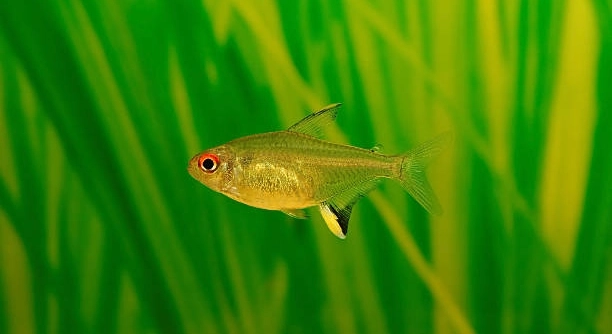
Do your lemon tetras seem restless or scattered in their tank? Many fish owners notice subtle changes in behavior that can indicate an imbalance within the school. Observing these signs early can prevent stress and health issues.
Several factors can unbalance a lemon tetra school, including sudden changes in water temperature, inconsistent feeding schedules, overcrowding, poor water quality, lack of hiding spaces, incompatible tank mates, and abrupt changes in lighting. Each factor directly impacts their social cohesion.
Understanding these influences will help maintain a peaceful and healthy environment for your tetras, supporting their natural behavior and overall well-being in the aquarium.
Sudden Changes in Water Temperature
Lemon tetras are very sensitive to fluctuations in water temperature. Even a few degrees up or down can cause stress and disrupt their school. Rapid temperature changes can affect their metabolism, making them sluggish or overly active. When tetras are stressed, they often separate from the group or display erratic swimming patterns. It is important to monitor both the water heater and the room temperature to avoid sudden shifts. Introducing new water without properly acclimating the fish can shock them, which is why gradual changes are essential. Maintaining a stable temperature between 74 and 80 degrees Fahrenheit keeps them healthy and encourages natural schooling behavior. Regularly checking your thermometer ensures that the tank stays consistent. Even minor inconsistencies can build up over time and weaken the fish’s immune system. Using a heater with reliable settings and avoiding placement near drafts or direct sunlight helps maintain stability. Stress from temperature shifts can also make tetras more prone to disease, so vigilance is key.
Stable water temperature is vital for lemon tetras’ health and schooling behavior.
Keeping their environment consistent prevents stress, supports their immune system, and encourages natural group dynamics in the tank.
Overcrowding in the Tank
Too many fish in a single aquarium can cause immediate tension.
Overcrowding increases competition for food and swimming space, leading to stress and aggression. Lemon tetras thrive in small, well-spaced groups, ideally six or more, but only if the tank is large enough to support them comfortably. When there is too little room, weaker fish may be pushed aside or separated from the school. Overcrowding also impacts water quality, as more fish produce more waste, which strains filtration and can lead to dangerous spikes in ammonia or nitrate levels. Fish under these conditions may develop unusual behavior, like hiding constantly or refusing to eat. A properly sized tank with sufficient plants and hiding spots helps maintain social balance. Observing your school’s interactions can indicate whether the tank is overpopulated. Rehoming excess fish or upgrading to a larger tank can restore harmony. Managing tank population is one of the most effective ways to keep lemon tetras healthy, active, and schooling properly.
Poor Water Quality
Dirty water directly impacts lemon tetras’ health and schooling behavior. High levels of ammonia, nitrites, or nitrates cause stress, lethargy, and irregular swimming patterns. Regular water testing and partial water changes are essential to maintain a stable and healthy environment.
Maintaining proper water quality requires consistent monitoring of chemical levels. Ammonia and nitrite should always read zero, while nitrate should remain below 20 ppm. Filters must be cleaned periodically to prevent buildup, and overfeeding should be avoided as leftover food decomposes, increasing toxins. Adding live plants can help absorb nitrates and provide hiding spaces, which support natural behaviors. Testing kits allow precise tracking of water parameters, helping prevent sudden spikes that may harm the school. Consistency is key, and even minor lapses can affect fish behavior quickly.
Water changes, filtration maintenance, and avoiding overcrowding all work together to keep the tank safe. Lemon tetras are more active and cohesive when water quality is stable, and a well-maintained environment encourages natural schooling and reduces stress-related issues over time.
Incompatible Tank Mates
Aggressive or larger fish can intimidate lemon tetras and disrupt their group dynamics. Choosing peaceful companions is crucial for a balanced tank.
Incompatible tank mates can stress lemon tetras by chasing or nipping at them, leading to separation from the school. Even species that are not overtly aggressive may outcompete tetras for food or territory, which creates tension and disrupts natural behavior. Proper research on temperament, size, and habitat preferences helps prevent conflicts. Community tanks should include calm, similarly sized fish that share compatible water parameters. Providing plants and hiding spots gives tetras refuge if interactions become tense. Observing fish behavior closely after introducing new tank mates ensures that any signs of stress are addressed immediately.
Selecting companions requires careful planning. Aggression, size differences, and dietary competition must all be considered. Lemon tetras flourish with other peaceful species, and a harmonious environment encourages proper schooling, reduces stress, and promotes long-term health. Balancing the tank population and habitat setup is essential to maintain stability and ensure all fish coexist safely.
Lack of Hiding Spaces
Without enough plants or decorations, lemon tetras feel exposed and stressed. Hiding spots are essential for their comfort and natural behavior, helping them stay close to the school.
Providing caves, plants, or driftwood reduces stress and prevents isolation. Tetras use these areas to retreat when feeling threatened, which supports group cohesion and overall health.
Inconsistent Feeding Schedules
Feeding at irregular times can confuse lemon tetras and cause competition within the school. Consistency helps them develop trust in their environment and maintain stable social behavior.
A predictable routine ensures each fish receives proper nutrition. Overfeeding or skipping meals can lead to health issues, alter swimming patterns, and increase aggression. Maintaining a steady schedule supports their energy levels and keeps the school united.
Abrupt Changes in Lighting
Sudden shifts in light can startle lemon tetras and disrupt their schooling. Gradual adjustments mimic natural day and night cycles, keeping them calm and active.
How do I know if my lemon tetra school is unbalanced?
Signs of an unbalanced school are noticeable changes in behavior. Fish may swim erratically, separate from the group, or show unusual aggression. Lethargy, loss of appetite, or hiding more than usual can also indicate stress. Observing daily behavior helps detect these issues early, allowing corrective action before serious health problems develop.
Can sudden water temperature changes harm my lemon tetras?
Yes. Lemon tetras are sensitive to rapid shifts in water temperature. Even a few degrees can stress them, disrupt metabolism, and cause separation from the school. Gradually adjusting water during maintenance or when adding new water prevents shock. Using a reliable heater and monitoring room conditions ensures a stable environment.
What is the ideal tank size for a lemon tetra school?
A minimum of 20 gallons is recommended for a small school of six tetras. Larger groups require bigger tanks to prevent overcrowding and competition for space. Overcrowding increases stress, aggression, and poor water quality, all of which can disrupt social cohesion and lead to health issues.
How often should I test water quality?
Water should be tested at least once a week for ammonia, nitrite, nitrate, and pH levels. Frequent testing ensures stability and prevents spikes that harm fish. Partial water changes, proper filtration, and avoiding overfeeding maintain safe water parameters, supporting a balanced school and healthy behavior.
Which tank mates are safe with lemon tetras?
Peaceful, similarly sized species are best. Avoid aggressive or large fish that may chase or outcompete tetras for food. Ideal companions include small rasboras, corydoras, and peaceful livebearers. Providing plants and hiding spots further reduces stress and ensures all fish coexist safely, keeping the school stable.
Why are hiding spaces important in a tetra tank?
Hiding spots offer refuge and reduce stress when tetras feel threatened. Plants, driftwood, and small caves create secure areas, encouraging natural behavior. Without hiding spaces, fish may separate from the school, become anxious, or display aggression, disrupting the balance of the group.
How should I manage feeding schedules?
Feed tetras consistently, ideally at the same times each day. Irregular feeding can cause competition, stress, and erratic swimming. Avoid overfeeding, as leftover food pollutes water and harms fish. Maintaining a steady routine ensures proper nutrition and keeps the school united.
What lighting conditions support lemon tetra schools?
Sudden changes in light can startle tetras, causing separation or panic. Use a consistent day-night cycle with gradual transitions. Timers help maintain routine, reduce stress, and support natural activity levels. Proper lighting also highlights tank plants, giving fish secure spaces for schooling.
Can stress from overcrowding affect fish health?
Yes, overcrowding leads to competition, increased waste, and poor water quality. This weakens the immune system, encourages disease, and disrupts school behavior. Ensuring adequate tank space, proper filtration, and a balanced population keeps fish healthy and schooling naturally.
How do I reintroduce balance after disruption?
Identify the cause, whether it’s temperature, overcrowding, or incompatible tank mates. Correct water conditions, provide hiding spaces, adjust the population if necessary, and maintain consistent feeding and lighting. Observing fish behavior over time helps confirm that the school has regained stability.
Are there signs of long-term stress in lemon tetras?
Chronic stress manifests as faded coloration, persistent hiding, lack of appetite, and erratic swimming. Stress reduces immunity, making fish prone to disease. Addressing environmental factors early and maintaining stable conditions prevents long-term issues and keeps the school cohesive.
What is the best way to acclimate new fish to a tank?
Gradual acclimation prevents shock. Float the bag in the tank for temperature adjustment, then slowly mix tank water into the bag over 30–60 minutes. Sudden changes in water chemistry or temperature can stress new fish, leading to separation from the school or health problems.
How do I prevent aggression within the school?
Ensure proper group size, avoid overcrowding, and provide hiding spaces. Regular feeding, compatible tank mates, and stable water parameters reduce stress and aggressive behavior. Aggression often stems from competition or discomfort, so maintaining an optimal environment supports peaceful schooling.
What role do live plants play in maintaining balance?
Live plants improve water quality by absorbing nitrates, provide shelter, and create visual barriers that reduce stress. Plants encourage natural swimming patterns, give tetras places to hide, and contribute to a calm, balanced environment, which supports healthy school dynamics.
Maintaining a healthy and balanced lemon tetra school requires consistent attention to their environment and daily care. These small, active fish thrive when their tank conditions remain stable and predictable. Factors such as water temperature, quality, feeding schedule, and lighting all influence their behavior and overall well-being. Even minor disruptions can cause stress, leading to separation from the group, erratic swimming, or a decline in appetite. By keeping water parameters consistent and monitoring their behavior closely, you can prevent many common issues before they escalate into serious problems. Regular observation allows you to respond quickly to changes in the school, ensuring that all fish remain active and healthy. Simple steps like checking the heater, maintaining the filter, and performing partial water changes help create an environment that supports natural schooling behavior.
Providing adequate space and a carefully chosen group of tank mates is equally important. Overcrowding increases stress and competition, while aggressive or larger fish can intimidate lemon tetras, causing them to scatter or hide. A minimum tank size of 20 gallons is recommended for small groups, and larger schools require more space to maintain balance. Plants, driftwood, and other decorations not only offer visual appeal but also serve as vital hiding spots. These areas allow tetras to retreat when they feel threatened, reducing stress and encouraging them to stay together. Careful planning of the tank layout and monitoring interactions between fish helps preserve harmony. Gradual introduction of new tank mates and attention to compatibility ensures that the school remains cohesive and peaceful. Maintaining a well-thought-out habitat directly influences the health and behavior of every fish in the tank.
Consistency in daily routines contributes significantly to the stability of a lemon tetra school. Regular feeding schedules, gradual lighting changes, and careful acclimation of new water or fish all reduce the likelihood of stress. Lemon tetras respond well to predictable conditions, which support their natural social behaviors. Even small adjustments, such as using timers for lights or measuring food portions, can make a noticeable difference in their activity and overall happiness. Paying attention to these details shows that minor environmental factors have a major impact on schooling behavior and health. By combining proper care, a stable environment, and thoughtful tank management, you can ensure that your lemon tetras remain active, healthy, and well-balanced. A steady, consistent approach fosters a peaceful and thriving aquarium where the school behaves naturally and enjoys long-term well-being.

Hello,
If you enjoy the content that we create, please consider saying a "Thank You!" by leaving a tip.
Every little bit helps us continue crafting quality advice that supports the health, happiness, and well-being of pets around the world, for pets of all shapes, sizes, and species.
We really appreciate the kindness and support that you show us!