
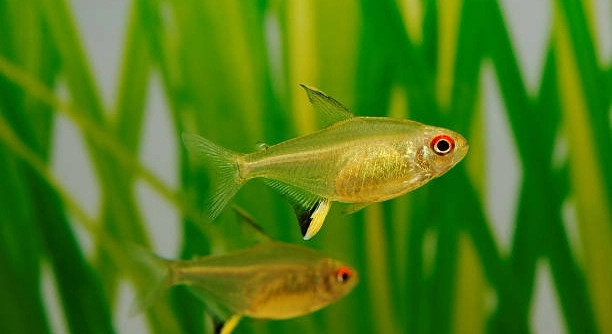
Lemon tetras are small, vibrant fish that bring life to any aquarium. Moving them can feel tricky, especially if you want to keep them healthy and stress-free. Proper care during transfer is essential for their well-being.
The best way to move lemon tetras is by using a clean, temperature-controlled container filled with water from their current tank. Minimizing stress, gradual acclimation, and avoiding sudden changes in temperature or water chemistry ensures a safe and healthy transition.
Knowing the right steps will help your lemon tetras adjust smoothly to their new environment without unnecessary stress or health risks.
Preparing for the Move
Before moving lemon tetras, it is important to set up their new environment carefully. Make sure the tank is clean, filtered, and at the same temperature as their current tank. Check the water parameters, including pH, hardness, and ammonia levels. Adding plants or hiding spots can reduce stress during the transfer. Prepare a transport container, such as a small bucket or plastic bag, and fill it with water from their original tank to maintain consistency. Avoid overcrowding by moving only a few fish at a time. Handle them gently, never using your hands directly if possible. Moving them during the daytime is better, as they are more active and adaptable. Slowly acclimating them to the new environment ensures they adjust without shock. Observing their behavior during the transfer helps identify any immediate issues like lethargy or stress responses. Taking these steps makes the move smoother and safer for your fish.
Careful preparation reduces stress and helps lemon tetras adapt quickly. Their health is supported when water conditions are stable.
Setting up the new tank properly is more than just filling it with water. It requires checking temperature, pH, and ammonia levels to avoid any sudden shock. Adding plants or hiding spaces helps them feel secure. Using water from their old tank keeps the environment familiar. Moving them slowly, a few at a time, allows each fish to adjust. Observing them carefully during transfer ensures they are not stressed. By taking these precautions, lemon tetras are less likely to experience health problems or behavioral issues. The process may feel slow, but it significantly increases the chance they thrive in their new home. A smooth transition depends on careful planning and gentle handling, which ultimately keeps the fish calm and healthy.
Transporting the Fish
Use a secure container with proper aeration for moving lemon tetras. Limit movement to prevent injury during transport.
During transport, keep the container in a shaded, stable area to prevent temperature swings. Avoid shaking or sudden movements. If using a bag, fill it only halfway to allow oxygen exchange. Check the fish periodically to ensure they are swimming normally and not overly stressed. Transporting small groups rather than the entire school reduces risk. Once at the new tank, float the container in the water to allow gradual temperature adjustment. Slowly add small amounts of the new tank water into the container over 20–30 minutes to acclimate them. After acclimation, gently release them into the new tank. Using this method minimizes shock, reduces stress, and helps lemon tetras settle in quickly. Handling them carefully at every step ensures a safe move, and your fish are more likely to stay healthy and active.
Acclimating to the New Tank
Start by floating the transport container in the new tank for 15–20 minutes. This helps equalize the temperature and reduces stress. Gradually add small amounts of tank water into the container every five minutes.
Slow acclimation allows lemon tetras to adjust to differences in water chemistry without shock. Temperature, pH, and hardness can vary even slightly, which may stress the fish. Adding new tank water in small increments helps their bodies adapt gradually. During this time, watch for signs of stress such as rapid gill movement or erratic swimming. Keep the lighting dim to reduce anxiety. Avoid feeding immediately after the move, as digestion can add extra strain.
Once they show normal swimming behavior, gently release them into the tank. Pour the fish and water slowly using a net if necessary. Avoid dumping all water at once, which can overwhelm them. Keep the environment calm and limit sudden movements. After release, observe interactions with other fish and ensure they find hiding spots. Providing consistent conditions during the first hours is crucial for their confidence and long-term health.
Monitoring Health Post-Move
Check fish daily for unusual behavior or signs of illness. Keep a close eye on appetite and swimming patterns.
Stress from moving can weaken the immune system. Watch for signs like clamped fins, pale color, or hiding more than usual. Monitor water quality closely, testing ammonia, nitrites, and nitrates. Maintaining a stable environment supports recovery and reduces the chance of infection. Offer small, nutritious meals once they are active, avoiding overfeeding. Observe interactions with other tank inhabitants to ensure no aggression occurs. Consistent lighting, filtration, and gentle care help lemon tetras settle comfortably and recover from the move quickly.
Choosing the Right Equipment
Use a sturdy, clean container for transport to prevent leaks or spills. Make sure it is large enough for the number of lemon tetras being moved.
A lid or cover is important to prevent jumping, and gentle aeration keeps oxygen levels stable. Avoid overcrowding to reduce stress and injury during transit.
Maintaining Water Quality
Test water frequently to ensure ammonia, nitrites, and nitrates remain within safe levels. Regular water changes help maintain stability. A stable environment prevents illness and supports the fish’s recovery.
Feeding After the Move
Wait a few hours before feeding to let lemon tetras adjust. Offer small portions of their usual food.
Minimizing Stress
Keep lighting dim and avoid sudden movements around the tank during the first day. This helps fish settle in calmly.
FAQ
How long can lemon tetras stay in a transport container?
Lemon tetras can safely stay in a transport container for a few hours if the water is kept stable and aerated. Make sure the container is clean, not overcrowded, and shaded from direct sunlight. Avoid keeping them in the container for longer than necessary to reduce stress and the risk of oxygen depletion.
Can I move all my lemon tetras at once?
It’s better to move small groups rather than the entire school. Overcrowding increases stress, raises ammonia levels, and can lead to injuries. Moving them in batches allows better monitoring of each fish and reduces the risk of shock or illness.
Should I feed lemon tetras before moving them?
Avoid feeding immediately before transport. Digestion can cause waste buildup in the container, which impacts water quality. Feed them a few hours prior if needed, but stop feeding right before the move. After acclimation in the new tank, offer small portions of their usual food.
Is it necessary to use water from their old tank?
Yes, using water from their original tank helps maintain familiar water chemistry, reducing stress and preventing shock. Even slight differences in pH, hardness, or temperature can affect sensitive fish like lemon tetras. Mixing old tank water with new tank water during acclimation ensures a smoother transition.
How do I acclimate lemon tetras to a new tank?
Float the transport container in the new tank for 15–20 minutes to equalize temperature. Slowly add small amounts of tank water into the container every few minutes. Observe the fish for signs of stress. Only release them when they appear active and swimming normally. This gradual approach minimizes the risk of shock.
What signs of stress should I watch for?
Signs include clamped fins, rapid gill movement, pale color, erratic swimming, or hiding more than usual. Stress can weaken the immune system and make them prone to illness. Keep the tank environment calm, lighting dim, and avoid sudden movements around the fish.
Can lemon tetras handle temperature changes during transport?
Sudden temperature changes can be harmful. Keep the transport container at the same temperature as the new tank. Use a thermometer to monitor and avoid extreme differences. If necessary, float the container in the new tank to slowly equalize the temperature before releasing the fish.
How long before lemon tetras resume normal behavior?
Most lemon tetras adjust within a few hours to a day. Watch for normal swimming, exploration, and interaction with other fish. Appetite usually returns after a few hours, so offer small meals and continue monitoring water quality to support their recovery.
Do I need to separate lemon tetras from other fish temporarily?
Separating them is not always required, but if the new tank has aggressive or territorial fish, temporary separation helps reduce stress. Providing hiding spots ensures they can retreat if threatened, which encourages calm adjustment.
How often should I check water quality after the move?
Check water parameters daily for at least the first week. Monitor ammonia, nitrites, nitrates, and temperature. Small fluctuations can stress newly moved fish. Consistent testing allows quick corrective action and ensures lemon tetras stay healthy during the critical adjustment period.
Can I use plastic bags for short transports?
Yes, small plastic bags work well for short moves. Fill only halfway, tie securely, and keep them shaded. Ensure there is some air at the top for oxygen exchange. Avoid shaking or jostling to reduce stress.
What is the best way to release lemon tetras into the new tank?
Use a net or gently pour the container’s water and fish slowly into the tank. Avoid dumping all at once. This gradual method helps them adjust without panic. Once released, minimize disturbances and dim the lighting for a calm first few hours.
How do I prevent disease after moving lemon tetras?
Maintain stable water parameters, avoid overfeeding, and monitor behavior closely. Stress increases susceptibility to disease, so a calm, consistent environment with proper filtration and hiding spots reduces risks. Quarantining new additions can also prevent spreading illness.
Can lemon tetras survive long moves in cool weather?
Cool weather can reduce water temperature during transport, which may stress the fish. Keep the container insulated, avoid exposure to cold drafts, and monitor temperature. Gradual acclimation once in the new tank prevents shock from temperature differences.
Is it necessary to aerate the water during transport?
Yes, aeration helps maintain oxygen levels, especially if transporting for more than an hour. A battery-operated air stone or gentle surface agitation works well. Lack of oxygen can quickly stress or harm small fish like lemon tetras.
How do I handle lemon tetras safely?
Minimize direct handling. Use a net or container when moving them. Avoid squeezing or touching their bodies, which can remove protective slime and increase vulnerability to disease. Gentle, calm movements reduce stress and injury during the transfer.
What should I do if a fish shows stress after the move?
Keep water calm, lighting dim, and ensure hiding spots are available. Monitor water quality and temperature. Offer small meals only once they start swimming normally. Most stress signs resolve within a day if conditions are stable, but persistent issues may require further observation or consultation with an aquarist.
Can lemon tetras tolerate partial water changes during acclimation?
Yes, small incremental additions of new tank water are helpful. Add water gradually over 20–30 minutes to adjust them to differences in pH, hardness, and other parameters. Avoid large changes all at once, as it may shock the fish.
How can I make future moves easier for lemon tetras?
Keep a transport kit ready with a clean container, thermometer, and aeration option. Regularly monitor water parameters in both tanks. Using familiar water, moving small groups, and following acclimation steps each time reduces stress and ensures safe transitions.
This FAQ provides guidance on safe handling, transport, and care to ensure lemon tetras adjust smoothly and stay healthy after moving. Proper steps, observation, and patience are key to their well-being.
Final Thoughts
Moving lemon tetras can feel challenging at first, but with careful planning, it becomes a manageable task. These small fish are sensitive to changes in their environment, so taking steps to reduce stress is very important. Preparing the new tank with the right water parameters, adding plants or hiding spots, and using clean equipment can make the process much smoother. Ensuring that the temperature, pH, and water hardness closely match their original tank helps prevent shock. Even small differences can stress lemon tetras, which can affect their behavior, appetite, and overall health. Using water from the original tank during acclimation is an effective way to keep conditions familiar and reduce stress. Moving them in small groups also lowers the risk of overcrowding and injuries, giving each fish a better chance to adjust comfortably.
The actual transport should be done with care and attention. A sturdy container or bag, partially filled with water and some air, is ideal. Gentle aeration helps maintain oxygen levels, which is important if the move takes more than an hour. Keeping the container shaded and stable prevents sudden temperature changes and reduces stress. During the move, avoid jostling or shaking the container, as lemon tetras are delicate and can be easily injured. Once at the new tank, floating the container for a short time allows the temperature to equalize. Slowly adding small amounts of water from the new tank into the container helps them acclimate to water chemistry differences. Only after they appear active and show normal swimming behavior should they be gently released. A careful, step-by-step approach during both transport and acclimation ensures the fish remain healthy and less stressed.
After the move, monitoring the fish closely is crucial. Watch for normal swimming behavior, appetite, and interaction with other tank mates. Stress can make fish more vulnerable to illness, so keeping water quality stable and maintaining a calm environment is important. Feeding small portions of their regular food helps them regain energy without overloading the system. Keeping lighting dim and minimizing sudden movements around the tank during the first hours also supports a smoother adjustment. Lemon tetras are resilient when handled properly, and taking these steps increases their chances of thriving in a new environment. With patience and consistent care, the move can be a positive experience, ensuring the health, comfort, and happiness of your fish for weeks and months to come.

Hello,
If you enjoy the content that we create, please consider saying a "Thank You!" by leaving a tip.
Every little bit helps us continue crafting quality advice that supports the health, happiness, and well-being of pets around the world, for pets of all shapes, sizes, and species.
We really appreciate the kindness and support that you show us!