
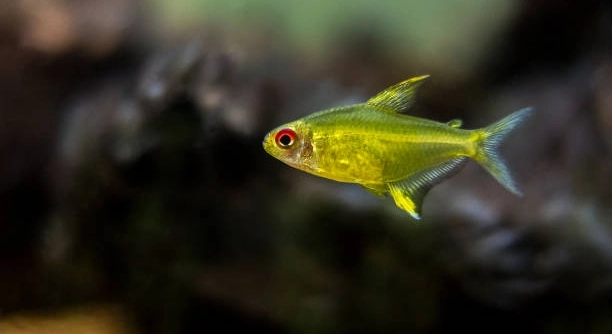
Lemon tetras are small, peaceful fish that brighten up any community tank. Their shimmering yellow bodies bring a lively touch, and many aquarists wonder which companions will coexist harmoniously without causing stress or aggression.
Lemon tetras thrive with other small, non-aggressive species that share similar water parameters and swimming habits. Suitable tank mates include neon tetras, harlequin rasboras, corydoras catfish, ottos, guppies, danios, and dwarf gouramis, providing a balanced and peaceful community environment.
Knowing which fish will coexist peacefully ensures your tank remains calm and healthy, creating a harmonious aquatic space for all inhabitants.
Neon Tetras
Neon tetras are a natural choice for a lemon tetra tank. Their small size and peaceful temperament make them compatible without creating stress. Both species enjoy swimming in schools, which helps reduce aggression and encourages natural behavior. Their bright colors complement each other, making the tank visually appealing. Maintaining similar water conditions, such as temperature between 72-78°F and a slightly acidic pH, ensures both species thrive. They both prefer planted tanks with open swimming areas, giving them space to explore without feeling confined. Feeding is straightforward, as both enjoy flake food, micro pellets, and occasional live or frozen treats like daphnia or brine shrimp. Observing their interaction reveals calm schooling patterns, with lemon tetras often blending smoothly alongside the neon tetras. Proper filtration and regular water changes are essential to keep both species healthy, preventing stress and maintaining their vibrant colors. Overcrowding should be avoided to allow adequate swimming space for each fish.
Neon tetras are ideal tank mates due to their similar size, temperament, and water requirements, creating a calm and balanced environment for lemon tetras.
These fish are easy to care for and exhibit synchronized schooling behavior, which adds a dynamic yet peaceful element to the tank. Their activity complements lemon tetras, and their low-maintenance feeding and care routines make them practical companions. Maintaining proper tank conditions and avoiding aggressive species ensures a stable, visually appealing community. Observing these interactions daily can be rewarding, as both species show natural, unforced behavior while enhancing each other’s presence in the aquarium. Their small size allows flexibility in tank design, whether using plants, driftwood, or open swimming areas. Regular monitoring of water quality ensures they remain healthy, and the pairing encourages a lively but non-stressful environment.
Harlequin Rasboras
Harlequin rasboras are peaceful fish that thrive in similar water conditions as lemon tetras, including temperatures around 72-78°F and slightly acidic pH. Their calm nature makes them compatible in a community tank.
Harlequin rasboras adapt well to schooling, which reduces stress and encourages natural behavior patterns in lemon tetras.
They are hardy, low-maintenance fish that enjoy planted tanks with open swimming areas. Their reddish-orange bodies with black triangular markings provide a striking contrast to lemon tetras, creating visual interest without provoking aggression. Feeding is simple, with both species accepting flake foods, micro pellets, and occasional live or frozen treats. Keeping them in groups of six or more promotes confidence and reduces timid behavior. Water quality is important, so regular filtration and partial water changes help maintain their health. Observing their interaction reveals peaceful coexistence, with both species engaging in schooling and exploring the tank together. This pairing minimizes territorial disputes and creates a harmonious environment. By planning tank layout carefully, including hiding spots and gentle currents, both harlequin rasboras and lemon tetras flourish.
Corydoras Catfish
Corydoras catfish are peaceful bottom dwellers that complement lemon tetras well. They occupy a different tank level, reducing competition while keeping the aquarium lively. They thrive in groups, helping them feel secure and encouraging natural foraging behavior.
Corydoras are hardy and easy to care for, requiring soft, slightly acidic to neutral water. They spend most of their time scavenging the substrate for leftover food, which helps maintain cleanliness. Lemon tetras swim mid-level, so the two species rarely interfere with each other. Corydoras enjoy hiding spots such as plants or driftwood, which gives them security. Feeding includes sinking pellets, frozen foods, and occasional live treats. Keeping at least four corydoras together encourages social interaction and reduces stress.
Observing them reveals interesting behavior as they glide along the substrate in synchronized movements. Their gentle nature and active schooling create balance in the tank. Lemon tetras’ bright yellow coloring contrasts nicely with the corydoras’ muted tones, creating a visually pleasing display. Corydoras are non-aggressive and rarely disturb other fish, making them ideal companions. Regular monitoring of water parameters keeps them healthy, and their calm presence complements active mid-level swimmers, maintaining harmony throughout the aquarium.
Otocinclus Catfish
Otocinclus catfish are small, peaceful algae eaters that help maintain a clean tank. They occupy lower levels and rarely compete with lemon tetras for space or food.
They thrive in groups of five or more and prefer stable water conditions with gentle currents. Their small size makes them non-threatening, and their constant grazing helps control algae growth. Providing plants and hiding areas ensures they feel secure while encouraging natural behavior. Feeding can be supplemented with algae wafers or blanched vegetables if needed. Lemon tetras benefit from their presence because the otocinclus keep surfaces clean, reducing potential water quality issues.
Otocinclus are highly social and exhibit calm, coordinated movements in a group. Their activity provides a subtle, continuous energy at the bottom of the tank while lemon tetras swim above, keeping the environment dynamic but peaceful. Careful attention to water quality and stable temperatures ensures their health. They integrate seamlessly without disrupting the tank’s balance, making them low-maintenance, compatible companions. Watching their gentle foraging behavior adds interest without stress, supporting a healthy, harmonious community.
Guppies
Guppies are colorful, active fish that swim at similar levels as lemon tetras. They are peaceful and adapt well to community tanks, making them reliable companions.
Their small size and calm nature ensure minimal stress for lemon tetras. Guppies enjoy similar water conditions and schooling behavior, enhancing tank harmony.
Zebra Danios
Zebra danios are hardy, fast-moving fish that thrive in a variety of water conditions. Their energetic swimming complements lemon tetras without causing aggression, making them suitable tank mates. They enjoy open swimming areas and schooling in groups, which promotes social interaction and reduces stress.
Dwarf Gouramis
Dwarf gouramis are calm, mid-level swimmers that blend well with lemon tetras. Their vibrant colors enhance the tank’s visual appeal, and their peaceful temperament ensures minimal conflict with other small fish.
FAQ
What water conditions do lemon tetras prefer?
Lemon tetras thrive in slightly acidic to neutral water, with a pH between 6.0 and 7.0. They prefer temperatures ranging from 72°F to 78°F. Maintaining stable water conditions helps reduce stress, keep colors vibrant, and encourage natural schooling behavior. Regular partial water changes and proper filtration are essential to maintain quality. Avoid sudden changes in temperature or pH, as this can affect their health and increase susceptibility to disease. Soft water with low mineral content is ideal, though they can adapt moderately if gradual adjustments are made.
How many lemon tetras should be kept together?
Lemon tetras are schooling fish, so they should be kept in groups of at least six. Smaller groups can lead to stress, shyness, or aggression. Larger groups create more natural behavior, such as synchronized swimming, and enhance tank aesthetics. A well-sized group reduces bullying and encourages confidence among timid individuals. When choosing a tank size, consider that each fish needs space to swim freely, so a minimum of 20 gallons is recommended for a small school. Overcrowding should be avoided to prevent water quality issues and aggression.
Can lemon tetras live with other fish?
Yes, lemon tetras are peaceful and can coexist with other small, non-aggressive fish. Ideal tank mates include neon tetras, harlequin rasboras, corydoras, otocinclus, guppies, danios, and dwarf gouramis. Avoid large or aggressive species that may stress or injure them. Compatibility is determined by temperament, size, and water requirement matching. Observation is important during the initial introduction to ensure peaceful coexistence. Providing plants, hiding spots, and open swimming areas helps minimize potential conflict. Stress-free cohabitation results in active, healthy fish and a visually balanced aquarium.
What should lemon tetras be fed?
Lemon tetras are omnivores and enjoy a varied diet. Flake foods, micro pellets, and frozen or live treats like daphnia or brine shrimp provide balanced nutrition. Feeding small amounts multiple times a day prevents overfeeding and maintains water quality. Vegetables or plant-based foods can be included occasionally to ensure dietary variety. Avoid large food that sinks too quickly, as it may not be eaten and can pollute the tank. Observing feeding behavior helps adjust portions and ensures all fish receive enough food without leftover debris.
How can I prevent stress in lemon tetras?
Stress in lemon tetras can be reduced by maintaining stable water conditions, providing hiding spots, and keeping them in adequate group sizes. Avoid sudden changes in temperature, lighting, or tank decorations. Peaceful tank mates and open swimming areas help minimize aggression and fear. Overcrowding, incompatible species, or poor water quality are major stress factors. Regular monitoring of health and behavior allows early detection of issues. Providing a calm, predictable environment encourages natural schooling, bright coloration, and active swimming behavior.
Do lemon tetras breed easily in home aquariums?
Lemon tetras can breed in home aquariums if conditions are ideal. They require slightly acidic, soft water and a temperature around 75°F to 78°F. A separate breeding tank with plants or spawning mops gives eggs protection. Adults may eat their eggs, so removal after spawning is often necessary. Feeding high-quality live or frozen foods before breeding encourages readiness. Observing courtship involves males displaying bright colors and chasing females. Eggs typically hatch within 24–36 hours, and fry become free-swimming after four to five days. Proper care of fry ensures healthy development into adult tetras.
How often should I clean the tank with lemon tetras?
Partial water changes of 20–30% every week help maintain optimal conditions. Cleaning substrate, decorations, and filter media prevents debris buildup without disturbing beneficial bacteria. Avoid full tank cleanings, which can stress fish and disrupt the ecosystem. Monitoring water parameters regularly ensures ammonia, nitrite, and nitrate levels stay safe. A clean tank supports active schooling behavior and vibrant coloration, reduces disease risk, and creates a healthy environment for all tank mates. Regular observation of fish behavior helps determine if adjustments in cleaning or maintenance are needed.
What signs indicate a lemon tetra is sick?
Signs of illness include faded coloration, clamped fins, erratic swimming, loss of appetite, or white spots on the body. Stress, poor water quality, or aggressive tank mates can trigger sickness. Early detection allows prompt treatment with appropriate medication or isolation. Quarantining new fish before introduction reduces disease risk. Maintaining stable conditions, proper nutrition, and compatible tank mates helps prevent common diseases and keeps lemon tetras healthy. Observing social interactions and activity levels can also indicate overall well-being, allowing proactive care.
Lemon tetras are small, peaceful fish that bring color and movement to any community aquarium. Their bright yellow bodies and active schooling behavior create a calm, balanced environment when paired with compatible tank mates. Choosing fish that share similar water requirements and temperament is essential to maintain harmony. Species such as neon tetras, harlequin rasboras, corydoras catfish, otocinclus, guppies, danios, and dwarf gouramis all coexist well with lemon tetras. By keeping them in adequate group sizes, their natural behavior is encouraged, reducing stress and promoting health. Observing how they interact in a well-planned tank can be rewarding, as their peaceful schooling and subtle movements add dynamic interest without conflict. Attention to tank layout, including plants and hiding areas, ensures each species has space to swim and feel secure.
Water quality and stability are crucial for lemon tetras and their companions. Slightly acidic to neutral water, consistent temperature, and regular partial water changes help prevent stress and illness. Filtration should be sufficient to maintain clean water while avoiding strong currents that may disrupt their swimming patterns. Feeding a varied diet of flake foods, micro pellets, and occasional live or frozen treats ensures proper nutrition and healthy growth. Bottom dwellers like corydoras and otocinclus complement this routine by consuming leftover food, helping maintain cleanliness. Overcrowding should be avoided, as it increases stress and may trigger aggression. Monitoring behavior and health daily allows for early intervention if problems arise. Stable conditions, proper diet, and careful selection of compatible species all contribute to a harmonious and visually pleasing aquarium environment.
Creating a successful lemon tetra community requires planning and attention, but the results are worthwhile. Their peaceful nature and bright coloration make them ideal for community tanks with other small, non-aggressive fish. Pairing them with species that occupy different tank levels, such as bottom-dwelling corydoras or otocinclus, adds balance and reduces competition. Open swimming areas combined with plants and hiding spots create a natural and comfortable environment. Observing the interactions between lemon tetras and their companions can be both relaxing and informative, revealing natural schooling, foraging, and social behaviors. By maintaining proper water conditions, providing a balanced diet, and selecting compatible species, a vibrant and stable tank can be achieved. The combination of calm behavior, bright colors, and active movement makes lemon tetras a satisfying choice for any community aquarium, creating an environment that is both visually appealing and supportive of long-term health.

Hello,
If you enjoy the content that we create, please consider saying a "Thank You!" by leaving a tip.
Every little bit helps us continue crafting quality advice that supports the health, happiness, and well-being of pets around the world, for pets of all shapes, sizes, and species.
We really appreciate the kindness and support that you show us!