
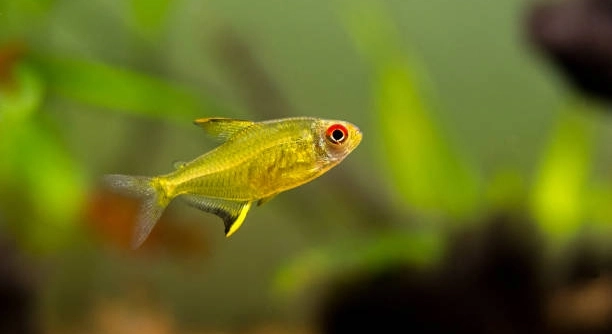
Are your lemon tetras swimming in solitude, or do they share their tank with lively companions? These small, bright fish are often admired for their vibrant yellow hue and gentle schooling behavior in home aquariums.
Lemon tetras display increased activity when tankmates are present, as social interaction stimulates swimming patterns and encourages natural schooling behavior. Observational studies indicate that these fish exhibit more dynamic movement and higher responsiveness in communal environments.
Understanding how tankmates influence their activity can improve care routines, enhance tank harmony, and promote healthier, more active fish. These insights are essential for creating a balanced aquatic environment.
Social Behavior of Lemon Tetras
Lemon tetras are naturally schooling fish that thrive in groups. When kept alone, they may appear timid and move sluggishly, often hiding behind plants or decorations. In contrast, a tank with multiple tetras encourages swimming in synchrony and exploration of the entire aquarium. Their bright coloration becomes more pronounced when they are active and interacting with others. Observing them together reveals subtle communication, such as fin flicks and coordinated turns. These interactions reduce stress and promote a sense of security. A solitary lemon tetra may spend long periods near the bottom or corners of the tank, showing limited interest in its environment. Group settings allow for natural behaviors like darting, foraging, and gentle chasing, which help maintain both physical health and mental stimulation. Proper tankmates, like small, peaceful fish, further enhance activity without causing aggression. Ensuring enough space and hiding spots supports a harmonious environment where the tetras can thrive collectively.
Social interaction is key for their well-being and keeps them active throughout the day.
Active schooling not only benefits their mental state but also encourages healthy exercise. Fish that swim together consistently exhibit better muscle tone and more vibrant coloration. A well-structured aquarium with plants, open swimming areas, and gentle water flow allows tetras to display full range of behaviors. Observing them, you notice how they respond to movement, light, and feeding times, which becomes more dynamic with companions nearby. Choosing compatible tankmates and avoiding overcrowding ensures that activity levels remain high without introducing stress. Small communities of lemon tetras demonstrate natural patterns that would otherwise be absent in solitary fish, improving their overall vitality and enhancing the aesthetic of the tank.
Ideal Tankmates and Environment
Tankmates should be peaceful, similar in size, and able to coexist without competition.
Introducing compatible species like rasboras, small tetras, or Corydoras catfish can create a lively yet balanced aquarium. Avoid aggressive or significantly larger fish, as they may intimidate lemon tetras, reducing activity and increasing stress. The tank should offer ample swimming space with mid-level and lower-level hiding spots. Plants, driftwood, and smooth rocks provide security while still allowing open areas for movement. Water quality is equally important, as stable temperature, pH, and filtration prevent lethargy. Observing interactions helps identify any signs of stress or territorial disputes, allowing adjustments before issues escalate. A well-planned environment ensures that lemon tetras maintain their natural behavior patterns, exhibit vibrant coloration, and stay healthy. Over time, you’ll notice the difference in energy levels, swimming patterns, and overall engagement of the fish. By prioritizing group dynamics and thoughtful tank design, lemon tetras can thrive in a way that mirrors their natural behavior in the wild.
Activity Patterns With Tankmates
Lemon tetras move more energetically when they have companions. They dart, weave, and follow each other across the tank, showing patterns that are mostly absent when they are alone. Their natural curiosity and playful movement increase noticeably in group settings.
Observing them in a group, you can see coordinated swimming that reduces stress and encourages interaction with the environment. The fish respond to one another’s movements, creating a fluid motion throughout the tank. Grouped tetras explore hiding spots, open swimming areas, and plants more confidently, which contributes to their overall well-being. Activity is also influenced by feeding times, as they compete lightly for food, further stimulating movement. Tanks with adequate space and compatible companions allow these behaviors to flourish naturally.
Being active with tankmates strengthens muscle tone and improves stamina. The fish also display more vivid colors during these periods, indicating good health. Individual tetras that remain isolated often appear duller and less responsive. Group dynamics encourage consistent exercise, promoting digestive health and reducing the risk of obesity or lethargy-related illness. Monitoring how the fish interact ensures that activity remains balanced and that all members of the group benefit from social stimulation.
Feeding Behavior in Groups
Lemon tetras eat more eagerly when others are nearby, often darting quickly to capture flakes or small pellets.
In a communal tank, feeding becomes a dynamic event. Fish respond to each other’s movements, sometimes following or racing to reach food first. This interaction encourages quicker, more active swimming, which enhances digestion and promotes physical health. Feeding in groups can also reduce boredom and create a natural foraging pattern that keeps them mentally stimulated. It is important to distribute food evenly to ensure all tetras get enough without creating territorial disputes. Over time, observing these behaviors helps refine feeding routines for optimal nutrition and activity levels.
Signs of Increased Activity
When lemon tetras are more active with tankmates, they swim in synchronized patterns, explore the tank freely, and show quick responses to movements around them. Their fins are spread, and they often interact gently, chasing or following each other without aggression.
You may also notice brighter coloration and alert behavior. Active fish respond promptly to feeding and investigate new decorations or plants. Reduced hiding and more mid-tank swimming indicate comfort and stimulation from the presence of companions.
Impact of Tank Size
A larger tank allows lemon tetras to swim freely and display natural schooling behavior. Constrained spaces can reduce activity even in groups, limiting interaction and exploration. Providing adequate swimming space and vertical layers supports consistent movement and encourages natural behaviors that improve health and vitality.
Compatible Tankmates
Small, peaceful fish like other tetras, rasboras, or Corydoras catfish coexist well with lemon tetras. Avoid larger or aggressive species that can intimidate them or disrupt schooling patterns.
FAQ
How many lemon tetras should be kept together?
Lemon tetras are schooling fish and feel most secure in groups of at least six. Smaller groups can lead to stress, hiding behavior, and reduced activity. Keeping six or more encourages natural swimming patterns, social interaction, and balanced behavior, improving both physical health and mental stimulation.
Do lemon tetras get along with other fish?
Yes, but compatibility depends on the species. Peaceful, small fish such as rasboras, other tetras, and Corydoras catfish coexist well. Aggressive or significantly larger fish can intimidate lemon tetras, reduce activity, and even cause injuries. Proper selection ensures a harmonious tank environment.
Will lemon tetras be active without tankmates?
They can survive alone but often become timid, hiding more and swimming less. Their activity and coloration usually decrease when isolated. Social stimulation from tankmates encourages swimming, interaction, and overall vitality, making groups the ideal choice for keeping them lively.
How does tank size affect their activity?
A spacious tank allows tetras to school, explore, and exercise naturally. Small tanks restrict movement, reduce interaction, and can increase stress. For a group of six or more, a minimum of 20 gallons is recommended. Open swimming areas, plants, and decorations balance safety and space.
What types of tankmates should be avoided?
Avoid large, aggressive, or territorial fish. These can intimidate tetras, leading to hiding, reduced activity, and stress-related illness. Fish that nip fins or compete aggressively for food are also unsuitable. Stick to small, peaceful species to maintain harmony and promote active behavior.
Do lemon tetras show different behavior during feeding?
Yes, feeding in groups encourages dynamic movement. They often dart quickly to food, follow each other, and compete lightly, which stimulates swimming and mental engagement. Solitary fish may eat slowly, hide more, or show less interest, highlighting the benefits of communal feeding.
How can I tell if my tetras are stressed?
Signs of stress include hiding constantly, sluggish swimming, faded coloration, and loss of appetite. Stress can occur from isolation, incompatible tankmates, or poor water conditions. Addressing these issues by adjusting the group size, choosing compatible species, and maintaining water quality can restore normal activity.
Do tank decorations influence activity?
Yes, decorations like plants, driftwood, and smooth rocks provide hiding spots and exploration opportunities. They reduce stress while still allowing open swimming areas. Overcrowded tanks with too many obstacles can limit movement, while bare tanks may leave fish feeling insecure, reducing natural behaviors.
How often should I observe their activity?
Regular observation helps monitor health and social behavior. Daily checks reveal swimming patterns, interactions, and feeding behavior. Noticing changes early allows for adjustments to tankmates, feeding routines, or environment, ensuring lemon tetras remain active, healthy, and stress-free.
Can water conditions affect their social behavior?
Yes, stable water temperature, pH, and cleanliness are crucial. Poor water quality can make tetras lethargic, hide more, and interact less. Maintaining proper filtration, regular water changes, and monitoring parameters supports active swimming and natural schooling behavior.
Is it necessary to separate lemon tetras for breeding?
Yes, breeding often requires a separate tank to protect eggs and fry. Adult tetras may eat the eggs if left together. A dedicated breeding setup allows controlled feeding, optimal water conditions, and observation of young fish, while keeping the main group undisturbed.
How can I encourage activity in a shy tetra?
Adding compatible tankmates, providing hiding spots, and ensuring stable water conditions can help. Gentle lighting, slow water flow, and evenly distributed food also encourage exploration. Over time, shy fish often gain confidence and join group activity, displaying normal behavior patterns.
Do tetras have different activity levels at night?
They are generally less active at night but still move around. Dim lighting or moonlight can encourage gentle swimming. Sudden bright lights may startle them, causing stress or hiding. Maintaining a natural light cycle supports regular day-night activity and overall health.
Can lemon tetras get bored?
Yes, minimal stimulation can lead to reduced activity. Lack of companions, decorations, or environmental variation may cause lethargy. Introducing a few compatible fish, rearranging plants, or providing enrichment like floating objects encourages exploration, schooling, and playful behavior, keeping them engaged and active.
Does feeding frequency impact activity?
Yes, feeding once or twice daily keeps tetras alert and encourages swimming. Irregular feeding can reduce movement and foraging behavior. Small, evenly distributed portions prevent competition and overfeeding while maintaining consistent activity levels and supporting healthy metabolism.
Are there signs of dominance in a group?
Lemon tetras are generally peaceful, but subtle hierarchy can appear. Some may swim ahead during feeding or lead schooling turns. These behaviors rarely cause harm but indicate social structure. Observing these interactions helps ensure all fish have access to food and space without stress.
How do water temperature changes affect behavior?
Sudden drops or rises in temperature can reduce activity, cause hiding, or stress fish. Lemon tetras thrive in stable temperatures around 72–78°F. Gradual changes and consistent monitoring help maintain normal swimming patterns and social interactions within the group.
Is it necessary to provide plants for activity?
Plants offer security, exploration, and resting areas. They encourage natural movement and reduce stress-related inactivity. While not strictly required, planted tanks generally result in more confident, active, and healthy tetras compared to bare tanks.
How long does it take for tetras to adjust to new tankmates?
Adjustment typically takes a few days to a week. Initial cautious behavior is normal. Observing interactions ensures no aggression or stress occurs. Providing hiding spots and sufficient space accelerates acclimation, helping the group establish normal schooling and active swimming routines.
Do lemon tetras ever swim alone in a group?
Occasionally, a fish may explore separately, but they usually return to the school. Temporary solo swimming is normal and allows individual exploration. Ensuring adequate space and companions encourages frequent rejoining, maintaining group cohesion and overall activity.
What role does lighting play in activity levels?
Moderate, consistent lighting encourages regular swimming and interaction. Bright or fluctuating light can cause hiding and stress, while too dim lighting may reduce alertness and movement. A balanced light schedule supports natural behavior, feeding, and schooling patterns, keeping tetras active and healthy.
Can water current affect their movement?
Yes, gentle currents stimulate swimming and mimic natural habitats. Strong currents may tire or stress them, causing hiding. Observing how tetras respond to flow helps optimize tank conditions, encouraging healthy, active behavior while preventing fatigue or injury.
How can I prevent aggression in a mixed tank?
Choosing peaceful, similar-sized species and providing ample space and hiding spots minimizes conflict. Monitor feeding and territory interactions. Adjusting tank layout and separating aggressive individuals if needed ensures lemon tetras remain active without stress or injury from competition.
Are there behavioral differences between males and females?
Males may display slightly more prominent coloration and subtle chasing behavior during feeding or social interaction. Females are generally calmer but equally active when in a group. Observing both sexes together helps maintain balance and ensures group-wide activity and schooling behavior.
Does overcrowding affect activity?
Overcrowding increases stress, reduces swimming space, and can lead to aggression. It limits exploration and natural schooling. Maintaining a proper fish-to-gallon ratio ensures each tetra has enough room to move freely, interact socially, and remain healthy, active, and comfortable in the tank.
How often should tankmates be monitored?
Daily observation is ideal. Watch for changes in activity, feeding behavior, schooling, and stress signs. Early detection of problems allows quick adjustments, preventing reduced activity, illness, or conflicts. Consistent monitoring ensures a healthy, active, and harmonious environment for lemon tetras.
Can water chemistry changes impact activity quickly?
Yes, sudden pH shifts, ammonia spikes, or hard water changes can make tetras lethargic and hide. Maintaining stable, suitable water parameters prevents rapid activity drops and supports normal schooling, swimming, and feeding behaviors in all group members.
Do tetras have favorite swimming areas?
Yes, they often favor mid-level and open areas for schooling but will explore plants and lower regions for security or resting. Providing variety ensures they remain active, confident, and stimulated while balancing exploration and safety throughout the tank.
How long should lemon tetras be observed for activity assessment?
Observing for at least 30–60 minutes during different times of day captures their full range of behavior. Monitoring both solo and group interactions ensures accurate understanding of activity levels, social behavior, and overall health.
Can introducing new fish temporarily reduce activity?
Yes, new additions may cause temporary caution or hiding. Gradual introduction, proper acclimation, and providing space allow lemon tetras to resume normal swimming and social interaction, restoring group activity levels without prolonged stress or disruption.
What is the ideal schooling number for visibility and activity?
Groups of six to ten tetras allow natural schooling behavior while remaining visually engaging. Fewer than six can reduce activity, while larger numbers need more space to avoid stress. Proper group size ensures active movement and harmonious social behavior throughout the tank.
Do water changes influence activity?
Yes, regular water changes remove waste and maintain stable conditions, encouraging healthy, active swimming. Sudden, large changes may stress fish, while consistent partial changes support normal behavior, feeding, and interaction in both solo and group settings.
How long does it take for tetras to display full activity with tankmates?
Within a few days to a week, most tetras adjust and begin schooling naturally. Observing consistent swimming patterns, interaction, and feeding indicates they have acclimated and reached full activity levels, reflecting a healthy and balanced tank environment.
Does feeding method affect group activity?
Yes, scattered feeding encourages swimming, chasing, and interaction, while concentrated feeding may increase competition or aggression. Evenly distributed portions promote balanced activity, prevent stress, and allow all tetras to participate in dynamic, healthy behaviors.
Are tetras more active during certain seasons?
Seasonal changes can subtly affect behavior, especially if temperature or light cycles fluctuate. Maintaining stable indoor conditions helps sustain consistent activity year-round, preventing lethargy and promoting normal schooling, feeding, and exploratory behaviors.
Can adding enrichment increase activity?
Yes, adding floating objects, new plants, or rearranging decorations encourages exploration, swimming, and playful interactions. Enrichment stimulates mental engagement, reinforces natural behaviors, and helps maintain higher activity levels without causing stress.
Is there a maximum group size for optimal activity?
For standard tanks, ten to twelve tetras is ideal. Larger groups may overcrowd the tank unless space is increased, which can reduce swimming freedom and increase stress. Correct group sizing ensures active, healthy schooling without negative social pressure.
How do tetras respond to sudden movement outside the tank?
They may dart or hide temporarily, especially if startled. Over time, familiar patterns of gentle activity resume. Minimizing sudden disturbances ensures stable, continuous swimming and interaction, maintaining group activity and confidence.
Do tetras show play behavior?
Yes, chasing, weaving through plants, and coordinated turns often resemble playful behavior. This occurs mostly in groups and indicates engagement, energy, and comfort within the tank, contributing to both physical and mental well-being.
Can diet influence activity levels?
Yes, a balanced diet of flakes, small pellets, and occasional live or frozen foods promotes energy and vitality. Malnutrition or inconsistent feeding can cause lethargy, reduced schooling, and diminished response to environmental stimuli. Proper nutrition sustains healthy, active tetras.
How important is water flow for activity?
Moderate flow encourages swimming and simulates natural conditions. Too strong a current can tire fish, while stagnant water reduces exploration. Observing tetras’ response helps adjust filtration and flow to maintain consistent, energetic activity throughout the tank.
Do tetras ever isolate themselves temporarily?
Occasionally, a fish may separate briefly to explore or rest but usually rejoins the group. Temporary isolation is normal and not a concern if the fish remains healthy and resumes regular interaction and swimming afterward.
How can I tell if all tetras are equally active?
Watch for swimming patterns, feeding response, and social interaction. Differences may indicate stress, illness, or hierarchy effects. Ensuring even space, proper nutrition, and compatible companions helps maintain balanced activity among all group members.
Can lighting changes trigger activity spikes?
Gradual increases in light can encourage exploration and swimming, while sudden brightness may cause hiding. A stable light schedule supports regular daily activity, feeding, and schooling, helping lemon tetras remain lively and engaged.
Are male tetras more active than females?
Males may show slightly more movement during social interaction or feeding, but both sexes maintain schooling and group activity. Observing mixed groups ensures both male and female tetras display normal energy levels and social behavior.
Do tetras recognize their tankmates?
Yes, they form loose social recognition within the group, following familiar individuals and coordinating swimming. This familiarity reduces stress, improves schooling efficiency, and increases overall activity compared to newly introduced or isolated fish.
How long can tetras remain active in a day?
Lemon tetras are generally active during daylight hours and rest at night. Consistent light cycles and stable tank conditions allow predictable activity patterns, ensuring fish swim, feed, and interact in a healthy, balanced routine throughout the day.
Does water hardness affect activity?
Moderate water hardness supports normal swimming and behavior. Extremely soft or hard water can cause stress or lethargy. Monitoring and maintaining suitable water parameters helps ensure lemon tetras remain active, alert, and comfortable in their environment.
Are there signs of boredom in tetras?
Lack of interaction, reduced swimming, hiding, or ignoring food may indicate boredom. Introducing companions, enrichment, or rearranging the tank can restore engagement, encourage activity, and promote mental and physical health.
How quickly do tetras adapt to a new tank?
Acclimation usually takes a few days to a week. Gradual introduction, hiding spots, and compatible tankmates speed up adaptation, encouraging active swimming, feeding, and social interaction while minimizing stress.
Does feeding live food increase activity?
Yes, live foods like daphnia or brine shrimp encourage chasing and dynamic movement. This stimulates natural foraging behaviors and group interaction, keeping lemon tetras energetic and mentally engaged.
How often should tankmates be rotated?
Frequent rotation is unnecessary. Stability promotes social recognition and balanced activity. Adding or removing tankmates should be gradual to prevent stress, maintain schooling, and preserve group dynamics.
Can sudden water temperature drops reduce activity immediately?
Yes, sudden temperature changes can make tetras sluggish and hide. Gradual, stable adjustments maintain normal swimming, social interaction, and feeding behavior, ensuring sustained activity and overall well-being.
Do tetras show individual personality differences in activity?
Yes, some fish are naturally more active or exploratory. These differences are normal within a group and do not indicate health problems if all fish are eating, swimming, and interacting appropriately.
How does water clarity influence activity?
Clear, clean water encourages confident swimming and exploration. Murky or dirty water can reduce visibility, causing stress, hiding, and lower activity. Regular maintenance ensures a visually stimulating environment that supports active behavior.
Do tetras respond to human presence?
They may become alert or swim toward movement outside the tank. Gentle, consistent observation encourages interest and activity, while sudden motions may cause temporary hiding or stress.
Can seasonal light variations impact schooling behavior?
Yes, inconsistent light cycles can alter activity and social patterns. Maintaining stable lighting promotes regular movement, feeding, and coordinated swimming among group members.
Are there signs that tankmates are influencing activity positively?
Active, synchronized swimming, frequent mid-tank movement, and playful chasing indicate positive influence. Fish appear confident, engage with each other, and show bright coloration, reflecting a healthy, harmonious group dynamic.
Do tetras prefer certain areas of the tank when in groups?
Groups often occupy mid-level and open swimming areas but use plants and lower regions for resting or hiding. Providing variety ensures stimulation, comfort, and consistent activity throughout the tank environment.
How does water pH affect activity?
Stable pH supports normal swimming, feeding, and social behavior. Sudden changes can cause hiding, sluggish movement, or stress. Maintaining appropriate pH levels ensures active, healthy, and confident tetras.
Is it important to separate sick fish for activity maintenance?
Yes, isolating sick fish prevents stress and maintains normal group activity. Sick individuals may reduce movement, hide, or spread disease. Quarantine allows treatment while keeping the main group active and healthy.
Can rearranging tank decorations boost activity?
Yes, changing plants, rocks, or hiding spots encourages exploration and swimming. Even small adjustments can stimulate curiosity, increase movement, and promote social interaction among lemon tetras.
Do lemon tetras interact differently with new tankmates?
Initially cautious, they may hide or observe from a distance. Over time, they integrate, resume schooling, and display normal activity. Providing space and hiding spots supports a smooth transition.
Does water temperature consistency matter for daily activity?
Yes, stable temperature ensures predictable swimming, feeding, and interaction. Sudden fluctuations can reduce movement, cause hiding, and disrupt social behavior, negatively impacting overall activity.
Are tetras more active during feeding than other times?
Yes, feeding triggers darting, chasing, and coordinated swimming. This natural response encourages exercise, engagement, and mental stimulation. Even distribution of food helps maintain balanced activity without competition or stress.
Do tankmates influence coloration as well as activity?
Yes, active, social fish often display brighter colors. Interaction, schooling, and movement enhance vitality, while solitary or stressed fish may appear duller, reflecting reduced activity and confidence.
How long should new tankmates be observed together?
At least several days to a week. Watch for aggression, hiding, or feeding competition. Ensuring compatibility allows normal activity to resume and promotes a balanced, healthy group dynamic.
Does water hardness influence social swimming?
Moderate hardness supports normal behavior. Extreme softness or hardness can reduce comfort, leading to less schooling, slower swimming, or hiding. Maintaining appropriate hardness encourages active, confident movement in groups.
Can adding plants gradually increase activity?
Yes, new plants provide exploration opportunities and security. Gradual addition prevents stress, stimulates movement, and encourages natural schooling, keeping lemon tetras lively and engaged.
How do tetras react to changes in water chemistry?
Sudden changes can reduce activity, cause hiding, and stress fish. Gradual adjustments and consistent monitoring maintain normal swimming, feeding, and social interaction, preserving overall health and vitality.
Do tetras interact differently in small versus large groups?
Smaller groups may be less active and less confident. Larger, adequately spaced groups exhibit more synchronized swimming, playful chasing, and exploration. Proper group size ensures optimal activity and balanced social behavior.
Can water flow adjustments change activity levels?
Yes, gentle currents encourage swimming
Lemon tetras are naturally social fish that thrive when kept in groups. Observing them with companions clearly shows how much more active they become compared to being alone. In groups, they swim together, explore the tank more freely, and display natural behaviors such as darting, gentle chasing, and coordinated turns. These behaviors are important for their physical and mental health. When kept alone, lemon tetras may hide more, swim less, and appear duller in color. Group interactions encourage movement and engagement, which reduces stress and helps maintain overall well-being. Their activity patterns are not just about entertainment; they are a reflection of a healthy, balanced environment that supports natural instincts and proper development.
Tankmates play a significant role in stimulating activity, but the choice of companions is important. Peaceful, small fish like other tetras, rasboras, or Corydoras catfish generally integrate well with lemon tetras. Aggressive or larger fish can intimidate tetras, causing hiding and reduced swimming. Even within compatible groups, adequate tank size, open swimming areas, and hiding spots are necessary to allow each fish to move freely and explore without stress. Observing interactions among tankmates can help identify any issues early, ensuring that all fish remain active and healthy. The presence of companions encourages feeding behavior, coordinated swimming, and playful interaction, all of which contribute to maintaining a dynamic and engaging tank environment.
Maintaining the right environment is as important as selecting compatible tankmates. Stable water conditions, moderate water flow, proper lighting, and a balanced diet all influence activity levels. A planted tank with varied swimming areas allows lemon tetras to move confidently while having places to rest or hide if needed. Gradual changes in water chemistry, temperature, or tank layout help the fish adapt without becoming stressed. Providing regular observation and consistent care ensures that lemon tetras remain active, healthy, and visually vibrant. By focusing on social interaction, suitable companions, and an appropriate environment, you can support the natural behaviors and energy levels of these lively fish, creating a balanced and thriving aquarium.

Hello,
If you enjoy the content that we create, please consider saying a "Thank You!" by leaving a tip.
Every little bit helps us continue crafting quality advice that supports the health, happiness, and well-being of pets around the world, for pets of all shapes, sizes, and species.
We really appreciate the kindness and support that you show us!