
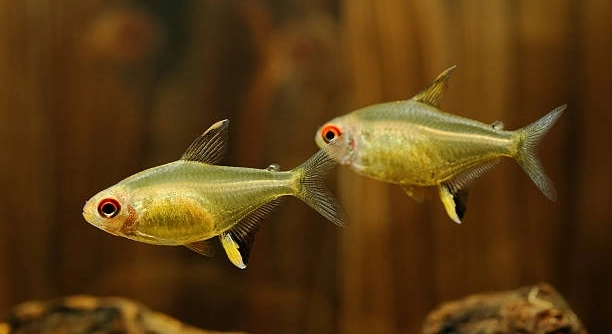
Lemon tetras are small, vibrant fish that bring life to any aquarium. Their playful movements and bright colors make them a favorite among hobbyists, but sometimes their fins appear to tremble, catching owners’ attention unexpectedly.
Lemon tetras sometimes shake their fins due to stress, poor water quality, or minor health issues. This behavior is often a response to environmental changes, overcrowding, or the presence of parasites, which can affect their comfort and overall well-being.
Observing these subtle fin movements can help maintain a healthy aquarium and prevent potential problems from escalating.
Common Causes of Fin Shaking
Fin shaking in lemon tetras can result from several common factors in the aquarium. Water quality is a major concern, as high ammonia, nitrite, or nitrate levels can irritate their delicate fins and gills. Sudden changes in temperature or pH can also cause stress, leading to trembling fins. Overcrowding in the tank often forces these fish into constant movement or defensive postures, which can appear as shaking. Another factor is diet; a lack of essential nutrients can weaken their immune system, making them more susceptible to minor infections that affect fin stability. Even if the water appears clean, buildup of debris or improper filtration can subtly impact their environment. Observing behavior along with regular water testing and maintenance helps identify whether the shaking is an occasional response or a recurring problem. Early intervention ensures the fish remain healthy and reduces long-term stress-related behaviors in the tank.
Keeping a consistent water routine helps reduce fin shaking and promotes calmer behavior among the fish.
Monitoring water parameters, spacing fish appropriately, and maintaining a balanced diet can prevent recurring fin trembling issues. Proper care creates a stable environment, reducing stress triggers. Regular observation allows you to spot early signs of discomfort or minor health concerns. Consistent water testing, gentle handling, and attentive feeding routines help maintain overall fin health and stability. Incorporating slow acclimation when introducing new fish also minimizes stress. These preventive measures collectively support the well-being of lemon tetras.
Stress and Environmental Factors
Stress is a major contributor to fin shaking in lemon tetras.
Stress can stem from multiple environmental factors, such as sudden changes in lighting, loud noises around the aquarium, or rapid water parameter fluctuations. Even routine maintenance performed too aggressively can startle them, causing fin trembling. Overcrowding and incompatible tank mates increase anxiety, forcing the fish to react defensively. Lack of hiding spots and insufficient plants can leave them feeling exposed, amplifying stress responses. Observing their behavior during feeding or after maintenance can reveal triggers that are not immediately obvious. By adjusting tank conditions, adding shelter, and keeping water stable, stress can be minimized. Long-term exposure to stressful environments can weaken the immune system, making fin shaking more persistent and increasing vulnerability to infections. Prioritizing a calm, balanced habitat ensures lemon tetras remain comfortable and reduces unnecessary fin trembling over time, improving their overall health and longevity.
Water Quality and Filtration
Maintaining clean water is essential to prevent fin shaking. Poor filtration, leftover food, and waste buildup can irritate lemon tetras, making their fins tremble. Regular water testing and proper filtration keep them healthy and reduce stress-related behaviors in the tank.
Proper filtration removes debris and harmful chemicals, which can affect fish behavior. Lemon tetras are sensitive to changes in ammonia, nitrite, and nitrate levels. Even small fluctuations can trigger fin shaking as a response to discomfort. Consistent water changes, checking filter performance, and removing uneaten food prevent these issues. A stable environment ensures the fish remain active, calm, and less prone to fin trembling.
Over time, neglecting water quality can lead to chronic stress or infections. When water parameters are unstable, lemon tetras may shake their fins more frequently. Using a reliable filter, monitoring water regularly, and keeping the tank clean creates a healthier, stress-free environment. This approach minimizes fin shaking while supporting their overall growth and vitality.
Diet and Nutrition
A balanced diet is key to healthy fins. Lemon tetras need a variety of high-quality flakes, frozen foods, and occasional live food to thrive and maintain strong fins.
Inadequate nutrition weakens their immune system, making them more prone to fin tremors or infections. Essential vitamins and minerals support fin structure and overall health. Feeding them a mix of protein-rich foods along with plant-based options ensures they get the nutrients needed to remain active and resilient. Avoid overfeeding, as leftover food can degrade water quality and indirectly cause fin shaking.
Supplements or occasional treats can improve fin strength and coloration, reducing trembling over time. Observing feeding behavior also helps identify picky eaters or fish showing signs of stress. By maintaining a consistent feeding routine, lemon tetras receive the nutrition required to prevent fin shaking and promote healthy growth. Proper diet works hand-in-hand with water quality to maintain a calm, thriving aquarium environment.
Tank Size and Space
Lemon tetras need enough space to swim freely. Overcrowded tanks increase stress, causing fins to shake and behaviors to become erratic. Proper stocking density helps maintain calm and healthy fish.
Adding plants and decorations provides hiding spots and reduces stress. Even a small adjustment in layout can make a noticeable difference in their comfort and fin stability.
Temperature Fluctuations
Sudden temperature changes can shock lemon tetras, leading to fin trembling. Consistent water temperature is crucial, ideally between 72°F and 78°F, to prevent stress and maintain healthy behavior. Regular monitoring with a reliable thermometer ensures their environment stays stable.
Signs of Illness
Shaking fins can also indicate illness. Watch for color changes, clamped fins, or lethargy, which may signal infections or parasites. Early detection allows for timely treatment, improving recovery chances and overall tank health.
FAQ
Why do my lemon tetras shake their fins even when the water looks clean?
Even if the water appears clear, chemical levels such as ammonia, nitrite, or nitrate may be slightly elevated. These invisible changes can irritate your fish, causing them to shake their fins. Regular water testing is essential, along with consistent partial water changes to maintain a healthy environment.
Can fin shaking be a sign of stress from tank mates?
Yes, incompatible or aggressive tank mates can stress lemon tetras, making them tremble. Even subtle chasing or territorial behavior can trigger fin shaking. Providing adequate space, hiding spots, and observing interactions can help reduce stress caused by other fish.
Does diet affect fin shaking?
Absolutely. Poor nutrition weakens their immune system and can make fins appear shaky. Feeding a balanced mix of high-quality flakes, frozen foods, and occasional live food strengthens their fins and overall health. Avoid overfeeding to prevent water quality issues, which can indirectly contribute to trembling.
Can water temperature changes cause fin shaking?
Yes. Lemon tetras are sensitive to sudden fluctuations in temperature. A stable temperature range between 72°F and 78°F is ideal. Using a reliable heater and thermometer ensures the water stays consistent, preventing stress-related fin shaking.
How can I tell if fin shaking is due to illness?
Look for other signs like faded colors, clamped fins, loss of appetite, or unusual swimming patterns. Shaking accompanied by these symptoms may indicate parasites, bacterial infections, or other illnesses. Prompt identification allows for early treatment and prevents the problem from worsening.
Is overcrowding a common cause of fin trembling?
Overcrowding increases stress and competition for space and resources, which often results in fin shaking. Make sure the tank is appropriately stocked, allowing lemon tetras enough room to swim freely and display natural behaviors without constant stress.
Do sudden changes in light or noise affect lemon tetras?
Yes, abrupt changes in lighting or loud environmental noises can startle them. This stress response can manifest as fin shaking. Gradual adjustments in light and maintaining a calm environment help reduce stress and support healthier behavior.
Can adding plants and decorations reduce fin shaking?
Providing hiding spots and visual barriers helps lemon tetras feel secure. Plants and decorations create a sense of territory and reduce stress from perceived threats, which in turn can lower the frequency of fin trembling.
How often should I check water parameters to prevent fin shaking?
Ideally, water parameters should be tested at least once a week. Monitoring ammonia, nitrite, nitrate, pH, and temperature helps maintain a stable environment. Early detection of fluctuations prevents stress and keeps fins healthy.
Is it normal for lemon tetras to shake their fins occasionally?
Occasional fin trembling can happen, especially during minor stress or excitement. Short-term shaking is usually not a concern, but persistent or severe trembling indicates a problem that should be addressed through water quality, diet, or health checks.
Can stress from moving or cleaning the tank cause fin shaking?
Yes, handling the tank or performing maintenance too quickly can startle fish, causing temporary fin shaking. Gentle cleaning routines, slow water changes, and minimal disturbance reduce stress and help maintain calm behavior.
Will supplements or vitamins help reduce fin shaking?
Supplements can support fin health and immune function, especially if diet alone is insufficient. Vitamins and minerals strengthen fins, improve coloration, and reduce susceptibility to trembling caused by minor stress or nutritional deficiencies.
Are juvenile lemon tetras more likely to shake their fins?
Juveniles may shake more frequently as they adapt to the tank environment and develop stronger fins. Proper nutrition, stable water conditions, and a calm environment help them grow healthy fins and reduce trembling over time.
Can fin shaking indicate a long-term problem?
Persistent fin shaking often signals ongoing stress, poor water quality, or chronic health issues. Addressing environmental factors, monitoring diet, and checking for disease ensures the problem does not escalate and maintains overall well-being.
Is it okay to ignore occasional fin shaking?
Short-term fin trembling due to minor excitement or movement is normal. However, if it becomes frequent, severe, or accompanied by other signs of illness, it should not be ignored. Investigating water quality, diet, and health is essential to prevent long-term issues.
This FAQ covers the most common questions about lemon tetra fin shaking, providing practical solutions and guidance for a healthier aquarium environment.
Lemon tetras are small, lively fish that bring color and movement to any aquarium. Their fins are delicate, and even slight changes in the environment can make them shake. Observing fin trembling is an important step in understanding your fish’s health and comfort. It is often a natural response to minor stress, but persistent shaking usually signals that something in their environment or routine needs attention. Monitoring their behavior regularly helps identify potential problems early and allows for corrective action before the issue escalates. This attentiveness ensures your tetras remain healthy and continue to display their natural, graceful movements.
Water quality, tank setup, and diet play major roles in fin health. Regular testing of ammonia, nitrite, nitrate, and pH levels is essential for a stable environment. Filters should be maintained and water changed consistently to prevent irritation that can cause fin shaking. Providing sufficient swimming space, appropriate tank mates, and hiding spots reduces stress and helps your tetras feel secure. Feeding a varied diet that includes high-quality flakes, frozen foods, and occasional live options supports immune health and strengthens fins. Overfeeding should be avoided, as it can degrade water quality and indirectly contribute to trembling. These combined efforts create a comfortable and balanced environment where lemon tetras can thrive.
Even when all conditions seem ideal, occasional fin shaking may still occur. Short-term trembling is usually harmless and can result from brief stressors like sudden movement around the tank or minor environmental changes. Long-term or severe shaking, especially when paired with other signs like clamped fins, color changes, or lethargy, should be addressed immediately. Identifying and correcting underlying issues—whether they involve water quality, diet, stress, or disease—ensures that your fish remain healthy and active. Paying close attention to these details creates a stable, safe environment for lemon tetras and allows you to enjoy their vibrant presence in your aquarium for years to come.

Hello,
If you enjoy the content that we create, please consider saying a "Thank You!" by leaving a tip.
Every little bit helps us continue crafting quality advice that supports the health, happiness, and well-being of pets around the world, for pets of all shapes, sizes, and species.
We really appreciate the kindness and support that you show us!