
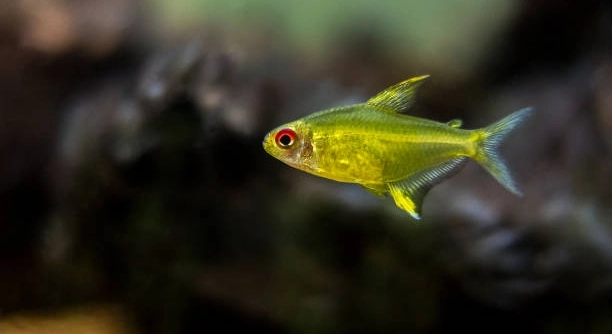
Have you ever noticed your lemon tetra shifting their behavior in subtle ways, forming new patterns in your aquarium that seem sudden, organized, and slightly unexpected while you are going about your care routine day.
The sudden size based grouping in lemon tetra is primarily driven by social hierarchy formation, growth stage alignment, and predator avoidance, creating organized clusters that support efficient interaction and reinforce stability within their shared environment as they navigate daily changes.
These early shifts in grouping reveal patterns that shape their daily behavior, offering helpful insight into their changing social dynamics.
Understanding Size Based Grouping
When I watch lemon tetra sort themselves into clusters, I notice how their behavior shifts based on subtle signals in the tank. Size becomes a simple way for them to organize, helping each fish feel more at ease as they move through shared space. Smaller fish often stay together because they react similarly to changes in flow, light, or nearby activity, while larger fish settle into their own rhythm. This natural sorting reduces stress by keeping interactions predictable. It also creates smoother swimming patterns, which makes the entire group more coordinated during feeding or when exploring new areas of the aquarium. I have seen how a calm environment encourages these patterns to become even clearer, especially when the tank is stable and the fish feel secure. By paying attention to these shifts, it becomes easier to understand how their size based grouping forms and why it strengthens their daily activity.
This behavior allows lemon tetra to maintain steady movement and reduce unnecessary tension within the group. Their size based clusters form naturally as they adjust to feeding, lighting, and social patterns in the tank, creating stable interactions that help them remain comfortable throughout regular activity in their daily tank life.
Observing these patterns also helps you refine how you support your aquarium. Adjusting flow strength, offering steady feeding routines, and keeping lighting predictable can reinforce calm behavior. I try to make changes slowly, since sudden shifts affect how the fish arrange themselves. When the environment stays consistent, their size based grouping becomes gentler and more natural, allowing each cluster to move with less pressure. It also makes it easier to notice when something is wrong, such as increased chasing or scattered swimming. These small details guide you in keeping the aquarium balanced while giving the fish space to settle comfortably.
Environmental Factors That Influence Grouping
Size based grouping in lemon tetra can shift when environmental conditions change, especially when lighting, flow, or tank layout affect their comfort. Stable conditions encourage calm behavior, while sudden adjustments create tension that influences how each cluster forms and moves within shared space during their regular daily tank activity periods.
Environmental factors shape how lemon tetra respond to one another, making size based grouping more noticeable during periods of change. When water flow becomes too strong, smaller fish often gather together to manage the current more easily, while larger fish maintain their preferred space. Lighting also influences their movement, since brighter areas can cause smaller individuals to cluster for comfort, while dimmer sections allow larger groups to spread out. I have learned that rearranging plants or decorations introduces new boundaries that shift how the fish organize themselves. These simple adjustments can either support stable grouping or create temporary uncertainty that causes the clusters to break apart. Maintaining consistent conditions encourages balanced behavior, allowing the fish to swim with less stress and clearer patterns. Regular observation helps you understand which factors support their comfort and which ones disrupt their rhythm. By keeping changes minimal and steady, you give each size group the chance to interact naturally, strengthening their cohesion over time and creating a calmer aquarium that supports their daily movement and helps them feel more secure during feeding or resting periods as they adjust to any minor changes within their shared tank space throughout each quiet part of the day.
Behavioral Signals Within Groups
Size based grouping becomes clearer when certain signals appear among lemon tetra, shaping their reactions in steady ways. I notice how slight shifts in posture, spacing, and direction help each cluster move with less pressure. These signals keep their behavior predictable, reducing unnecessary tension during everyday activity within the tank.
These signals become more noticeable when the group adjusts to changes in flow or light, guiding each fish into positions that feel safer and more stable. I see how smaller individuals react faster, moving together to stay aligned, while larger fish settle into broader patterns. This creates smoother movement across the tank, especially during feeding or exploring small areas. When the environment stays calm, the signals remain soft and steady, giving each cluster a clear rhythm. Watching these patterns helps me understand how their behavior connects, allowing me to support conditions that keep their movement balanced and their grouping consistent.
Size based signals also help reduce stress during moments when the fish feel uncertain, allowing each cluster to adjust without sudden scrambling. I notice how they shift slightly before changing direction, giving nearby fish time to respond smoothly. This keeps the group from scattering when something startles them, especially in tighter areas of the tank. Stable patterns like these form naturally when the aquarium remains predictable, letting each fish rely on familiar cues. By watching these subtle motions, I can adjust the tank setup in ways that support their comfort, keeping their size based clusters steady and their activity calm.
Social Pressure Within Mixed Groups
Social pressure increases when lemon tetra of different sizes interact too closely, leading to mild tension that affects how they position themselves. I see smaller fish move cautiously when larger ones pass through their space, creating brief shifts in their clusters. These moments shape how each size group chooses its distance, keeping movement more controlled. When the tank remains calm, this pressure eases, allowing the fish to return to patterns that feel safer and stable.
Social pressure becomes more noticeable when the fish respond to changes in the tank that challenge their comfort, especially when larger groups shift direction quickly. I notice how smaller fish often reposition themselves to avoid collisions, creating gentle divides between clusters. These shifts help maintain order, preventing unnecessary chasing or scattered movement. When plants or decorations create narrow pathways, the pressure increases, and the fish adjust by forming tighter lines that match their size. Larger individuals tend to move with stronger momentum, so smaller ones keep extra space to stay comfortable. By watching these patterns, I can adjust the layout to reduce stressful moments, giving each cluster more room to move naturally. Stable spaces support smoother interactions, allowing the fish to maintain stable grouping patterns.
How Feeding Patterns Shape Clusters
Feeding routines influence how lemon tetra arrange themselves, especially when food enters the water at the same pace each day. I notice smaller fish gather together to reach the food more easily, while larger individuals position themselves where movement feels smoother and calmer.
When food spreads unevenly, groups shift quickly as each size cluster adjusts its place. Smaller fish respond with sharper turns, creating tighter formations, while larger fish remain steady and controlled. These patterns help reduce tension, keeping feeding time organized and less stressful for every cluster.
Light Levels and Their Subtle Influence
Light changes affect how each size group positions itself during the day. Brighter spots encourage smaller clusters to stay close together for security, while dimmer areas let larger fish spread out more comfortably. Stable lighting helps maintain their patterns, keeping their movement predictable and gentle as the tank shifts through daily rhythms.
Why Stability Matters
Predictable conditions allow size based groups to move with fewer disruptions, giving each cluster a smooth rhythm. I find that steady routines keep their behavior balanced, making it easier to support calm interactions and recognize when something shifts in their usual patterns.
FAQ
Why do lemon tetra form size based groups so suddenly?
They shift into size based groups when environmental or social changes make them adjust their comfort levels. I notice these shifts happen when lighting changes, food distribution becomes uneven, or water flow alters their movement. Smaller fish react more quickly to these changes, gathering with others that move at a similar pace. Larger individuals stay within their own cluster, using their steady swimming patterns to keep the group balanced. This sudden sorting helps reduce tension and keeps the fish from crowding one another during periods when the tank feels slightly unpredictable.
Is size based grouping a sign of stress?
It can be, but not always. Sometimes it simply reflects natural behavior as the fish organize themselves for smoother movement. I have seen mild stress cause clusters to tighten when the fish feel uncertain. This usually happens after sudden changes in flow, light, or tank layout. When the environment stabilizes again, the groups loosen and return to calmer patterns. As long as the fish maintain healthy activity, steady color, and smooth swimming, the grouping is normal and manageable.
Do lemon tetra use size grouping to feel safer?
Yes, safety plays a role in how they arrange themselves. Smaller fish tend to gather closely because it helps them react faster to sudden motions around the tank. Larger fish spread out a bit more, using their stronger swimming rhythm to stay steady. This natural arrangement helps each group feel secure, especially during feeding or when navigating areas with plants or decorations. The shared movement pattern makes the groups feel more settled.
Does water flow affect how they group by size?
Water flow influences their behavior quite a lot. Stronger flow encourages smaller fish to form tight groups so they can handle the current together. Larger fish, with better control, move into calmer areas or glide along the stronger sections with less effort. When I keep the flow moderate and even, the size groups remain balanced and steady. Sudden or uneven flow causes the clusters to shift quickly as they try to regain comfort.
Why do feeding routines influence their size sorting?
Lemon tetra respond strongly to feeding patterns. When food spreads evenly, the groups stay relaxed. If it drops into certain spots, the fish adjust quickly to reach it. Smaller fish often bunch together to reach food before it drifts away, while larger fish hold a more open formation. Consistent feeding routines help maintain steadier group behavior and reduce tension during busy moments near the surface.
Is it normal for the grouping to change throughout the day?
Yes, these changes happen naturally. I notice that the fish behave differently in the morning compared to the evening. Light levels, activity in the room, and feeding times all influence how tightly or loosely they group. Smaller clusters shift more often because they react faster to changes. Larger individuals tend to keep a slower, steadier pattern. As long as the fish appear calm and active, shifting clusters are completely normal.
How can I support stable grouping in my tank?
Keeping the tank predictable is the easiest way to support healthy grouping. I try to maintain steady lighting, balanced flow, and calm surroundings. Feeding at consistent times helps reduce sudden movement, while plant placement creates soft boundaries that guide the clusters without creating pressure. Small adjustments made slowly allow the fish to adapt without losing their comfort. Stable conditions encourage smooth movement, helping each size group stay relaxed and connected.
When should I worry about their grouping behavior?
Concern is necessary when the fish show signs of stress, such as rapid darting, faded color, or constant chasing. If the clusters break apart suddenly and remain scattered for long periods, it may indicate discomfort or environmental imbalance. Checking water quality, flow strength, and lighting often resolves the issue. Watching their daily patterns helps you notice when something shifts in a way that needs attention.
Final Thoughts
Caring for lemon tetra becomes easier when you understand how their behavior shifts with simple changes in their surroundings. I have learned that their size based grouping is not random, but a steady pattern shaped by comfort, safety, and habit. When the tank remains calm, their movement becomes predictable, making each cluster feel more at ease. These groups let smaller individuals move together with confidence while larger ones glide through the tank at their own pace. Watching them sort themselves by size has helped me understand how important consistency is for their daily routine. Even small adjustments, like softer lighting or balanced flow, make a noticeable difference in how smoothly they move. As long as I keep the tank steady, their activity stays gentle and coordinated, giving me a clear picture of how connected their behavior is to each part of their environment. It becomes easier to see how everything in the tank plays a role in shaping the way they interact, from the layout to the timing of feeding.
Understanding these patterns also helps create a space where the fish remain comfortable, letting each size group form naturally. I try to make changes slowly, since quick shifts can cause the clusters to tighten or scatter. Whenever I rearrange plants or adjust the filter, I watch how the fish respond, because their movement tells me whether the change supports their comfort. Smaller fish show their reactions first, shifting into tighter groups if something feels unfamiliar. Larger fish stay steadier, but the rhythm of their movement still reveals when they need calmer surroundings. Over time, I have learned to rely on these signals to guide the way I care for the tank. Their size based grouping also helps highlight when something is off, such as uneven flow or bright lighting that creates tension. When the tank feels balanced, these issues fade, and the groups settle into familiar patterns that keep their activity smooth.
Supporting stable grouping does not require complicated steps, just steady awareness and gentle adjustments. Keeping feeding routines consistent helps the fish move predictably, reducing unnecessary pressure among the clusters. Balanced lighting keeps them calm throughout the day, and small hiding spots or plants give each group comfortable areas to move through without bumping into one another. I appreciate how these simple actions shape the entire tank, creating a space where the fish can swim with confidence. Their behavior becomes a quiet guide, showing how well the environment supports them. When I pay attention to these details, the fish respond with calm, steady movement that feels natural and connected. Their grouping becomes a sign of comfort, stability, and well supported daily activity, reminding me how gentle care creates a peaceful tank that lets each fish thrive in its own way.

Hello,
If you enjoy the content that we create, please consider saying a "Thank You!" by leaving a tip.
Every little bit helps us continue crafting quality advice that supports the health, happiness, and well-being of pets around the world, for pets of all shapes, sizes, and species.
We really appreciate the kindness and support that you show us!