
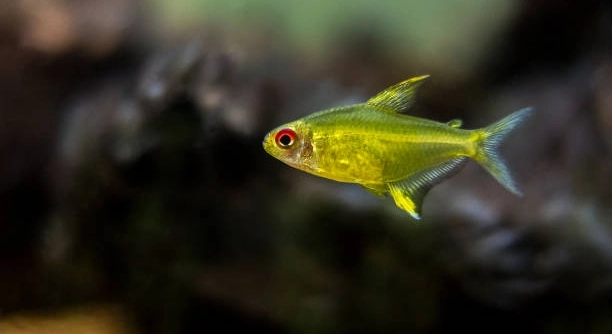
Do you ever notice your lemon tetras gathering in one spot when it’s feeding time? Many aquarists watch as these small fish form tight clusters, creating a lively, bustling scene in their tanks.
Lemon tetras cluster during feeding primarily due to social behavior and perceived safety. Grouping allows them to feel secure while competing for food and helps ensure that all members can access nutrients efficiently in their shared environment.
Understanding why this behavior occurs can help you manage feeding times better and maintain a healthy, stress-free aquarium for your lemon tetras.
Social Behavior of Lemon Tetras
Lemon tetras are naturally social fish, often forming tight-knit groups for both comfort and survival. In an aquarium, this behavior becomes more visible during feeding times. When food is introduced, they instinctively gather together, swimming in clusters to stay close to others. This clustering allows them to feel safer, as being in a group reduces stress and gives them a sense of security. It also helps them monitor potential threats in their environment, even in a controlled tank setting. Observing their coordinated movements, you can see how each fish adjusts its position to avoid collisions while still staying part of the group. Over time, these behaviors can become predictable, with certain fish leading and others following. The patterns of clustering can also reflect the health of your fish and the balance of your aquarium. Feeding time, therefore, becomes both a social and practical moment for lemon tetras, showing their instinctive tendencies clearly.
This social grouping ensures that no single fish dominates feeding, promoting harmony and reducing stress in the tank.
Clusters also help lemon tetras locate food faster. When one fish finds a piece of food, others quickly join, creating a coordinated feeding pattern. This natural behavior maximizes their chances of eating efficiently without leaving anyone out. Watching them move together shows their instincts to cooperate even in small ways.
Environmental Factors Affecting Clustering
Tank size and layout play a significant role in how lemon tetras cluster during feeding.
Lighting, water temperature, and hiding spots influence their behavior. In a small tank, clustering is more pronounced as fish have limited space to spread out. Similarly, strong lighting or a lack of cover can increase stress, causing tetras to stay closer together for reassurance. Plants and decorations offer hiding places, making fish feel secure and less likely to scatter. Water quality also matters; stable conditions encourage normal feeding behavior, while fluctuations can make fish skittish, increasing clustering. Even the location of food in the tank changes their grouping patterns, as they swim together toward the source. Observing these environmental effects can help you design a tank that supports healthy, natural behavior, making feeding times smoother and less chaotic. Proper arrangement and consistent conditions reduce competition stress, promote even food distribution, and ensure that your lemon tetras thrive. Adjusting these factors can make a noticeable difference in both the comfort and overall well-being of your fish, allowing their natural social behavior to shine.
Feeding Habits and Competition
Lemon tetras cluster during feeding to secure their share of food. This behavior reduces the chance of missing out while allowing weaker or smaller fish to follow stronger fish to available food.
Competition during feeding is a natural behavior. Even in peaceful communities, lemon tetras show a tendency to group tightly, ensuring everyone gets a chance to eat. When flakes or pellets are added to the water, fish near the food often attract others. They adjust their positions constantly, making quick, coordinated movements to access the best pieces. This creates a flurry of activity, where the fastest and most alert fish lead the way, but slower or smaller fish can still feed by staying within the cluster. Grouping also allows the fish to monitor each other, preventing any single tetra from monopolizing food.
Clusters form quickly and dissolve after feeding. Fish that eat their fill will gradually drift to calmer areas of the tank. The process is temporary, showing that clustering is a direct response to the presence of food rather than general tank behavior.
Influence of Stress and Safety
Stress causes lemon tetras to cluster more tightly than usual, as being in a group feels safer and less vulnerable.
High stress levels often come from sudden changes, such as new tankmates, loud vibrations, or poor water quality. When stressed, lemon tetras instinctively stay close together, which can be observed most clearly during feeding. They rely on the group for reassurance, moving in unison and responding quickly to each other’s signals. Even subtle disturbances, like shadows over the tank or strong currents, can increase clustering. The behavior is protective, helping them feel secure while still allowing access to food. Observing these responses can give insight into the overall comfort and health of your fish. Recognizing signs of stress early helps prevent long-term issues and encourages a calm, balanced tank environment where lemon tetras can thrive naturally.
Feeding Frequency and Timing
Lemon tetras tend to cluster more when feeding is infrequent. Regular, smaller meals reduce frantic competition and keep the group more relaxed during feeding.
Timing also affects clustering. Feeding at consistent times allows fish to anticipate food, creating smoother movements and less chaotic gatherings around the food source.
Role of Tankmates
The presence of other fish influences clustering behavior. Peaceful, non-aggressive tankmates allow lemon tetras to form moderate groups without excessive stress, while aggressive species can cause tighter, more defensive clustering patterns.
Lemon tetras adjust their clustering depending on who else shares the tank. In a community tank with calm fish, they can feed comfortably without crowding, moving in loose groups. When faster or more dominant fish are present, tetras stick closer together to avoid being chased or outcompeted. Observing these interactions helps manage tank dynamics, ensuring all fish can eat safely. Adjusting the tank population or feeding strategies can reduce stress and prevent overcrowding near food, making the feeding experience smoother and healthier for lemon tetras.
Food Type Preferences
Different food types influence how tightly lemon tetras cluster during feeding.
Why do lemon tetras cluster only during feeding?
Lemon tetras cluster mainly in response to food. This is a natural behavior rooted in both social instincts and survival strategies. When food is introduced, the fish instinctively gather to monitor each other and ensure everyone has access. The clustering helps them feel secure while also allowing them to respond quickly if one fish finds food. Outside of feeding, they spread out more evenly throughout the tank, showing that clustering is a situational behavior rather than a permanent habit.
Is clustering a sign of stress in lemon tetras?
Not always. Clustering can be normal during feeding, but excessive tight grouping at other times may indicate stress. Factors like sudden changes in water quality, aggressive tankmates, or loud disturbances can make them feel unsafe. Observing other behaviors, such as hiding or rapid swimming, helps determine if the clustering is stress-related. Maintaining stable water conditions and a calm environment reduces unnecessary stress and allows clustering to occur naturally during feeding.
Does tank size affect clustering behavior?
Yes, tank size significantly impacts how lemon tetras cluster. In smaller tanks, fish have limited space, so they naturally form tighter groups when food is added. Larger tanks give them more room to spread out, resulting in looser clustering. The number of fish relative to tank size also matters—overcrowding increases competition and tighter clustering, while well-spaced fish create a calmer feeding environment.
How does the type of food influence clustering?
The size, texture, and sinking speed of food affect clustering. Small flakes or fast-sinking pellets can encourage rapid gathering, as fish move together to grab pieces before others get them. Floating food spreads them out slightly but still encourages grouping near the water surface. Varying food types periodically helps reduce overly aggressive clustering and keeps all fish engaged during feeding.
Can clustering affect feeding fairness among fish?
Yes, clustering can both help and hinder feeding fairness. Being in a group allows slower or smaller fish to follow stronger fish and get food they might otherwise miss. However, in tightly packed clusters, dominant fish may still grab more food, leaving some behind. Providing multiple feeding points or spreading food throughout the tank helps balance access for all tetras.
Do tankmates influence clustering?
Absolutely. Lemon tetras adjust their grouping depending on the behavior of other species in the tank. Peaceful, slow-moving fish allow tetras to feed with moderate clustering, while fast or aggressive tankmates can trigger tighter, defensive groups. Monitoring interactions ensures tetras feel safe and can feed comfortably. Adjusting the tank population and feeding methods can reduce excessive clustering caused by competition.
How often should lemon tetras be fed to manage clustering?
Feeding frequency directly affects clustering intensity. Smaller, consistent meals throughout the day reduce frantic competition, leading to looser, calmer clusters. Irregular feeding schedules can make fish overexcited, causing tighter, more chaotic gatherings. Keeping a consistent routine encourages predictable, balanced feeding behavior and promotes overall tank harmony.
Does lighting and environment affect clustering?
Yes. Bright lights or open spaces without hiding spots can increase stress, causing tetras to stick together more tightly. Adding plants, decorations, or shaded areas allows them to feel secure and disperse naturally after feeding. Observing their behavior under different lighting conditions helps identify the best environment for a balanced tank.
Are clusters during feeding harmful?
No, clustering is generally harmless and natural. Problems arise only if competition becomes extreme, dominant fish monopolize food, or water conditions are poor. Ensuring proper tank size, multiple feeding points, and healthy food distribution prevents negative impacts and supports normal social behavior.
How can I reduce excessive clustering?
Excessive clustering can be managed by offering smaller, frequent meals, spreading food across different tank areas, and maintaining calm environmental conditions. Introducing more hiding spots and monitoring tankmates’ behavior also helps. These measures ensure that lemon tetras feed safely and comfortably without over-congregating.
This FAQ section addresses the main concerns regarding lemon tetra clustering during feeding, giving practical insights into their social behavior, feeding strategies, and environmental influences. With careful observation and consistent care, you can ensure a healthy, balanced tank where lemon tetras thrive naturally.
Lemon tetras are small, lively fish that naturally form groups in their tank. Their clustering behavior during feeding is part of how they interact with each other and their environment. Being in a group makes them feel safer and helps them compete for food without one fish being left out. In a well-maintained aquarium, this behavior is normal and shows that your fish are active and aware of their surroundings. Observing them closely can give insight into their comfort level and overall health, allowing you to notice if anything seems off. Clustering is not just random movement; it is a predictable response to feeding and the presence of other fish, reflecting both social instincts and practical survival strategies.
Tank conditions and environment play a major role in how lemon tetras behave during feeding. Water quality, temperature, tank size, and the placement of plants or hiding spots all influence their comfort. A calm, well-decorated tank encourages natural, relaxed clustering without stress. Feeding multiple small portions at consistent times also helps maintain balanced behavior, reducing competition and aggressive chasing. Food type and distribution affect how tightly they group, with floating or widely scattered food leading to looser formations and sinking food sometimes causing more crowded clusters. Paying attention to these factors ensures that your fish are not only getting enough food but also remaining comfortable and secure while feeding. By adjusting the environment and feeding methods, you can create a harmonious space where lemon tetras exhibit their natural social behavior without added stress.
Understanding lemon tetra clustering can also improve your approach to care and tank management. Observing their movements during feeding gives clues about their health, social dynamics, and stress levels. Fish that cluster too tightly outside feeding times may be stressed or uncomfortable, while normal, temporary grouping around food is a healthy behavior. Providing multiple feeding points, maintaining consistent routines, and monitoring tankmates’ interactions all contribute to balanced clustering. Over time, these small adjustments make a big difference in keeping lemon tetras happy and active. Ultimately, their clustering is a reflection of both instinct and environment. By supporting their natural behavior with careful tank management and thoughtful feeding practices, you can help your lemon tetras thrive, showing their energy, coordination, and social instincts in a safe and stable home.

Hello,
If you enjoy the content that we create, please consider saying a "Thank You!" by leaving a tip.
Every little bit helps us continue crafting quality advice that supports the health, happiness, and well-being of pets around the world, for pets of all shapes, sizes, and species.
We really appreciate the kindness and support that you show us!