
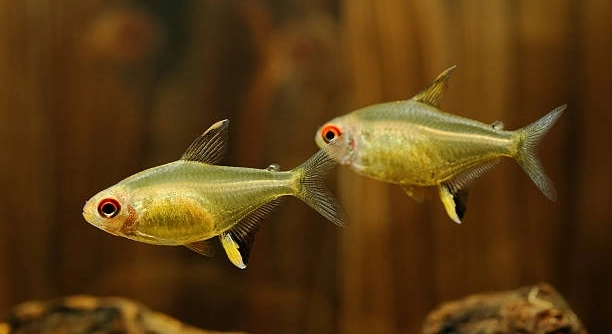
Are your lemon tetras looking a bit less lively than usual, making you wonder what might help them feel healthier and more vibrant in their tank environment each day as they swim around their space.
Improving lemon tetra fin health relies on stable water parameters, balanced nutrition, low stress conditions, and proper tank hygiene. Consistent maintenance supports tissue repair, reduces fin deterioration, and promotes stronger fin development, leading to healthier and more resilient aquarium fish.
These factors shape the comfort and strength of your lemon tetras, guiding you toward smoother care decisions as you explore.
Clean Water Stability
Keeping the water stable is one of the most important parts of supporting lemon tetra fin health, and it has a clear effect on how strong and smooth their fins appear. When the water holds steady levels, your fish stay calm and waste breaks down more predictably, which limits irritation that can weaken delicate tissues. Clean filtration, gentle flow, and regular checks help you avoid sudden changes that might stress them or slow their recovery if their fins already show small signs of damage. Many aquarists notice that lemon tetras respond well to tanks that receive small weekly water changes instead of large adjustments. This steady care helps minerals stay balanced and prevents harmful buildup. By maintaining these conditions, you give your lemon tetras a space where their fins remain bright, smooth, and steady as they swim. It also supports a peaceful environment where your fish feel safe and comfortable.
Keeping these levels steady reduces stress, limits irritation, and allows fins to repair without constant disruption. Your lemon tetras benefit from predictable conditions that support cleaner water and smoother swimming. Stable care also keeps harmful spikes from forming, which protects delicate fin tissue from unnecessary strain in their daily routine.
Regular maintenance becomes easier once you settle into a steady routine that suits your tank and your schedule. Small actions make a noticeable difference, especially when you monitor changes closely and respond before problems grow. Clean filters, gentle flow, and consistent water testing create a space where your lemon tetras remain calm and active. When the water stays clear, their fins gain a smooth shape that reflects good care. This kind of stability supports stronger immune function and reduces the chance of irritation building over time. With a bit of attention, you keep their fins looking bright and healthy today.
Nutritious Feeding Habits
Feeding your lemon tetras a balanced mix of quality flakes, micro pellets, and occasional live or frozen foods helps build strong fins. Steady nutrition supports tissue repair and reduces stress. When your fish receive consistent meals, their fins maintain smoother edges and show healthier overall structure in their daily care.
Good nutrition has a clear effect on fin shape, and your lemon tetras respond well to steady feeding habits that match their natural behavior. Offering small meals throughout the day keeps them from overeating and allows nutrients to absorb more effectively. This approach supports steady energy levels and reduces waste, which helps keep the water cleaner and safer for delicate fins. A varied diet provides vitamins and proteins that encourage smooth growth and quick recovery if small fin nips occur during group interactions. Many keepers find that including items like baby brine shrimp or finely chopped daphnia adds helpful variety without overwhelming the tank. When you combine these foods with reliable flakes or pellets, your fish receive balanced support that reflects their needs. Careful feeding also prevents leftover particles from settling in the substrate, which can raise ammonia and strain fin tissue. By watching how your lemon tetras eat and adjusting portion sizes gently, you keep their fins supported through predictable nutrition. This consistent care makes their colors brighter and their movements steadier, creating a calm display in your tank. With balanced meals and attentive observation, you give your lemon tetras the steady support needed for strong, healthy fins today.
Stress-Free Tank Mates
Lemon tetras stay healthier when they live with peaceful tank mates that avoid nipping or chasing. Calm companions reduce daily tension and allow fins to grow without constant disturbance. A steady group setting keeps your fish relaxed and protects delicate tissue from unnecessary strain.
Choosing suitable species makes a clear difference in how well your lemon tetras maintain their fins. Peaceful fish like small rasboras or gentle corydoras help build a calm atmosphere where your tetras can swim without pressure. Avoid pairing them with fast or aggressive types that might rush the group or disrupt their flow. When the tank stays calm, your fish conserve energy, show brighter color, and keep smoother fin edges. This harmony also reduces sudden bursts of stress that could slow fin recovery if minor damage happens during feeding or movement.
Consistent monitoring helps you understand how the group interacts. If you notice occasional chasing, adjusting the tank layout or adding more hiding spots can soften tension and protect your tetras. Larger groups of lemon tetras also improve stability, since they feel safer when surrounded by their own kind. This balance supports strong fin development and keeps the environment steady. With thoughtful placement and a watchful eye, you can maintain a peaceful habitat that protects fin health.
Balanced Lighting Conditions
Balanced lighting supports lemon tetra comfort by giving them enough brightness to stay active while avoiding harsh glare that may cause stress. Moderate light helps them maintain their natural rhythm and prevents startled reactions that may affect fin stability in their daily environment.
Consistent lighting keeps their behavior predictable, and a gentle schedule helps them adapt without constant changes. Soft illumination prevents sudden shocks that may happen when lights turn on too brightly or too quickly. Using a timer keeps everything steady and removes abrupt shifts that might unsettle your fish. Lemon tetras respond well to lighting that matches their calm swimming style, and this steady pattern helps protect delicate fins from stress-related nips or erratic movements. When paired with proper water conditions and good tank layout, balanced lighting supports smooth fin edges and relaxed movement. Through gentle control and mindful adjustments, your fish remain comfortable and display healthy, clean fins.
Adequate Swimming Space
Lemon tetras keep their fins healthier when they have enough room to glide without bumping into decorations or other fish. A spacious tank prevents accidental scrapes and reduces tension, giving their fins the gentle conditions needed to stay smooth and well shaped.
Open swimming areas also help your tetras stay active, which supports stronger bodies and better fin stability. When they can move freely, they avoid tight spots that may lead to minor tears or irritation. A clear layout with soft plants gives them comfort while protecting delicate fin edges.
Proper Tank Maintenance
Routine maintenance protects lemon tetra fins by removing waste that can irritate their skin and weaken fragile tissues. Regular cleaning, gentle gravel siphoning, and careful filter upkeep reduce risks tied to poor water quality. Consistent attention prevents harmful buildup, limits stress, and keeps fin edges looking smooth and healthy throughout their daily activity.
Gentle Water Flow
A soft current helps lemon tetras swim comfortably without battling strong pressure that might strain their fins. Gentle flow also keeps debris moving toward the filter, reducing irritation and helping your fish maintain clean, healthy fin edges with steady, calm movement.
FAQ
How can I tell if my lemon tetra has early fin damage?
Early fin damage usually shows as slight fraying, small uneven edges, or a faint cloudy look along the tips. You may also notice the fish swimming more cautiously or pulling its fins closer to its body. These small changes often appear before the damage becomes obvious. Watching their behavior makes it easier to catch issues early, especially if you check them during feeding when they are more active. Soft lighting helps you see fine details on the fins without stressing them. When you notice early changes, gentle adjustments in water quality or feeding habits can help the fins stabilize before more serious damage develops.
What water parameters are best for fin health?
Stable water keeps your lemon tetras comfortable and prevents irritation that may weaken fin tissue. The best range includes warm, soft, slightly acidic water with steady readings. Focus on consistency rather than constant changes. Clean filters, small weekly water changes, and careful monitoring support smoother fins and better color. Even slight swings can affect their comfort, so keeping things predictable helps maintain their natural balance. When the water feels steady to them, their fins remain brighter and more stable over time.
Do lemon tetras heal fin damage quickly?
They often heal well when the tank stays clean and calm. Fins can grow back, but the pace depends on stress levels, diet, and water quality. Good nutrition speeds recovery since vitamins and protein support new tissue growth. A stable tank with peaceful fish gives them the quiet they need to repair without further damage. Keeping the water free of harmful spikes is one of the most important parts of the healing process. When these conditions stay steady, small tears tend to mend nicely.
Can certain decorations cause fin problems?
Sharp decorations can lead to random snags or small cuts. Hard plastic plants, rough rocks, or narrow gaps may cause your tetras to scrape their fins while swimming. Soft plants, rounded stones, and gentle layouts help protect delicate edges. Keeping the tank open prevents them from bumping into tight areas. A simple layout is safer and easier to maintain, especially if your tetras are active swimmers. When everything feels open and smooth, their fins stay cleaner and more even.
Why do lemon tetras nip each other’s fins?
Fin nipping may happen when the group feels crowded or unsettled. Sometimes it starts during feeding if there is too much excitement. Keeping them in a larger group often spreads their attention so no single fish gets targeted. Calm lighting and regular feeding times can also reduce the behavior. When they feel safe and balanced, nipping becomes less likely. If the issue continues, checking water quality helps since stress can raise tensions within the group.
Do bright lights harm lemon tetra fins?
Bright lights do not directly harm their fins, but harsh lighting can increase stress, which may lead to fin issues later. Soft, steady lighting is easier on them and keeps their movements relaxed. Sudden lighting changes may startle them and cause quick dashes that lead to small injuries. A gentle schedule with a timer prevents these shifts and supports healthier fin appearance. Watching how your tetras behave under different brightness levels helps you choose the most comfortable setting.
Should I isolate a tetra with fin damage?
Isolation is helpful only when the main tank environment continues to cause repeated damage. If other fish are the cause, moving the injured tetra to a quiet space can help healing happen faster. However, isolation may make them feel insecure if the new space is too empty. Keeping the main tank calm and clean is usually the best first step. Isolation becomes useful when you need to protect the fish from further nipping or strong currents that might slow healing.
What foods help improve fin strength the most?
A mix of quality flakes, micro pellets, and soft live or frozen foods supports strong fins. Items like baby brine shrimp, daphnia, and finely cut bloodworms offer helpful proteins that encourage smooth growth. Small meals spread throughout the day help them absorb nutrients better. Balanced feeding prevents overfeeding, which keeps the water cleaner and safer for fragile tissue. When they receive steady nutrition, their fins stay fuller, brighter, and more even.
How often should I check my lemon tetras for fin problems?
A quick daily look is enough to spot early changes. Watching them during feeding gives a clear view of their fins as they move. Weekly close checks help you notice subtle shifts like thinning edges or minor discoloration. Regular observation helps you respond before damage worsens. Your tetras stay healthier when you stay familiar with their normal behavior.
Final Thoughts
Caring for lemon tetras becomes easier when you understand the small details that shape their fin health. These fish respond best to steady routines, soft conditions, and calm surroundings, and when these needs are met, their fins stay smooth and clear. Many fin problems begin with simple issues like unstable water or minor stress, and noticing these early helps you respond before the damage spreads. With a gentle schedule and regular checks, you can keep their environment predictable and free of sudden changes that might unsettle them. When your tank feels balanced, your tetras show brighter color, smoother movements, and healthier fin edges. This steady approach builds a space where they stay comfortable, active, and safe. Small habits like feeding on time, adjusting lighting carefully, and keeping the tank clean play a huge part in how well their fins develop. These small efforts add up, giving your fish the support they need each day.
It helps to remember that lemon tetras rely on you to maintain the conditions they cannot control themselves. Even slight stress can affect their fins, so watching their behavior becomes an important part of daily care. When they swim calmly, hold their fins open, and interact gently with each other, it usually means the environment suits them. If you notice changes like hiding, cloudy fin edges, or hesitant swimming, it is worth reviewing your setup to see if something feels off. Adjusting flow, removing sharp decorations, or improving water quality may be all they need to regain their comfort. Their fins often reflect the health of the entire tank, so focusing on overall stability works better than reacting to problems after they grow. With time, you start noticing small signs faster, and each adjustment becomes more natural. As you learn their patterns, your confidence grows and your tank becomes a safer space that encourages healthy fin growth.
Supporting fin health is not complicated once you settle into a routine that fits both you and your fish. Every choice, from choosing tank mates to planning your cleaning schedule, shapes the strength and clarity of their fins. A peaceful group, a clean tank, and a balanced diet work together to protect delicate fin tissue and encourage steady development. These habits make your tank feel more inviting and give your lemon tetras the stability they need to thrive. When you care for them with attention and consistency, their fins stay fuller, brighter, and less likely to show signs of stress. With gentle care and a thoughtful setup, you create a calm environment that supports long term health and keeps your lemon tetras looking their best.

Hello,
If you enjoy the content that we create, please consider saying a "Thank You!" by leaving a tip.
Every little bit helps us continue crafting quality advice that supports the health, happiness, and well-being of pets around the world, for pets of all shapes, sizes, and species.
We really appreciate the kindness and support that you show us!