
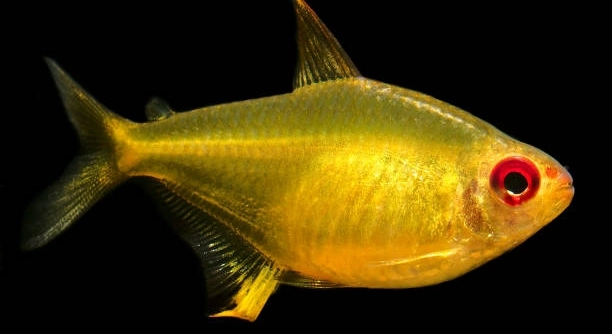
Lemon tetras are small, lively fish that brighten any freshwater tank with their vivid yellow color. Providing the right environment is essential for their health, activity, and overall well-being. Natural tank additions can significantly enhance their habitat and behavior.
Introducing natural tank elements such as live plants, smooth river stones, driftwood, and floating moss provides shelter, reduces stress, and encourages natural swimming patterns. These additions support water quality and create a stimulating, balanced environment for lemon tetras.
Selecting appropriate natural items carefully can transform a simple aquarium into a thriving ecosystem your fish will enjoy exploring and interacting with daily.
Live Plants
Adding live plants to a lemon tetra tank creates a natural environment that they instinctively respond to. Plants like Java moss, Anubias, and Amazon sword provide hiding spaces, which reduce stress and make tetras feel secure. The greenery also helps maintain water quality by absorbing excess nutrients, which can prevent algae growth. Observing tetras weaving through plants is calming and adds a dynamic visual element to the aquarium. Live plants encourage natural behaviors, such as grazing and exploring. Some plants, like floating varieties, offer shaded areas, simulating the dappled light conditions of their native habitats. Over time, the plants grow and create a layered landscape, which can make the aquarium more interesting to watch. Regular maintenance, such as trimming and removing decaying leaves, ensures that plants stay healthy and continue benefiting the fish. A well-planted tank not only supports physical health but also enhances the overall balance of the ecosystem in which lemon tetras thrive.
Live plants make lemon tetras feel safer and stimulate natural activity, improving both behavior and tank aesthetics.
Incorporating live plants does require consistent care. Trimming, checking for root rot, and monitoring water conditions are essential steps. Choosing low-maintenance species like Anubias or Java fern reduces effort while still providing the benefits of a planted tank. Observing how tetras interact with plants can be rewarding. They often swim through leaves or rest underneath broad foliage. Plants also act as natural filtration, helping to keep the water clear. For those looking to replicate a natural habitat without too much upkeep, combining hardy species with moderate lighting creates a sustainable, visually appealing environment. This balance supports the fish while keeping the tank manageable and healthy over time.
Driftwood
Driftwood adds structure and depth to a lemon tetra aquarium. It offers hiding spots, surfaces for biofilm growth, and can slightly acidify the water, mimicking natural conditions.
Using driftwood in a tank not only enhances aesthetics but also benefits fish health. Properly prepared driftwood should be soaked and cleaned to remove impurities. This prevents unwanted tannins from discoloring the water excessively and avoids introducing harmful bacteria or pests. Different shapes of driftwood create varying swimming patterns and territories, encouraging exploration and activity. Tetras may hover near the wood or use it to dart around for shelter. Some species graze on biofilm growing on the surface, providing a natural food supplement. Driftwood can be combined with rocks and plants to create visually layered aquascapes. Maintaining the wood involves periodic inspection for mold or excessive decomposition. Overall, driftwood is both decorative and functional, enhancing the aquarium’s natural feel while supporting the health and comfort of lemon tetras.
Smooth River Stones
Smooth river stones create natural resting areas and gentle hiding spots for lemon tetras. They help break up open swimming areas, adding variety to the tank while providing a subtle texture that complements plants and driftwood.
These stones encourage natural exploration and play. Tetras often swim around, over, or between them, which keeps them active. Stones also allow beneficial bacteria to colonize, supporting water quality and contributing to a stable environment. Choosing rounded, non-sharp stones prevents injury while maintaining an authentic, natural look. Arranging stones in small clusters or along the substrate edge creates visual interest and depth. Combining stones with plants and driftwood builds a layered layout, making the aquarium more dynamic. Stones can also influence water flow, subtly altering currents in ways that stimulate natural swimming behavior and interaction among tetras.
Regular cleaning ensures that debris does not accumulate around the stones, keeping the tank healthy. Stones are easy to maintain and versatile, fitting most aquascapes without overpowering other elements in the tank.
Floating Moss
Floating moss offers shaded areas and mimics shallow water habitats lemon tetras encounter in nature. Its soft structure provides comfort and encourages shy fish to explore without stress.
The moss absorbs excess nutrients, helping maintain water clarity and balance. Tetras enjoy darting around or resting beneath it, which reduces stress and fosters natural schooling behavior. Floating moss also limits strong light penetration, protecting sensitive fish from direct exposure while adding a soft, green texture to the aquarium. This natural cover encourages shy individuals to emerge, increasing interaction and overall activity levels. Regular trimming prevents overgrowth, ensuring the moss does not dominate the surface and allows free swimming space for active tetras. When combined with submerged plants and driftwood, floating moss contributes to a dynamic and engaging habitat, enhancing both aesthetics and fish behavior in a sustainable, low-maintenance way.
Small Leafy Plants
Small leafy plants like Java fern and Anubias provide safe hiding spots for lemon tetras. They help break up open swimming space and give fish places to explore and rest, creating a more natural, engaging environment.
These plants support water quality by absorbing excess nutrients. Their dense leaves also encourage tetras to swim around, reducing stress and promoting natural behaviors. Placement near driftwood or stones enhances the overall tank layout, making the aquarium visually appealing while functional.
Coconut Shell Huts
Coconut shell huts serve as secure shelters for lemon tetras. They provide shaded resting areas and mimic natural crevices, helping fish feel protected and confident in the tank.
Pebble Substrate
A pebble substrate creates a realistic riverbed environment. It encourages natural foraging and adds texture to the tank, complementing plants and driftwood.
Floating Ferns
Floating ferns soften lighting and create gentle shaded areas. They allow tetras to feel safe and stimulate natural movement patterns near the water surface.
FAQ
What types of live plants work best for lemon tetras?
Low-maintenance plants like Java moss, Anubias, and Amazon sword are ideal. They provide hiding spaces, reduce stress, and support water quality. Floating plants also create shaded areas, encouraging natural swimming patterns and giving tetras a sense of security.
Can driftwood change water conditions for lemon tetras?
Yes, driftwood can slightly lower pH and soften the water, simulating natural conditions. It also provides surfaces for biofilm growth, which tetras may graze on. Preparing the wood properly by soaking and cleaning ensures it doesn’t introduce harmful substances into the tank.
Are smooth river stones necessary in a tetra tank?
While not essential, they enhance the natural look and offer resting areas. Stones encourage exploration and swimming around, supporting activity. Rounded stones prevent injury and can help beneficial bacteria colonize, contributing to a stable ecosystem.
How does floating moss benefit tetras?
Floating moss reduces light intensity and creates shaded areas, mimicking shallow habitats. Tetras often dart beneath it or rest close to it, which reduces stress. The moss absorbs excess nutrients, helping maintain water clarity and balance, while contributing to a natural, layered tank layout.
Do lemon tetras need coconut shell huts?
Coconut shell huts are optional but highly recommended. They provide secure resting spots and shaded areas that mimic natural crevices. Shy or newly introduced tetras feel safer with these shelters, which helps reduce stress and encourages natural behavior.
What substrate is best for a tetra tank?
A pebble or fine gravel substrate works well. It supports plant roots, offers a realistic riverbed appearance, and encourages foraging. Smooth textures prevent injury and allow natural swimming and interaction with decorations like driftwood and stones.
How should small leafy plants be placed?
Position them near driftwood, stones, or in clusters to create hiding spaces. Dense leaves break up open swimming areas and allow tetras to explore. Plants also support water quality by absorbing excess nutrients, providing a balanced and visually appealing tank.
Are floating ferns necessary in an aquarium?
They aren’t required but are beneficial. Floating ferns provide soft shade, reduce light intensity, and give tetras areas to rest near the surface. They encourage natural movement patterns and contribute to a healthy, well-structured tank environment.
How often should natural tank additions be maintained?
Regular maintenance is important. Trim plants, check driftwood for mold or decay, clean stones to remove debris, and prevent overgrowth of floating moss or ferns. Consistent care ensures a healthy, stable environment and keeps tetras active and stress-free.
Can natural additions help breeding in lemon tetras?
Yes, live plants, moss, and sheltered areas like coconut huts encourage spawning. Shaded and secure spots reduce stress, making tetras more comfortable. Providing a varied, natural environment stimulates natural behavior and supports overall health, which is important for successful breeding.
Is combining different natural additions recommended?
Combining driftwood, stones, live plants, and floating moss creates a layered, dynamic habitat. Each element supports behavior, water quality, and stress reduction. A thoughtfully arranged tank encourages exploration, interaction, and a natural appearance while maintaining ease of care for the aquarium.
Can these additions prevent aggression?
Yes, hiding spots, shaded areas, and varied swimming zones reduce territorial disputes. Tetras are less likely to stress each other when the tank has multiple places to retreat or explore. This contributes to a calmer, more harmonious community.
How much space should be left for swimming?
While decorations are beneficial, it’s important to leave open areas for active swimming. Lemon tetras are energetic fish that thrive in spaces where they can school freely while still having access to hiding and resting spots.
Do these natural additions affect water parameters long-term?
Properly selected and maintained natural additions generally improve water quality. Plants absorb excess nutrients, driftwood can slightly soften water, and stones and substrates encourage bacterial colonization. Regular monitoring ensures conditions remain stable for long-term health.
Can these elements be used in small tanks?
Yes, but scale is important. Avoid overcrowding by selecting proportionate plants, stones, and driftwood. Even small tanks benefit from natural additions if space is balanced to allow swimming, hiding, and overall interaction for tetras.
What is the overall benefit of adding these natural elements?
They reduce stress, encourage natural behavior, support water quality, and enhance the tank’s visual appeal. Each addition contributes to a healthier, more stimulating environment that allows lemon tetras to thrive physically and behaviorally.
How do these additions impact feeding behavior?
Natural additions provide surfaces for biofilm growth, which tetras may nibble on, supplementing their diet. Hiding areas reduce competition and stress during feeding, promoting healthier eating habits and overall well-being.
Can I combine artificial decorations with natural additions?
Yes, but natural elements should dominate. Artificial decorations can complement the setup, but live plants, driftwood, and stones offer behavioral, aesthetic, and ecological benefits that artificial items cannot replicate. Maintaining a balance ensures a realistic and functional habitat.
Do natural additions require special lighting?
Some plants need moderate light, but many low-maintenance species thrive under standard aquarium lighting. Floating plants and moss create shaded areas, reducing the need for intense lighting while supporting natural behavior and plant health.
How long does it take for tetras to adapt to these additions?
Lemon tetras typically adjust within a few days to a week. They explore hiding spots, rest under plants, and start using driftwood and moss as they become familiar with the new layout. Monitoring behavior helps ensure they are comfortable and stress-free.
Are there any risks with natural additions?
Improperly prepared driftwood, decaying plants, or sharp stones can pose risks. Regular maintenance and careful selection reduce potential hazards, ensuring a safe, healthy, and enjoyable environment for lemon tetras.
Final Thoughts
Creating a natural environment for lemon tetras greatly enhances their health, activity, and overall happiness. Incorporating elements like live plants, driftwood, smooth stones, and floating moss provides both physical and psychological benefits. Live plants give tetras places to hide, explore, and rest, reducing stress and supporting natural behaviors. Driftwood adds structure, creates surfaces for beneficial biofilm, and can slightly adjust water parameters to mimic their native habitat. Smooth stones and pebbles offer resting areas and visual depth while encouraging exploration. Floating moss softens light and creates shaded regions, which helps timid tetras feel secure. Combining these natural additions results in a balanced, stimulating tank that encourages schooling, foraging, and other instinctive behaviors, making the aquarium more than just a decorative space.
Regular maintenance is an essential part of keeping these natural elements functional and healthy. Trimming plants, cleaning driftwood, and washing stones prevent decay, mold, or debris buildup, which can harm water quality. Floating moss and ferns require occasional thinning to avoid overgrowth, allowing sufficient swimming space while maintaining their benefits. Substrate should be rinsed periodically to prevent trapped waste from impacting the tank environment. Observing how tetras interact with their surroundings helps gauge whether adjustments are needed. A healthy balance of plants, wood, stones, and floating additions supports fish well-being, water stability, and a visually pleasing aquascape. Over time, these elements create a dynamic ecosystem where tetras can thrive and display natural behaviors without interference, ensuring long-term health and comfort.
Using natural additions in a lemon tetra tank requires thought and planning, but the effort is worthwhile. Even in smaller aquariums, proportionate placement of plants, driftwood, stones, and floating elements can create a sense of depth and activity. Each addition provides practical benefits, from improved water quality to stress reduction, while enhancing the visual appeal of the tank. Overcrowding should be avoided to allow tetras ample space for swimming and social interaction. Observing their activity, feeding patterns, and comfort levels indicates whether the tank layout supports their needs. Ultimately, a carefully designed natural habitat fosters healthier, happier tetras and a more engaging aquarium to enjoy. By focusing on simplicity, balance, and functionality, these natural tank additions create a sustainable, attractive environment that encourages natural behaviors and supports the long-term well-being of lemon tetras in a way artificial decorations cannot fully replicate.

Hello,
If you enjoy the content that we create, please consider saying a "Thank You!" by leaving a tip.
Every little bit helps us continue crafting quality advice that supports the health, happiness, and well-being of pets around the world, for pets of all shapes, sizes, and species.
We really appreciate the kindness and support that you show us!