
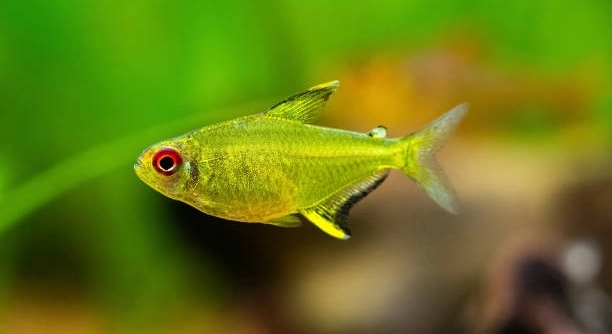
Lemon Tetras are small, vibrant fish that brighten any aquarium with their yellow hue and lively movements. Observing their color changes can be concerning, especially when they suddenly lose their brightness, leaving them pale and dull.
The primary cause of a Lemon Tetra turning pale unexpectedly is stress or poor water conditions. Factors such as improper temperature, low oxygen levels, sudden changes in lighting, or incompatible tank mates can affect their natural coloration, signaling a need for immediate attention and care.
Addressing these issues quickly can restore their health and vibrant appearance, ensuring a comfortable and stable environment for your Lemon Tetras to thrive.
Common Causes of Lemon Tetra Color Loss
Lemon Tetras can turn pale for several reasons, most of which relate to their environment or health. Poor water quality is a leading factor. High ammonia, nitrite, or nitrate levels can stress fish, causing them to lose their vibrant color. Temperature fluctuations also impact their appearance. These fish prefer stable water between 72 and 78°F, and sudden changes can make them pale. Overcrowding adds stress, as it limits swimming space and creates competition for food. Lighting plays a role too; inadequate or overly harsh lighting can affect their coloration. Stress from aggressive or incompatible tank mates can force them into hiding, reducing activity and dulling their color. Diet influences pigmentation as well. A lack of variety or essential nutrients may lead to paleness. Observing behavior alongside color changes helps determine if the issue is environmental, social, or nutritional.
Stress from any of these factors can manifest quickly, so monitoring conditions is crucial to maintain healthy, colorful fish.
Providing a balanced diet and stable water conditions promotes natural color and overall vitality in Lemon Tetras, helping them thrive in a home aquarium.
Water Quality and Its Impact
Water quality directly affects Lemon Tetra health. Poor filtration or infrequent water changes can accumulate toxins that stress fish.
High levels of ammonia, nitrites, or nitrates are harmful. Regular water testing is essential to keep these compounds low. Even small imbalances can reduce their color intensity and weaken their immune system. Temperature stability is equally important; fluctuations cause stress and make fish pale. Using a reliable heater and thermometer helps maintain consistent conditions. Oxygen levels must be sufficient, which can be supported by surface agitation or proper aeration. Clean substrate and removal of decaying food reduce bacterial growth. Compatibility with other tank mates minimizes aggressive interactions that can stress the fish. A routine that includes partial water changes, monitoring water chemistry, and maintaining clean equipment ensures that Lemon Tetras remain vibrant. Attention to these details prevents sudden color loss and supports overall health, creating a comfortable and safe environment for your fish to display their natural yellow hue and active behavior.
Stress and Tank Environment
Stress is a major factor in color loss for Lemon Tetras. Crowded tanks, aggressive tank mates, or sudden changes in lighting can make them pale. Stress reduces appetite and activity, affecting overall health and coloration. Maintaining a calm, stable environment helps them regain brightness.
Aggressive fish in the same tank can intimidate Lemon Tetras, forcing them to hide or swim less. Limited swimming space and frequent disturbances from other fish elevate stress levels, making pale coloring more apparent. Sudden environmental changes, such as rearranging decorations or adjusting light intensity, can also trigger stress. Consistent water conditions, proper tank size, and compatible companions are essential. Adding plants or hiding spots provides security, reducing stress-related color loss. Monitoring behavior and interaction is important to ensure the tank environment supports their well-being.
Dietary factors contribute to their stress resilience and coloration. High-quality, varied food helps maintain health and natural pigmentation. Inadequate nutrition weakens immunity, making fish more sensitive to environmental stressors. Feeding small portions multiple times a day mimics natural habits and reduces competition. Incorporating live or frozen foods alongside flakes or pellets supports vibrant colors and overall vitality. Observing how fish respond to diet changes can indicate whether nutrition or environment is affecting their appearance. Consistency in feeding routines also helps lower stress levels and promotes brighter coloration over time.
Lighting and Aquarium Setup
Proper lighting impacts Lemon Tetra color and activity. Too bright or dim lights can cause them to appear pale. Balanced lighting simulates natural conditions and reduces stress.
Aquarium decorations and plant placement influence comfort and visibility. Overcrowded or bare tanks can make Lemon Tetras stressed and less colorful. Hiding spots reduce stress, while open swimming areas encourage natural behavior. Adjusting light duration and intensity gradually helps them adapt. Plants, rocks, and subtle backgrounds create a secure, visually appealing environment. Proper filtration and gentle water flow maintain clarity without overwhelming them. Positioning lights to avoid direct glare and providing shaded areas supports their natural coloration. Regular observation ensures they are comfortable and displaying their typical vibrancy.
Diet and Nutrition
A poor diet can make Lemon Tetras turn pale. Lack of essential nutrients or limited variety reduces their natural yellow coloring. Offering a mix of high-quality flakes, pellets, and occasional live or frozen foods supports their health and vibrancy.
Feeding small portions several times a day mimics natural grazing habits. Overfeeding can pollute the tank, while underfeeding weakens the fish. Balanced nutrition directly affects coloration, energy, and immunity, helping them resist stress and maintain bright hues.
Disease and Parasites
Illnesses and parasites can also cause Lemon Tetras to lose color. Symptoms often include lethargy, clamped fins, or spots. Quarantining new fish, observing for changes, and maintaining water quality help prevent disease. Prompt treatment restores health and natural pigmentation.
Temperature Fluctuations
Sudden changes in water temperature stress Lemon Tetras and can lead to paleness. Consistent temperatures between 72 and 78°F support stable coloration and overall health. Monitoring and adjusting heaters carefully prevents unnecessary stress and maintains a safe environment for the fish.
Behavioral Changes
Shifts in behavior often accompany color loss. Pale fish may hide, eat less, or swim differently. Observing patterns helps identify environmental or health issues early, ensuring appropriate action can restore their normal color and vitality.
FAQ
Why is my Lemon Tetra suddenly pale?
A sudden pale color usually indicates stress or poor water conditions. Check water parameters, tank mates, temperature stability, and lighting. Stressful situations, such as overcrowding or aggressive fish, can cause them to lose their natural yellow hue quickly.
Can diet affect my Lemon Tetra’s color?
Yes, nutrition plays a key role. A diet lacking variety or essential nutrients can reduce pigmentation. Feeding a balanced mix of flakes, pellets, and occasional live or frozen foods helps maintain vibrant color and overall health. Small, frequent feedings are ideal.
How often should I change the water?
Regular water changes are essential to prevent toxin buildup. A 20–25% change every one to two weeks keeps ammonia, nitrites, and nitrates low, supporting both color and vitality. Consistent water quality reduces stress and improves immune response.
Do tank mates impact my fish’s color?
Yes, aggressive or incompatible tank mates can stress Lemon Tetras. They may hide or swim less, which dulls their coloration. Providing a calm environment with compatible fish ensures they can display natural hues and behaviors.
Can lighting cause paleness?
Lighting directly affects their appearance. Too dim or overly bright lighting can stress fish and alter color. A balanced, consistent light schedule with areas of shade allows Lemon Tetras to adjust naturally and maintain their vibrancy.
How do I know if it’s disease?
Illness or parasites can cause paleness alongside other symptoms like lethargy, clamped fins, or unusual spots. Observing behavior and appearance carefully helps distinguish between environmental stress and health problems. Early detection is key to effective treatment.
What is the ideal water temperature?
Lemon Tetras thrive between 72 and 78°F. Sudden temperature fluctuations cause stress and can make them pale. Use a reliable heater and thermometer to maintain a stable, comfortable environment that supports natural coloration.
Can stress from moving decorations affect them?
Yes, frequent rearrangements can stress fish, causing temporary paleness. They need a stable environment with hiding spots and open swimming space. Gradual adjustments to decorations or lighting help them adapt without losing color.
Should I quarantine new fish?
Quarantining new fish is important to prevent disease spread. Introducing untested fish can lead to illness, stress, and pale coloring. A separate tank for observation ensures existing Lemon Tetras remain healthy and vibrant.
How long does it take for them to regain color?
Recovery depends on the cause. Once stressors are removed, water quality is restored, and diet is improved, Lemon Tetras can regain natural color in days to weeks. Monitoring behavior and maintaining stable conditions accelerates this process.
Is overfeeding a problem?
Yes, overfeeding can pollute the tank, increasing toxins that stress fish. Feeding small portions multiple times a day ensures proper nutrition while protecting water quality, helping maintain bright coloration and good health.
Can hiding affect color?
Excessive hiding may indicate stress or intimidation. Fish that spend most of their time in hiding often appear paler. Providing plants or decorations for security while keeping open swimming areas encourages normal behavior and restores vibrant color.
Do water pH and hardness matter?
Yes, extreme pH or hardness can stress Lemon Tetras. Keeping water slightly acidic to neutral and monitoring hardness ensures comfort and stability. Balanced water chemistry supports pigmentation and reduces susceptibility to stress-related color loss.
Are temperature swings worse than consistent poor water quality?
Both are harmful, but sudden temperature changes often trigger immediate stress and paleness. Consistently poor water quality affects long-term health and color. Maintaining stable temperature alongside regular water changes is the most effective approach.
Can I improve color with supplements?
Certain vitamin or carotenoid supplements can enhance pigmentation if the diet lacks nutrients. Use them as part of a balanced feeding plan rather than a sole solution. High-quality food is more effective for long-term health and vibrant coloration.
How do I monitor stress in Lemon Tetras?
Watch for hiding, reduced activity, clamped fins, or loss of appetite. Stress often precedes color loss. Early detection allows quick adjustments in water quality, tank setup, and feeding to prevent further decline and restore natural vibrancy.
Does tank size matter?
Yes, insufficient space increases stress, reduces movement, and dulls color. Lemon Tetras need room to swim freely. Providing appropriate tank size with sufficient swimming areas and hiding spots supports health, behavior, and bright coloration.
Can overcrowding cause permanent color loss?
Overcrowding rarely causes permanent color loss if corrected quickly. Prolonged stress can weaken immune function and lead to long-term paleness. Reducing population density and improving tank conditions allows fish to regain natural color and vitality.
Is it normal for color to fade at night?
Yes, slight dimming during nighttime is normal. It is temporary and reversible. Sudden, prolonged paleness during the day, however, signals stress, illness, or environmental issues that need attention.
How can I prevent color loss in the future?
Maintaining stable water conditions, providing a balanced diet, monitoring tank mates, and ensuring proper lighting are key. Regular observation and proactive adjustments reduce stress and keep Lemon Tetras healthy and naturally vibrant.
This FAQ covers the most common reasons and solutions for unexpected color loss, helping ensure Lemon Tetras remain bright and active in their environment.
Final Thoughts
Lemon Tetras are delicate fish whose color reflects their overall health and comfort in the aquarium. When they turn pale, it is often a sign that something in their environment is not ideal. Water quality, temperature stability, and compatible tank mates play crucial roles in maintaining their natural yellow hue. Stress, whether from overcrowding, sudden changes, or aggressive companions, can make their color fade quickly. Observing their behavior alongside their coloration helps identify issues early. Fish that are hiding excessively, swimming less, or eating poorly are likely experiencing stress or discomfort. By addressing these factors, you can help restore their natural vibrancy and ensure they remain active and healthy. Paying attention to small details, such as water clarity, lighting, and consistent feeding routines, can prevent many of the common problems that cause paleness.
Nutrition also significantly impacts the appearance and vitality of Lemon Tetras. A varied and balanced diet supports pigmentation, energy, and overall immunity. Flakes or pellets should be supplemented occasionally with frozen or live foods to provide essential nutrients. Overfeeding can cause water pollution, while underfeeding reduces energy levels and dulls color. Feeding small portions multiple times a day mirrors their natural grazing habits and reduces competition in a group tank. Vitamin and carotenoid supplements can also help enhance coloration, but they are not a substitute for proper nutrition and care. Combining good feeding practices with a stable, well-maintained environment gives Lemon Tetras the best chance to display their characteristic brightness.
Maintaining a comfortable tank environment is key to long-term health and color retention. Temperature should be kept steady, ideally between 72 and 78°F, and water parameters should be monitored regularly. Lighting should simulate natural conditions without being too harsh or dim, and tank decorations should provide both open swimming space and hiding spots. Quarantining new fish prevents disease and minimizes stress for existing tank residents. Observing behavior, responding to changes in color or activity, and performing routine maintenance are all part of responsible fishkeeping. Consistency in care, combined with attention to diet, water quality, and tank setup, ensures that Lemon Tetras remain healthy, lively, and vibrant. With careful observation and proper management, their natural yellow coloration can be preserved, and the overall aquarium environment becomes more stable and enjoyable for all its inhabitants.

Hello,
If you enjoy the content that we create, please consider saying a "Thank You!" by leaving a tip.
Every little bit helps us continue crafting quality advice that supports the health, happiness, and well-being of pets around the world, for pets of all shapes, sizes, and species.
We really appreciate the kindness and support that you show us!