
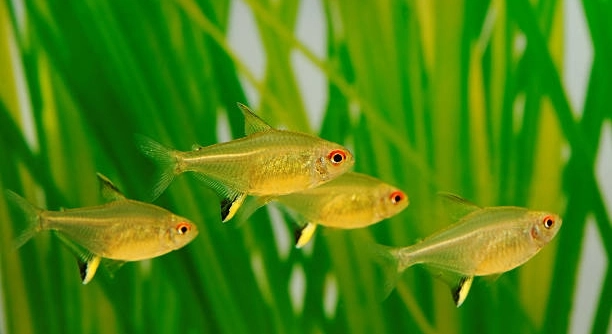
Do you ever notice your lemon tetras swimming listlessly, spending more time near the bottom of the tank than usual? Many fish owners are unaware that lighting can affect their tiny aquatic friends’ daily routines and overall comfort.
Lemon tetras can experience fatigue from prolonged exposure to bright or constant lighting. Excessive light can stress their nervous system, disrupt natural activity patterns, and reduce their ability to rest properly, ultimately affecting their health and behavior in the aquarium.
Understanding how light impacts your lemon tetras will help maintain a balanced and healthy tank environment. Adjusting lighting schedules and intensity can make a significant difference in their daily well-being.
Signs Your Lemon Tetra Is Experiencing Light Fatigue
When lemon tetras are exposed to too much light, they often display subtle changes in behavior. They may swim less energetically, hide more frequently, or cluster near shaded areas of the tank. Their coloration can appear duller, and they might lose interest in feeding at regular times. Over time, these signs indicate stress that can weaken their immune system and make them more susceptible to disease. Watching how they respond to light changes can help identify potential issues early. Tank decorations, plants, and floating cover can provide relief and reduce constant exposure. Observing your fish during different parts of the day allows you to notice patterns of fatigue. Ensuring there are periods of dim lighting or natural day-night cycles helps maintain their natural rhythms. Small adjustments in tank lighting schedules can have a noticeable effect on behavior and overall health.
Monitoring these behaviors is essential to prevent long-term stress.
Providing shaded areas and varied lighting gives lemon tetras a chance to rest naturally, reducing fatigue and supporting normal activity.
Adjusting Lighting to Improve Health
Reducing light exposure in the tank helps lemon tetras recover from fatigue. Using a timer or lowering brightness gradually provides a stable environment that respects their natural rhythms.
A consistent lighting schedule supports the health of lemon tetras by balancing activity and rest periods. Sudden or prolonged bright light can disrupt their internal clocks, affecting feeding, growth, and social behaviors. By adjusting light intensity and providing shaded regions, you can encourage more natural swimming patterns and improve coloration. Plants, driftwood, or floating decorations create spots for the fish to retreat when they feel overwhelmed, reducing stress levels. Gradually transitioning light in the morning and evening mimics natural dawn and dusk, helping their circadian rhythms stay intact. Monitoring tank conditions, including light duration and intensity, ensures the environment remains suitable for their well-being. Even minor changes in lighting can have a strong impact on their energy levels and overall health, making careful observation essential. Proper lighting management is a simple but effective step to maintain happy, healthy lemon tetras.
Preventing Light Fatigue
Using a timer ensures lemon tetras receive a consistent day-night cycle. Gradually dimming lights in the morning and evening helps them adjust naturally and prevents stress caused by sudden brightness changes.
Maintaining proper tank lighting is key to preventing fatigue. Sudden changes or prolonged exposure to intense light can disrupt their natural behavior and stress the fish. Installing a timer or adjustable lighting system allows for controlled transitions that mimic natural daylight patterns. Including plants or decorations provides shaded areas where tetras can retreat when they feel overstimulated. Regular observation of their behavior helps detect early signs of stress, allowing for quick adjustments. Avoid leaving lights on overnight or for extended periods, as constant exposure can exhaust their nervous system. Consistent lighting routines improve activity, feeding, and overall health.
Rotating decorations or adding floating plants can create more shaded zones in the tank. This simple adjustment gives lemon tetras additional rest areas, helping reduce stress and maintain energy levels.
Choosing the Right Lighting
Selecting lighting that is neither too bright nor too dim is essential for their well-being. LED or fluorescent lights with adjustable intensity work best for small aquariums.
The type of light in a tank influences how lemon tetras behave and feel. Bright, harsh lights can overstimulate them, causing hiding, lethargy, or even reduced feeding. Softer lights or adjustable systems allow for gradual increases or decreases in brightness, which is less stressful. Daylight-spectrum bulbs mimic natural sunlight, supporting normal activity and coloration. Combining proper lighting with floating plants or other shaded areas gives tetras options for rest and retreat. Observing how your fish respond to different lighting setups will help you find the right balance. Ensuring a stable and comfortable environment promotes healthy swimming patterns, reduces fatigue, and supports their immune system over time.
Timing Your Light Exposure
Setting a daily schedule for your tank lights helps lemon tetras stay active and rested. Consistent periods of light and darkness reduce stress and maintain natural rhythms.
Avoid leaving lights on for too long. Extended exposure can tire your tetras, causing lethargy and decreased appetite.
Using Plants and Decorations
Incorporating plants and decorations provides shaded areas for lemon tetras to hide and rest. Floating plants are particularly effective, offering soft cover from bright light. Dense foliage or driftwood creates retreat spaces, helping reduce stress. Observing how your fish interact with these areas can guide future tank arrangements.
Monitoring Behavior Changes
Watch for changes in swimming patterns, coloration, or feeding habits. Early detection of stress helps you adjust lighting and environment quickly.
FAQ
How long should lemon tetras be exposed to light each day?
Lemon tetras generally need about 8 to 10 hours of light daily. This mimics a natural day-night cycle and supports normal activity patterns. Too little light can affect their coloration, while too much can cause fatigue and stress. Using a timer ensures a consistent schedule.
Can lemon tetras recover from light fatigue?
Yes, they can. Reducing light intensity, creating shaded areas, and maintaining a stable lighting schedule help them recover. Gradual changes are important, as sudden adjustments may stress them further. Observing behavior during the adjustment period will show if they are improving.
Are LED lights better than fluorescent lights for preventing fatigue?
LED lights are often preferred because their intensity can be easily adjusted. They produce less heat and allow for gradual dimming. Fluorescent lights work too, but may need additional fixtures or timers to achieve a similar effect. Both types are fine if managed carefully.
Do floating plants really help reduce light fatigue?
Yes. Floating plants create natural shaded areas, giving tetras places to rest. These shaded spots mimic their natural environment and allow the fish to escape overly bright light. Regular observation ensures the plants are positioned effectively.
What signs indicate a lemon tetra is stressed from too much light?
Signs include lethargy, dull coloration, hiding more often, or reduced appetite. Fish may cluster near shaded areas or avoid swimming in bright sections of the tank. Early detection allows for quick adjustments to prevent long-term health issues.
Can too little light also harm lemon tetras?
Insufficient light can affect feeding habits, coloration, and overall activity. While overexposure causes fatigue, too little light can reduce energy levels and stress their circadian rhythms. Balanced lighting with shaded zones ensures optimal well-being.
How quickly should I adjust lighting if my tetras show signs of fatigue?
Make changes gradually over several days. Abrupt changes can create additional stress. For example, slowly dimming lights or gradually shortening the lighting period helps the fish adapt without disrupting their routines. Monitor their behavior closely during this period.
Are certain tank setups better for managing light exposure?
Tanks with floating plants, dense foliage, and driftwood naturally create shaded areas, giving tetras options to escape bright light. Open tanks without cover can make them more vulnerable to fatigue. Adjusting decorations helps create a balanced environment.
Does water quality affect how lemon tetras respond to light?
Yes, poor water quality can amplify stress from light exposure. High ammonia, nitrites, or improper temperatures can weaken fish, making them more sensitive to light. Keeping water clean and stable reduces overall stress and supports recovery.
Can I use dimmers instead of timers to control light?
Dimmers are effective if adjusted consistently. They allow gradual changes in brightness that mimic dawn and dusk, which helps tetras maintain natural activity patterns. Using a timer alongside dimmers ensures a predictable routine for their daily cycles.
Should I remove all bright lights if tetras show fatigue?
Not completely. They still need some light to feed and maintain normal behavior. Reducing intensity, adding shaded areas, or shortening light periods is safer than total darkness. Observing how they react guides adjustments effectively.
Is light fatigue common in lemon tetras compared to other fish?
It can occur more easily in small, sensitive species like lemon tetras. Their small size and active nature make them more affected by prolonged bright light than larger, hardier fish. Careful monitoring is essential to prevent chronic stress.
Do seasonal changes matter for tank lighting?
Seasonal changes in natural daylight are less relevant indoors, but replicating a slight variation in light duration can be beneficial. Slightly longer days in summer and shorter in winter can help maintain natural rhythms, especially if the tank is near a window.
How long does it take for a tetra to fully recover from light fatigue?
Recovery depends on severity and environment. Minor fatigue may improve in a few days, while prolonged overexposure can take a week or more. Consistent lighting schedules, shaded areas, and clean water all contribute to faster recovery.
Can too much artificial light affect breeding behavior?
Yes. Excessive light can stress tetras, reducing their likelihood to breed. Balanced lighting with shaded retreats helps maintain normal behavior, encouraging natural social interactions and potential spawning activity.
Should I combine light adjustment with diet changes?
Adjusting light alone is usually enough, but a healthy diet supports overall resilience. Feeding quality food in small, regular portions keeps energy levels stable, helping fish cope better with environmental stressors.
Is it okay to leave tank lights on while I’m away?
Only if the duration fits their natural cycle. Leaving lights on for extended periods can cause fatigue. Timers are the safest way to ensure they have consistent day-night cycles even when unattended.
Can other fish in the tank affect lemon tetras’ light stress?
Yes. Aggressive or highly active tank mates may push tetras into exposed areas, increasing stress under bright light. Providing plenty of hiding spots reduces conflict and allows tetras to rest away from dominant fish.
Do colored lights reduce fatigue compared to white lights?
Colored lights can reduce glare and intensity but are not a substitute for proper duration and shading. Soft, warm-toned lights often work well in combination with natural-style lighting schedules, giving tetras comfort without overstimulation.
How important is observing my fish daily?
Daily observation is crucial. Small changes in behavior, color, or activity levels indicate stress before serious health issues arise. Watching how tetras respond to lighting and adjusting accordingly ensures long-term well-being.
Final Thoughts
Lemon tetras are small, active fish that thrive in stable and well-balanced environments. One of the key factors in keeping them healthy is proper lighting. Too much light can cause fatigue, leading to lethargy, stress, and reduced appetite. On the other hand, too little light may affect their activity and coloration. Creating a consistent day-night cycle is essential. Using timers or adjustable lighting allows you to control how long the tank is illuminated each day, which helps the fish maintain natural rhythms. Observing your tetras’ behavior under different lighting conditions gives valuable insight into their comfort levels and needs. Simple adjustments, like dimming lights gradually in the morning and evening, can prevent stress before it becomes a serious issue.
Adding plants and decorations in the tank is another effective way to manage light exposure. Floating plants and dense foliage provide shaded areas where lemon tetras can rest when the light feels too strong. Driftwood, rocks, or other structures also offer hiding spots and reduce the overall intensity of light in certain parts of the tank. These shaded areas mimic natural environments, giving the fish places to retreat and feel secure. Watching how your tetras interact with these spaces can help determine if the setup is sufficient or if additional cover is needed. Creating a balanced environment that combines proper lighting, shaded retreats, and stable water conditions supports their energy levels, natural behavior, and overall health.
Monitoring and adjusting your tank’s lighting is a straightforward way to ensure the well-being of lemon tetras. Consistency is important, as sudden changes or prolonged exposure to bright light can increase stress and fatigue. Observing their swimming patterns, coloration, and feeding habits regularly allows for timely interventions. Recovery from light fatigue is possible with careful adjustments, shaded areas, and stable environmental conditions. Overall, a thoughtful approach to lighting, combined with regular observation and minor adjustments when needed, helps maintain healthy, active, and vibrant lemon tetras. Proper care creates an environment where these small, delicate fish can thrive, showing their full colors and natural behavior in the aquarium.

Hello,
If you enjoy the content that we create, please consider saying a "Thank You!" by leaving a tip.
Every little bit helps us continue crafting quality advice that supports the health, happiness, and well-being of pets around the world, for pets of all shapes, sizes, and species.
We really appreciate the kindness and support that you show us!