
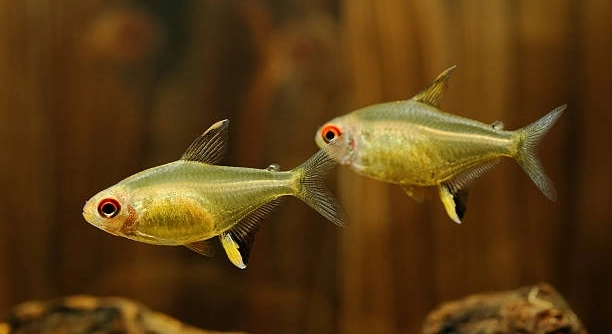
Have you ever set up a small aquarium and noticed your lemon tetras swimming close together but still seeming restless? Observing their behavior can make you realize how important the right group size really is for their comfort and activity.
The ideal group size for lemon tetras is generally six to twelve individuals. Keeping them in these numbers helps maintain natural schooling behavior, reduces stress, and encourages active swimming patterns, ensuring a healthier and more stable social dynamic in the aquarium.
Proper group planning not only keeps your tetras happy but also creates a lively and balanced tank environment that is enjoyable to watch every day.
Understanding Lemon Tetra Behavior
Lemon tetras are naturally social fish that thrive in groups. When kept alone or in too small a group, they can become shy and hide most of the time. Observing a proper-sized school is fascinating because they swim together in coordinated patterns, turning the aquarium into a lively scene. Their bright yellow color stands out more when they are active and moving as a group. Stress levels drop significantly when they have enough companions, which reduces the risk of illness. They also interact more during feeding, which keeps them alert and engaged. Tank decorations, plants, and hiding spots are still important, but the main factor for their comfort is the number of tetras together. Over time, I noticed that even small disturbances, like new additions to the tank, are less stressful when they have a proper group size. They seem more confident and less prone to sudden darting or hiding behaviors.
Keeping at least six tetras ensures a lively and natural swimming pattern.
Maintaining this group helps the fish establish a simple social hierarchy. Dominance is subtle and rarely aggressive, but having enough fish allows each individual to find its own place. A proper group size also reduces bullying and stress, creating a more balanced tank environment. Observing their synchronized movements is calming and makes feeding times more predictable. Additionally, healthy social interaction can improve their overall color and activity. With a small group, tetras may become timid, but with the right number, they display curiosity and energy, making the aquarium more engaging to watch. Overcrowding should be avoided because it can lead to stress and water quality issues, which harm the fish. Providing six to twelve lemon tetras strikes a good balance between activity, health, and tank space, ensuring they feel secure while showing their natural behavior.
Tank Setup for Groups
A tank of at least 20 gallons is recommended for six lemon tetras.
Choosing the right environment means adding live plants, open swimming space, and gentle filtration. Lemon tetras appreciate calm water with stable conditions, so avoiding strong currents helps them maintain schooling behavior. Soft lighting enhances their yellow color and encourages natural activity, while hiding spots like small caves or plant clusters provide security when they feel stressed. A balanced diet and regular water changes complement proper group size, keeping the fish healthy and active.
Setting up the tank correctly makes it easier to maintain a healthy group. Plants like java moss, floating species, or small stem plants create depth and provide cover for the tetras, helping them feel secure. Open swimming areas in the center of the tank allow them to school freely without obstruction. Filtration should be gentle to avoid strong currents, but effective enough to maintain clear water. Water temperature between 72–78°F and slightly acidic to neutral pH suits them best. Adding six to twelve tetras ensures proper social behavior, reducing stress and encouraging active swimming. Feeding them a mix of flakes, micro pellets, and occasional live or frozen foods supports their health. A well-planned tank not only highlights their color and activity but also supports long-term well-being, making observation rewarding.
Choosing the Right Tank Mates
Lemon tetras are peaceful and do well with other small, non-aggressive fish. Avoid large or aggressive species that may stress them. Compatible tank mates include small rasboras, guppies, and corydoras catfish.
Choosing tank mates carefully prevents bullying and ensures harmony. I found that keeping them with active, small fish allows all species to enjoy swimming freely without competition. Avoid fin-nipping fish or overly territorial species, as this can quickly stress lemon tetras. Mixed-species tanks work best when all fish share similar water requirements and swimming levels. This balance keeps the aquarium lively but calm. Over time, I noticed that lemon tetras are more confident and display better colors when they feel secure with peaceful companions.
When adding new tank mates, I gradually introduce them while monitoring interactions. Proper quarantine of new fish prevents disease. Observing their behavior for a week helps ensure everyone gets along. Group dynamics become stable faster if all fish are similar in size and temperament. Uneven group sizes or aggressive newcomers can disrupt schooling and increase hiding behavior. In my experience, a calm environment with thoughtful pairing makes the tank more enjoyable and reduces stress for lemon tetras, helping them maintain natural patterns and active swimming.
Feeding and Nutrition
Lemon tetras thrive on a varied diet of high-quality flake, micro pellets, and occasional frozen or live foods. Regular feeding keeps them healthy and colorful.
Providing balanced nutrition prevents deficiencies and supports natural behavior. I noticed my tetras are more energetic when fed small portions twice a day. Overfeeding can harm water quality, so controlled portions are key. Live foods like daphnia or brine shrimp add protein and encourage natural hunting instincts. Flakes and pellets supply essential vitamins and minerals, supporting growth and immune health. A mix of foods helps maintain vibrant yellow coloring and lively activity. Consistency in feeding routines reduces stress and keeps schooling patterns stable.
Rotating food types improves their health and keeps mealtime interesting. I alternate between flakes, pellets, and frozen treats to ensure proper nutrition. Feeding in small amounts allows them to consume everything without leaving excess to decay. This also helps maintain water quality and reduces algae growth. I found that lemon tetras respond positively to varied diets, becoming more active and social. Healthy fish display brighter colors, swim more energetically, and interact naturally within the group. Careful observation during feeding helps identify any signs of illness early, ensuring the group stays strong and vibrant over time.
Water Quality and Maintenance
Keeping water clean and stable is essential for lemon tetras. Regular water changes, proper filtration, and monitoring pH and temperature help prevent stress and disease.
I stick to weekly water changes of about 25 percent. Testing water for ammonia, nitrite, and nitrate ensures a healthy environment. Stable conditions reduce hiding behavior and keep the tetras active and vibrant.
Lighting and Aquascaping
Moderate lighting and plenty of plants help lemon tetras feel secure. Floating plants provide shade, while open swimming areas allow natural schooling behavior. A mix of tall and short plants creates depth, giving each fish a place to explore or retreat when needed.
Recognizing Stress in Lemon Tetras
Signs of stress include hiding, dull color, erratic swimming, or loss of appetite. Addressing tank conditions and group dynamics quickly can prevent long-term health problems. Observing behavior daily helps identify subtle changes and maintain a balanced, thriving aquarium.
FAQ
How many lemon tetras should I start with in a new tank?
Starting with at least six lemon tetras is ideal. Smaller numbers can lead to stress, hiding, and lack of natural schooling behavior. I usually recommend adding the full group at once if possible, so they can establish social bonds together without feeling isolated.
Can lemon tetras live with other fish?
Yes, they do best with peaceful, small fish that share similar water requirements. Species like guppies, rasboras, and corydoras catfish work well. I learned that introducing compatible fish gradually helps maintain harmony, and aggressive or larger fish should always be avoided.
What size tank is necessary for a school of lemon tetras?
A minimum of 20 gallons is needed for a group of six. Larger tanks are better for bigger groups, providing space to swim freely. I noticed that in smaller tanks, tetras become stressed and hide more often, while a properly sized tank encourages natural schooling.
How often should I feed lemon tetras?
Feeding twice a day in small portions works best. Overfeeding can pollute the water, while underfeeding can weaken them. I rotate between flakes, micro pellets, and occasional frozen or live foods to keep them healthy and active. They respond well to variety in their diet.
What water conditions do lemon tetras prefer?
They thrive in slightly acidic to neutral pH (6.5–7.5) and temperatures between 72–78°F. Stable water conditions reduce stress and improve color. I test water regularly and perform partial weekly changes to maintain consistent quality. Strong fluctuations often result in hiding or sluggish behavior.
How can I tell if my lemon tetras are stressed?
Stress signs include hiding, dull color, erratic swimming, or loss of appetite. I watch my tetras closely during daily care. If I notice these behaviors, I check water quality, tank mates, and environment setup immediately. Prompt action helps prevent illness and keeps the group stable.
Is it necessary to have plants in the tank?
Yes, plants provide cover, reduce stress, and mimic natural habitat. Floating plants give shade, while stem plants and moss create hiding spots. I found that a planted tank makes tetras feel secure and encourages active schooling without constant stress or hiding.
How do I introduce new tetras to an existing group?
Quarantine new fish for at least two weeks to prevent disease. Gradually acclimate them to the tank water, then add them while observing interactions. I usually add one or two at a time with similar size fish to prevent bullying and maintain balance in the group.
Can lemon tetras live in cold water tanks?
They prefer tropical conditions and cannot tolerate cold water below 70°F. I always use a heater to maintain consistent temperature. Cold water slows metabolism, reduces activity, and can lead to illness over time. Proper warmth ensures they swim actively and maintain bright coloration.
What should I do if one tetra dies?
Remove the fish immediately to prevent water contamination. Check water parameters carefully and observe the remaining tetras for signs of stress or disease. I sometimes add a replacement only if the group size drops below six, keeping their social dynamics intact.
How long do lemon tetras typically live?
With proper care, they live around five to seven years. I noticed that consistent water quality, balanced diet, and suitable group size significantly affect their lifespan. A stable environment ensures they remain healthy and active throughout their lives.
Are lemon tetras aggressive toward each other?
No, they are peaceful fish. Minor chasing may occur when establishing hierarchy, but aggression is rare. I found that maintaining six to twelve individuals prevents dominance issues and allows natural schooling without stress or injury.
Do lemon tetras need special filtration?
Gentle but effective filtration is sufficient. Strong currents can stress them and disrupt schooling. I use filters that keep water clean while maintaining calm conditions, which helps them swim naturally and reduces hiding or erratic behavior.
How can I improve their color naturally?
A balanced diet with flakes, pellets, and occasional live or frozen foods enhances their yellow coloration. I also ensure stable water conditions and low stress. Healthy tetras display brighter colors when they feel safe, are active, and are well-fed consistently.
What are the signs of disease in lemon tetras?
Signs include clamped fins, faded color, white spots, lethargy, or erratic swimming. I always monitor my fish daily and treat any disease immediately. Early detection and proper quarantine prevent outbreaks and help maintain a healthy group.
Can lemon tetras breed in a home aquarium?
Yes, but they need a well-planted tank with soft, slightly acidic water. I sometimes separate them into a breeding tank for better success. Spawning behavior is subtle, and eggs must be protected from adults, who may eat them if left in the main tank.
Is it okay to keep a very large school of lemon tetras?
Large schools are fine if the tank is spacious enough. I make sure the tank provides enough swimming room and filtration to support more than twelve tetras. Overcrowding stresses them and affects water quality, so tank size must match the group.
How do I maintain a calm and balanced group?
Keep water stable, feed consistently, and maintain appropriate group size. I pay attention to tank mates and decorations. Regular observation helps me notice any signs of stress early. Calm, compatible conditions encourage natural schooling and active, healthy behavior.
Can lemon tetras coexist with shrimp or snails?
Yes, peaceful invertebrates like shrimp and snails are compatible. I added small cherry shrimp to my tank and found no conflicts. They help with algae and detritus without disturbing the tetras, making them a practical addition to a balanced community tank.
What is the most common mistake when keeping lemon tetras?
Underestimating the importance of group size and water stability. I’ve seen many tetras become stressed or sick in tanks that are too small or poorly maintained. Ensuring proper schooling, clean water, and peaceful tank mates avoids most common issues.
How often should I check water parameters?
Weekly testing is sufficient for stable tanks. I monitor pH, ammonia, nitrite, and nitrate levels, especially after water changes or adding new fish. Regular checks prevent stress, disease, and unexpected behavior changes in the group.
Are lemon tetras suitable for beginners?
Yes, they are hardy if basic requirements are met. I recommend beginners focus on group size, water quality, and compatible tank mates. With these in place, lemon tetras thrive and display active schooling, making them rewarding to keep and observe.
Lemon tetras are small, peaceful fish that bring life and color to any aquarium. Their bright yellow hues and active schooling behavior make them enjoyable to watch. Maintaining the proper group size is essential for their well-being. Keeping at least six individuals allows them to exhibit natural behavior, reduces stress, and creates a more stable social environment. When they feel safe and secure with companions, they swim confidently, explore the tank, and interact more freely. I have found that observing a proper school of lemon tetras is far more rewarding than trying to keep only a few in a smaller space, as they are more relaxed and display their natural energy.
The health of lemon tetras depends on several factors beyond group size. A suitable tank with open swimming space, gentle filtration, and planted areas helps them feel comfortable. Water quality and temperature play a major role in their activity levels and overall longevity. I pay close attention to maintaining stable water conditions, performing regular partial water changes, and checking parameters like pH, ammonia, nitrites, and nitrates. Feeding a varied diet of high-quality flakes, micro pellets, and occasional frozen or live foods ensures proper nutrition and vibrant coloring. By combining these elements with the right number of fish, the tank becomes a safe and lively environment that promotes both physical health and natural behavior patterns.
Choosing compatible tank mates, monitoring for stress, and observing behavior daily are equally important in keeping a balanced aquarium. Lemon tetras respond positively to calm, peaceful species and proper decorations that provide both cover and open space. Overcrowding, aggressive companions, or sudden changes in the environment can lead to hiding, dull color, or reduced activity. I have noticed that when all these factors are considered, lemon tetras thrive for years, maintaining bright coloration, active swimming, and natural social behavior. A well-planned and properly maintained aquarium allows these small fish to flourish, making them a charming and rewarding addition for anyone willing to provide consistent care and attention.

Hello,
If you enjoy the content that we create, please consider saying a "Thank You!" by leaving a tip.
Every little bit helps us continue crafting quality advice that supports the health, happiness, and well-being of pets around the world, for pets of all shapes, sizes, and species.
We really appreciate the kindness and support that you show us!