
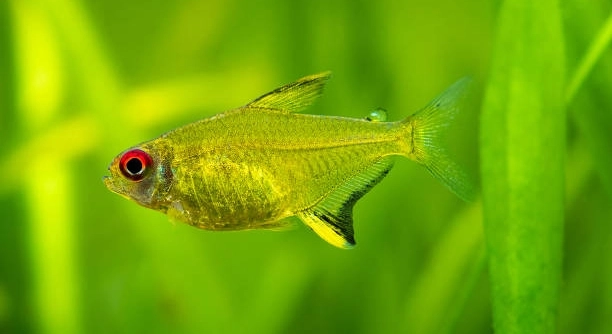
Lemon tetras are bright, lively fish that bring color to any aquarium. Watching them swim gracefully can be relaxing, but sometimes their behavior or appearance changes in ways that signal something might be wrong.
Recognizing signs of distress in lemon tetras is crucial for their wellbeing. Symptoms such as unusual swimming patterns, loss of appetite, faded coloration, or labored breathing often indicate health issues that require prompt attention to prevent serious consequences.
Knowing what to look for will help you keep your fish healthy and happy in their environment, ensuring they thrive in your care for years.
Loss of Appetite
When a lemon tetra stops eating, it’s often one of the first signs that something is off. They usually swim around the tank quickly, searching for food, but a sick fish may hover near the bottom or ignore flakes and pellets entirely. Loss of appetite can stem from poor water conditions, sudden temperature changes, or internal illness. It’s important to monitor other behaviors, like lethargy or hiding, because these often accompany appetite loss. Some minor issues may resolve after a water change, but persistent refusal to eat usually requires intervention. Ensuring that your fish receives high-quality, appropriate food can help maintain their health. Sometimes offering a variety of food types, like live or frozen options, can entice them to eat and reveal whether the problem is dietary or health-related. Observing them daily helps you catch these changes early before they become more serious.
Appetite loss often signals a need for water quality checks or health assessment. Acting quickly can prevent worsening.
Tracking feeding patterns closely gives insight into potential illness. If appetite doesn’t return, checking tank parameters, adjusting diet, and observing for other symptoms is essential. Prompt action can save your tetra’s health and prevent disease spread to other tank mates.
Faded or Dull Colors
A vibrant lemon tetra usually displays bright yellow and silver hues, but when these colors fade, it can indicate stress or sickness. Fading may happen gradually or appear suddenly after a stressful event, like a sudden temperature drop, overcrowding, or aggressive tank mates. Poor water quality is another major factor, as high nitrate or ammonia levels can affect their coloration. Sometimes, parasites or infections cause skin changes, leading to a dull appearance. Ensuring stable tank conditions and proper nutrition is essential to restore vibrancy. Regular water testing and partial water changes help maintain ideal living conditions. Additionally, providing hiding spots and minimizing stress from other fish improves their overall wellbeing. Monitoring color changes alongside other symptoms like sluggish movement or frayed fins can help pinpoint the problem. In many cases, early intervention can prevent further health decline. By paying attention to your tetra’s appearance, you can take steps to protect their health and keep them looking lively.
Faded colors are often an early warning of stress or illness in your tetra.
Addressing tank conditions, nutrition, and potential infections early can restore your tetra’s brightness. Ensuring proper care prevents more serious health problems and helps them regain their natural, lively appearance.
Labored Breathing
Labored breathing in lemon tetras appears as rapid gill movement or gasping at the water’s surface. It can indicate low oxygen, poor water quality, or a respiratory infection. Immediate attention is needed to prevent worsening health.
Ensuring proper oxygen levels in the tank is critical when you notice labored breathing. Check that your filter is running efficiently and consider adding an air stone or adjusting water flow. Poor water quality, including high ammonia or nitrite levels, can also stress fish, making breathing difficult. Observing whether other fish show the same symptoms can help identify whether it’s a tank-wide problem or isolated to one fish. Prompt water testing and partial changes often improve the situation. If breathing issues persist, consulting with a veterinarian or experienced aquarist may be necessary.
Labored breathing can also be linked to infections or parasites affecting the gills. Signs like clamped fins, lethargy, or rubbing against objects may accompany breathing difficulty. Treatment may involve isolating the fish in a hospital tank and using medications recommended for respiratory issues. Maintaining stable temperature and clean conditions supports recovery, and observing daily ensures early detection of worsening symptoms. Addressing these factors quickly can make a significant difference in your tetra’s health and prevent long-term damage.
Erratic Swimming
Erratic swimming includes sudden darting, spinning, or crashing into tank objects. It often signals stress, poor water conditions, or neurological issues. Observing patterns can help determine the cause and appropriate response.
Changes in swimming behavior often reflect discomfort or illness. High nitrate or ammonia levels, overcrowding, or incompatible tank mates can trigger sudden bursts of activity or aimless swimming. Infections such as swim bladder disease also disrupt normal movement. Keeping a consistent environment with proper temperature, pH, and clean water reduces stress. Providing hiding places and avoiding abrupt changes in the tank setup can help your fish feel secure. Monitoring interactions with other fish is essential, as bullying can cause repeated stress responses. Quick identification of the cause allows you to intervene before behaviors worsen.
Erratic swimming may also indicate internal health issues affecting coordination. Parasites or bacterial infections can impact the nervous system, resulting in spinning or floating uncontrollably. Observing feeding behavior, color, and fin condition alongside swimming patterns gives a clearer picture of overall health. If symptoms persist, isolating the affected fish and administering recommended treatments can prevent deterioration. Maintaining stable, clean water conditions and proper nutrition supports recovery and helps prevent future occurrences. Regular observation ensures you catch subtle changes before they escalate.
Hiding More Than Usual
Hiding for long periods can indicate stress or illness in lemon tetras. If a fish spends most of its time behind plants or decorations, it may be feeling unwell or threatened by other tank mates.
Sudden changes in behavior, like increased hiding, often coincide with poor water quality, aggression from other fish, or internal health issues. Monitoring tank conditions and observing interactions helps identify the cause. Adjusting the environment or isolating the fish can reduce stress and support recovery.
Clamped Fins
Clamped fins, where the fins are held close to the body, usually signal discomfort or disease. This behavior often appears alongside other signs such as lethargy or loss of appetite, pointing to stress or poor water quality affecting the fish’s overall health.
White Spots or Patches
White spots or patches on the body or fins are common indicators of parasitic infections, often known as ich. Early detection and treatment are key to preventing the spread and worsening of the condition.
Lethargy
Lethargy in lemon tetras shows as slow movement, resting at the bottom, or minimal response to surroundings. Persistent lethargy can indicate illness, poor water conditions, or nutritional deficiencies.
FAQ
How can I tell if my lemon tetra is sick?
Signs of illness include loss of appetite, faded colors, clamped fins, labored breathing, and unusual swimming patterns. Observing behavior closely every day helps catch subtle changes. Sudden hiding or lethargy can also indicate stress or health issues that need attention.
What should I do if my lemon tetra stops eating?
Check water quality immediately. Test for ammonia, nitrite, nitrate, and pH levels. Ensure the tank is at a stable temperature. Offering high-quality or varied foods like frozen or live options can sometimes encourage feeding. Persistent refusal may require isolating the fish and seeking treatment for possible disease.
Why are my lemon tetras’ colors fading?
Faded colors often reflect stress, poor water conditions, or illness. Ensure the tank is clean, stable, and not overcrowded. Monitor interactions with other fish, as bullying can also dull their appearance. Proper nutrition and a low-stress environment can help restore their natural vibrancy over time.
What causes labored breathing in lemon tetras?
Labored breathing may result from low oxygen, poor water quality, or infections affecting the gills. Ensure proper aeration with a filter or air stone and maintain clean water. Persistent breathing issues may require medical treatment or isolation in a hospital tank. Observing other fish can help determine if it’s tank-wide.
Why is my tetra swimming erratically?
Erratic swimming often signals stress, neurological issues, or infections like swim bladder disease. Check tank conditions, water parameters, and potential aggression from other fish. Stable water, hiding spots, and proper diet support recovery. Persistent abnormal swimming may require isolating the affected fish and using recommended treatments.
How can I prevent diseases in lemon tetras?
Regular water testing, partial water changes, and maintaining a stable environment are key. Avoid overcrowding and monitor fish behavior daily. Quarantining new fish before adding them to the main tank reduces the risk of introducing infections. Providing a balanced diet strengthens immunity and overall health.
When should I see a veterinarian for my fish?
Seek professional help if your fish shows persistent symptoms like continuous lethargy, labored breathing, severe color loss, or unresponsive behavior. Early intervention improves the chances of recovery. Bringing clear observations about tank conditions and behavior helps the veterinarian diagnose more accurately.
Can tank mates affect my lemon tetra’s health?
Yes, aggressive or incompatible tank mates cause stress, leading to hiding, clamped fins, or erratic swimming. Stress reduces immunity, making tetras more vulnerable to disease. Choosing peaceful species and providing enough space and hiding areas helps maintain a healthy community tank.
How often should I check my tank’s water?
Water parameters should be monitored at least once a week. Frequent checks for ammonia, nitrites, nitrates, and pH help detect issues early. Adjusting filtration, performing partial water changes, and keeping temperature stable prevents stress and health problems in lemon tetras.
What foods are best for lemon tetras?
A varied diet is important. High-quality flakes or pellets, supplemented with frozen or live foods like brine shrimp or daphnia, ensures proper nutrition. Feeding small amounts multiple times a day prevents overeating and keeps water quality stable, supporting overall health and coloration.
Can stress alone make a lemon tetra sick?
Yes, prolonged stress weakens immunity and can trigger illness. Causes include overcrowding, aggressive tank mates, sudden water changes, or poor nutrition. Minimizing stress through stable conditions, hiding spaces, and consistent feeding routines helps tetras maintain health and vibrant colors.
How do I isolate a sick fish?
Use a separate quarantine tank with clean, conditioned water. Replicate temperature and water parameters from the main tank to reduce additional stress. Monitor the fish daily, provide appropriate food and treatments, and prevent other fish from coming into contact until full recovery.
Are white spots always ich?
Most often, white spots indicate ich, but other parasites or fungal infections can look similar. Early detection and treatment are essential. Observing behavior and combining visual signs with water quality checks helps identify the correct cause and treatment method.
Can poor water cause multiple health issues?
Absolutely. Poor water quality affects gills, digestion, and immunity. High ammonia or nitrite levels can cause labored breathing and lethargy. Maintaining stable, clean water through regular testing, filtration, and partial changes prevents stress and many common diseases in lemon tetras.
How long does it take for a sick tetra to recover?
Recovery depends on the illness and how quickly it is addressed. Mild stress or minor infections may improve within a few days with water adjustments and proper care. Severe infections or prolonged neglect can take weeks and may require medication and isolation. Observing daily ensures timely interventions.
Lemon tetras are small, delicate fish that bring color and life to any aquarium, but their health depends heavily on careful observation and consistent care. Paying attention to subtle changes in behavior, appetite, and appearance can make a big difference in their well-being. Signs like faded colors, clamped fins, erratic swimming, or labored breathing are often early indicators that something is not right. Addressing these issues quickly can prevent minor problems from turning into serious health concerns. Monitoring your fish daily allows you to notice changes early, which is often the key to effective care. Keeping a log of behaviors, feeding habits, and water conditions can be helpful for tracking patterns and spotting potential problems before they escalate.
Maintaining clean and stable water conditions is one of the most important steps in keeping lemon tetras healthy. Regular water testing and partial water changes help prevent the buildup of harmful chemicals such as ammonia, nitrites, and nitrates. Proper filtration and aeration ensure that oxygen levels remain adequate and the water stays clear. Tank setup also matters; providing enough space, hiding spots, and compatible tank mates reduces stress, which is a major factor in disease prevention. Nutrition is another critical component. Feeding a balanced diet of high-quality flakes or pellets, supplemented occasionally with frozen or live food, supports vibrant coloration, strong immunity, and overall vitality. Overfeeding should be avoided, as it can quickly deteriorate water quality and harm the fish.
Understanding the behaviors and needs of your lemon tetras helps create a stable environment where they can thrive. Stress, poor water quality, and illness often interact, so addressing one issue often improves others as well. Isolation of sick fish in a separate tank, proper medication when necessary, and careful monitoring are steps that can save a fish’s life. Observing patterns, providing a consistent routine, and minimizing sudden changes will make your tetras more resilient to minor challenges. Ultimately, keeping lemon tetras healthy requires patience, attention to detail, and a commitment to their daily care. With proper care, they remain active, vibrant, and enjoyable to watch, making the effort worthwhile for any aquarist.

Hello,
If you enjoy the content that we create, please consider saying a "Thank You!" by leaving a tip.
Every little bit helps us continue crafting quality advice that supports the health, happiness, and well-being of pets around the world, for pets of all shapes, sizes, and species.
We really appreciate the kindness and support that you show us!