
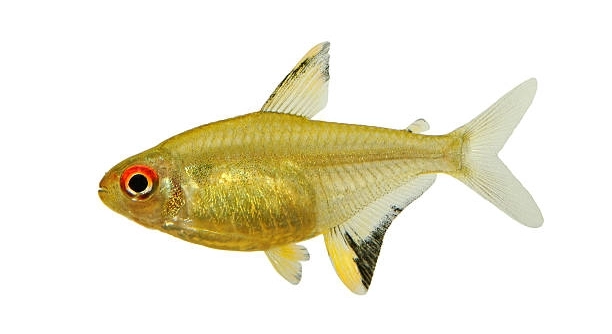
Lemon tetras are small, bright fish that can add life to any aquarium. They are peaceful and social, but sometimes owners notice them jumping out of tanks unexpectedly. This behavior can be worrying and confusing for beginners.
Lemon tetras may jump out of tanks due to stress, poor water conditions, overcrowding, sudden changes in environment, lack of hiding spaces, aggressive tank mates, or attempts to escape unsuitable water parameters. Addressing these factors can reduce jumping incidents.
Learning why this happens helps you create a safer home for your fish. By understanding their needs, you can prevent accidents and ensure a healthier, calmer tank environment.
Stress in Lemon Tetras
Lemon tetras are sensitive creatures, and stress is a major reason they may leap from a tank. Stress can come from sudden changes in lighting, loud noises, or frequent tapping on the glass. Even minor disturbances like rearranging decorations or moving the tank can unsettle them. When stressed, fish may exhibit erratic swimming, loss of color, or hiding more than usual. Over time, chronic stress can weaken their immune system, making them more prone to illness. Keeping a calm environment and consistent routine helps maintain their well-being. Observing your tetras daily allows you to notice subtle changes in behavior before stress becomes severe. Stress management is crucial, especially in small or crowded tanks where minor disruptions are amplified. Regular monitoring of water quality and tank conditions also reduces stress significantly. Providing plants or shelters gives them safe spots to retreat, lowering the likelihood of jumping incidents.
Maintaining a peaceful tank environment is essential to prevent stress-related jumping. Calm surroundings keep lemon tetras safer and healthier.
Creating a stable environment involves more than just avoiding loud noises. Regular feeding schedules, gentle water changes, and consistent temperature are all part of reducing stress. Including live plants or hiding spots provides security, while avoiding overcrowding ensures each fish has room to swim freely. Stress is often linked to other problems, like illness or aggression, so preventing it protects both individual fish and the group as a whole. Monitoring behavior allows you to act early, adjusting tank conditions as needed. Simple measures like soft lighting and minimal disturbances can dramatically reduce stress. Over time, tetras adapt better to their environment when they feel safe, which decreases sudden jumps. By combining proper care, attention, and thoughtful tank setup, owners can create a stable habitat that encourages natural behavior and reduces risky jumping tendencies.
Poor Water Quality
Poor water quality can drive lemon tetras to jump out of their tank. High ammonia or nitrite levels irritate their gills, causing discomfort and restlessness.
Maintaining clean, filtered water and regular testing prevents sudden changes that trigger jumping.
Lemon tetras thrive in stable water conditions with appropriate temperature, pH, and chemical balance. Fluctuations or pollutants can make them feel unsafe, prompting attempts to escape. Regular water changes, proper filtration, and careful observation of water parameters help avoid stress-related behaviors. Dirty tanks also encourage disease, which can amplify discomfort and erratic swimming. Even small changes, like leftover food or decaying plants, impact water quality. Ensuring a consistent environment reduces jumping incidents and promotes long-term health. Over time, fish learn to trust a well-maintained habitat, making them calmer and less likely to try escaping. Clear water and proper maintenance are not just aesthetic choices—they are essential for their survival. Proper care ensures a safe, comfortable environment where lemon tetras can swim freely without risk.
Overcrowding
Overcrowding can make lemon tetras feel trapped and stressed, increasing the chances they will jump. Too many fish in one tank reduces swimming space and creates competition for food and hiding spots, making the environment uncomfortable.
When a tank is overcrowded, tetras often swim erratically or cling near the surface, looking for space. Limited room can lead to fights, chasing, or constant disturbances that raise stress levels. Fish need enough room to explore, rest, and maintain social structures. Overcrowding also affects water quality, as more waste accumulates faster, further stressing the fish. Ensuring proper stocking levels and monitoring fish behavior helps reduce jumping and promotes a calmer tank.
Reducing the number of fish or providing a larger tank can dramatically improve their comfort. Adding plants and decorations creates visual barriers, giving them a sense of space and security. By balancing population and tank size, lemon tetras feel safer and exhibit more natural, relaxed behavior.
Aggressive Tank Mates
Aggressive fish can intimidate lemon tetras, causing them to jump to escape threats. Even minor chasing or nipping increases stress and can lead to erratic behavior.
Keeping compatible species is essential. Lemon tetras are small and peaceful, so larger or territorial fish should be avoided. Aggressive tank mates disrupt feeding, swimming, and resting patterns, forcing tetras to constantly react to danger. Even in mixed tanks, observation is necessary to ensure no bullying occurs. Stress from aggression is cumulative, and repeated incidents often result in attempted escapes. Rearranging tank décor can create hiding spots, but choosing calm companions remains the most reliable solution.
Aggression impacts their health, weakening immune response and causing color fading or lethargy. Continuous stress may trigger sudden jumps as fish attempt to flee. Providing enough space, hiding areas, and peaceful neighbors reduces the need for escape behavior. Regular observation allows you to identify and separate problem fish early. Selecting tank mates carefully ensures lemon tetras can thrive safely, swim freely, and maintain a balanced social environment without constant fear.
Sudden Environmental Changes
Sudden changes in light, temperature, or decorations can startle lemon tetras and trigger jumping. They rely on consistent surroundings to feel secure and adapt slowly to new conditions.
Even minor alterations, like moving a plant or adjusting the heater, can disrupt their routine. Consistency in the tank environment is key to preventing stress-related escapes.
Lack of Hiding Spots
Lemon tetras need places to hide and feel safe. Without sufficient cover, they become anxious and may try to leap from the tank.
Providing plants, rocks, or decorations creates shelter, reduces stress, and encourages natural behavior.
Escaping Unsuitable Water Parameters
Water that is too hard, soft, acidic, or alkaline can push lemon tetras to jump. They are sensitive to chemical imbalances and react to discomfort instinctively. Regular testing and adjusting water parameters keeps them healthy and less likely to attempt escaping their tank.
How can I stop my lemon tetra from jumping?
Preventing jumping starts with providing a stable, comfortable environment. Make sure the tank has a secure lid to avoid accidents. Check water quality regularly, maintain consistent temperature and pH, and avoid sudden changes in lighting or decorations. Adding plants and hiding spots gives them security, which lowers stress and discourages leaping.
Why do lemon tetras jump more at night?
Lemon tetras may jump at night due to sudden disturbances or reflections on the water surface. They can become startled by shadows, vibrations, or noises near the tank. Ensuring a calm, quiet environment at night and keeping lights on a gentle timer can help reduce nighttime jumping.
Can overcrowding cause jumping?
Yes, overcrowding often forces tetras into stressful situations. Limited space increases competition for food and hiding spots, causing anxiety and erratic swimming. Reducing the number of fish or upgrading to a larger tank allows them room to move freely, reducing the risk of jumping.
Do aggressive tank mates affect jumping behavior?
Aggressive fish can intimidate lemon tetras, making them try to escape. Even minor chasing or nipping raises stress and triggers sudden jumps. Choosing calm, compatible tank mates and creating sufficient hiding spots helps maintain a peaceful environment and reduces these incidents.
How important is water quality in preventing jumps?
Water quality is critical. High levels of ammonia, nitrites, or sudden pH changes irritate gills and cause discomfort. Tetras may leap to escape unsuitable water. Regular testing, proper filtration, and consistent water changes are essential to keep their environment safe and stress-free.
Can sudden environmental changes make tetras jump?
Yes, sudden shifts in temperature, lighting, or decorations can startle lemon tetras. They adapt slowly to changes and feel threatened by unpredictable disturbances. Maintaining consistency and making gradual adjustments when needed helps them feel secure, reducing the urge to leap from the tank.
Do lemon tetras need hiding spots?
Absolutely. Hiding spots reduce stress and provide a sense of safety. Without them, tetras may feel exposed and attempt to jump. Incorporating plants, rocks, or decorative shelters creates natural barriers, allowing them to retreat when anxious and promoting calm, natural behavior.
Can illness cause jumping?
Illness or parasite infestations can make tetras restless and uncomfortable, increasing the likelihood of jumping. Watching for other signs, like faded colors, clamped fins, or abnormal swimming, can help catch health problems early. Treating illnesses promptly and maintaining clean water reduces escape attempts caused by discomfort.
Does feeding affect jumping behavior?
Overfeeding or underfeeding can contribute indirectly. Overfeeding leads to poor water quality, while inconsistent feeding schedules can stress the fish. Providing a balanced diet and consistent feeding routine helps keep tetras healthy, relaxed, and less prone to sudden jumps.
How can I create a tank that minimizes jumping?
A safe tank combines proper size, compatible tank mates, hiding spots, and stable water conditions. Avoid sudden changes and maintain regular maintenance routines. Plants, décor, and gentle lighting improve security, while proper monitoring ensures a calm environment where lemon tetras feel safe and content.
Are lemon tetras more likely to jump during water changes?
Yes, water changes can trigger jumping if done too quickly or without acclimation. Gradually replacing water and maintaining temperature consistency helps minimize stress. Performing partial, routine water changes rather than sudden full replacements keeps tetras comfortable and reduces escape attempts.
Can tank shape or lid design impact jumping?
Tanks with open tops or low edges make jumping easier. A secure lid, preferably with minimal gaps, prevents accidents. Decorations and plants can also break line-of-sight, making the fish feel more secure and less likely to leap over the edges.
How often should I monitor water parameters to prevent jumping?
Daily observation is best for behavioral cues, while weekly testing of ammonia, nitrite, nitrate, and pH ensures stable conditions. Spotting problems early allows for quick correction, maintaining a safe and stress-free habitat that discourages jumping behavior.
Do lemon tetras jump more in new tanks?
Yes, new tanks can feel unfamiliar and threatening. Stress from adjusting to water parameters, decorations, or lighting may provoke jumping. Gradual acclimation, hiding spots, and stable conditions help tetras settle in safely, reducing the risk of escape attempts during the first few weeks.
What signs indicate a tetra might jump soon?
Erratic swimming near the surface, constant darting, or frequent attempts to reach the tank edges can indicate stress. Fading color, clamped fins, or hiding in unusual spots also signal discomfort. Recognizing these signs early allows preventive measures before a jump occurs.
Can temperature fluctuations trigger jumping?
Sudden changes in water temperature create stress and discomfort. Tetras are sensitive to both heat and cold, and abrupt shifts may prompt escape attempts. Keeping a stable, species-appropriate temperature with a reliable heater or chiller is essential to prevent jumps.
Does tank decoration placement matter?
Yes, poorly arranged decorations may block swimming space or reduce hiding areas. Tetras feel safer with plants or rocks that provide cover. Thoughtful layout balances open swimming areas with secure spots, minimizing stress and discouraging attempts to leap from the tank.
Are young tetras more likely to jump than adults?
Younger tetras can be more skittish and curious, making them prone to sudden jumps. Adults usually adapt better to tank conditions, but both age groups benefit from secure environments, stable water, and plenty of hiding spots to reduce jumping behavior.
Can sudden noise or vibration trigger jumping?
Yes, tapping the glass, loud music, or vibrations near the tank can startle lemon tetras. Even small disturbances cause erratic swimming or escape attempts. Minimizing noise and vibrations around the tank helps maintain calm behavior and prevents accidents.
How long does it take for tetras to stop jumping in a new tank?
Adjustment varies, but most lemon tetras settle within a few days to a couple of weeks if conditions are stable. Providing hiding spots, maintaining water parameters, and avoiding sudden changes speeds up adaptation and reduces jumping incidents.
Are all lemon tetras prone to jumping?
Not all tetras jump, but many are sensitive to stress, environmental changes, and threats. Individual temperament, tank setup, and overall care influence jumping behavior. Providing a calm, stable, and secure environment minimizes risk for all fish in the tank.
How can I safely catch a jumping tetra?
If a tetra jumps, gently use a net to place it back in water. Avoid grabbing with hands, which can injure scales or fins. Keeping a soft, wet cloth nearby can prevent slipping, and ensuring the tank has a lid reduces repeat incidents.
Lemon tetras are small, peaceful fish that can bring life and color to any aquarium. They are generally calm and social, but they are also sensitive to their surroundings. Their jumping behavior can seem sudden and alarming, but it usually happens for reasons that can be controlled with proper care. Stress, poor water quality, overcrowding, aggressive tank mates, and sudden environmental changes are common triggers. By understanding these factors, you can make your tank safer and more comfortable for them. A stable environment with consistent water parameters and plenty of hiding spots is key to reducing stress and keeping your tetras from trying to escape.
Maintaining a proper routine is another important part of caring for lemon tetras. Regular water testing and partial water changes prevent chemical imbalances that can make them restless. Feeding them consistently and avoiding overfeeding ensures their health while keeping the tank cleaner. Choosing tank mates carefully and keeping the aquarium at an appropriate size prevents overcrowding and aggression, which are major stressors for these fish. Adding plants, rocks, or decorations provides places to hide, which makes them feel secure and less likely to jump. Even small adjustments in the tank’s layout or lighting should be made gradually to avoid startling them.
Watching your tetras closely allows you to notice early signs of stress or discomfort. Changes in swimming patterns, fading colors, or hiding behavior indicate that something may need attention. Acting early helps prevent problems from worsening and reduces the risk of jumping. Lemon tetras are resilient if given the right conditions, and careful observation combined with proper care makes a big difference in their well-being. Providing a calm, stable, and safe environment ensures they can swim freely, display natural behaviors, and remain healthy over the long term. By taking these steps, you create a tank where lemon tetras feel secure, happy, and less likely to leap out of the water unexpectedly.

Hello,
If you enjoy the content that we create, please consider saying a "Thank You!" by leaving a tip.
Every little bit helps us continue crafting quality advice that supports the health, happiness, and well-being of pets around the world, for pets of all shapes, sizes, and species.
We really appreciate the kindness and support that you show us!