
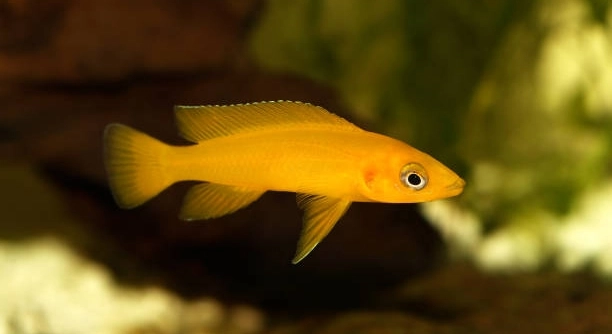
Lemon tetras are small, lively fish that brighten any freshwater aquarium. Sometimes, they show signs of aggression, which can disrupt the peaceful balance among tank mates. Managing their behavior helps maintain a calm and healthy environment.
Aggression in lemon tetras primarily stems from stress, overcrowding, or lack of hiding spaces. Providing adequate space, consistent water conditions, and a balanced diet reduces conflicts, ensuring social harmony and promoting overall fish health in community aquariums.
Learning simple strategies to manage their behavior can make a big difference. These adjustments improve both your fish’s well-being and the enjoyment of watching them.
Provide Enough Space
Lemon tetras feel more relaxed when they have plenty of room to swim freely. Crowded tanks can increase stress and trigger aggression, especially among males. A tank of at least 20 gallons is recommended for a small group, with additional space for each extra fish. Open swimming areas combined with plants or decorations give them places to explore and retreat. Avoid clustering too many tetras in a single spot, as this can cause chasing and nipping. Observing how they interact helps you notice early signs of tension, so you can adjust the layout or population. Regularly cleaning the tank also ensures water quality stays high, which reduces stress. The more comfortable your tetras feel, the less likely they are to show aggressive behavior toward each other. Simple adjustments in tank size and arrangement can have a major impact on their social harmony.
Providing a larger tank with open swimming areas helps minimize territorial disputes and aggressive interactions among lemon tetras.
By adding plants, hiding spots, and open space, your tetras can establish natural social hierarchies without constant stress. They become calmer and more active, making the aquarium more enjoyable to watch.
Maintain Stable Water Conditions
Keeping water consistent in temperature, pH, and hardness prevents stress-related aggression. Lemon tetras are sensitive to sudden changes, which can make them act aggressively toward tank mates.
Regular monitoring and gradual adjustments help maintain stable conditions. Sudden fluctuations in temperature or pH may trigger chasing or nipping. Using a thermometer and test kits ensures the tank stays within ideal parameters. Performing partial water changes weekly prevents buildup of harmful chemicals and keeps the water clean. Filter maintenance is equally important, as proper circulation reduces stagnant areas that can stress fish. Avoid overfeeding, as leftover food can decay and harm water quality. Soft lighting and a calm environment also reduce stress, making aggression less likely. When water conditions remain stable, lemon tetras are less defensive and more social. These measures improve health, color, and activity levels, creating a balanced, peaceful aquarium. Consistent care ensures that all tank inhabitants can thrive without conflict.
Keep a Balanced School
Lemon tetras feel safer and behave better in groups of six or more. Smaller groups can increase stress and lead to more frequent aggression among individuals.
A balanced school helps distribute social interactions evenly, preventing dominant fish from constantly chasing weaker ones. When there are enough tetras in the tank, aggression is less targeted, and each fish has a chance to establish its own space. It also encourages natural schooling behavior, which keeps them active and reduces boredom. Watching a well-balanced group swim together is more peaceful and visually appealing, and it reduces stress-induced health problems.
Maintaining a proper number of lemon tetras is crucial, but it also means monitoring tank capacity. Avoid overcrowding, as adding too many fish can reverse the benefits of a balanced school. Gradually introducing new tetras and observing how the group adapts helps maintain harmony. Regular checks of their behavior let you address minor conflicts before they escalate. Adjusting tank decorations or rearranging plants can further reduce aggressive interactions. By combining proper numbers, space, and observation, aggression can be kept at a minimum.
Provide Hiding Spots
Hiding spots give lemon tetras a place to retreat, lowering stress and reducing aggression toward tank mates. Plants, rocks, and decorations create natural shelters.
Fish without secure areas may feel cornered, which increases chasing and nipping. Introducing multiple hiding spots ensures that every fish can escape if needed, supporting a calmer environment. Dense plants near the bottom or mid-level provide cover while leaving open swimming areas. Driftwood or small caves add variety and break lines of sight, helping reduce conflicts. Rotating decorations occasionally keeps the tank stimulating without stressing the tetras. Observation is important, as too few hiding spots can lead to repeated confrontations. Properly distributed shelters allow each fish to feel safe while maintaining group cohesion.
When designing hiding spaces, consider placement carefully. Avoid blocking swimming paths, and mix open and covered areas to encourage natural movement. Live plants offer both cover and improved water quality, while artificial decorations are easier to clean. Layering plants at different heights allows timid fish to avoid dominant ones while still engaging in social interactions. Open areas combined with hidden retreats let tetras interact on their own terms, reducing stress-driven aggression. Regular adjustments and maintenance of these spots help maintain a healthy, peaceful tank where fish can thrive.
Feed a Nutritious Diet
A balanced diet keeps lemon tetras healthy and reduces aggression. Providing high-quality flakes, frozen, or live foods ensures they get the nutrients needed for calm behavior.
Feeding smaller amounts multiple times a day prevents competition and fighting over food. Overfeeding or inconsistent feeding schedules can increase stress and trigger nipping among fish.
Avoid Overcrowding
Overcrowding intensifies aggression and stress in lemon tetras. Maintaining appropriate fish-to-tank ratios is essential for a peaceful environment.
Monitor for Sick or Injured Fish
Sick or injured lemon tetras can become targets or display unusual aggression. Early detection helps prevent problems and protects the group.
Regular Tank Maintenance
Clean tanks with routine water changes and filter checks reduce stress-related aggression. Stable water conditions support calm, healthy behavior.
FAQ
Why are my lemon tetras aggressive toward each other?
Lemon tetras can become aggressive due to stress, overcrowding, or lack of hiding spaces. Dominant fish may chase or nip at weaker ones if the group is too small or the tank is too cramped. Poor water quality or sudden changes in temperature can also trigger aggression, as fish react to uncomfortable conditions. Observing their interactions regularly helps identify the causes early, allowing adjustments in tank setup, school size, or feeding routines to restore harmony.
How many lemon tetras should I keep together?
A minimum group of six tetras is recommended to distribute social interactions evenly. Larger groups of eight to ten reduce targeted aggression and promote natural schooling behavior. Keeping too few fish increases stress, while overcrowding can lead to competition for space and resources. Gradually introducing new tetras and monitoring how they integrate helps maintain balance and prevents conflict.
What is the best tank size for lemon tetras?
A tank of at least 20 gallons is ideal for a small school. Larger tanks give them space to swim freely and establish territories without constant confrontation. Open swimming areas combined with plants and decorations create a stimulating yet secure environment. Proper tank size reduces stress and helps maintain social harmony.
Which hiding spots work best for reducing aggression?
Dense plants, rocks, driftwood, and small caves are effective. They provide safe retreats for timid fish and break lines of sight, which lowers chasing. Mixing open swimming areas with hidden spots ensures fish feel safe while still interacting naturally. Rotating or rearranging decorations occasionally keeps the tank interesting.
How often should I feed my lemon tetras?
Feeding small amounts two to three times daily works best. Multiple feedings reduce competition and prevent aggression over food. Offering a mix of high-quality flakes, frozen, or live foods ensures proper nutrition, supporting calm behavior and vibrant colors. Avoid overfeeding, which can degrade water quality and increase stress.
How do water conditions affect aggression?
Lemon tetras are sensitive to sudden changes in temperature, pH, and hardness. Unstable conditions can make them more irritable and prone to nipping. Regular testing, gradual adjustments, and consistent water changes maintain stability. Proper filtration and moderate lighting also contribute to a calmer environment.
Can aggression indicate illness?
Yes. Sick or injured tetras may act unusually aggressive or be targeted by others. Signs include lethargy, faded colors, or fin damage. Early detection and isolation of affected fish prevent the spread of illness and reduce stress-related fighting in the tank.
Will rearranging the tank help reduce aggression?
Yes. Changing decorations or adding new plants can break established territorial lines and create new hiding spots. This helps distribute interactions and gives timid fish a place to escape. Make changes gradually to avoid shocking the fish, and monitor behavior to ensure the tank remains balanced.
Is it normal for lemon tetras to nip occasionally?
Some nipping is normal as fish establish hierarchy, especially in smaller groups. Occasional chasing is part of schooling behavior. Persistent or severe aggression, however, signals issues like overcrowding, stress, or poor tank conditions, which should be addressed promptly to prevent injury.
What steps can I take to prevent long-term aggression?
Maintain a proper group size, provide hiding spots, keep water stable, and feed a nutritious diet. Regular monitoring, tank maintenance, and observing individual behavior help catch problems early. Combining these strategies fosters a peaceful, healthy environment where lemon tetras can thrive and interact naturally.
Lemon tetras are small, vibrant fish that bring life to any freshwater aquarium. Their bright colors and active swimming patterns are enjoyable to watch, but they can show aggression if their needs are not properly met. Understanding the factors that contribute to aggression is key to creating a calm and harmonious tank. Stress, overcrowding, lack of hiding spots, and unstable water conditions are common triggers. Each of these elements can be adjusted with careful observation and simple changes in the aquarium setup. By paying attention to these details, you can help your lemon tetras feel secure and reduce conflict among them. A peaceful group is not only more attractive to look at but also healthier and more active, making your time maintaining and observing the tank much more satisfying.
Creating a suitable environment involves more than just adding fish and water. The size of the tank plays a major role in reducing tension. A larger tank allows lemon tetras to swim freely and establish their own space without constant chasing. Adding hiding spots, such as plants, rocks, and small decorations, gives fish places to retreat when they feel threatened. These areas prevent weaker fish from being constantly harassed and help distribute interactions more evenly throughout the group. Feeding a balanced diet in small, regular amounts also supports calmer behavior, as competition over food is reduced. Regular water testing and maintenance keep the environment stable and free from harmful fluctuations. Together, these measures create conditions where aggression is minimized, allowing all tetras to thrive.
Maintaining peace in a lemon tetra aquarium requires consistent attention and care. Monitoring the behavior of each fish helps detect early signs of stress or illness, which can otherwise lead to increased aggression. Adjustments to tank decorations, school size, and feeding routines can quickly correct problems before they escalate. Over time, creating a stable and secure environment allows the tetras to develop natural social behaviors without constant conflict. The result is a lively, colorful, and peaceful aquarium that is enjoyable to maintain and observe. By combining proper tank size, hiding spots, diet, and maintenance, lemon tetra aggression can be significantly reduced, ensuring the fish remain healthy, active, and harmonious in their aquatic home.

Hello,
If you enjoy the content that we create, please consider saying a "Thank You!" by leaving a tip.
Every little bit helps us continue crafting quality advice that supports the health, happiness, and well-being of pets around the world, for pets of all shapes, sizes, and species.
We really appreciate the kindness and support that you show us!