
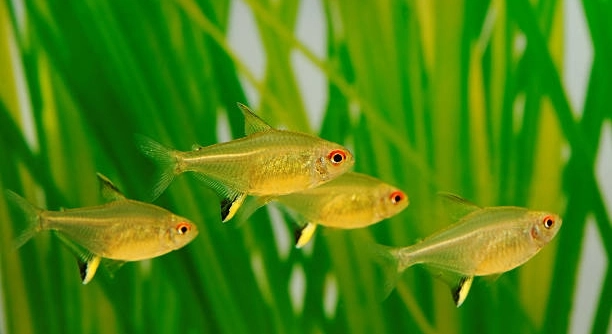
Lemon tetras are small, colorful freshwater fish that bring life to any aquarium. Many owners notice their bright eyes and active movements, often wondering how these tiny creatures rest after a busy day swimming. Their delicate nature makes observing their habits fascinating.
Lemon tetras do not close their eyes while sleeping. Like many fish, they lack eyelids, so they remain with open eyes even during rest. They find safety in calm water and reduced light to relax and conserve energy.
Observing lemon tetras’ nighttime behavior can reveal patterns that help you maintain a healthy and comfortable aquarium environment. Their subtle sleeping habits offer insights into proper care and overall well-being.
Understanding Lemon Tetra Sleep Patterns
Lemon tetras have unique sleep habits compared to other pets. They do not close their eyes because fish lack eyelids, relying instead on dim lighting and calm surroundings to rest. Observing their behavior at night can be subtle. You may notice slower movements, reduced activity, or floating in one spot, signaling they are resting. Some tetras find a safe corner or cluster together for added security. Their sleep is light, and they remain alert to changes in their environment. This means even while resting, they can quickly respond to threats or disturbances. Water quality, temperature, and tank setup affect their sleep, so maintaining stability is essential. Providing hiding spots, gentle lighting, and minimal disruptions at night allows lemon tetras to rest effectively. Watching them adapt to these conditions can be satisfying and helps in understanding their natural instincts. Healthy sleep directly impacts their growth, coloration, and general behavior, making nighttime care as important as daytime activity.
Lemon tetras mostly rest during the night, slowing down but staying aware. They rarely move far and prefer sheltered spots.
Sleep patterns also depend on the aquarium environment. Tetras thrive in consistent lighting, temperature, and clean water. Sudden changes can disturb them, causing stress or restless nights. Observing how they react to nighttime conditions helps owners adjust care. Even minor disturbances like bright lights or water flow changes can alter their sleep routine. Clustering with other fish or hiding near plants offers a sense of security, making their rest more effective. Recognizing these patterns ensures their health and supports natural behaviors. By monitoring sleep habits and environment, owners can prevent stress-related issues and promote overall well-being. Adjusting tank conditions slightly can improve their rest without drastic changes. Healthy sleep encourages proper feeding, energy levels, and coloration. This understanding creates a smoother routine and reduces nighttime disturbances. Paying attention to subtle cues helps maintain a balanced and thriving aquarium. Proper care at night contributes directly to the longevity and vitality of lemon tetras.
Tips to Support Restful Sleep
Dim lighting at night helps lemon tetras feel secure. Avoid sudden movements near the tank.
Providing a stable, calm environment enhances sleep. Plants or hiding spots create safe spaces. Maintaining consistent water temperature and quality reduces stress. Avoid tapping on glass or sudden noises that can startle them. Using a timer for lights ensures predictable day and night cycles, supporting their natural rhythm. Observing where tetras rest can guide placement of decorations or plants to create ideal hiding spots. Light-colored substrate can make fish feel more exposed, so darker areas may improve comfort. Gentle filtration reduces strong currents that can disturb resting fish. Keeping feeding routines consistent also signals nighttime rest is coming. When these small adjustments are made, lemon tetras display calmer, more natural sleep behaviors. Over time, they appear healthier, more vibrant, and active during the day. Consistency in care and environment promotes both restful sleep and overall well-being. Tracking their sleep habits can help identify any early signs of illness or stress, making adjustments easier and more effective.
Common Misconceptions About Lemon Tetra Sleep
Many assume lemon tetras close their eyes at night like humans. In reality, they remain alert even while resting, relying on water conditions and surroundings to feel safe. Their open eyes are normal and not a sign of distress.
People often misinterpret slower movements as illness. Slower swimming at night is part of normal rest. They may float near plants or hide slightly, conserving energy without fully shutting down. Water temperature, light cycles, and tank companions influence how and where they rest. Stressful conditions can disrupt sleep, but open eyes alone are not an indicator of poor health. Observing their habits over time gives a clearer picture of proper rest patterns.
Some owners think tetras need darkness to sleep completely. While dim light helps, complete darkness isn’t necessary. Consistent light cycles and calm water encourage natural resting behavior. They adapt to subtle changes, and creating stable conditions ensures their rest is uninterrupted. Providing plants or hiding spots mimics their natural habitat, improving comfort. Proper observation of movement and behavior at night helps distinguish normal rest from unusual activity.
How Tank Conditions Affect Rest
Temperature fluctuations can prevent lemon tetras from resting properly. Stable water encourages regular sleep patterns. Plants and hiding spaces give them security at night.
Water quality, filtration, and lighting all play crucial roles in rest. Clean, well-oxygenated water prevents stress that can disturb sleep. Strong currents can tire fish or force constant movement, reducing effective rest. Consistent lighting, ideally on a timer, signals predictable day and night cycles, aiding natural rhythms. Placement of decorations and plants influences where tetras feel safe. Darker or sheltered areas encourage longer periods of stillness. Even subtle vibrations or sudden noise can affect their rest, so tank location matters. By carefully managing these factors, owners can support restful sleep and overall health, ensuring lemon tetras remain active and vibrant during the day.
Nighttime Behavior Patterns
Lemon tetras become noticeably calmer at night. They swim slower, hover near plants, or stay close to tank corners. These behaviors indicate they are resting without fully shutting down, which is typical for fish.
Grouping together at night is common. Clustering provides a sense of security and reduces stress while they rest, helping maintain overall health and balance in the tank.
The Role of Lighting
Lighting has a direct impact on how lemon tetras rest. Bright or inconsistent lights can make them more active or stressed, while steady, dim lighting encourages natural calmness. A timer helps maintain regular day-night cycles, promoting consistent rest.
Feeding and Sleep
Feeding schedules influence rest patterns. Regular, predictable feeding helps fish settle into their nightly routines and reduces nighttime disturbances.
FAQ
Do lemon tetras really sleep at night?
Yes, lemon tetras do sleep, but their sleep is different from mammals. They remain alert with open eyes and reduce their activity. You may notice them hovering near plants or staying close to corners of the tank. This behavior is normal and indicates they are resting while still aware of their environment.
How can I tell if my lemon tetra is resting or sick?
Resting fish slow down and may stay in one spot, often near plants or decorations. Sick fish may show other signs like erratic swimming, faded color, or labored breathing. Observing movement patterns over several nights helps distinguish normal rest from illness. Stable water conditions are important to prevent health problems.
Do they need complete darkness to sleep?
No, complete darkness isn’t necessary. Dim lighting is sufficient to signal nighttime. Lemon tetras respond to consistent day-night cycles, which help regulate their sleep patterns. Using a timer for tank lights provides predictable cycles, allowing them to rest properly without abrupt changes that could disturb them.
Can tank mates affect their sleep?
Yes, other fish can impact how lemon tetras rest. Aggressive or very active species may stress them, causing disrupted rest. Peaceful tank mates promote calm nighttime behavior. Observing interactions at night can show if tank composition is suitable and whether adjustments are needed to ensure all fish get restful periods.
How does water temperature influence rest?
Stable water temperature supports regular sleep cycles. Sudden fluctuations can stress fish, making them restless. Lemon tetras thrive in slightly warm, consistent temperatures typical for tropical freshwater aquariums. Avoid rapid changes during water changes or filtration adjustments, as these can temporarily affect rest and overall health.
Do plants and decorations help?
Yes, plants and hiding spots provide a sense of security. Tetras often rest near these areas, feeling sheltered and protected. Dense or strategically placed plants mimic natural habitats, reducing stress and encouraging longer periods of stillness. Even artificial decorations can provide adequate cover for nighttime rest.
Is it normal for them to swim at night?
Occasionally, yes. Lemon tetras may make short movements while resting. Light swimming or repositioning is natural, as their sleep is light and they remain alert. Constant, frantic swimming or bumping into objects is not normal and may indicate stress, poor water quality, or illness that requires attention.
Do feeding times affect their sleep?
Yes, consistent feeding routines signal the end of active periods. Feeding in the morning and early afternoon helps fish settle into nighttime rest. Late or irregular feeding can make them more active at night, disrupting natural rest patterns and potentially causing stress or digestive issues.
Can lighting color influence sleep?
Soft, warm lighting tends to be more calming than bright white or blue light. Excessively bright or flashing lights can make tetras restless. Adjusting lighting intensity and using timers ensures predictable, stress-free night cycles that encourage proper resting behavior.
How long do lemon tetras usually rest each night?
Rest periods vary depending on tank conditions and activity levels. Typically, they slow down for several hours during the night, reducing energy use while staying alert. Providing calm water, secure hiding spots, and consistent lighting ensures their sleep is uninterrupted and restorative.
Are there signs that their sleep is disturbed?
Yes, restlessness, constant swimming, or hiding in unusual spots indicates disrupted sleep. This can result from poor water quality, aggressive tank mates, inconsistent lighting, or sudden disturbances near the tank. Observing patterns and addressing environmental factors helps maintain healthy sleep and overall well-being.
Does water flow affect their rest?
Strong currents can disturb resting tetras, forcing them to swim constantly. Gentle filtration or areas with calmer water allow them to float and rest comfortably. Adjusting flow or creating sheltered areas ensures uninterrupted nighttime rest.
Can stress prevent lemon tetras from sleeping?
Stress affects their ability to rest. Causes include overcrowding, poor water quality, aggressive tank mates, or sudden environmental changes. Minimizing stress by providing stable conditions, hiding spots, and a predictable routine supports restful periods and overall health.
Is it normal for them to stay near the surface or bottom while resting?
Yes, placement varies by individual preference and tank setup. Some hover mid-water, while others rest closer to the bottom or among plants. Observing their preferred resting zones helps understand normal behavior and can guide tank arrangement for optimal comfort.
Do they ever fully close their eyes?
No, lemon tetras do not close their eyes. They lack eyelids, so eyes remain open even during sleep. Instead, they rely on reduced activity and calm surroundings to rest safely. This open-eye sleep is normal and part of their natural behavior.
How long does it take for them to adjust to a new tank?
Adjustment can take several days to weeks. During this period, they may rest less or remain cautious. Providing stable water parameters, hiding spots, and calm tank mates helps them settle faster and establish normal rest patterns.
Can supplements or diet affect sleep?
A balanced diet supports energy levels and overall health, indirectly affecting rest. Overfeeding or poor nutrition can cause restlessness or discomfort. Feeding high-quality food in appropriate amounts helps maintain regular sleep and reduces stress-related behaviors.
Is it important to observe them at night?
Yes, nighttime observation helps detect unusual behavior early. Rest patterns, movement, and location within the tank provide clues about health and comfort. Monitoring these behaviors allows timely adjustments to environment, diet, or tank setup to support overall well-being.
Do seasonal changes impact sleep?
Seasonal changes in light exposure or room temperature can influence rest. Using timers for consistent lighting and maintaining stable water temperatures helps reduce seasonal disruptions, ensuring lemon tetras maintain predictable sleep patterns year-round.
Can old or sick fish sleep differently?
Older or ill fish may show irregular sleep patterns, resting longer or in unusual positions. Observing differences from normal behavior can help identify health issues early. Providing supportive care and monitoring closely ensures better rest and recovery.
How can I create the ideal sleep environment?
Provide dim lighting, calm water flow, plants or decorations for shelter, consistent feeding, and stable temperature. Minimizing sudden disturbances and aggressive tank mates encourages natural resting behavior. Observing preferences and adjusting the environment ensures lemon tetras sleep safely and comfortably each night.
This FAQ section covers most concerns about lemon tetra sleep, helping ensure their health and comfort are properly supported.
Lemon tetras are small, lively fish that brighten any aquarium, and understanding their sleep habits helps ensure they stay healthy and comfortable. Unlike mammals, they do not close their eyes at night. This can seem unusual at first, especially for someone used to observing pets with eyelids, but it is entirely normal for fish. Their open eyes allow them to stay alert to their surroundings even while resting. Observing them over time makes it clear that slowed movements, hovering near plants, or gathering in corners are their natural ways of resting. These behaviors indicate that they are conserving energy without fully shutting down. Recognizing these patterns helps aquarium owners distinguish between normal resting behavior and signs of stress or illness, which is important for maintaining overall fish health.
Creating a supportive environment is key to promoting restful periods for lemon tetras. Lighting, water quality, temperature, and tank setup all play a role in how well they rest. Consistent light cycles, ideally controlled with a timer, signal day and night, helping fish maintain regular sleep patterns. Dim lighting during night hours reduces stress and encourages calm behavior. Clean, well-oxygenated water and stable temperatures are equally important, as sudden changes can cause restlessness or even health issues. Providing hiding spots, plants, or decorations gives tetras a sense of security, allowing them to rest more effectively. Tank mates also influence sleep—peaceful companions support calm nighttime behavior, whereas aggressive or highly active species can disrupt rest. Small adjustments to the environment, combined with consistent care routines, can make a significant difference in ensuring that lemon tetras maintain regular, restorative rest.
Paying attention to the subtle aspects of their behavior at night also offers valuable insights into their overall well-being. Rest periods are linked to energy levels, feeding habits, coloration, and activity during the day. When fish are able to rest undisturbed, they are healthier, more vibrant, and better able to thrive in the aquarium. Monitoring sleep patterns can reveal early signs of stress or illness, allowing timely interventions. By understanding how lemon tetras rest, aquarium owners can provide a stable, comfortable habitat that promotes long-term health. Consistent care, attention to environment, and observation of nighttime behaviors together ensure these small fish can live active, stress-free lives while maintaining natural rhythms, giving them the best chance to thrive.

Hello,
If you enjoy the content that we create, please consider saying a "Thank You!" by leaving a tip.
Every little bit helps us continue crafting quality advice that supports the health, happiness, and well-being of pets around the world, for pets of all shapes, sizes, and species.
We really appreciate the kindness and support that you show us!